
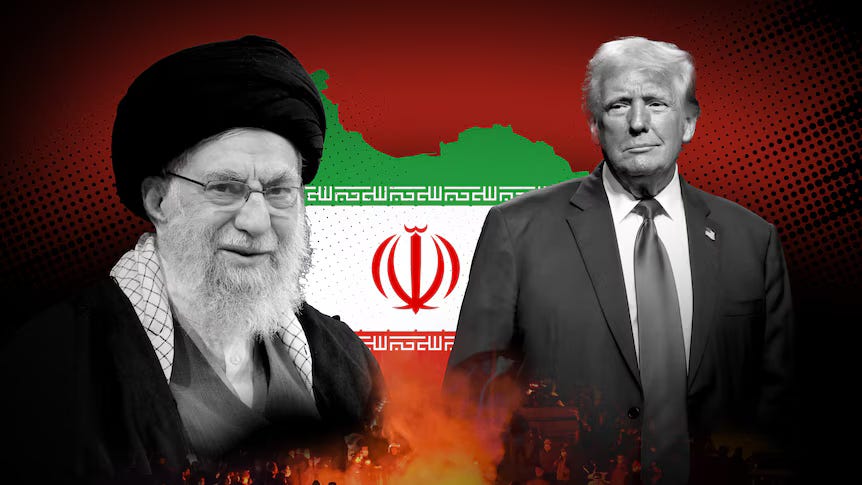
The reported outlines of a potential agreement between the United States and Iran should alarm policymakers across Europe, the Middle East, and beyond. If the details described by Reuters and other sources prove accurate, the world may be witnessing yet another attempt to purchase short-term stability at the expense of long-term security.
According to reports, Washington and Tehran are discussing a framework under which billions of dollars in frozen Iranian assets could be released and sanctions on Iranian oil exports eased in exchange for guarantees regarding the opening of the Strait of Hormuz. The question that immediately arises is a simple one: why should the international community reward behavior that threatens one of the world’s most critical maritime arteries in the first place?
The Strait of Hormuz is not merely a regional shipping lane. It is one of the most strategically important chokepoints on Earth. A significant percentage of global energy supplies move through these narrow waters. Any disruption sends shockwaves through energy markets, shipping networks, insurance costs, and national economies. The free movement of commerce through international waters should never become a bargaining chip.
Yet here we are again.
The world appears trapped in a cycle where threats are rewarded, crises are managed rather than solved, and strategic patience is sacrificed for political headlines.
History teaches a brutal lesson: weakness disguised as diplomacy often creates larger conflicts in the future.
The Problem With Transactional Geopolitics
The reported framework appears rooted in a philosophy that has become increasingly common in modern diplomacy: solve today’s problem and let tomorrow take care of itself.
That approach may generate press conferences and declarations of success. It does not generate lasting security.
If sanctions relief and financial concessions are provided before fundamental disagreements regarding Iran’s nuclear ambitions are resolved, then the West risks surrendering leverage before obtaining meaningful guarantees.
Iran has consistently maintained that it wants to preserve portions of its nuclear infrastructure. Iranian officials have publicly stated that they prefer dilution rather than destruction of highly enriched uranium stockpiles.
This distinction matters enormously.
The difference between elimination and preservation is not merely technical. It is strategic.
Material that remains in existence can potentially be re-enriched. Infrastructure that remains intact can potentially be expanded. Expertise that remains concentrated can potentially be mobilized.
The international community must therefore ask whether it is witnessing genuine de-escalation or merely the postponement of a future confrontation.
Diplomacy is essential. Nobody should welcome conflict.
But diplomacy without enforceable outcomes is not strategy.
It is wishful thinking.
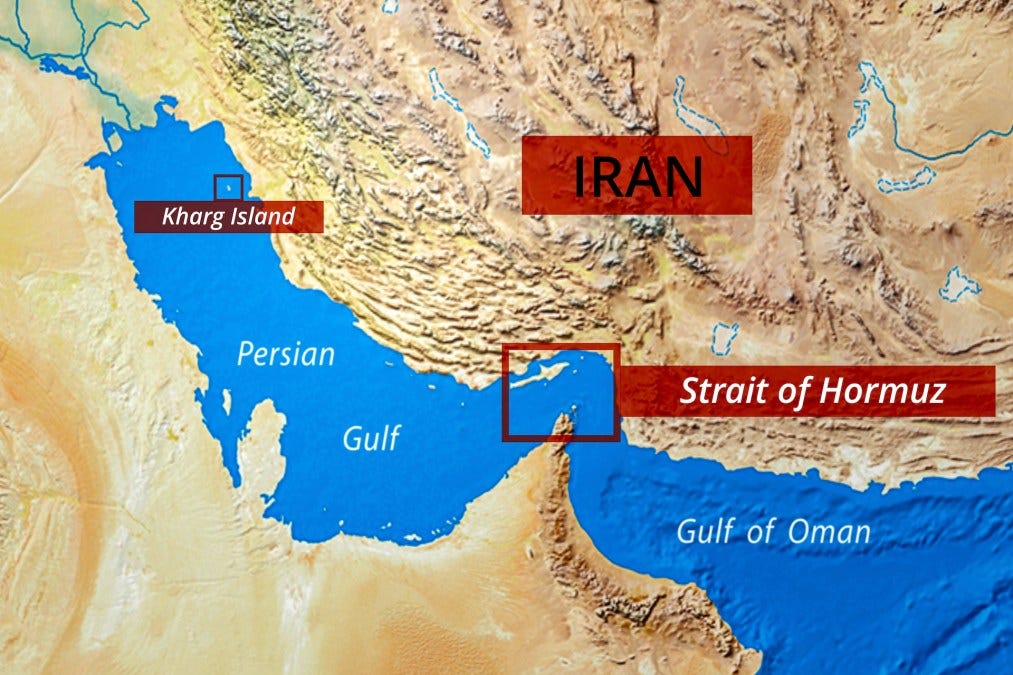
The Strait of Hormuz Should Never Be a Negotiating Hostage
Imagine the precedent being established.
A state threatens the uninterrupted operation of a globally significant shipping route. Economic uncertainty follows. Markets react. Governments become concerned.
The response then becomes financial incentives designed to persuade that state not to interfere with international commerce.
Such a model creates dangerous incentives.
The lesson learned is not that coercion fails.
The lesson learned is that coercion pays.
That lesson would not be lost on other governments around the world.
Nor would it be lost on non-state actors who closely observe how international crises are managed.
The principle at stake is larger than Iran.
The principle is whether vital international infrastructure remains protected by international norms or becomes subject to recurring political blackmail.
The answer will shape future crises far beyond the Persian Gulf.
The Nuclear Question Has Not Gone Away
Supporters of a potential agreement will argue that reducing tensions is preferable to confrontation.
They are correct.
However, reducing tensions and solving problems are not the same thing.
The central issue remains Iran’s nuclear program.
Every other discussion is secondary.
Shipping routes matter.
Oil markets matter.
Regional stability matters.
But the strategic heart of this dispute has always been the question of nuclear capability.
Reports suggest that discussions regarding Iran’s nuclear activities would occur during a sixty-day period after broader understandings are reached.
That sequencing should concern policymakers.
The most difficult issue appears to be postponed until after major concessions are considered.
History offers countless examples of negotiations that collapsed precisely because the hardest questions were delayed.
The danger is obvious.
Political leaders celebrate progress.
Markets calm.
Pressure eases.
Momentum fades.
Then the unresolved core dispute returns stronger than before.
The result is disappointment, distrust, and renewed instability.
A World Already Under Pressure
The timing of these negotiations deserves particular scrutiny.
The global security environment is already under immense strain.
Europe faces the continuing consequences of Russia’s war against Ukraine.
The Middle East remains volatile.
The Indo-Pacific is increasingly tense.
Energy markets remain sensitive to geopolitical disruptions.
Supply chains remain vulnerable.
Confidence in international institutions continues to erode.
Against this backdrop, major powers should be focused on reinforcing deterrence, predictability, and credibility.
Instead, the world increasingly witnesses diplomacy driven by improvisation.
Policy appears reactive rather than strategic.
Crisis management replaces long-term planning.
Political cycles replace statecraft.
This trend should concern every democratic nation.
The Trump Factor
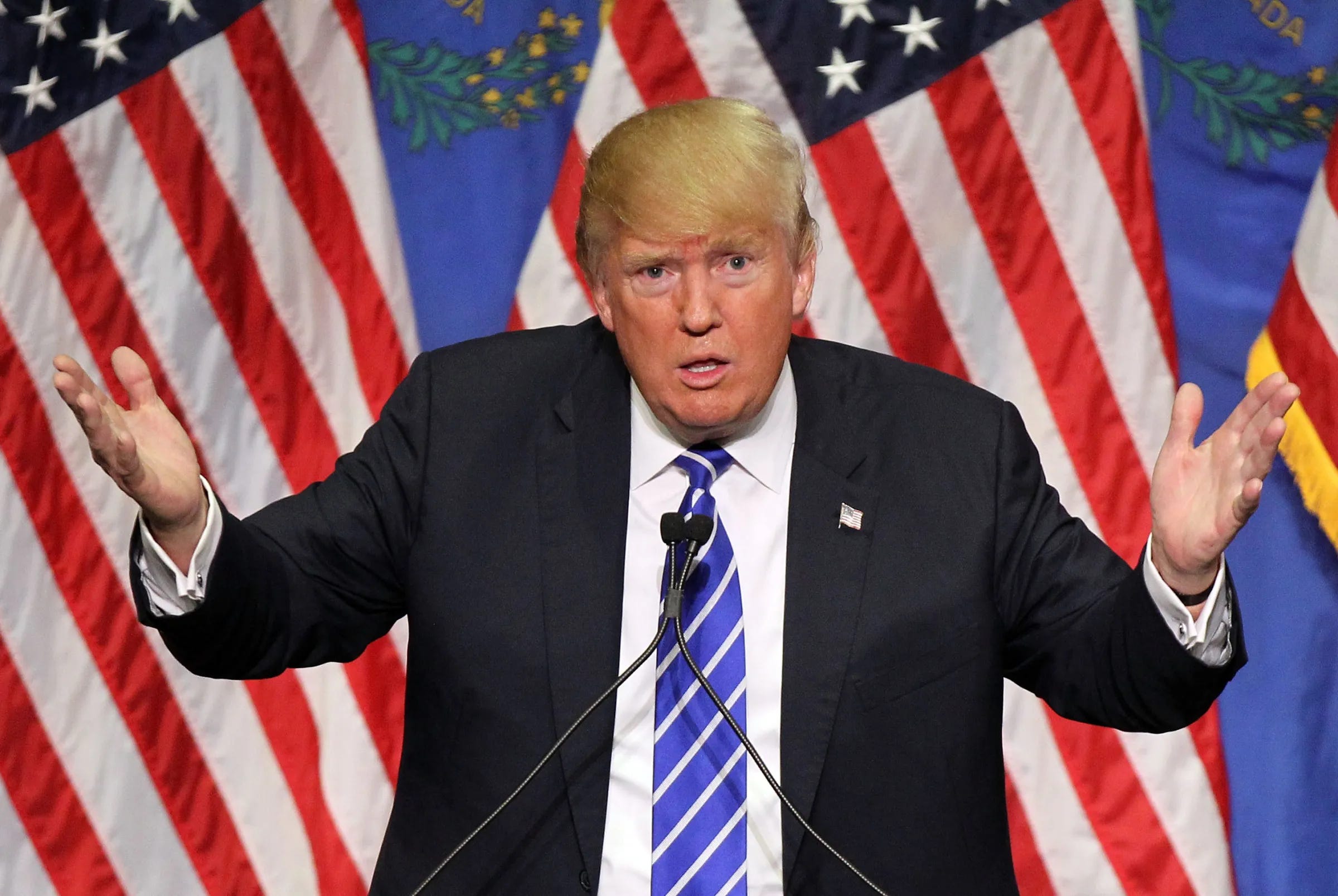
The reported negotiations also raise broader questions regarding the foreign-policy philosophy associated with President Donald Trump and many of his closest political allies.
Trump’s supporters frequently present his approach as pragmatic, disruptive, and unconventional.
Critics see something very different.
They see inconsistency.
They see unpredictability.
They see an approach that often prioritizes dramatic announcements over durable strategic outcomes.
International politics is not a real-estate transaction.
It is not a television production.
It is not a branding exercise.
Great powers require consistency.
Allies require confidence.
Adversaries require clarity.
Markets require predictability.
When policy becomes excessively personalized, institutions weaken.
When institutions weaken, uncertainty grows.
When uncertainty grows, adversaries exploit it.
This is not merely a criticism of one politician.
It is a warning about a style of governance that confuses disruption with strategy.
Not every broken norm deserves to be broken.
Not every established alliance deserves to be questioned.
Not every crisis benefits from improvisation.
Europe Cannot Remain Passive
Europe must draw lessons from the current situation.
For too long, many European governments have operated under the assumption that American leadership will automatically provide strategic coherence.
Recent years have demonstrated otherwise.
Europe requires stronger defense capabilities.
Europe requires greater energy resilience.
Europe requires independent strategic thinking.
Europe must be capable of protecting its interests regardless of who occupies the White House.
That does not mean abandoning the transatlantic alliance.
Far from it.
It means strengthening it through responsibility rather than dependency.
A mature partnership requires capable partners.
The geopolitical environment of the twenty-first century demands exactly that.
Churchill’s Lesson for the Present
Winston Churchill understood something that remains relevant today.
Peace is preserved through strength, credibility, and clarity.
He repeatedly warned against confusing hopes with realities.
He understood that strategic ambiguity can invite aggression rather than prevent it.
His warnings were unpopular.
They were often dismissed as alarmist.
History eventually judged them differently.
The lesson is not that diplomacy is futile.
The lesson is that diplomacy must be anchored in strength.
Agreements must be enforceable.
Commitments must be credible.
Violations must carry consequences.
Without those elements, negotiations become exercises in delay rather than instruments of peace.
The Real Test
The success or failure of any agreement between Washington and Tehran will not be measured by headlines.
It will not be measured by press releases.
It will not be measured by diplomatic ceremonies.
It will be measured by outcomes.
Has Iran’s nuclear capability been meaningfully constrained?
Has regional security improved?
Have international shipping routes become more secure?
Has deterrence been strengthened rather than weakened?
Have allies gained confidence rather than uncertainty?
These are the questions that matter.
Everything else is noise.
Conclusion: The World Needs Strategy, Not Illusions
The reported negotiations between the United States and Iran may ultimately produce a useful framework for reducing tensions.
If they do, that should be welcomed.
But hope is not a strategy.
Optimism is not verification.
Declarations are not guarantees.
The international community must approach these developments with clear eyes and hard questions.
The world cannot afford another agreement built on assumptions that later collapse under pressure.
Nor can it afford a geopolitical culture that repeatedly sacrifices long-term stability for short-term political victories.
The stakes are simply too high.
The Strait of Hormuz is too important.
Regional security is too important.
Global economic stability is too important.
And the preservation of international credibility is too important.
The coming months will reveal whether current negotiations represent genuine statecraft or merely another chapter in the increasingly dangerous habit of confusing temporary calm with lasting peace.
History has a habit of punishing those who fail to understand the difference.
Comments
Nothing yet. Say the first thing.
Sign in to join the conversation.