
There are moments in international politics when pragmatism is necessary.
There are moments when former enemies must eventually sit across a table from one another. There are moments when diplomacy requires talking to people whose past is deeply stained by violence.
But there is a line that must never be crossed:
You do not erase history because political circumstances have changed.
And you certainly do not expect the soldiers who fought, bled and died against terrorism to quietly applaud when yesterday’s enemies are suddenly welcomed as respectable political partners.
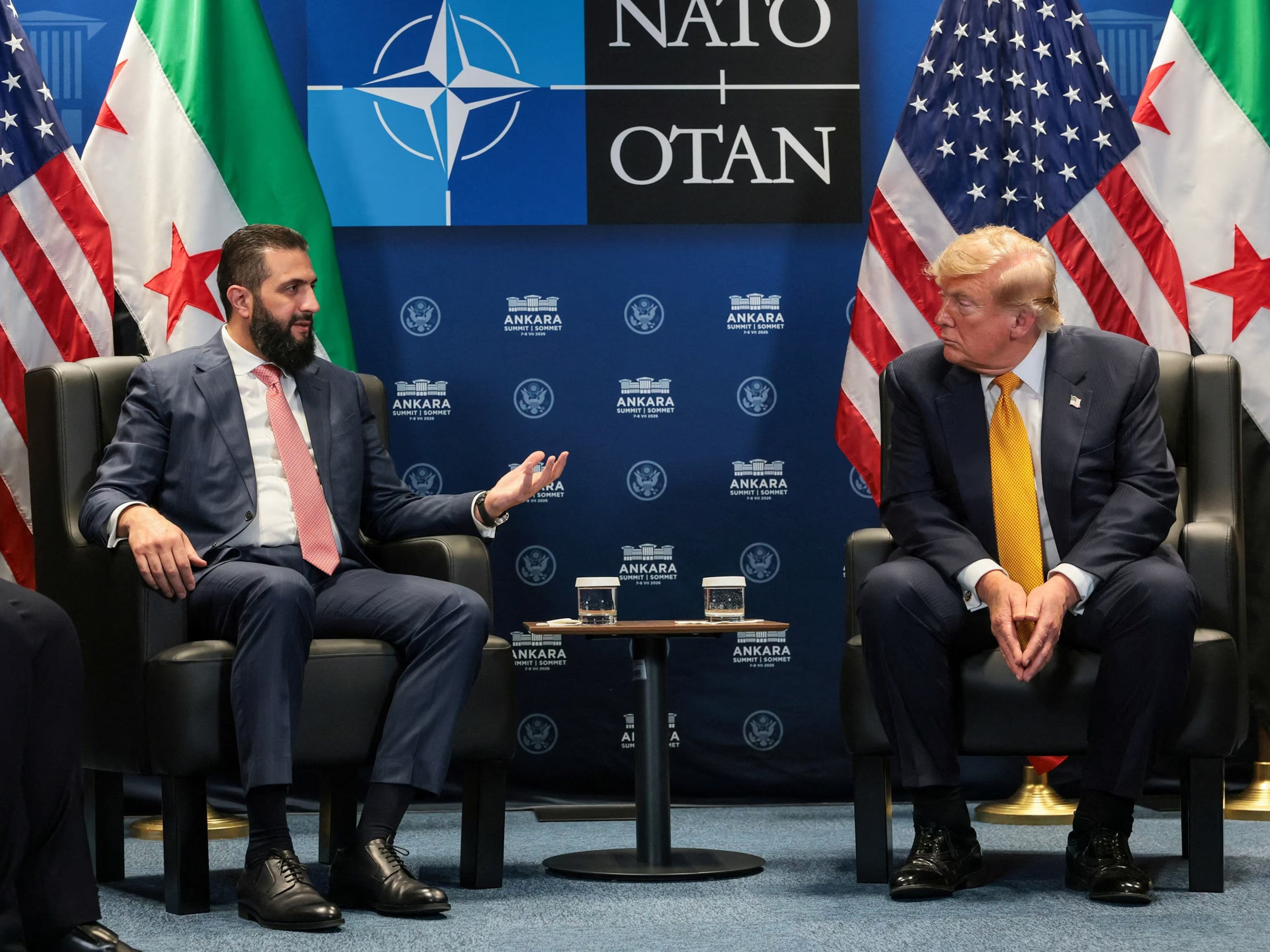
That is why the Trump administration’s embrace of Syria’s new leadership and Washington’s decision to remove Syria from the U.S. State Sponsors of Terrorism list deserve far more than a sterile diplomatic press release.
It deserves scrutiny.
It deserves anger.
And it deserves an uncompromising reminder of the people who paid the ultimate price during the wars against jihadist terrorism.
The fallen deserve a voice.
And if governments have forgotten them, then we damn well have to speak for them.
First, let us get the facts straight.
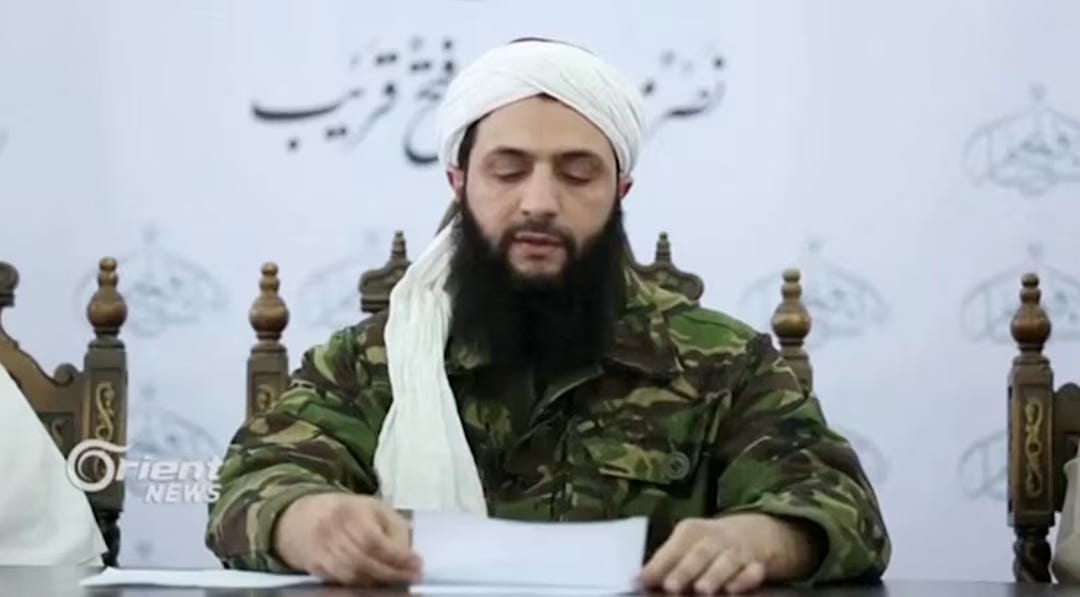
Ahmed al-Sharaa , once known as Abu Mohammad al-Julani , did not emerge from nowhere as a democratic statesman.
He has a documented history inside the jihadist movement.
He was involved with al-Qaeda in Iraq and later became the leader of Jabhat al-Nusra, the Syrian branch of al-Qaeda. In 2013, the United States designated him personally as a Specially Designated Global Terrorist. The organization he led was also designated by Washington as a terrorist organization.
That history is not an insult.
It is not propaganda.
It is not some internet fantasy.
It is part of the documented record of the United States government itself.
And we need to be precise here: al-Sharaa was not a “top ISIS commander,” and we should not rewrite history by claiming that he was. His connection was to al-Qaeda and its Syrian affiliate, al-Nusra, rather than to ISIS.
But we do not need to exaggerate his history.
The documented facts are already fucking serious enough.
This is the man who once led an organization that Washington considered part of the terrorist threat confronting the world.
Now he is the president of Syria.
And Washington has decided that the relationship must be normalized.
Fine.
But normalization does not mean amnesia.
A suit does not erase a history.
A presidential palace does not erase a militant past.
A handshake does not erase the graves.
And a diplomatic photograph does not erase the names of the people who died fighting the organizations that once operated in this man’s world.
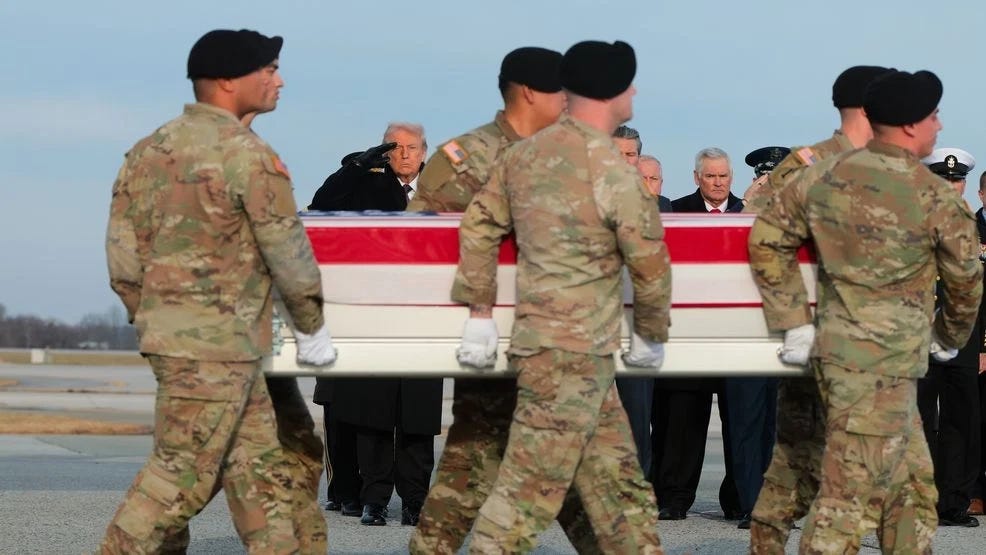
This is where the conversation needs to leave the offices of Washington and return to the battlefield.
Because politicians love discussing terrorism in abstract language.
“Threat assessment.”
“Counterterrorism.”
“Strategic objectives.”
“Regional stability.”
“National security.”
Clean words.
Safe words.
Words that never smell like smoke.
Never sound like an explosion.
Never show you a body bag.
Soldiers experience terrorism differently.
They experience it through the blast.
Through the screaming.
Through the blood.
Through the friend lying beside them.
Through the radio call that says someone is down.
Through the desperate work of medics trying to keep a human being alive.
Through the aircraft carrying wounded personnel away.
Through the funeral when the mission is over but the war continues inside the families left behind.
American soldiers experienced that.
British soldiers experienced that.
French soldiers experienced that.
Belgian soldiers experienced that.
Dutch soldiers experienced that.
Canadian soldiers experienced that.
Australian soldiers experienced that.
German soldiers experienced that.
Danish soldiers.
Norwegian soldiers.
Italian soldiers.
Polish soldiers.
And countless others.
They stood shoulder to shoulder in the fight against terrorist organizations.
They did not all agree on politics.
They did not all agree on strategy.
But they understood one thing:
The person standing beside them was their brother or sister.
That is what alliances mean at their best.
Not contracts.
Not trade agreements.
Not press conferences.
Trust forged under fire.
Every casualty report contains a number.
But there was never a number on that battlefield.
There was a person.
A son.
A daughter.
A father.
A mother.
A husband.
A wife.
A brother.
A sister.
A friend.
Someone who had a favorite song.
Someone who hated Mondays.
Someone who laughed too loudly.
Someone who loved somebody.
Someone who had plans for after the deployment.
Someone who thought they would make it home.
And some did not.
They gave the ultimate sacrifice while fighting an enemy their governments told them had to be defeated.
Some died in Afghanistan.
Some in Iraq.
Some in Syria.
Some elsewhere in the global fight against jihadist terrorism.
Some were killed in direct attacks.
Some were killed by improvised explosive devices.
Some were murdered while trying to protect others.
Some died while rescuing their comrades.
Some returned home physically alive but carrying wounds that never healed.
And then there were those who came home inside coffins.
Those men and women are heroes.
Not because war is glorious.
War is fucking horrible.
They are heroes because they answered the call.
They went into places most civilians will never see.
They accepted risks most politicians will never personally experience.
They stood between danger and their comrades.
They protected civilians.
They carried wounded friends.
They continued when they were terrified.
And when the worst happened, some gave everything.
Hail the fallen.
Every single one of them.
American.
European.
NATO.
Coalition.
Allied.
Every man and woman who stood beside another soldier and did their duty deserves our respect.
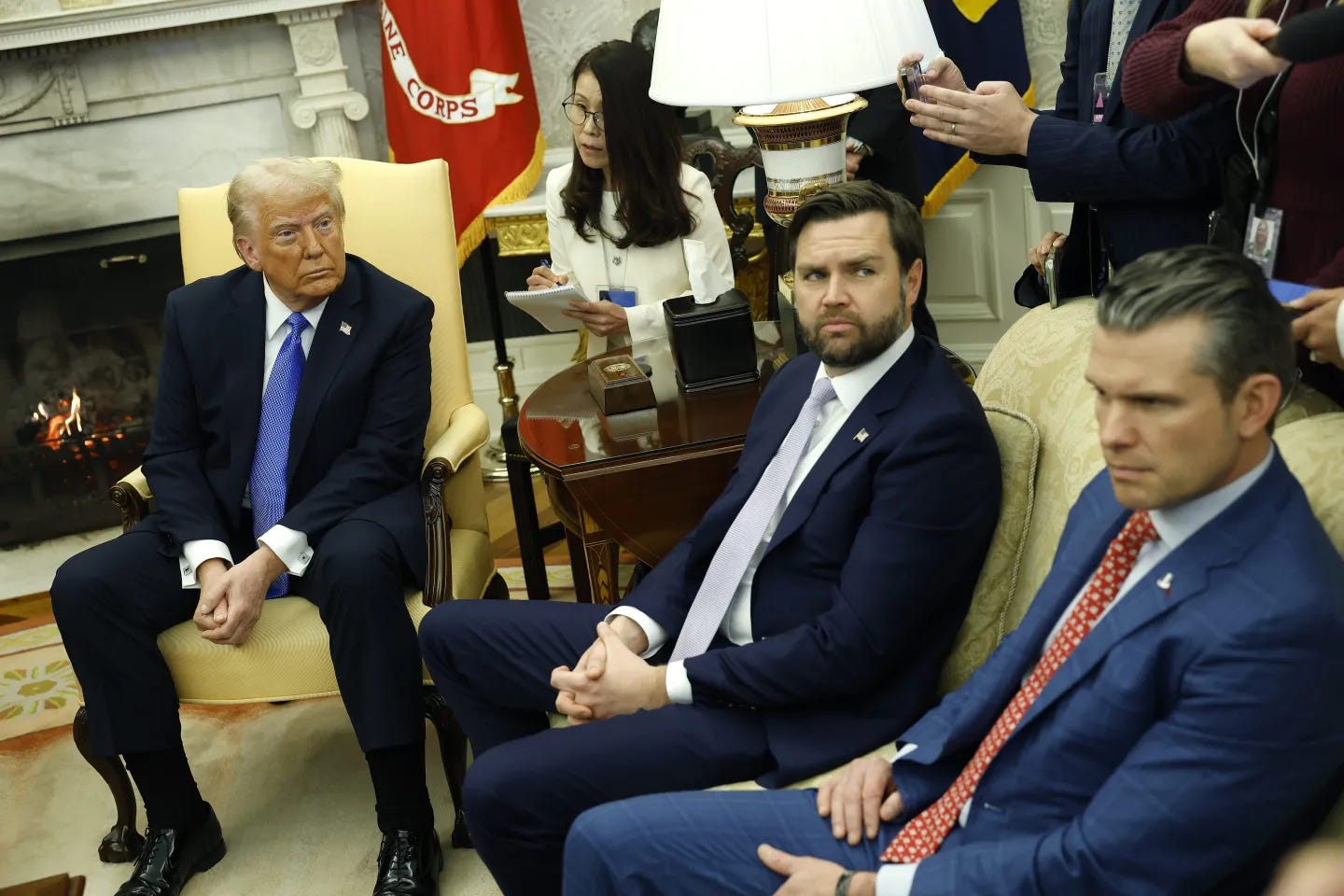
This is the part that should make every veteran furious.
Washington tells us the strategic environment has changed.
Perhaps it has.
Washington tells us Syria needs reconstruction.
Perhaps it does.
Washington says the new Syrian government has made commitments against terrorism.
Those commitments should be tested.
Washington says economic normalization can encourage stability.
Maybe.
But none of those arguments answer the most basic question:
What happened to the history?
What happened to the years in which these jihadist organizations were treated as enemies?
What happened to the intelligence files?
What happened to the counterterrorism operations?
What happened to the soldiers who spent years hunting these networks?
What happened to the families who buried their loved ones?
Are they supposed to simply shrug?
“Politics changed.”
Sorry.
That isn’t good enough.
Tell that to the family.
Tell that to the widow.
Tell that to the child.
Tell that to the veteran who still remembers the face of the person who died beside them.
Tell them that the geopolitical calculation has changed.
See how they respond.
Let’s be absolutely clear.
This is not an argument for endless war.
It is not an argument for refusing to engage Syria.
It is not an argument against rebuilding Syria.
The Syrian people have suffered enormously.
They deserve security.
They deserve functioning institutions.
They deserve reconstruction.
They deserve the chance to build a future.
And if diplomatic engagement can help achieve those things, then it should be considered.
But diplomacy does not require dishonesty.
Peace does not require historical amnesia.
Reconstruction does not require pretending that terrorism never happened.
And political normalization does not require turning former militants into spotless heroes.
That is the difference.
Talk to them if necessary.
Negotiate with them if necessary.
Test them.
Demand accountability.
Demand transparency.
Demand proof.
Demand measurable commitments.
Demand protection for civilians and minorities.
Demand cooperation against terrorism.
Demand investigations into abuses.
Demand consequences when promises are broken.
That is responsible diplomacy.
What is irresponsible is pretending that the past can simply be deleted.
This is also where Donald Trump’s approach deserves serious criticism.
Trump frequently approaches foreign policy as a transaction.
What do we get?
What do they give us?
Who has leverage?
What deal can be made?
What economic advantage can be extracted?
There is nothing inherently wrong with negotiating hard.
But foreign policy cannot be reduced entirely to a balance sheet.
Soldiers are not transactions.
Alliances are not transactions.
Sacrifice is not a transaction.
And the dead are not disposable assets that can be forgotten once the geopolitical calculation changes.
America asked its allies to fight terrorism alongside it.
They did.
They trusted Washington.
They deployed.
They fought.
They bled.
They died.
That trust has value.
And Washington should be fucking careful not to destroy it.
Because an alliance is ultimately built on the belief that when one nation asks another to share the danger, the sacrifice will be respected.
If soldiers begin believing that their governments will rewrite the meaning of their sacrifice five or ten years later, something fundamental breaks.
Think about the message this sends to terrorist organizations around the world.
If a militant organization survives long enough, changes its name, changes its structure, enters politics and becomes useful to powerful governments, what happens?
Does its history disappear?
Does its designation disappear?
Does accountability disappear?
Do the victims disappear?
That is a dangerous precedent.
The international community must never teach extremists that time alone can wash away atrocities.
Political transformation is possible.
Reconciliation is possible.
Peace is possible.
But they must come with accountability.
Otherwise, we are not building peace.
We are simply repainting the walls.
This is the part that matters most.
The fallen cannot stand in front of the White House.
They cannot appear before Congress.
They cannot give interviews.
They cannot ask Donald Trump why the people they fought are now being treated as legitimate political partners.
They cannot ask whether their sacrifice was worth it.
Their families must ask those questions.
Their comrades must ask them.
And those of us who remember must ask them.
Because the dead have no lobbyists.
They have no political machine.
They cannot defend their legacy.
We have to do it.
That means remembering their names.
Remembering their missions.
Remembering their courage.
Remembering their sacrifice.
Remembering that behind every casualty statistic was a human being.
A person.
A hero.
A brother.
A sister.
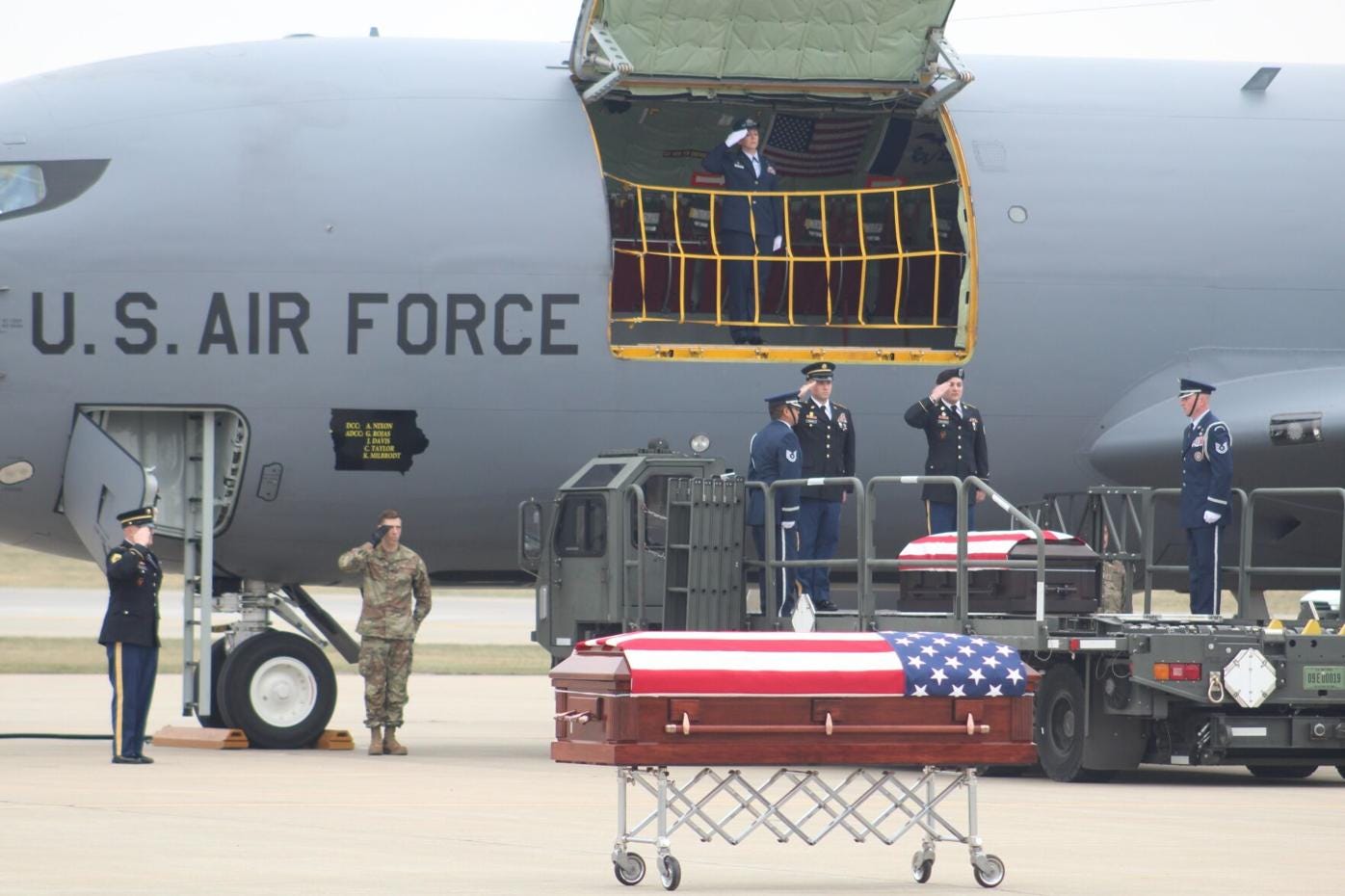
So let this be said clearly.
To every American soldier who never came home:
We remember you.
To every British soldier:
We remember you.
To every French soldier:
We remember you.
To every Belgian soldier:
We remember you.
To every Dutch soldier:
We remember you.
To every Canadian soldier:
We remember you.
To every Australian soldier:
We remember you.
To every German, Danish, Norwegian, Italian, Polish and allied soldier who stood in the fight:
We remember you.
To every medic who ran toward danger when everyone else was trying to escape:
We remember you.
To every soldier who carried a wounded comrade:
We remember you.
To every intelligence officer who spent years hunting terrorist networks:
We remember you.
To every special operations soldier who entered places nobody else wanted to enter:
We remember you.
To every soldier who came home carrying physical or invisible wounds:
We remember you.
And to every family that received the knock on the door:
We remember your sacrifice too.
These are not disposable people.
They are not historical footnotes.
They are not numbers.
They are the men and women who stood between the civilized world and some of the most brutal terrorist organizations of the modern era.
Hail the fallen heroes.
May their names never be erased.
May their courage never be diminished.
May their sacrifice never be treated as politically inconvenient.
And may their families never have to wonder whether the world has forgotten them.
There is a legitimate argument that people can change.
If Ahmed al-Sharaa has genuinely abandoned jihadism, then prove it.
If his government has genuinely rejected terrorism, then prove it.
If Syria wants international legitimacy, then earn it.
Governments should not be judged exclusively by what they say.
They should be judged by what they do.
Protect civilians.
Protect minorities.
Fight terrorist organizations.
Respect international law.
Investigate abuses.
Cooperate with international mechanisms.
Prevent extremist groups from using Syrian territory.
Stop persecution.
Build institutions.
Demonstrate accountability.
And understand that trust is not a fucking gift.
It is earned.
That is the standard.
And if Syria meets that standard, then perhaps genuine normalization can become part of a long-term peace.
But do not tell the world that history has vanished.
It hasn’t.
This is ultimately what this entire argument comes down to.
Do whatever diplomacy requires.
But don’t insult the dead.
Don’t tell veterans that their memories are inconvenient.
Don’t tell families that their losses belong to an obsolete chapter.
Don’t transform former enemies into political celebrities without explaining the transformation.
And don’t pretend that removing a designation removes the history behind it.
A government can change a classification.
It cannot change the graves.
A president can change policy.
He cannot change the names on a memorial.
A diplomat can sign an agreement.
He cannot bring the dead back.
A politician can deliver a speech.
He cannot give a child their dead parent back.
That is why the fallen deserve more than ceremony.
They deserve vigilance.
They deserve truth.
They deserve memory.
Donald Trump can change American foreign policy.
He can remove sanctions.
He can remove terrorist designations.
He can negotiate.
He can shake hands.
He can make deals.
But there is one thing he cannot do:
He cannot order us to forget.
He cannot erase the history of al-Nusra.
He cannot erase al-Qaeda’s role.
He cannot erase the years of counterterrorism operations.
He cannot erase the blood spilled by American and allied forces.
He cannot erase the funerals.
He cannot erase the empty bedrooms.
He cannot erase the children who grew up without their parents.
And he cannot erase the heroes.
So let the diplomats negotiate.
Let Syria rebuild.
Let the Syrian people have their future.
But let the truth remain.
Let the victims remain in our memory.
Let the veterans speak.
Let the families speak.
Let the fallen speak through us.
Because the alternative is unacceptable.
The alternative is allowing politicians to rewrite history whenever it becomes convenient.
And we will not fucking allow that.
We remember.
We honour.
We question.
We demand accountability.
We defend the truth.
And above all:
We hail the fallen heroes.
They stood the line.
They carried their brothers and sisters.
They faced terror.
They sacrificed everything.
Some never came home.
They deserve our eternal respect.
They deserve our gratitude.
They deserve our voices.
And they deserve a promise:
We will never forget them.
Not for a politician.
Not for a diplomatic deal.
Not for billions in reconstruction.
Not for geopolitical convenience.
Never.
Because the dead are not disposable.
Their sacrifice is not obsolete.
Their history is not ours to erase.
And their voices will continue to be heard , loud, furious and fucking impossible to silence.
Comments
Nothing yet. Say the first thing.
Sign in to join the conversation.