
I have officially entered the stage of adulthood where I look at certain grocery store products and think, Why am I still paying for this?
Why am I spending $10 on one small jar of sauerkraut when I can turn one inexpensive head of cabbage into several jars?
Why am I buying four ounces of sprouts in a plastic container when I can grow an entire 32-ounce jar for a few dollars?
And why does a basic bottle of dressing need refined oils, gums, preservatives, flavor enhancers, and an ingredient list that wraps around the label twice?
I am not suggesting that we all spend every waking hour making everything from scratch. Convenience has its place, and I still buy plenty of packaged foods. But there are certain staples that are so easy, affordable, and dramatically better homemade that I have almost completely stopped buying them.
The homemade versions give me more food for my money, better flavor, and full control over the ingredients. Some take 20 minutes. Others require little more than mixing a few ingredients in a jar and letting time do the work.
Here are 10 foods I no longer feel compelled to buy at the grocery store, plus the recipes that will teach you how to make them yourself.
1. Ranch Dressing Without the Seed Oils or Mystery Ingredients
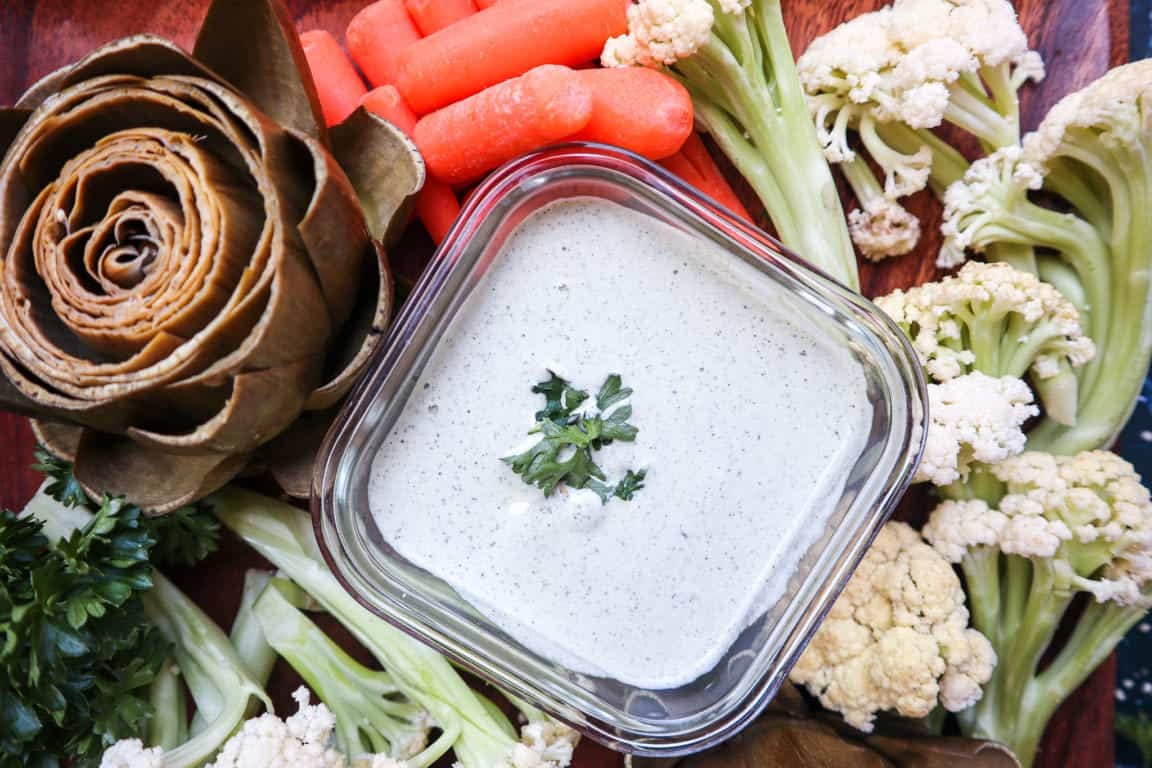
Ranch should be creamy, tangy, herby, and delicious. It should not require a lineup of refined oils, stabilizers, artificial flavors, and preservatives to accomplish that.
My homemade ranch is made without seed oils or MSG, yet it is still incredibly rich and creamy. It’s made with 5 ingredients and its dairy-free, oil-free, and sugar free so just about anyone can enjoy it.
Hemp seeds create the base while adding plant-based protein, minerals, and omega-3 fatty acids. I use it on salads, bowls, wraps, roasted vegetables, and anything else that needs a generous drizzle of ranch.
Once you realize how quickly dressing comes together in a blender, paying for watered-down bottled ranch becomes much less appealing.
Make it: Vegan Ranch Dressing Recipe
2. Homemade Gatorade Without Red 40, Yellow 5, or Blue 1

Yes, it’s so easy to make you’re own homemade electrolyte drink and so much better for you too! My blue “gatorade” electrolyte drink helps replenish fluids and electrolytes without the neon food dyes, artificial flavoring, or excessive sweetness found in many conventional options.
It is especially useful after a workout, during hot weather, or anytime plain water is not quite cutting it. I make a big batch and keep it in the fridge to drink for a couple of days.
You do not need a fluorescent blue drink to hydrate properly. You need water, electrolytes, and a reasonable source of carbohydrates. That is much easier to recreate at home than the sports drink industry would have us believe.
Make it: Homemade Gatorade Blue Recipe or Citrus Electrolyte Drink Recipe
3. Chocolate Granola Made With Real Cacao && Naturally Sweetened - No Processed Sugars,Glyphosates, or Synthetic Preservatives
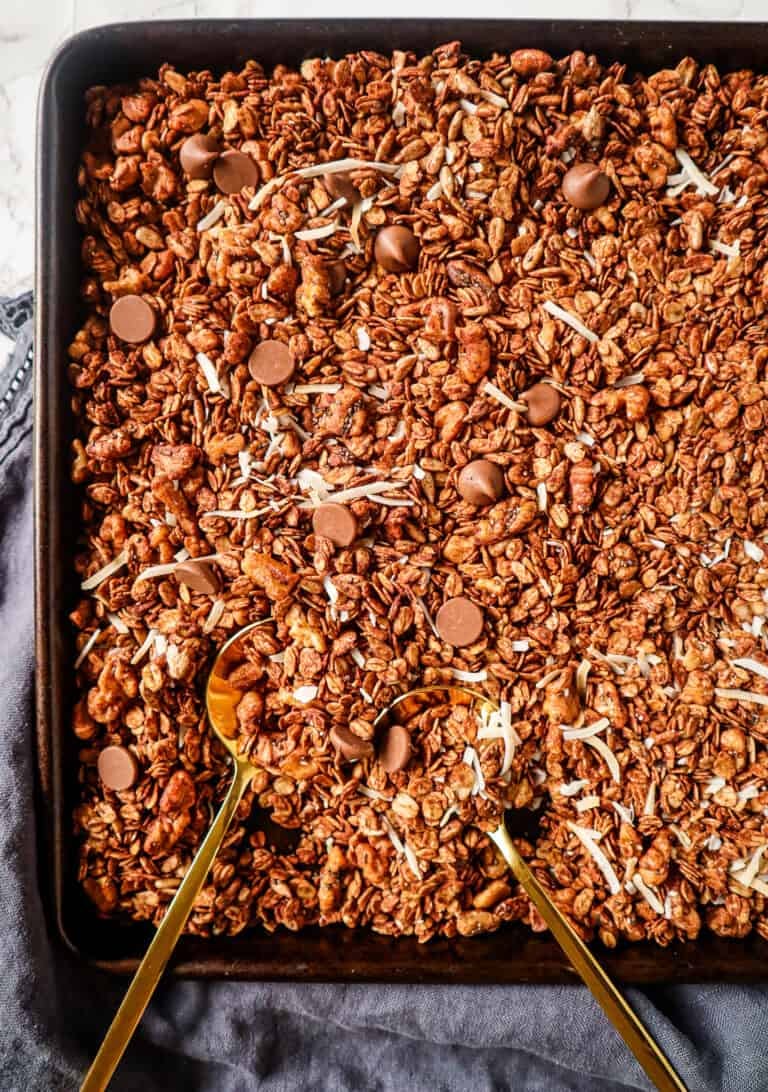
I love chocolate. I have no desire to pretend otherwise. What I do not love is buying “healthy” chocolate granola only to discover that sugar, syrup, or oil appears near the top of the ingredient list.
My homemade chocolate granola is made with unsweetened cacao powder, giving it a deep chocolate flavor without requiring cups of added sugar. Cacao also provides minerals such as magnesium and iron, along with naturally occurring antioxidant plant compounds.
It is crunchy, rich, and perfect over yogurt, with milk, or eaten directly from the jar when the chocolate craving hits.
This is not about removing joy from food. It is about making chocolate granola that tastes indulgent while still offering fiber, healthy fats, and real nutritional value.
Make it: Healthy Chocolate Granola Recipe
4. Sprouts Without the Tiny Plastic Container and Ridiculous Price Tag
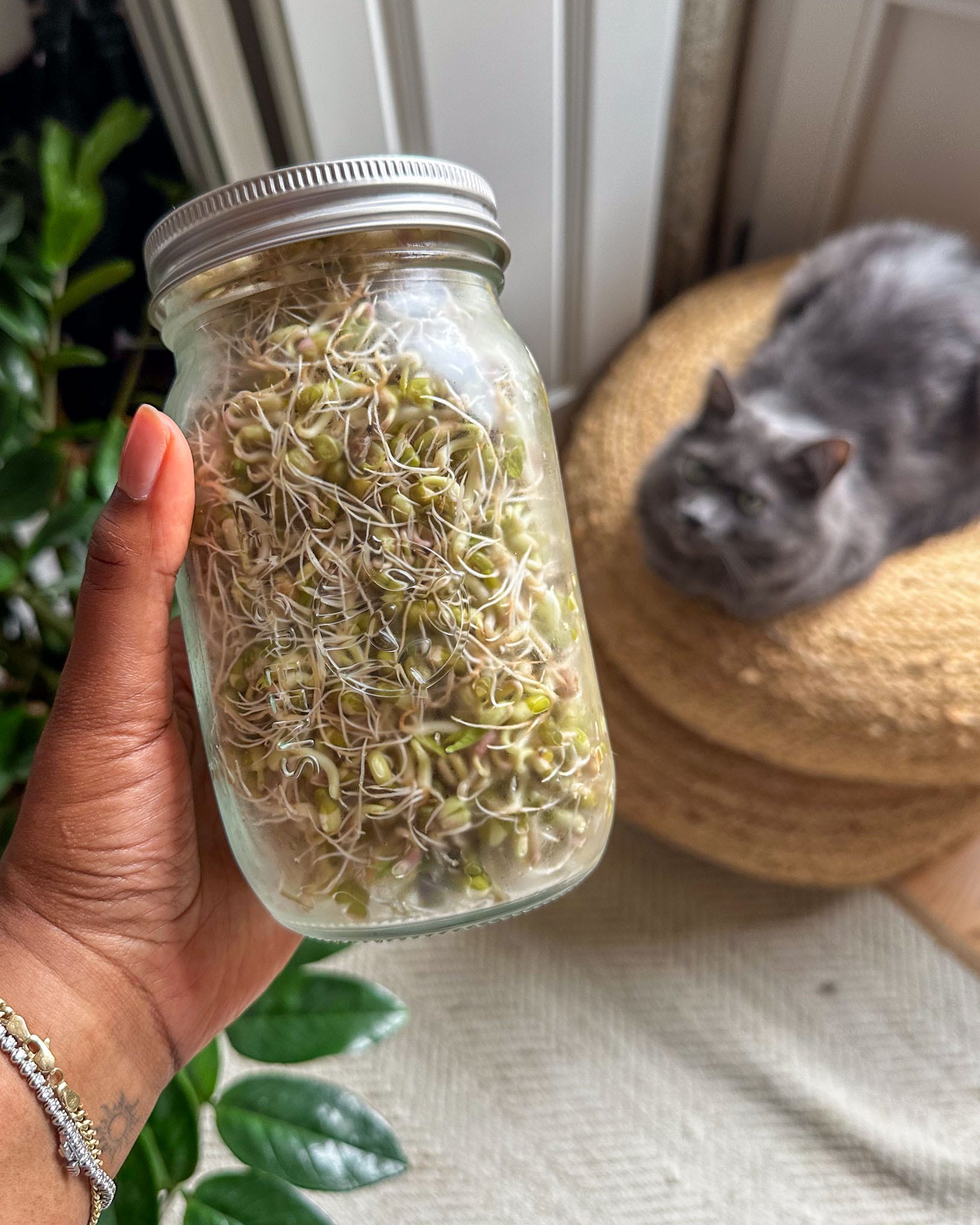
Store-bought sprouts are one of the greatest grocery-store markups hiding in plain sight. You get a tiny four-ounce package that must be eaten almost immediately, and somehow it costs several dollars.
Meanwhile, a small amount of dried seeds or beans can grow into an entire 32-ounce jar of fresh sprouts at home. All you need is a jar, water, and a few minutes of attention each day. I have made broccoli sprouts and mung bean sprouts, and I add them to salads, wraps, sandwiches, eggs, bowls, and stir-fries. They are crunchy, fresh, and incredibly satisfying to grow.
Watching a nearly empty jar transform into one overflowing with food never gets old. You get far more sprouts for significantly less money, and they do not sit in plastic packaging losing freshness before you bring them home.
Make them: Here Is A Beginner-Friendly Sprouting Kit (not an affiliate link, just a cool affordable kit)
5. Sauerkraut Because One Head of Cabbage Can Make Several Jars
I have seen jars of raw sauerkraut sell for close to $10 each.
Ten dollars. For cabbage and salt. I love high-quality fermented foods, but that price becomes difficult to justify once you learn how uncomplicated sauerkraut is to make at home.
One head of cabbage can produce several jars. From there, I can customize each batch with beets, ginger, garlic, carrots, herbs, or spices. And because it is naturally fermented rather than simply soaked in vinegar, properly prepared sauerkraut can contain live cultures produced during fermentation.
6. Lacto-Fermented Pickles That Are Crunchy and Actually Fermented
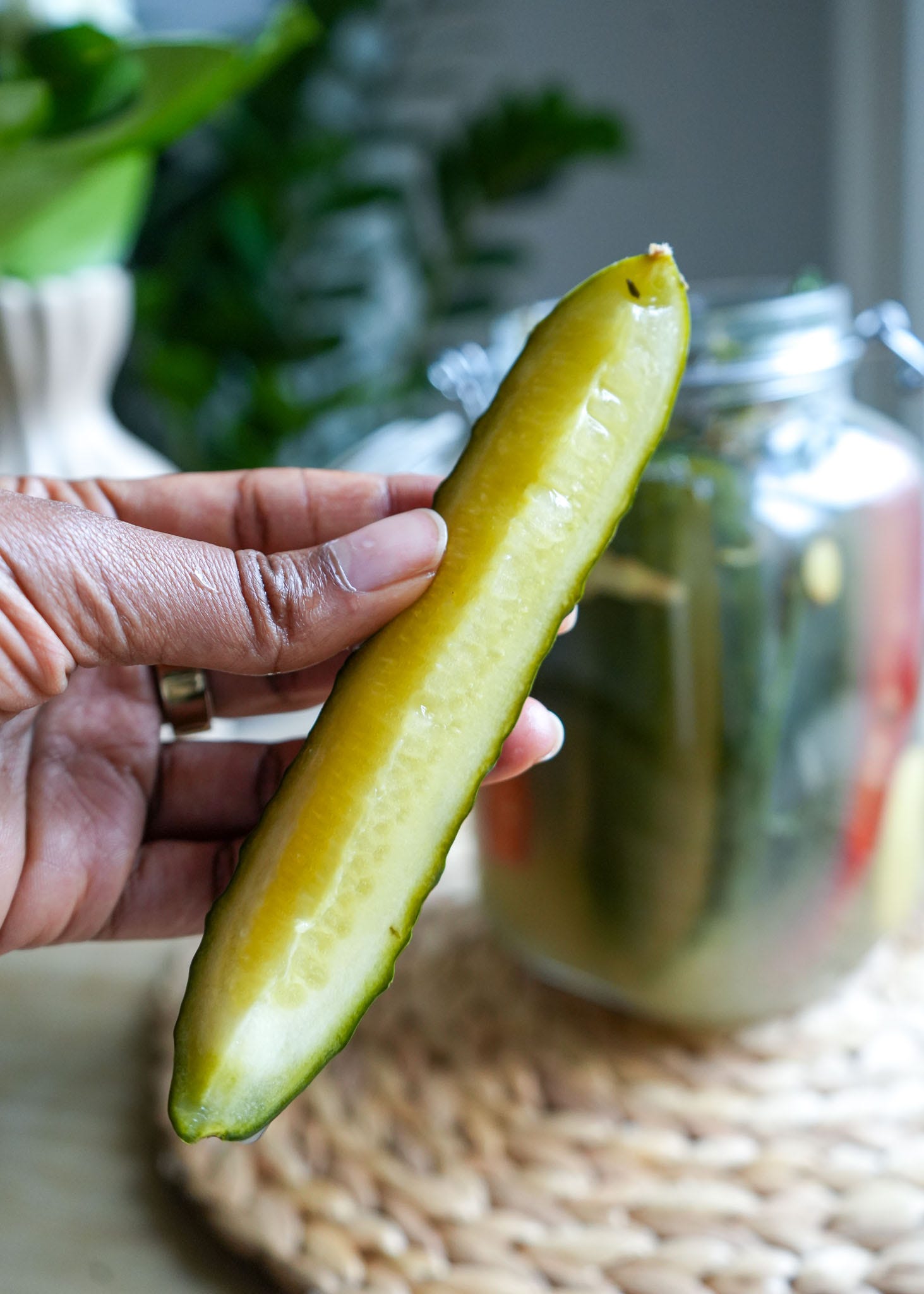
Not all pickles are fermented. Many grocery-store pickles are cucumbers preserved in vinegar. They can still be delicious, but they are not the same as cucumbers transformed through lacto-fermentation.
My pickles ferment in a simple saltwater brine, allowing lactic-acid bacteria to develop naturally. The process creates their signature tangy flavor and can provide live cultures when the pickles are properly fermented and stored.
After plenty of experimenting, I have found that around three days is my sweet spot. They become tangy while staying extra crunchy, rather than soft and overly sour.
Once you get the salt ratio and timing right, fermented pickles are one of the easiest foods to stop buying.
Make them: Lacto-Fermented Pickles Recipe
7. Buckwheat Bread Because Most Gluten-Free Bread Is Deeply Underwhelming or Void of Nutrients
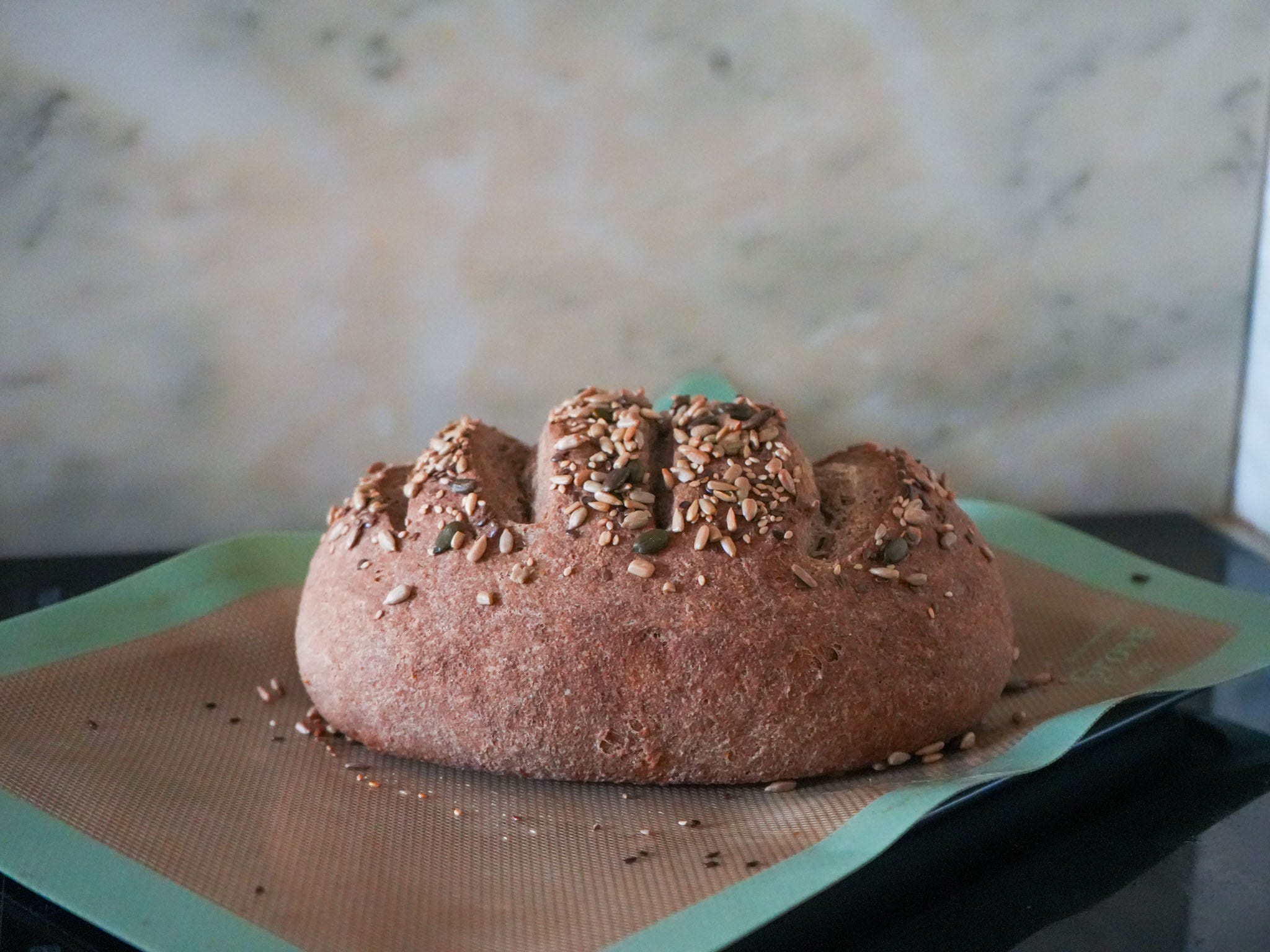
I got tired of paying too much for gluten-free bread that was tiny, dry, nutritionally unimpressive, or destined to fall apart the moment I tried to toast it. So I started making my own.
My buckwheat bread has the deep, earthy flavor of rye bread, yet it is completely gluten-free. It is hearty without being overly dense, has a satisfying chew, and toasts beautifully.
Each slice provides approximately 7 grams of protein and 8 grams of fiber, making it far more substantial than many packaged gluten-free breads.
Make It: Buckwheat Bread Recipe
8. Granola Bars Made With Clean Ingredients (~10g Protein + ~8g Fiber per bar)
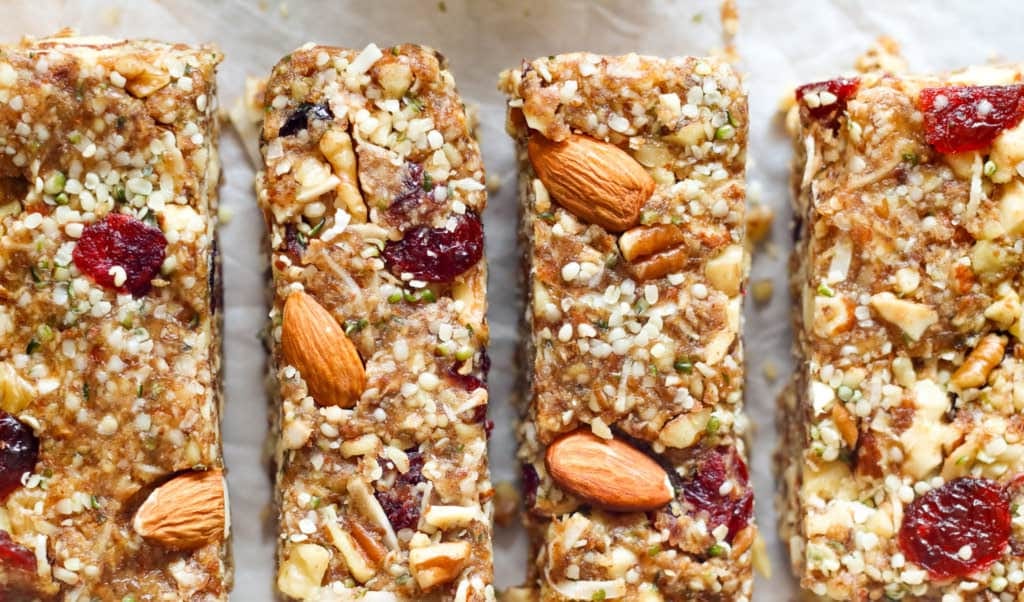
A granola bar can have oats on the packaging, a scenic mountain in the background, and the word “natural” printed across the front while still being little more than a cleverly marketed dessert.
Many packaged bars contain multiple sweeteners, refined oils, syrups, fillers, and very little of the protein or fiber needed to make them satisfying.
My grain-free granola bars are made with only eight ingredients. They are naturally sweetened with Medjool dates, require no baking, and are filled with nuts and seeds. They are chewy, portable, and substantial enough to function as an actual snack instead of leaving me hungry 20 minutes later.
Make It: Grain-Free Granola Bars
9. Barbecue Sauce Without High-Fructose Corn Syrup or Modified Cornstarch
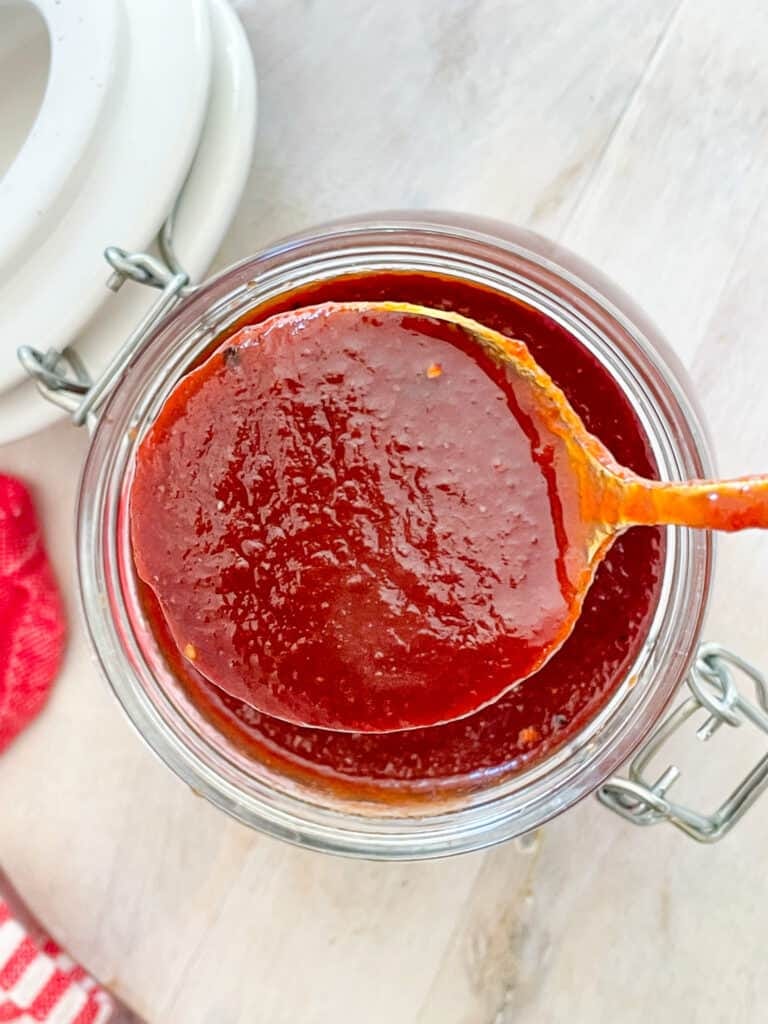
I stopped buying barbecue sauce once I realized I could make a better version at home in about 20 minutes. My homemade barbecue sauce is smoky, tangy, slightly sweet, and made without high-fructose corn syrup or modified food starch. The flavor is richer, fresher, and much easier to customize than most store-bought options.
I can make it sweeter for chicken, smokier for beef, spicier for wings, or extra tangy for pulled meat. Once you have the basic recipe, you can adjust it to fit whatever you are cooking.
Make It: Homemade BBQ Sauce
10. Homemade Applesauce, Plus the Chia Seed Trick Everyone Is Trying
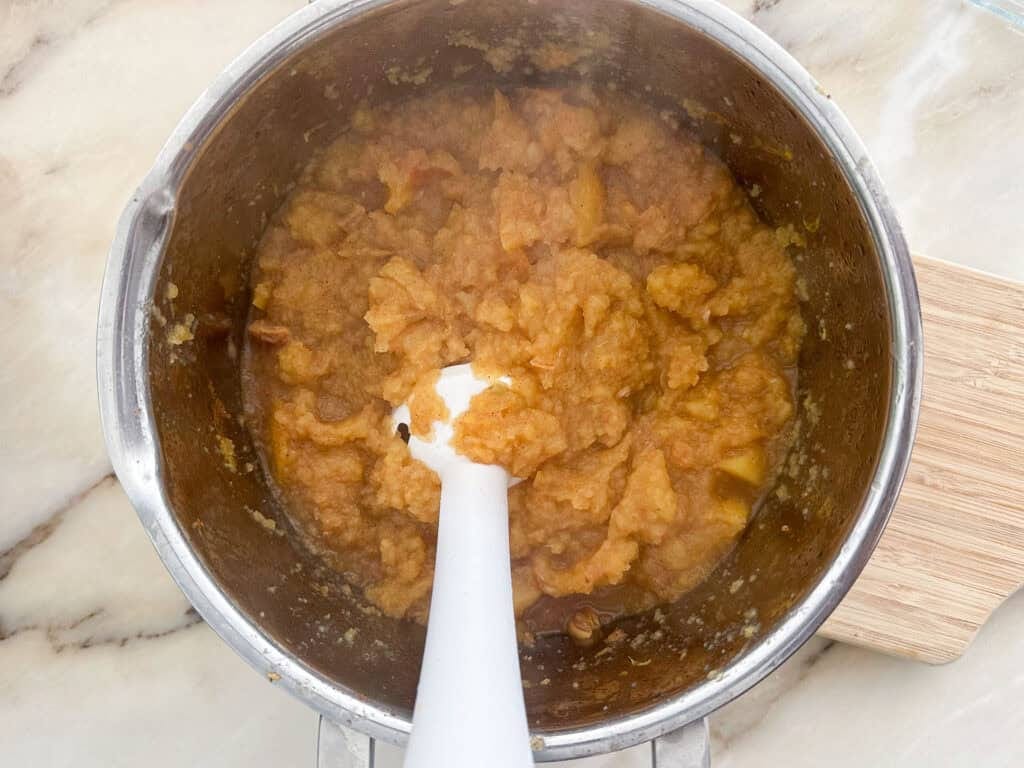
There is a TikTok trend right now where people stir chia seeds into applesauce to make a quick, fiber-rich snack that helps keep digestion moving.
Honestly, it makes sense. Apples already contain fiber, especially pectin, and chia seeds add even more fiber while thickening the applesauce into an almost pudding-like texture. But instead of starting with a heavily sweetened store-bought cup, I would rather make the applesauce myself.
My homemade version is naturally sweetened with dates, which add a rich caramel-like flavor along with additional fiber. It is already a simple, fruit-based snack that can help support regular digestion, but you can absolutely stir in chia seeds if you want to give it an extra boost.
Try adding 1 to 2 teaspoons of chia seeds to a serving, then let it sit for about 10 minutes so the seeds have time to soften and thicken the applesauce.
Homemade also means I control exactly how sweet it is and can skip the added cane sugar, syrups, artificial flavors, and unnecessary ingredients found in some flavored varieties. I enjoy it on its own, spooned over yogurt or oatmeal, used in baking, or warmed with cinnamon when I want something cozy.
Make It: Homemade Applesauce Recipe
A More Affordable (And Healthier) Way to Stock the Kitchen
Groceries are expensive, and I know making everything from scratch is not realistic for everyone. Time, energy, access, and budget all matter.
But for the staples you use often, making a few things at home can help stretch your grocery budget a little further. One head of cabbage can become several jars of sauerkraut. A small amount of sprouting seeds can fill an entire jar. Recipes like dressing, granola bars, applesauce, and barbecue sauce can often make more for less while also giving you control over the ingredients.
This is not about adding more pressure or making every meal from scratch. It is about finding a few simple swaps that feel worth it for your household.
Start with one recipe from this list and see what works for you. Then tell me in the comments which grocery-store staple you are ready to make at home. 🩷
Comments
Nothing yet. Say the first thing.
Sign in to join the conversation.