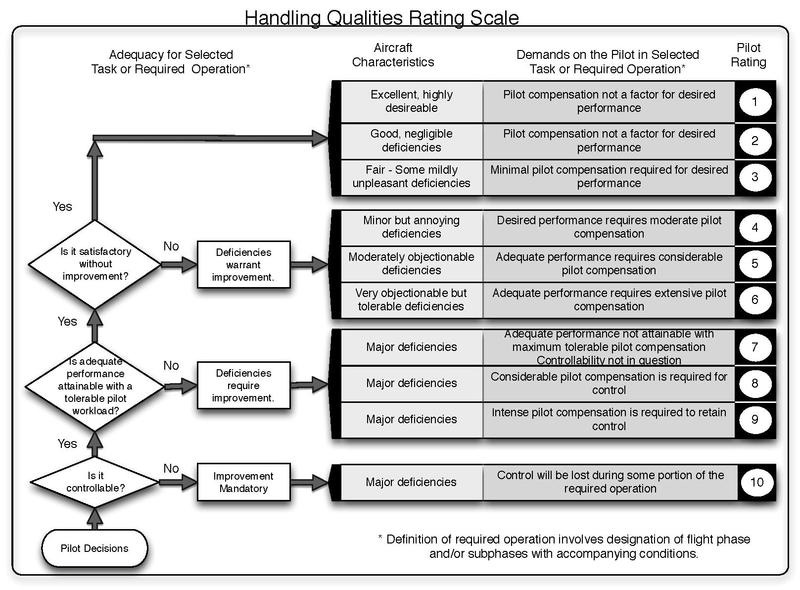
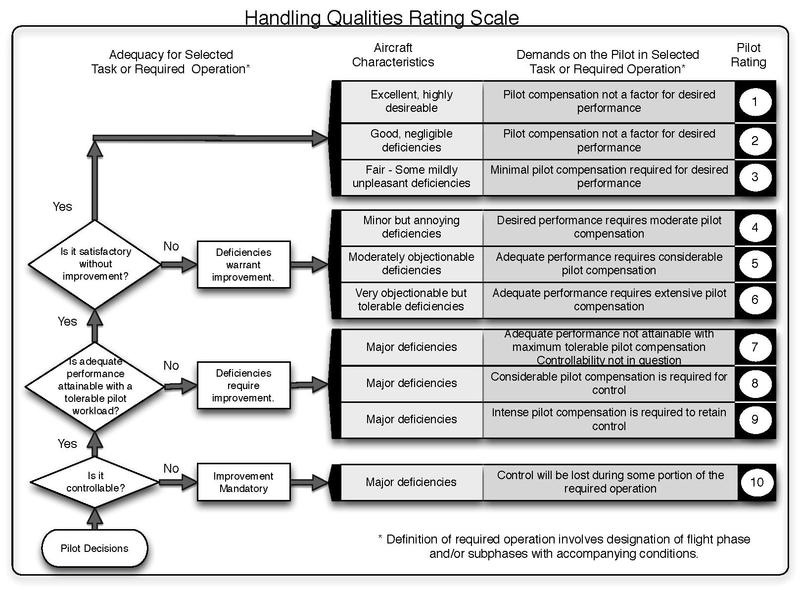
If you have ever rated something using a "5 star" system, you have used an ordinal scale.
Similar to the nominal scale, elements are labeled. These labels, however, can be sorted. The sorting can be by numbers, letters, or anything else that can be ordered.
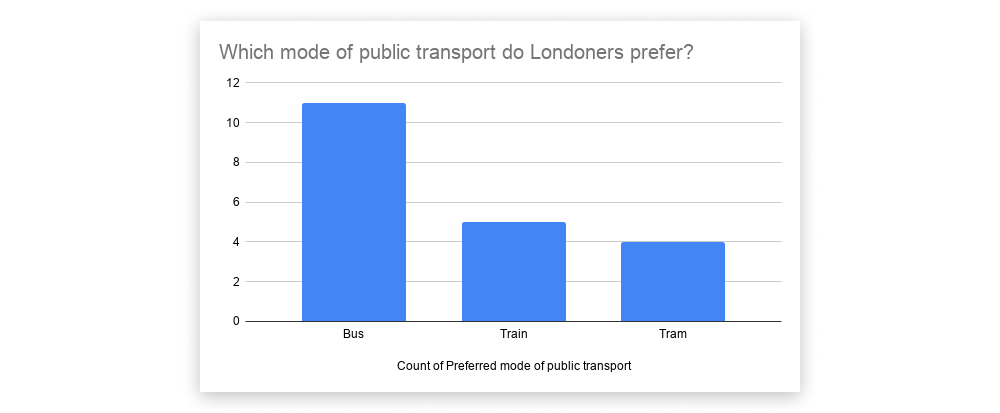
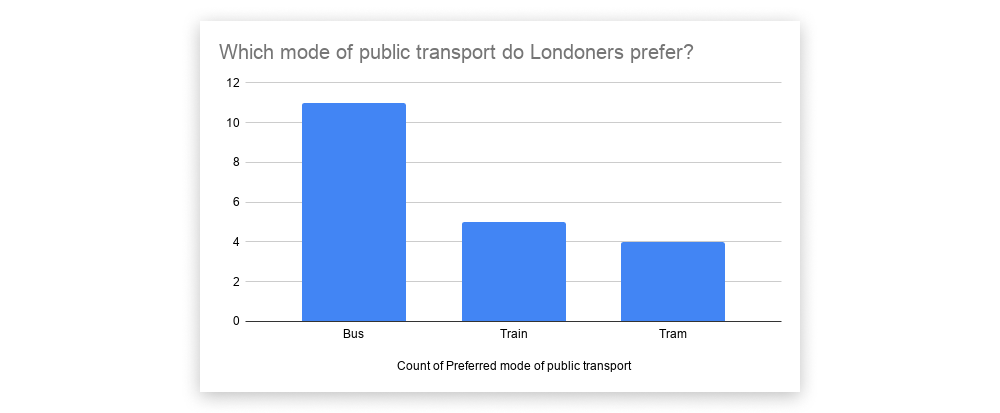
NOTE Ordinal scales CANNOT be averaged in any meaningful way. To communicate the values of an ordinal scale, it's best to just use a bar chart to indicate counts.
Be like Drake
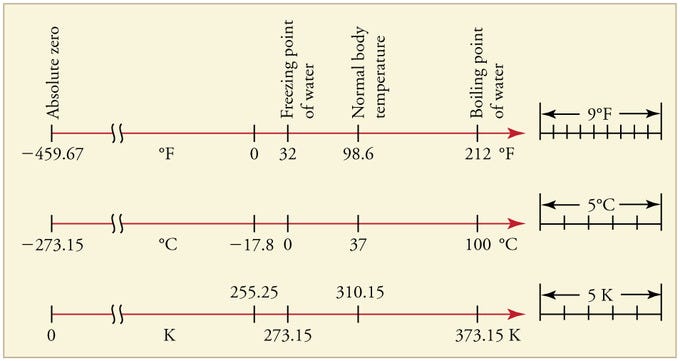
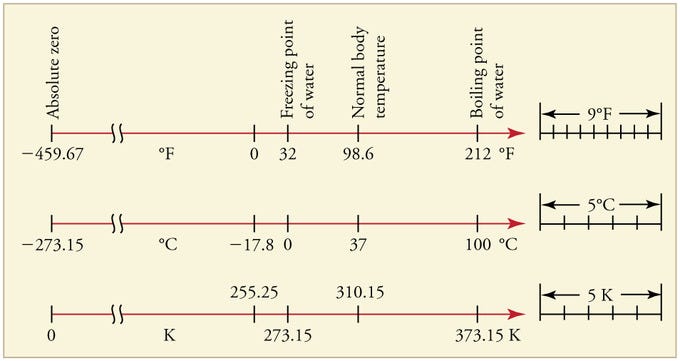
If you have ever talked about the temperature outside when looking at the weather, you have used an interval scale, whether Fahrenheit or Celsius.
Distance: Fixed distance between units, arbitrary distance from zero
Operations: Labeling, Counting (See Countability below), Sorting, Addition/Subtraction
NOTE Because "zero" is arbitrary in an interval scale, multiplication and division are not defined. "100℉" is not "twice as hot as 50℉"
If you have ever had school work graded on a scale of 0 to 100, you have experienced a ratio scale. A 90 is twice as many points as a 45, because "zero" has meaning. Therefore, elements of the scale can be multiplied and divided in meaningful ways.
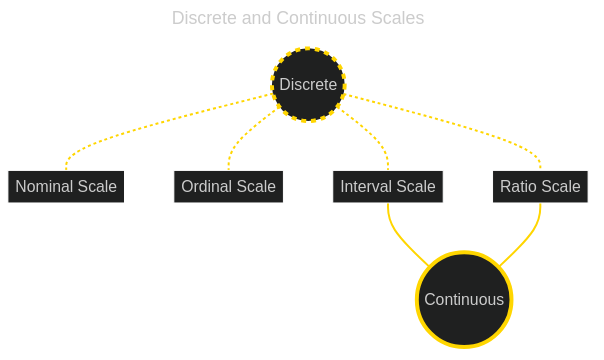
All four of the scales can use discrete values, but only interval and ratio scales can meaningfully use continuous values.
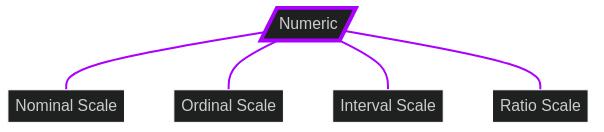
Numeric: Associated with "numbers"
Often, nominal and ordinal are not considered "numeric" scales, however, numbers can be used as labels for all four of the scales.
When numbers are applied to a nominal scale, they do not imply a numeric value, just a unique identifier, in the sense that "1" is distinct from "2."
When numbers are applied to an ordinal scale, they do not imply anything other than a sortable sequence, in the sense that "2" is "between" "1" and "3", but NOT that "2" is "twice" "1".
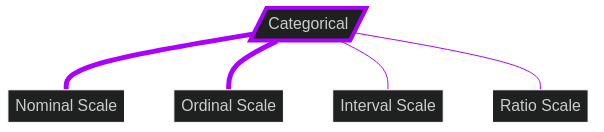
Categorical: associated with "categories"
Often, categorical is solely associated with nominal data, but more broadly, categories may be assigned that can be used on any of the four scales.
The arithmetic operations are addition/subtraction and multiplication/division.
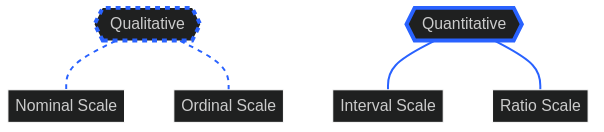
Qualitative: no arithmetic operations may be meaningfully applied to the elements of the scale
Quantitative: some arithmetic operations may be meaningfully applied to the elements of the scale
However, once items are labeled and counted, their counts are quantitative. So just because nominal and ordinal scales are composed of elements that are qualitative, the results of grouping items labeled with the scale elements can be quantitative









Comments
Nothing yet. Say the first thing.
Sign in to join the conversation.