

If you stop to consider fragrance, our minds usually drift to notes of fresh citrus, delicate florals, or deep woods – scents crafted for luxury, personal expression, and perhaps a special occasion. But what about a busy day at the workshop?
In 2023, MSCHF, a Brooklyn-based art collective renowned for creating viral and often provocative products, launched a cologne officially titled ‘Smells Like WD-40’. This fragrance is genuinely designed to smell exactly like the ubiquitous industrial lubricant.
Their creation stages the ultimate juxtaposition: the familiar scent of a workshop masquerading as your everyday fragrance. It unites two ideas that, in any traditional sense, would never meet. MSCHF took something as utilitarian and mundane as WD-40 and elevated it to a wearable, aspirational, and purchasable item at a premium price point of $48.
Reviews confirmed its authentic aroma, with notes described as metallic, oily, smoky, rubbery, and even a surprising underlying sweetness or vanilla. Some reviewers even suggested the fragrance felt so surprisingly familiar to them that it achieved an ultimate sense of unexpected connection and comfort.
Remarkably, the official WD-40 Brand itself embraced their creation, commenting ‘smells like getting $#!% done right’.
See a reviewer’s take on it here
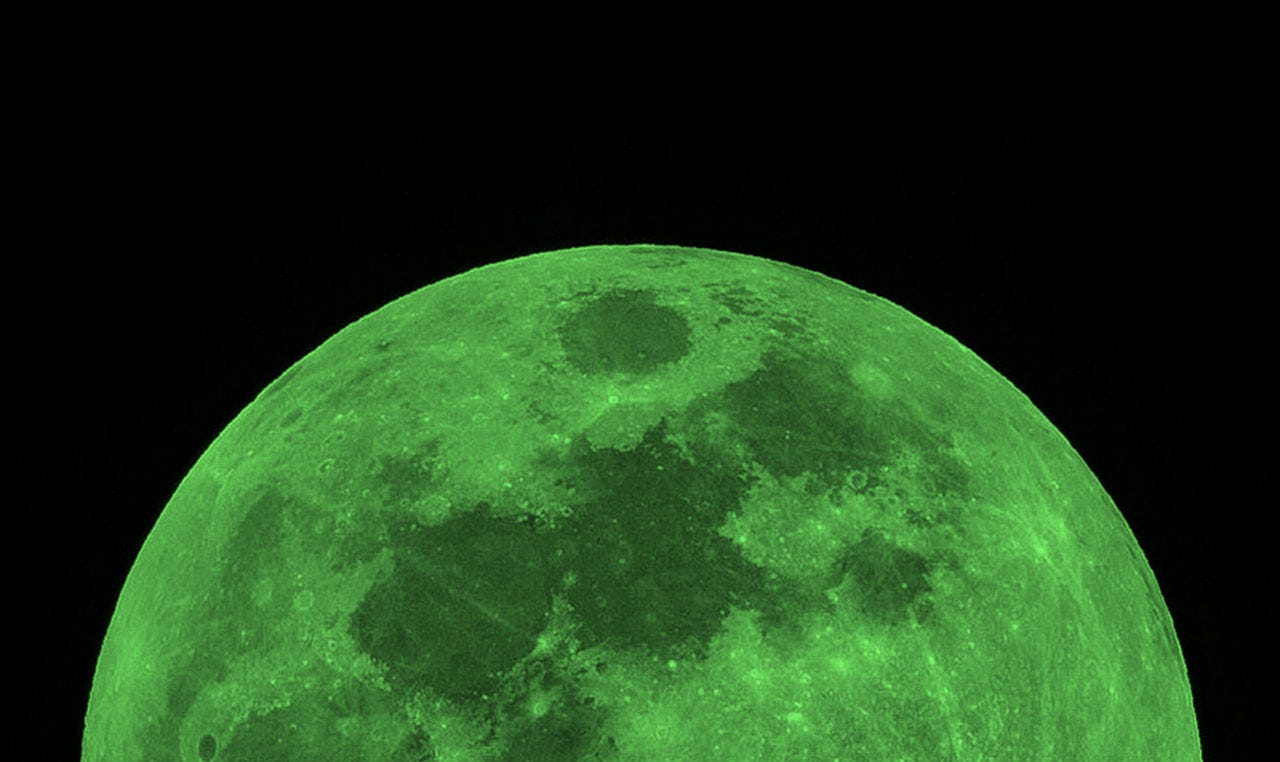
Apparently the chemistry of planetary and interstellar space produces a bouquet of unusual aromas – if only there were air in space in which to smell them. This paradox sets the stage for what many astronauts report: a distinct and peculiar scent that clings to their suits and equipment upon returning from spacewalks.
Astronauts consistently describe this “smell of space” with notes that are surprisingly earthly yet unique. Common associations include hot metal, welding fumes, burnt steak, or even gunpowder. Some perceive it as an acrid ozone-like scent, while others have reported a sweet metallic sensation.
This experience highlights that what they ‘smell’ isn’t solely about airborne molecules in a vacuum, but rather about the chemical reactions that occur when particles from space adhere to suits and react with the air inside the spacecraft.
Our brains have a knack for taking even the most unconventional inputs and cleverly making sense of them. A reminder that sometimes the most memorable sensations come from unexpected places – or no place at all.
Discover more about the Smell of Space
Image © Mike Petrucci
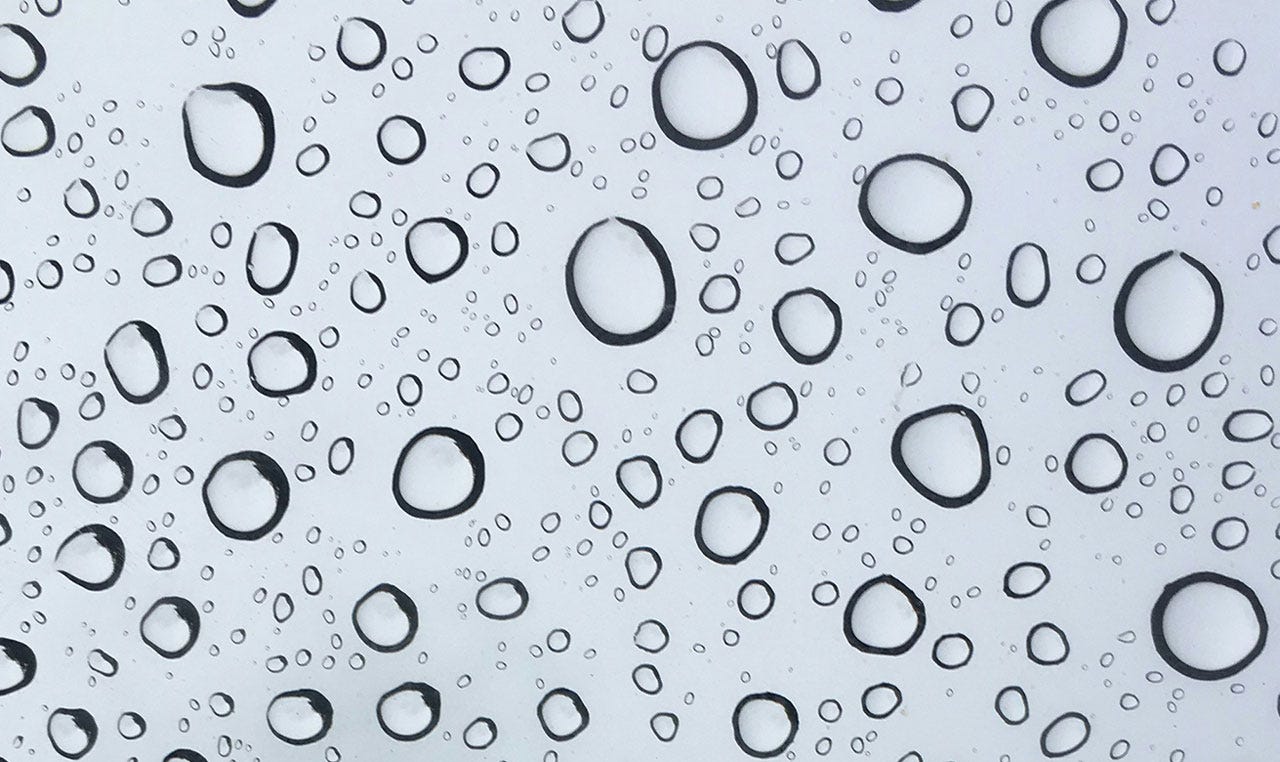
Few scents are as universally recognised and evocative as the earthy aroma that follows a dry spell of rain hitting parched ground. This captivating smell has a name: Petrichor.
Both the name and the scientific explanation were coined in 1964 by two Australian researchers, Isabel Joy Bear and Richard Grenfell Thomas. They discovered that when rain falls, the smell derives from a specific oil exuded by certain plants that is then released into the air along with a compound called geosmin.
Our human nose is incredibly sensitive to geosmin, capable of detecting it at concentrations as low as 0.4 parts per billion. This extreme sensitivity has led some scientists to hypothesise that we might appreciate the rain scent because our ancestors relied on rainy weather for survival. Perhaps it’s a bit like our modern-day sensitivity to the waft of a chip shop on a Friday night!
Set the Met Office’s explanation
Image © Moises Carranza
No posts
Comments
Nothing yet. Say the first thing.
Sign in to join the conversation.