
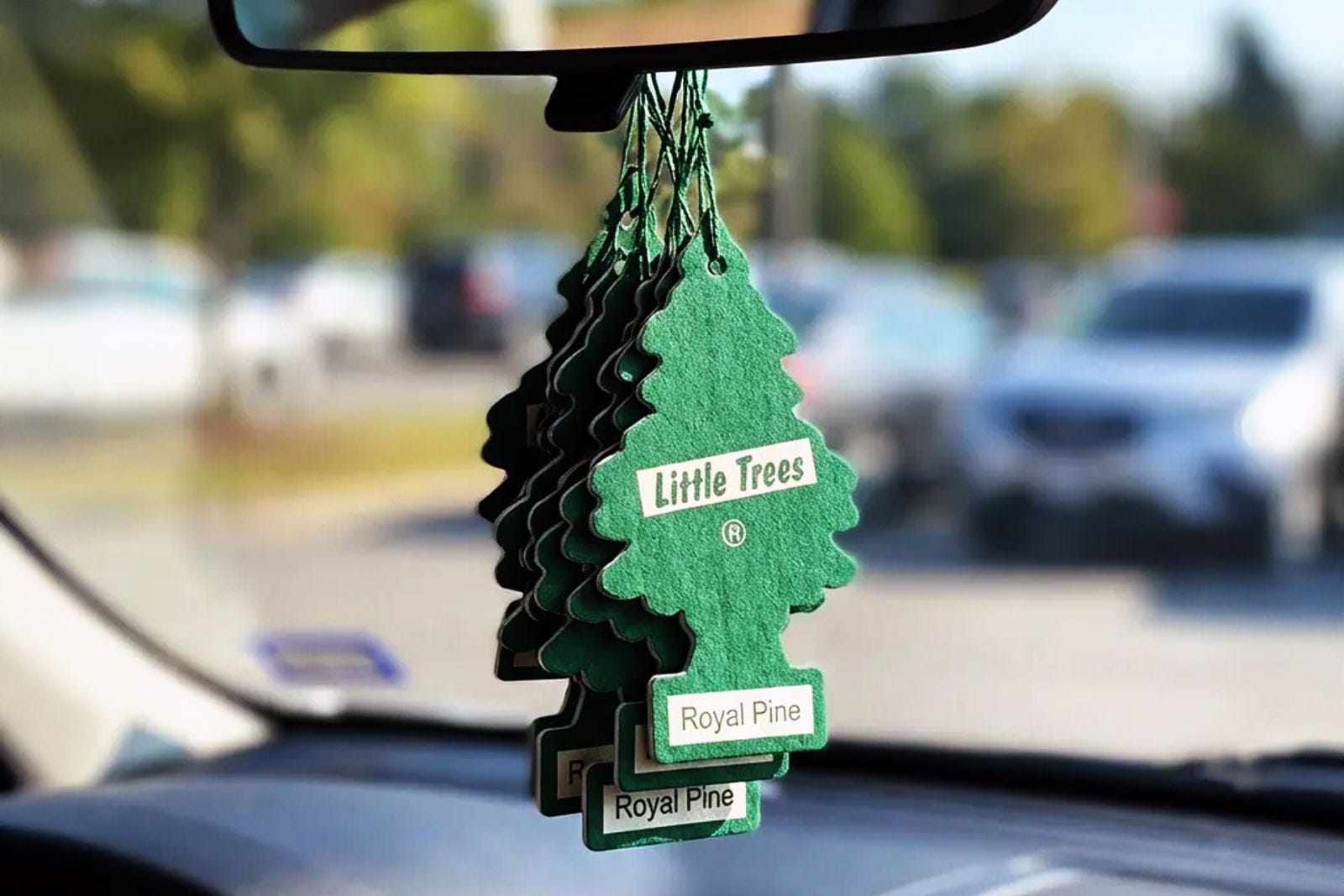
The Christmas tree is the ultimate holiday cornerstone, but it’s also a masterclass in tradition-by-repurposing. Long before tinsel and angels, Northern Europeans were bringing evergreens indoors to ward off evil spirits and symbolise eternal life during the bleakest months. It was an ancient ritual that was eventually adopted by 16th-century German Lutherans.
However, it wasn’t a global must-have until Queen Victoria and Prince Albert were illustrated gathered around a decorated tree with their children. By adopting this German custom, the Royals offered a glimpse into their private family life, rebranding the monarchy as the ultimate relatable household. It was a masterclass in soft power, turning an ancient ritual into the must-have domestic accessory for the modern age.
The tree’s journey proves that the most enduring traditions are often just clever bits of branding that stood the test of time. So, as you’re untangling the fairy lights, remember that you’re essentially just keeping up with the 19th-century Joneses.
The influence of the London Illustrated News
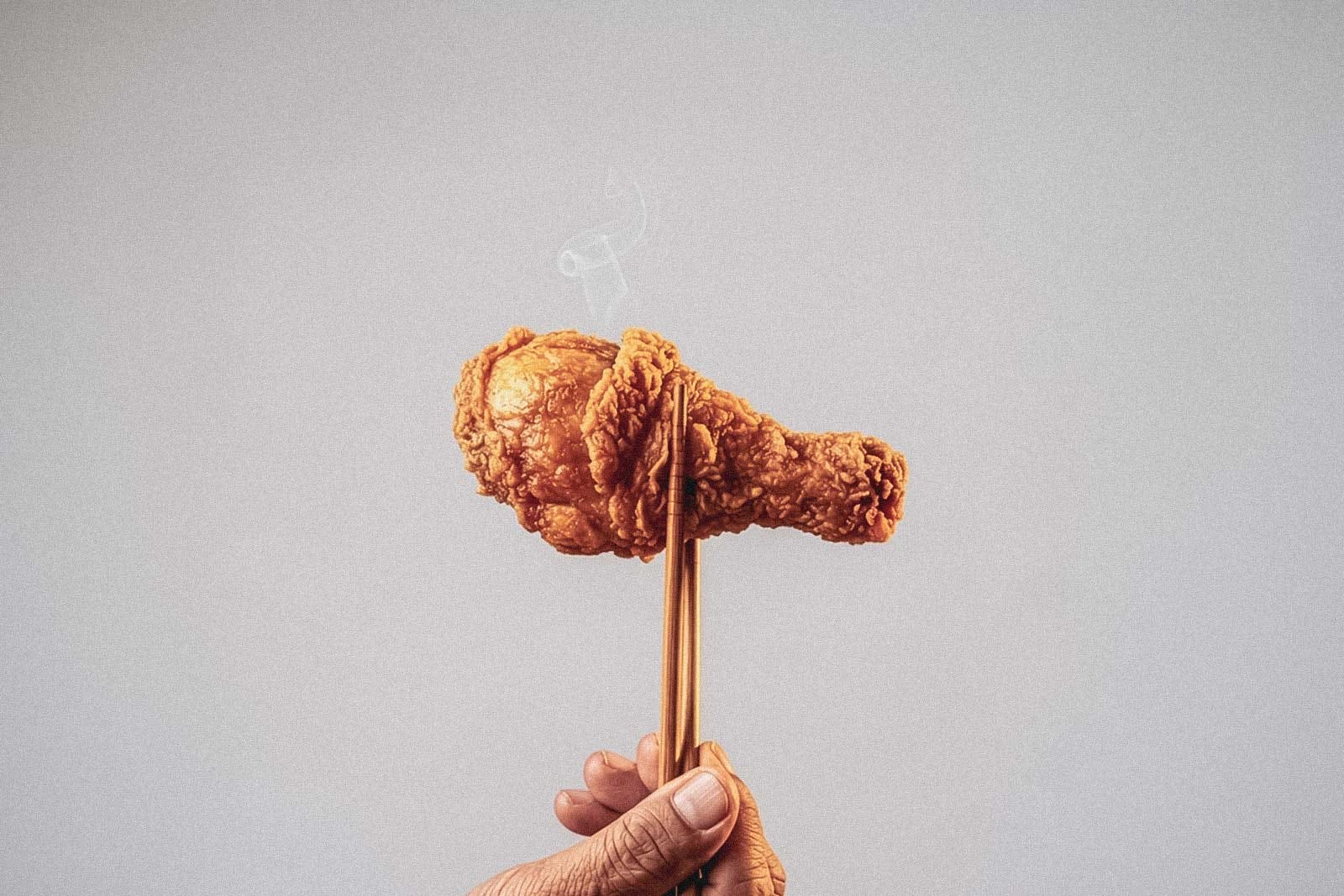
For many of us, the traditional Christmas dinner means turkey, ham, or goose. But in Japan, often the most celebrated festive meal is a large bucket of fried chicken from KFC. This peculiar tradition isn’t born from deep history or spiritual significance; it’s the result of a decades-long marketing campaign entitled “Kurisumasu ni wa Kentakkii!” (Kentucky for Christmas!)
Back in 1974, KFC launched this campaign, capitalising on the scarcity of traditional Western Christmas elements in Japan. They didn’t try to fit in; they created an entirely new tradition out of nothing. By positioning a bucket of chicken as the simple, accessible centrepiece for a Western-style party, they found a cultural shortcut that instantly filled a gap in the national holiday calendar.
This is the pure definition of strategic cultural creation: a remarkably simple product used to deliver a nostalgic, and entirely new celebratory ritual. The scarcity of established Christmas traditions was the crucial constraint, allowing a multinational fast-food chain to become the most important fixture of a major holiday. Can someone pass the sushi?

We associate Santa Claus as a jolly man in a billowing red suit riding a sleigh loaded with presents, but this standardised image is not as old as you might think. For centuries, the visual identity of St. Nicholas or Father Christmas was fluid. He could be found wearing a wide variety of colours, including green, blue, tan, or even just a simple fur-trimmed cloak. There was no brand consistency across the festive season.
His aesthetic really began to solidify in the 19th century, largely due to the work of the cartoonist Thomas Nast. He spent decades illustrating Santa, gradually leaning into the image of a bearded man in a signature red coat and hat. His persistent illustrations set the basic template for the modern icon long before the rise of advertising. He proved that to create a global figure, you just need relentless, repeatable imagery.
The big festive myth is the belief that this red suit was the sole invention of Coca-Cola’s advertising campaigns in the 1930s. While Coke certainly cemented the modern image and made Santa a global, accessible figure, they were simply clever appropriators, capitalising on the red aesthetic already established by Nast and various European traditions. Sometimes, being the first isn’t as important as being the one who makes it go viral. A great idea is a great idea, even if it was technically borrowed.
No posts
Comments
Nothing yet. Say the first thing.
Sign in to join the conversation.