

The challenge of creating the first truly accessible computer interface fell to designer Susan Kare, a visual artist hired in the early 1980s to create the graphics for the original Apple Macintosh. Her job was to solve the communication problem of how to take the complex, coded language of the machine and give it an intuitive, friendly face that anyone could understand.
Kare’s method was brilliant because it ignored the technology completely. Instead of digital rules, she drew inspiration from real-world, analog objects. She’d sketch symbols, gestures, and even human emotions by hand on graph paper. She was forced to treat each icon like a piece of digital mosaic art, translating familiar items like stationery and a smile onto a tiny, rigid 32x32 pixel grid.
This severe limitation proved to be her creative catalyst. Because she couldn’t rely on complex graphics, her designs had to be instantly and universally recognisable. This constraint has given us timeless icons like the original ‘Happy Mac’ startup face, the command key cloverleaf, and the trash can, proving that bringing a human touch to a limitation can create a language that endures.
She proved that success is making your constraints your entire language.
Image © Susan Kare, Apple Inc.
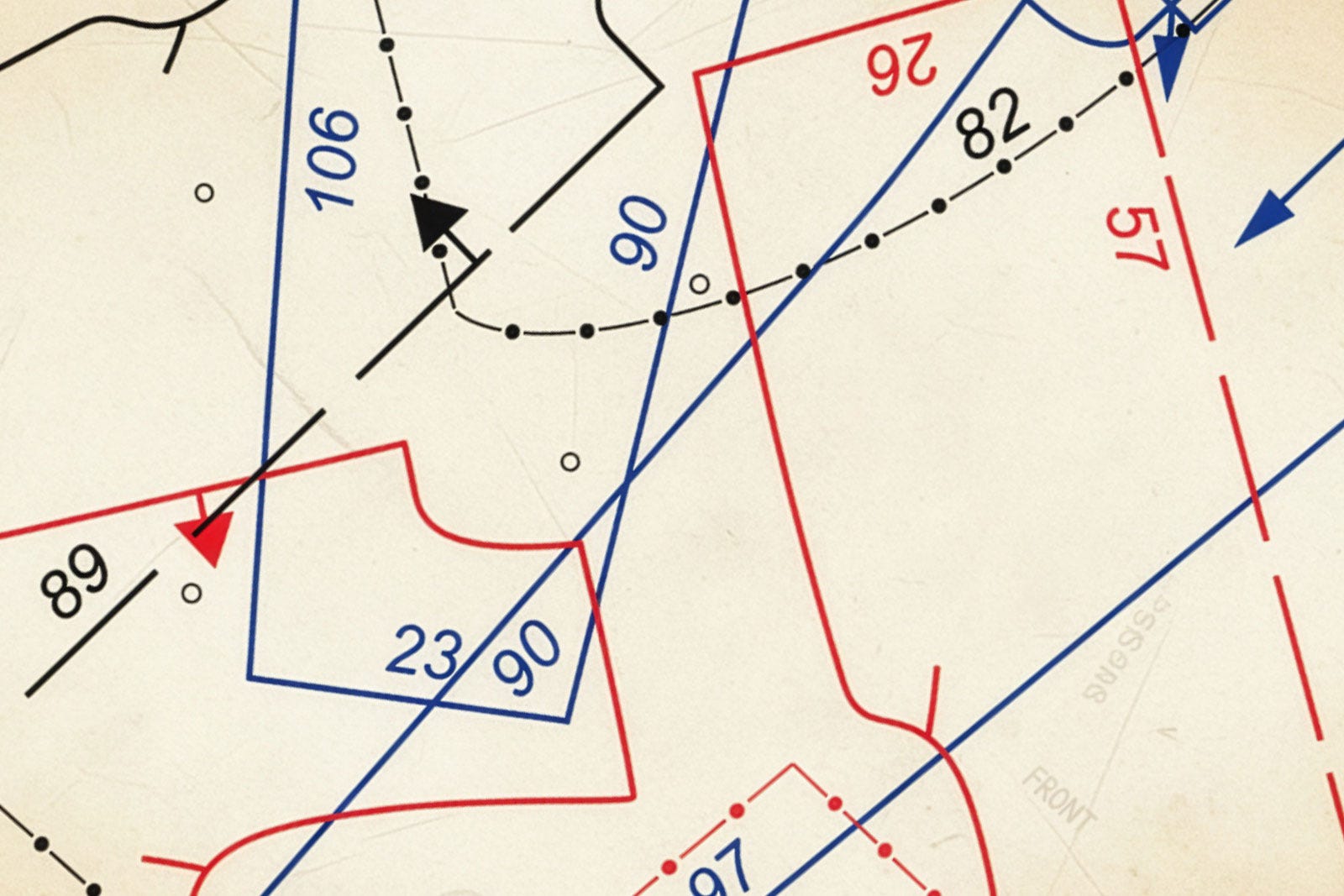
During World War II, Britain had a stark choice to use spare resources for clothes, or save them for the war effort. The answer became the CC41 mark which stood for ‘Controlled Commodity 1941.’ The government stepped in as the nation’s design director, imposing a system that banished all non-essential features and material consumption to conserve resources. It was literally, a form of forced minimalism.
This limitation quickly gave rise to what became known as “Utility style.” To achieve the CC41 label, items had to adhere to strict limits. A man’s suit could not have cuffs or pocket flaps, and excessive fabric was banned. Designers like Hardy Amies were tasked with finding the elegance in absolute simplicity, proving that the absence of decoration could be a powerful design statement. It was creativity born from having nothing.
What began as a government restriction on what people couldn’t buy created a powerful social shift. The CC41 mark became a badge of honour, signifying that a product was durable, honest, and high-quality. By stripping away trends, the scheme produced an enduring aesthetic embraced by all social classes. It was a spectacular example of limitation leading to better, more timeless design.
They proved that often effective design lies not in what you add, but what you take away.
Discover more about utility clothing

The story of Microsoft’s birth is less about a great business plan and more about a youthful gamble. In 1975, Bill Gates and his friend Paul Allen saw a magazine featuring the Altair 8800, a groundbreaking computer kit. The duo instantly knew the personal computer revolution was underway, but was being held back by a lack of software. They called the manufacturer, claiming they had a version of the BASIC programming language ready to go, and secured a contract to deliver a product that they had not even started to code.
Their actual software solution hinged on a brilliant piece of translation. Gates and Allen knew that for the PC revolution to truly take off, programming had to be simple. Since the machine itself didn’t speak a simple language, they created a BASIC interpreter. This translator let everyday hobbyists type in basic commands and see immediate results, allowing them to fix mistakes as they learned. This focus on simplifying the entry point was the ultimate limitation-embracing strategy. They built a tool for the millions of novices, not just a few geniuses.
The greatest creative constraint they faced was the computer’s tiny memory. Since extra memory was prohibitively expensive, they forced themselves to write the entire code to fit into just four kilobytes (4K). This limitation forced a monumental effort in problem-solving and optimisation. The result was a tight, efficient piece of code that became Microsoft’s first product and the tiny, powerful engine that fuelled their vision to place a computer on every desk.
It turns out one of the biggest technology companies in the world was born from a little lie and some tight bytes.
No posts
Comments
Nothing yet. Say the first thing.
Sign in to join the conversation.