
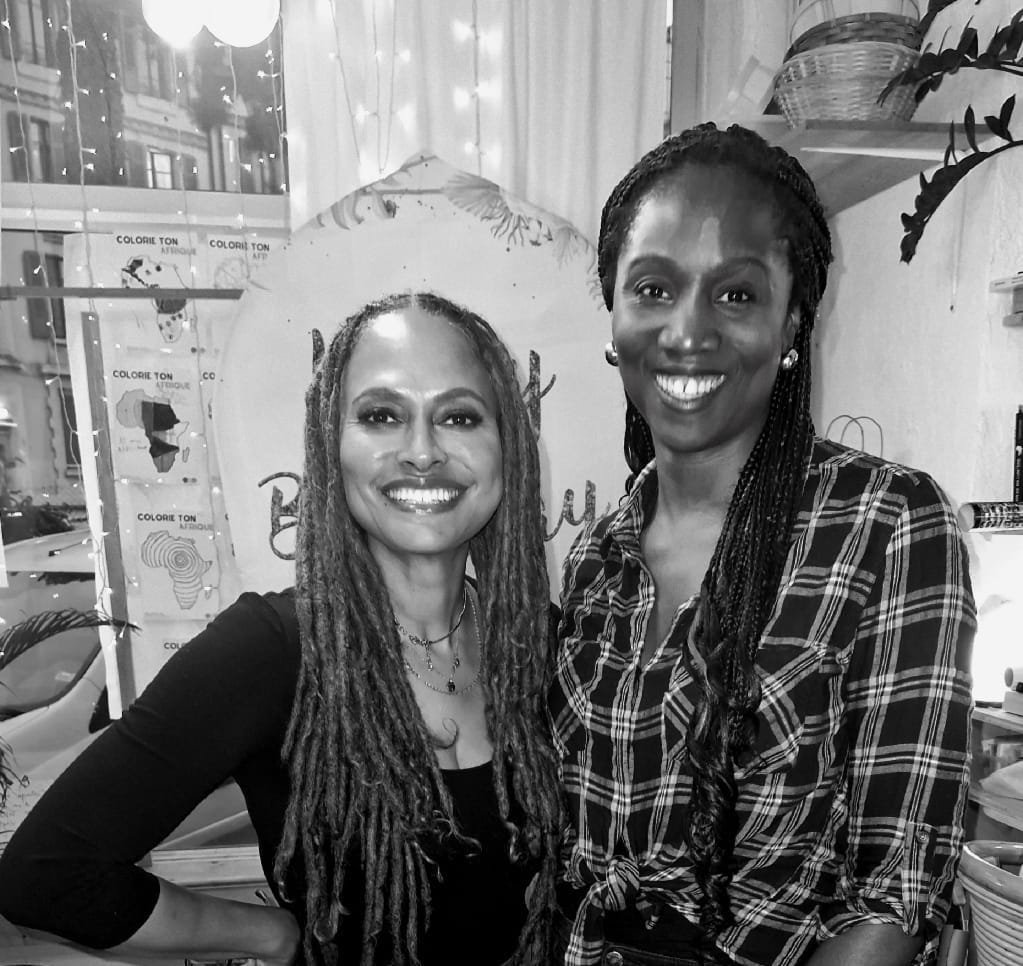
Last week, I had the privilege to meet and connect with the extraordinary Ava DuVernay, the talented director behind the film Selma, during her visit as the guest of honor at the Geneva International Film Festival (GIFF). I was fortunate to be invited to a private gathering with the inspiring women of the OAMI Collective, where we had the rare opportunity to learn from Ava, exchange stories, and celebrate our shared journeys. Ava’s intelligence, warmth, and unwavering dedication to her craft were as inspiring as her remarkable vision. She graciously accepted a signed copy of my book, Miracles Beyond Borders, Part One: Surviving Abidjan, and our time together left a profound impact on me.
The next day, Ava invited us to attend Selma at the festival. Watching it on the eve of the 2024 U.S. presidential election felt both enlightening and unsettling—especially as I reflected on the film’s relevance today. It’s a testament to the courage required to challenge systems, and it sparked a deep reflection in me about the role of leadership in building a more inclusive and equitable society. You can watch Selma on Netflix

Here are some of the lessons in impactful leadership that Selma illuminated for me:
1. True Change Requires Relentless Pressure, Not Just Good Intentions
The civil rights movement portrayed in Selma didn’t succeed through goodwill alone. President Lyndon B. Johnson, while supportive, was initially focused on other legislative priorities and was hesitant to push through a voting rights act. But Martin Luther King Jr. and his fellow activists understood that merely waiting for privilege holders to act wasn’t enough. Through non-violent marches, they brought national attention to Selma, capturing the brutal reality of racism and injustice in the South. This public pressure—combined with the risk to Johnson’s political legacy—compelled him to shift his priorities and ultimately sign the Voting Rights Act.
Lesson: Impactful leaders understand that change often demands both moral vision and strategic pressure. When challenging the status quo, a clear stance on accountability can be as essential as compassion.
2. Purpose-Driven Leadership Requires a Clear Mission and Strategy
Dr. King’s approach to activism was built around a clear, repeatable strategy: negotiate, demonstrate, and resist. This framework was well-understood by his team and supporters, giving them clarity on why they were fighting, how they would act, and what their collective mission was. Every step, every protest, every speech had purpose and unity behind it, reinforcing their shared goal of equality.
Lesson: For leaders, a well-defined mission and strategy create alignment and foster resilience, making it easier for teams to endure setbacks and stay focused on their goals.
3. Resilience Is Rooted in a Cause Greater Than Oneself
Selma highlighted that the resilience of the civil rights movement was grounded in the shared faith and values of its leaders and supporters. For Dr. King and many others, their faith provided strength, resilience, and courage in the face of immense adversity. Faith gave them a vision of a fairer, more humane society—an aspiration that transcended personal interests and sustained them through years of hardship.
Lesson: Leaders who are anchored in a mission larger than themselves inspire deeper commitment. Purpose beyond self not only motivates but also sustains leaders and their teams when the journey gets tough.
4. Impactful Leadership Draws Strength from Allies and Shared Humanity
One of the most moving moments in Selma was seeing allies from all walks of life join the protest. White clergy, Catholic priests, Protestant ministers, and Orthodox leaders traveled to Selma to march alongside Black activists, embodying a shared belief in justice and humanity. Their presence demonstrated that standing for others’ rights strengthens the fabric of society as a whole.
Lesson: Inclusive leadership finds strength in solidarity, mobilizing people around shared values. Leaders who foster inclusivity and welcome diverse allies magnify their impact and foster a broader commitment to justice.
5. Change Takes Time—and Relentless Commitment
The civil rights movement didn’t achieve its victories overnight. It took ten years of persistence, protest, and sacrifice. In Selma, we see how Dr. King’s unwavering commitment to non-violence and justice sustained the movement over a decade. It reminds us that lasting change requires not just action but enduring perseverance.
Lesson: Leaders committed to meaningful impact know that change is a marathon, not a sprint. The path may be long, but the courage to persist is what ultimately drives societal progress.
---
Reflecting on Selma, I am reminded that impactful leadership demands conviction, courage, and an unyielding commitment to equity. As we continue our journeys, may we draw inspiration from leaders like Dr. King and Ava DuVernay—those who challenge, uplift, and unite us.
I am looking forward to seeing a world where inclusivity is more than a value—it’s a shared responsibility.
#InclusiveLeadership #Selma #AvaDuVernay #ImpactfulLeadership #Civ
ilRights #Resilience #GIFF #Leadershio #DE
Comments
Nothing yet. Say the first thing.
Sign in to join the conversation.