
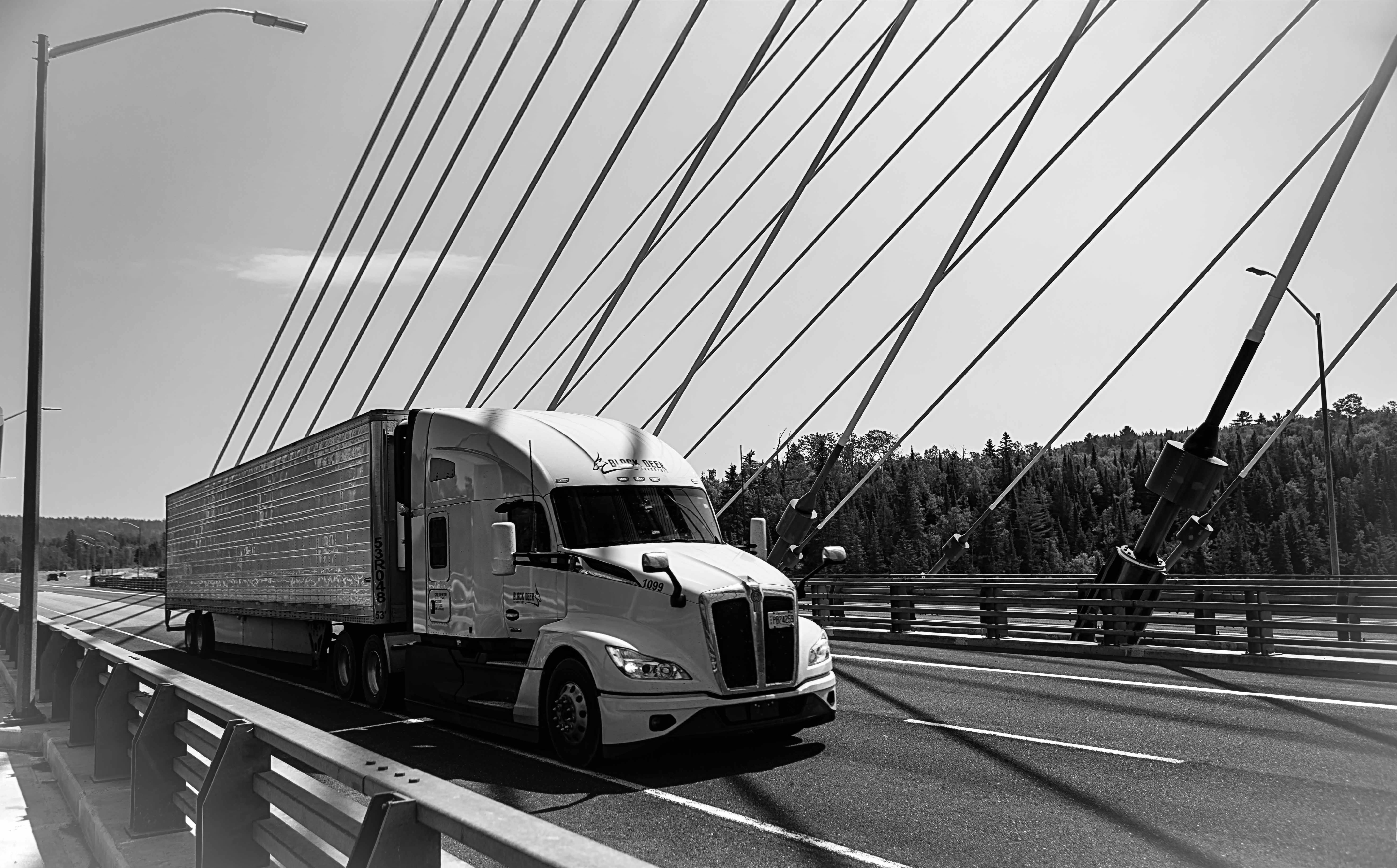
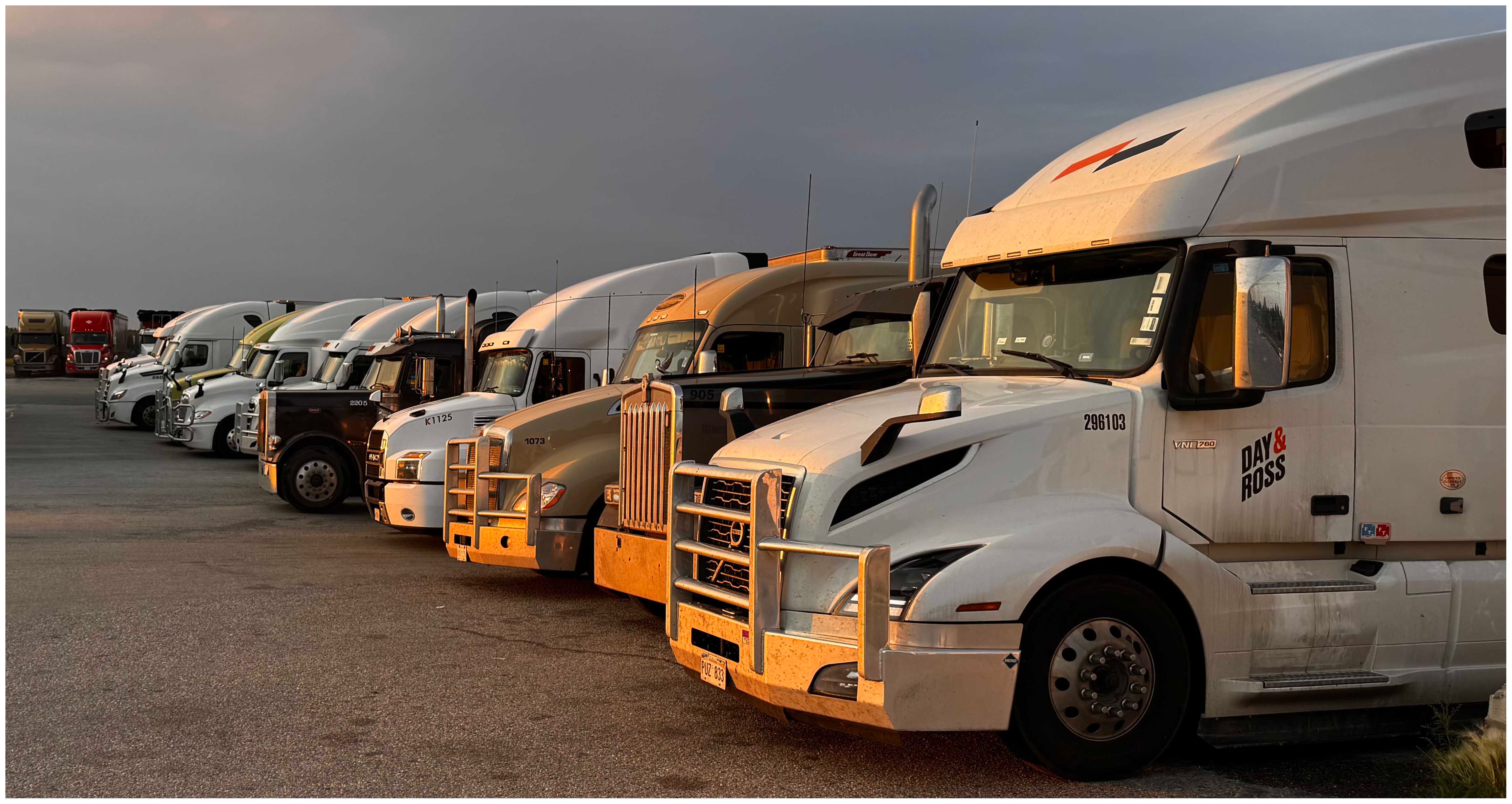
It is high summer, and in the pullout of a gas station just outside Dryden, Ontario, along the Trans-Canada Highway, the asphalt releases in waves the heat it has absorbed for hours. All around, the diesel engines of parked semi-trailers rumble without pause, adding warmth to the heavy air as drivers move between the rigs carrying thermoses of coffee and bags of food. Chrome bumpers flash in blinding bursts of reflected light; from one cab comes the crackle of a radio; somewhere a door shuts with a dull metallic thud.
After weeks spent crossing the country back and forth—often along the same arteries that carry much of the freight keeping Canada’s economy moving—we have grown used to the sight of trucks parked beside gas stations and roadside motels. From time to time we stop, step out, and exchange a few words with those who spend their days behind the wheel.
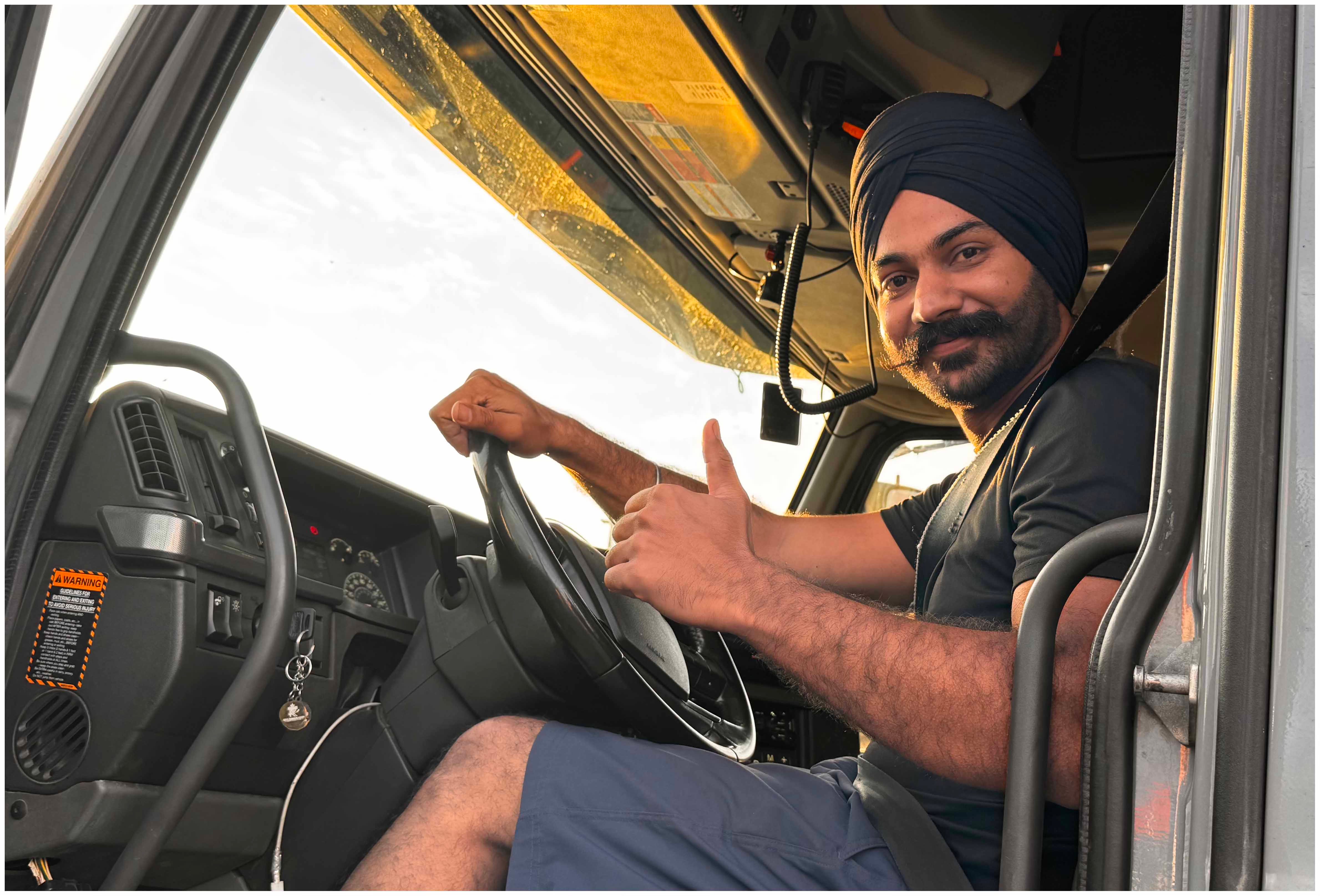
Simran Sandeep answers our greeting as he climbs down from the cab of his rig. He is twenty-six, tall and slender, wiping his hand on his jeans before shaking ours with a smile. Seen from the outside, long-haul trucks appear designed purely for motion. Inside, however, they often become places where people live as much as they drive.
“On coast-to-coast runs the truck can’t stop,” Simran explains. There are actually four drivers assigned to his truck, rotating day and night without interruption: when one finishes a shift, he climbs into the sleeper berth while another takes the wheel. And so it goes for days, in a kind of continuous relay.
In a country where distance itself shapes geography, much of what sustains the national economy—grain, lumber, fertilizer, fuel, construction materials, food—travels by truck across mountain passes, open plains, forests, and rocky corridors, often without encountering a town for hundreds of kilometres.
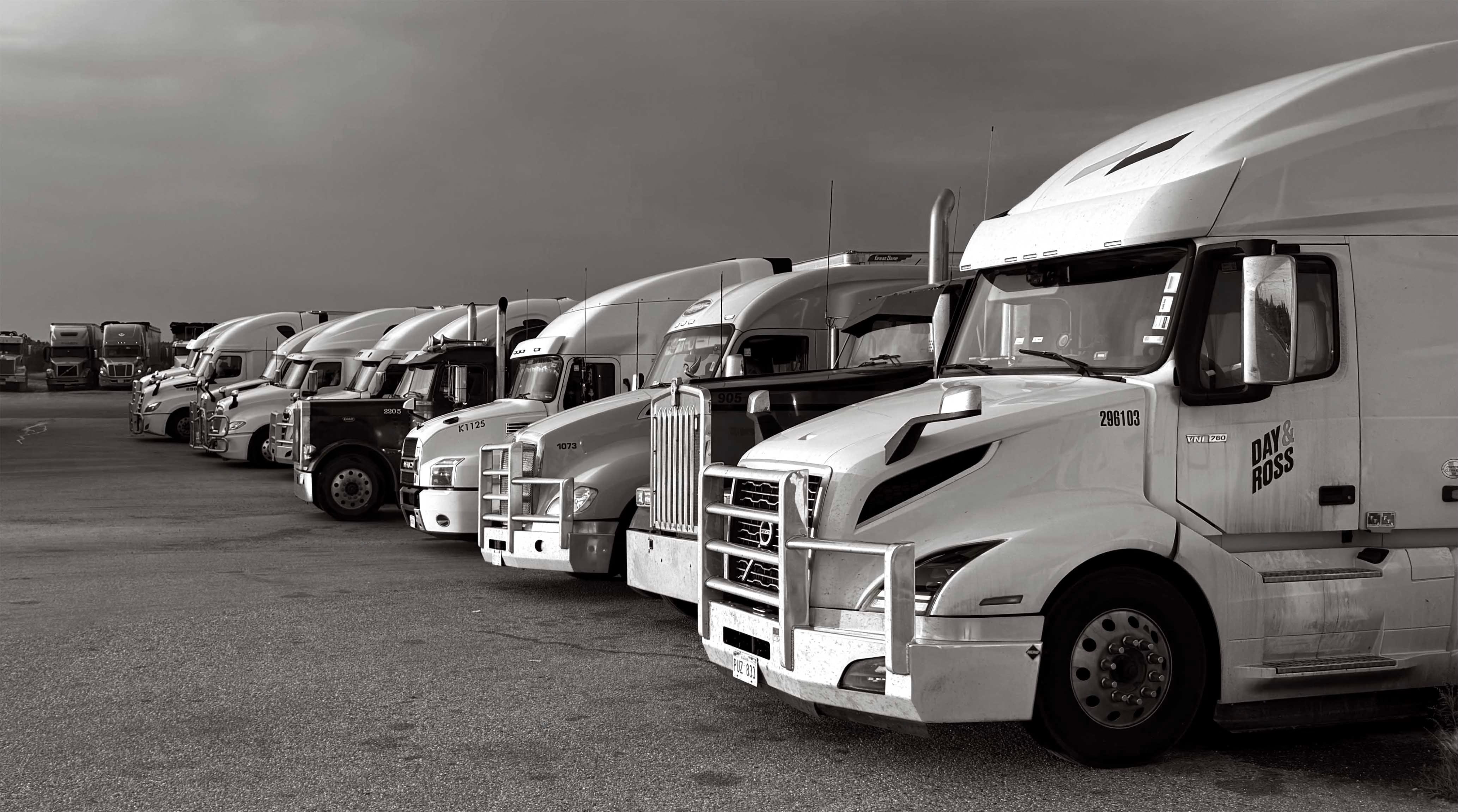
Diesel engines are rarely shut off entirely. They run to keep the cab livable and to power the onboard systems. On long winter hauls across the Prairies or northern Ontario, leaving them idling through the night is almost unavoidable. Over time, that steady rumble has become the soundtrack of the truck stops scattered along the country’s major highways.
In the long summer days, when the landscape shimmers with heat and bright light, it is easy to forget what it means to be behind the wheel of a truck in winter. Yet sooner or later every conversation with drivers turns to ice, snow, and those endless months of darkness and polar cold.
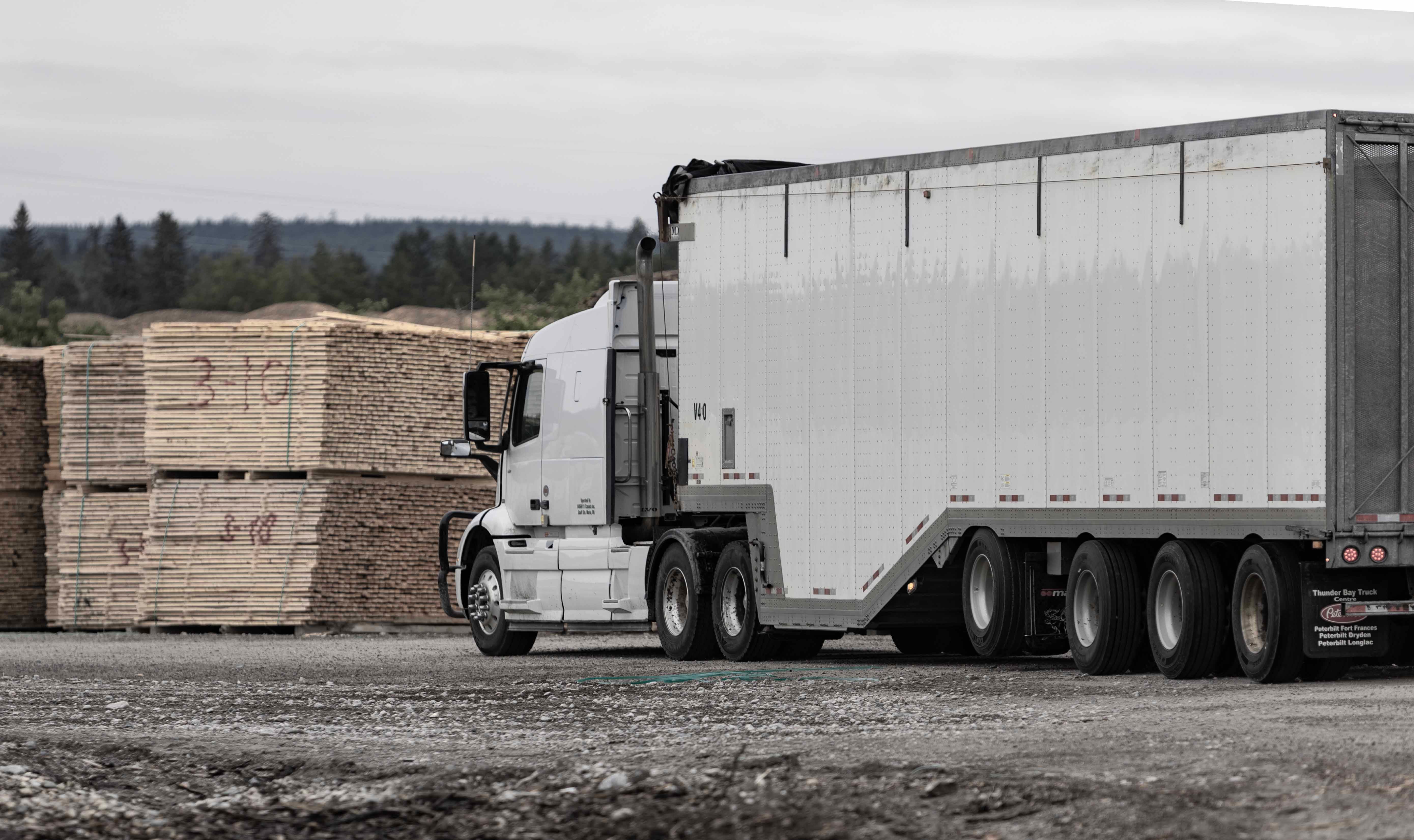
Navpreet Singh is thirty-five and arrived in Canada two years ago from Punjab. He has not yet fully adjusted to the harsh temperatures that grip the northern routes. His days are spent hauling sixty-ton loads of timber between logging camps and sawmills deep in the interior. “It can drop to minus fifteen, minus twenty,” he says, describing how forest roads turn into ribbons of solid ice. “At least the heating in the cab works very well.” His shifts are long: sixteen hours at the wheel, five or six days a week. “But I don’t mind,” he adds with a shrug. “Out here there isn’t much else to do anyway.”
“I’ve already been driving thirteen hours today,” says Ajitesh Waraich, twenty-six, leaning out of his window. “Usually it takes me four or five days to go from one coast to the other.” Like many drivers, he spends most of the journey alone, stopping only for fuel or a few hours of rest. “My bunk’s back there,” he says, nodding toward the rear of the cab. Like Navpreet, he is also from Punjab. “I’m Sikh, but I don’t wear a turban,” he says with a slightly embarrassed smile. Then, almost anticipating the next question: “And no, I’m not married yet.”
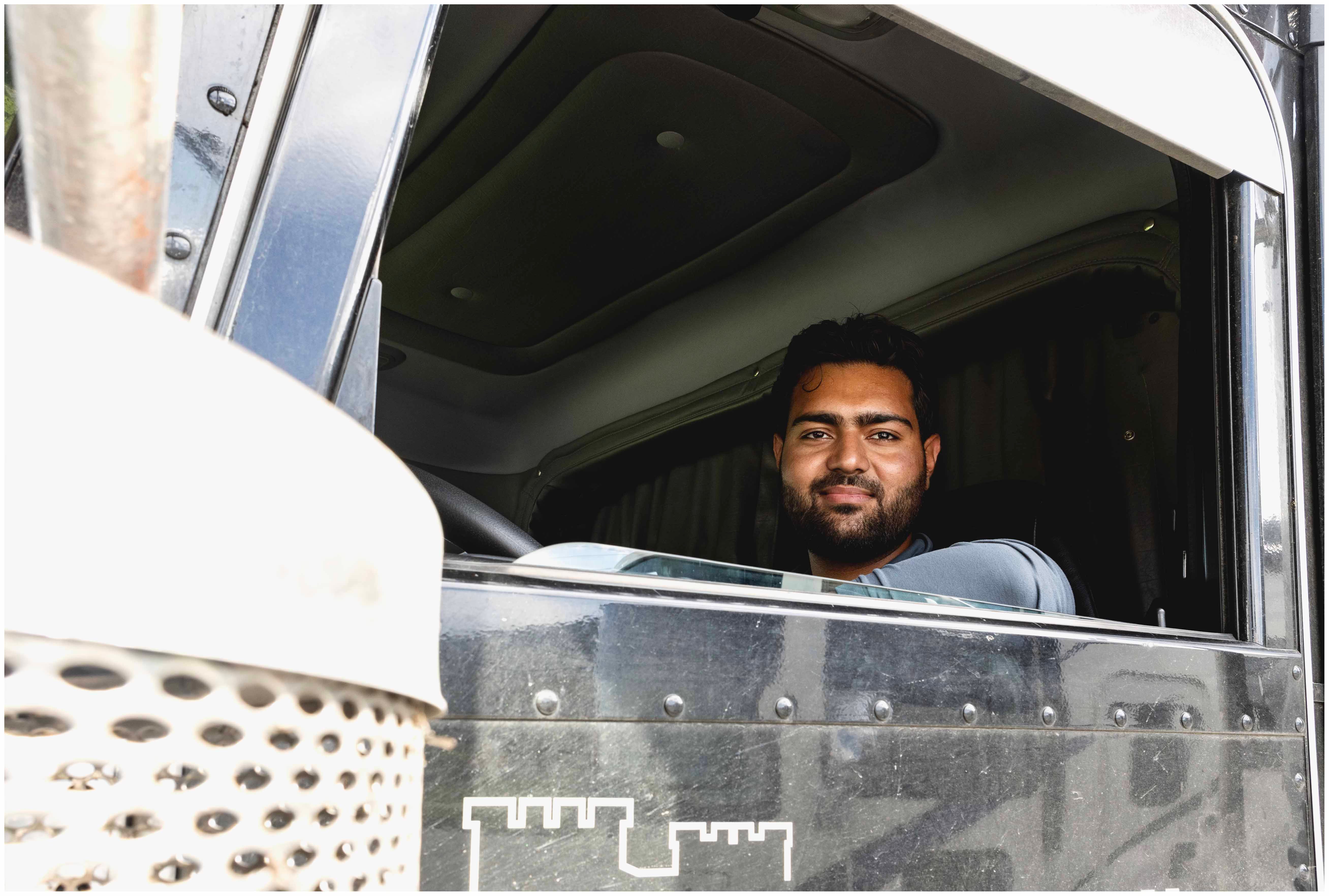
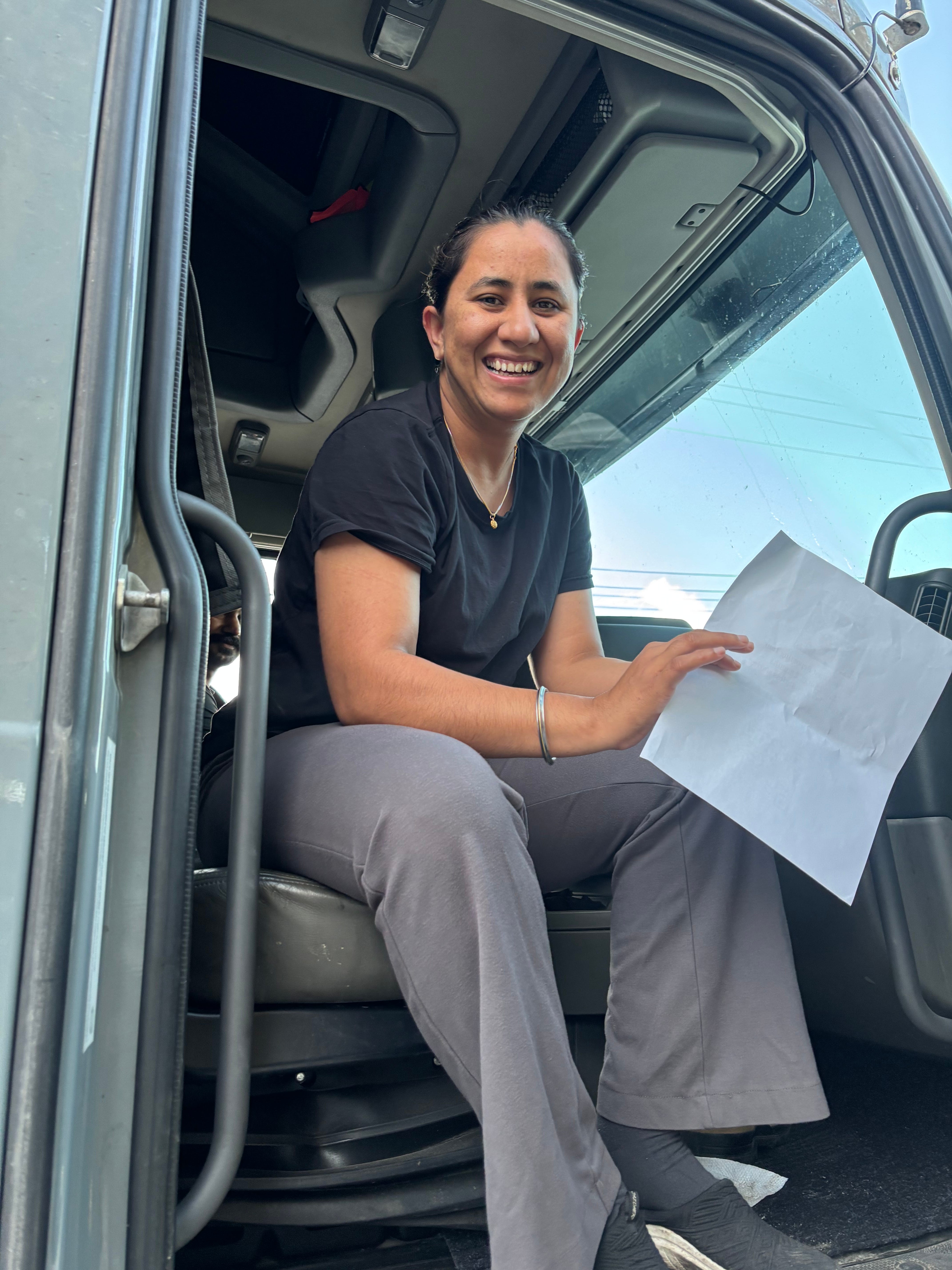
Simran, Navpreet, and Ajitesh are part of an increasingly visible presence of Punjabi drivers in Canada’s long-haul trucking industry. For many, it is a gateway into the country—steady work, quick training, the possibility of building a life—despite the long hours of solitude, irregular schedules, and weeks spent living inside a truck. In the parking lots where trucks gather between Vancouver and Toronto, Punjabi is now heard almost as often as English.
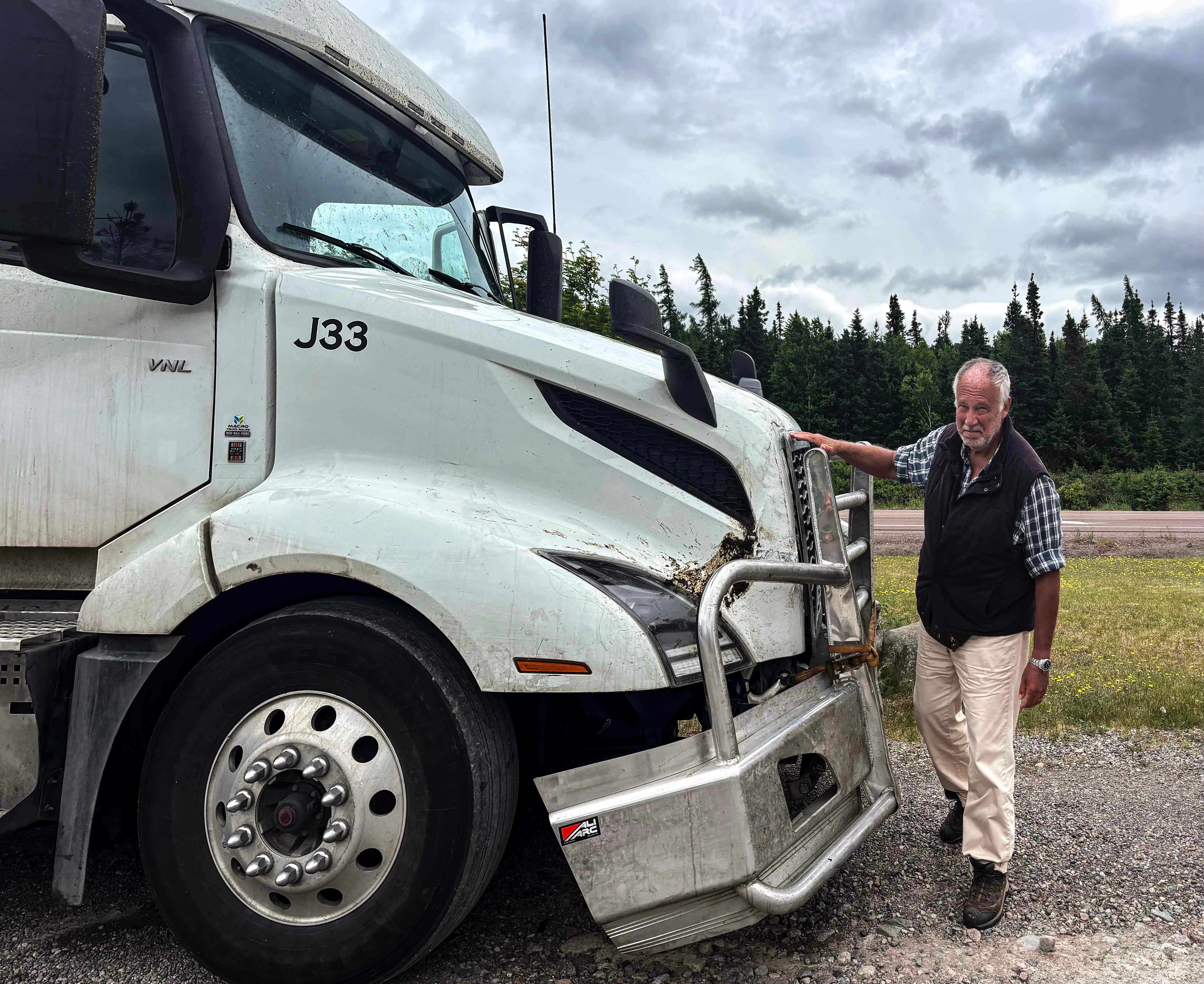
Every so often we meet someone from an earlier world of trucking, when most drivers were men born and raised in rural Canada. John Heinrichs is seventy-one, with forty-six years on the road behind him. “I leave Monday morning and come back Friday,” he says. “The whole week is spent traveling.”
For a time he was a small entrepreneur and owned seven trucks, hauling grain, fertilizer, and farm supplies between Prairie farms and grain elevators. Eventually he stepped away from the business side. “You can’t compete with the big transport companies,” he explains. “Better just to drive and let them deal with the rest. Less stress.”
Two years ago John tried retiring, but it did not last long. The road had already worked its way under his skin. “I was sitting at the kitchen table waiting for time to pass,” he recalls. “It drove me crazy. Finally my wife told me: ‘Go back on the road. It’s what you’ve always done. You’re not ready to quit yet.’”
Today his days are paced by instructions arriving on his phone, telling him which farm or grain elevator to head to for the next load. Once a delivery is completed, the next destination appears “And then you just keep going.” Over a year the job can bring in sixty to seventy thousand dollars. “I take it easy now,” John says. “But if you’re willing to push yourself a bit, you can easily make a hundred thousand or more.”
Despite spending so much time confined to their cabs, truckers are not necessarily alone. Over decades on the road, John has built a network of friends across the country. “I know people just about everywhere,” he says. Truck stops become places where familiar faces reappear, stories are exchanged, and news travels from one cab to another. They are hardly welcoming spaces—gas stations, diners lit by cold neon, expanses of asphalt baking in summer or buried in snow—but over time they acquire their own kind of familiarity.
It is only when something breaks down—a strike, a border blockade, or when store shelves begin to empty—that people remember long-haul truckers. Otherwise their work remains largely invisible, even though without it the entire economic framework—supermarkets, construction sites, farms, factories—would begin to falter within days.
But that rarely happens. Instead, on long nights along the highways between the Pacific and the Atlantic, the same scene plays out over and over—like Groundhog Day. A truck slows and pulls over. One driver climbs down, stretches for a moment, then climbs back in and slips into the sleeper berth. Another, still half-asleep, straightens his clothes, pulls on his boots, and settles behind the wheel. For a moment everything seems suspended. Then the engine pulls again. And the journey continues—until the next relay.
Long-haul trucks parked at a roadside rest stop near Dryden, ON, engines running continuously (video: Arianna Dagnino)
È piena estate e nella piazzola di sosta di un distributore appena fuori Dryden, in Ontario, lungo la Trans-Canada Highway, l’asfalto restituisce a vampate il calore assorbito per ore. Tutto attorno, i motori dei TIR borbottano senza tregua aggiungendo caldo al caldo, mentre gli autisti si muovono tra i mezzi portando thermos di caffè e sacchetti di cibo. I paraurti cromati rimandano la luce in bagliori accecanti, da una cabina filtra il crepitio di una radio, una portiera si chiude con un colpo sordo.
Dopo settimane trascorse a percorrere il Paese in lungo e in largo, a tratti lungo le stesse arterie su cui viaggia gran parte delle merci che tengono in piedi l’economia canadese, abbiamo fatto l’abitudine alla vista dei camion in sosta accanto a distributori e motel. Ogni tanto ci fermiamo e ci avviciniamo per scambiare qualche parola con chi passa le giornate al volante.
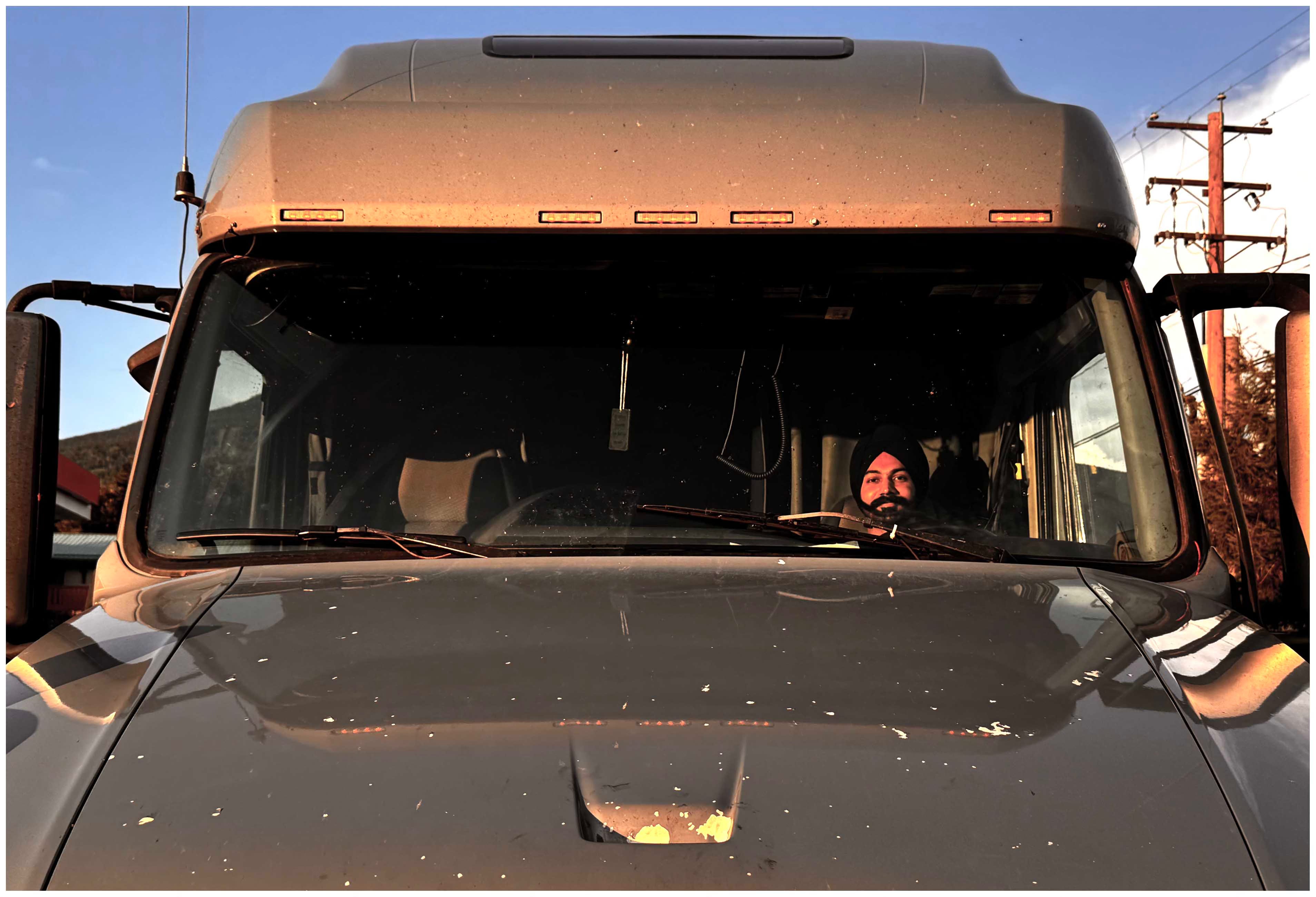
Simran Sandeep risponde al nostro saluto mentre scende dalla cabina del suo autoarticolato. Ha ventisei anni, è alto, slanciato e si passa la mano sui jeans prima di stringere la nostra, sorridendo. Visti da fuori, gli autoarticolati sembrano macchine concepite per il movimento; dentro, però, finiscono spesso per diventare uno spazio in cui si vive. “Nei trasferimenti da una costa all’altra il camion non deve fermarsi mai”, spiega Simran. A bordo del suo camion gli autisti sono in realtà quattro e si alternano giorno e notte, senza interruzioni: quando uno finisce il suo turno, si infila nella cuccetta, e un altro prende posto al volante. Si va avanti così per giorni, in una sorta di staffetta continua.
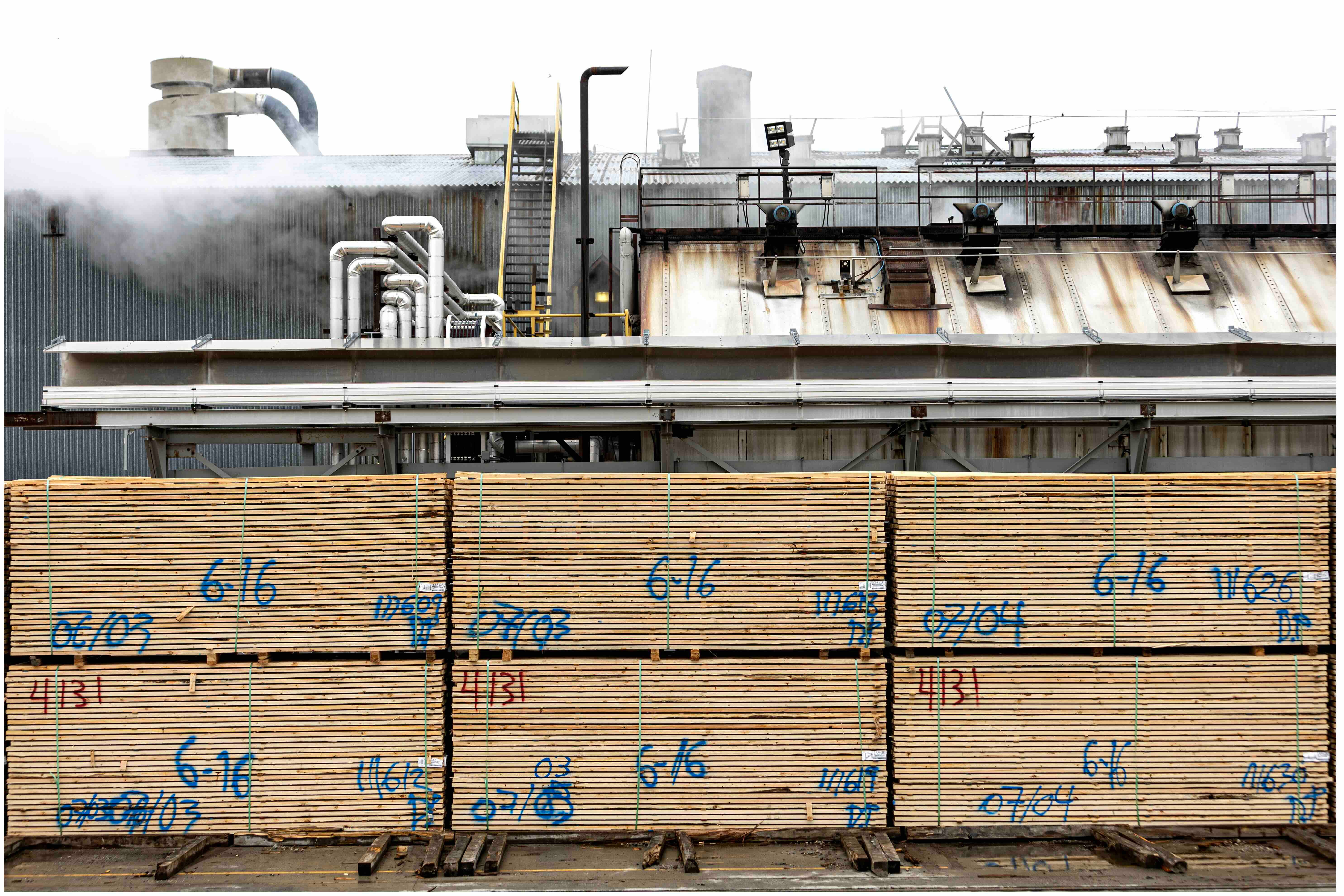
In un Paese dove sono le distanze a disegnare la geografia stessa, gran parte di ciò che tiene in vita l’economia del Paese—grano, legname, fertilizzanti, carburante, materiali da costruzione, generi alimentari—viaggia su camion che attraversano passi di montagna, pianure, foreste, corridoi rocciosi, spesso senza incontrare centri abitati per centinaia di chilometri.
I motori diesel di rado vengono spenti: restano accesi per mantenere una temperatura vivibile nell’abitacolo e alimentare gli impianti di bordo. Nelle lunghe tratte invernali attraverso le Prairies o l’Ontario settentrionale, lasciarli in moto per tutta la notte è quasi inevitabile. Così, quel borbottio continuo è diventato la colonna sonora delle aree di sosta disseminate lungo le grandi arterie del paese.

Nelle lunghe giornate estive, quando il paesaggio è immerso nel calore e nella luce abbagliante, è facile dimenticare cosa significhi stare al volante di un camion in inverno. Non è un caso che, prima o poi, nelle conversazioni con i driver si finisca per parlare di ghiaccio, neve e di quei mesi interminabili di oscurità e freddi polari.
Navpreet Singh ha trentacinque anni ed è arrivato in Canada due anni fa dal Punjab; non si è ancora davvero abituato alle rigide temperature che attanagliano le rotte del nord. Passa le sue giornate a trasportare carichi di legname da sessanta tonnellate facendo la spola tra le aree di disboscamento e le segherie sparse nell’entroterra. “Si arriva a meno quindici, meno venti gradi”, dice, raccontando di come le strade forestali si trasformino in nastri di ghiaccio compatto. “Se non altro in cabina il riscaldamento funziona molto bene”. I suoi sono turni lunghi: sedici ore al volante, cinque o sei giorni alla settimana. “Ma non mi pesa” aggiunge alzando le spalle. “In fondo qui non c’è molto altro da fare.”
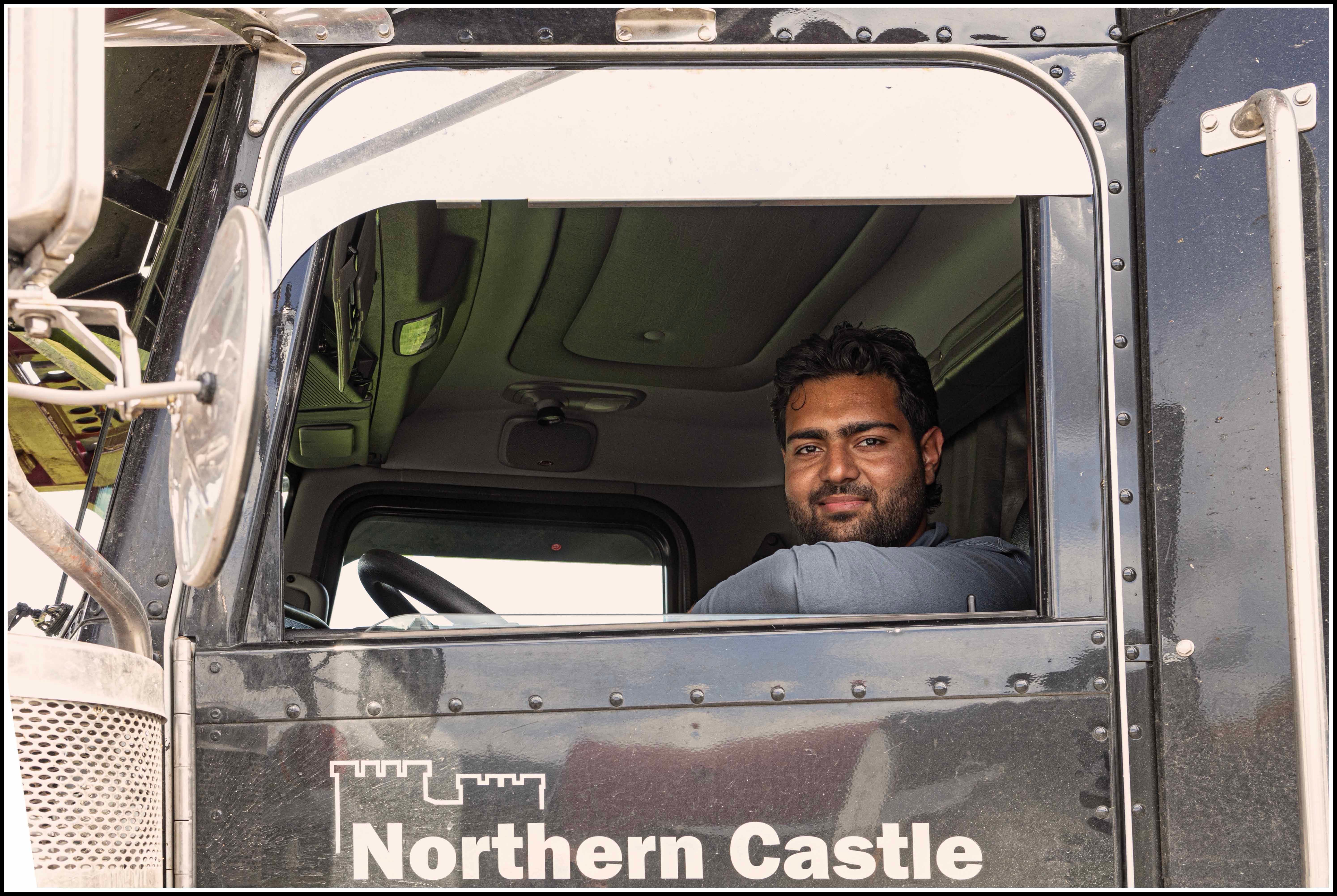
“Oggi sono già tredici ore che guido”, ci fa sapere Ajitesh Waraich, ventisei anni, sporgendosi dal finestrino. “Di solito da una costa all’altra ci metto quattro, cinque giorni”. Come molti altri autisti, passa gran parte del viaggio da solo, fermandosi soltanto per fare rifornimento o riposare qualche ora. “Lì dietro ho la mia cuccia”, dice, facendo un cenno con la testa verso il retro della cabina. Come Navpreet, anche lui viene dal Punjab. “Sono sikh, ma non porto il turbante,” dice con un sorriso leggermente imbarazzato. Poi, quasi volesse anticipare la domanda successiva: “E no, non sono ancora sposato.”
Simran, Navpreet e Ajitesh fanno parte di una presenza sempre più diffusa di autisti punjabi nel trasporto a lunga percorrenza in Canada. Per molti è la via d’ingresso nel Paese—lavoro stabile, formazione rapida, la possibilità di costruirsi una vita—nonostante le lunghe ore trascorse in solitudine, i ritmi irregolari, le settimane chiusi dentro la cabina di un camion. Nei piazzali dove, tra Vancouver e Toronto, si radunano gli autoarticolati in pausa, il punjabi è ormai diffuso quanto l’inglese.
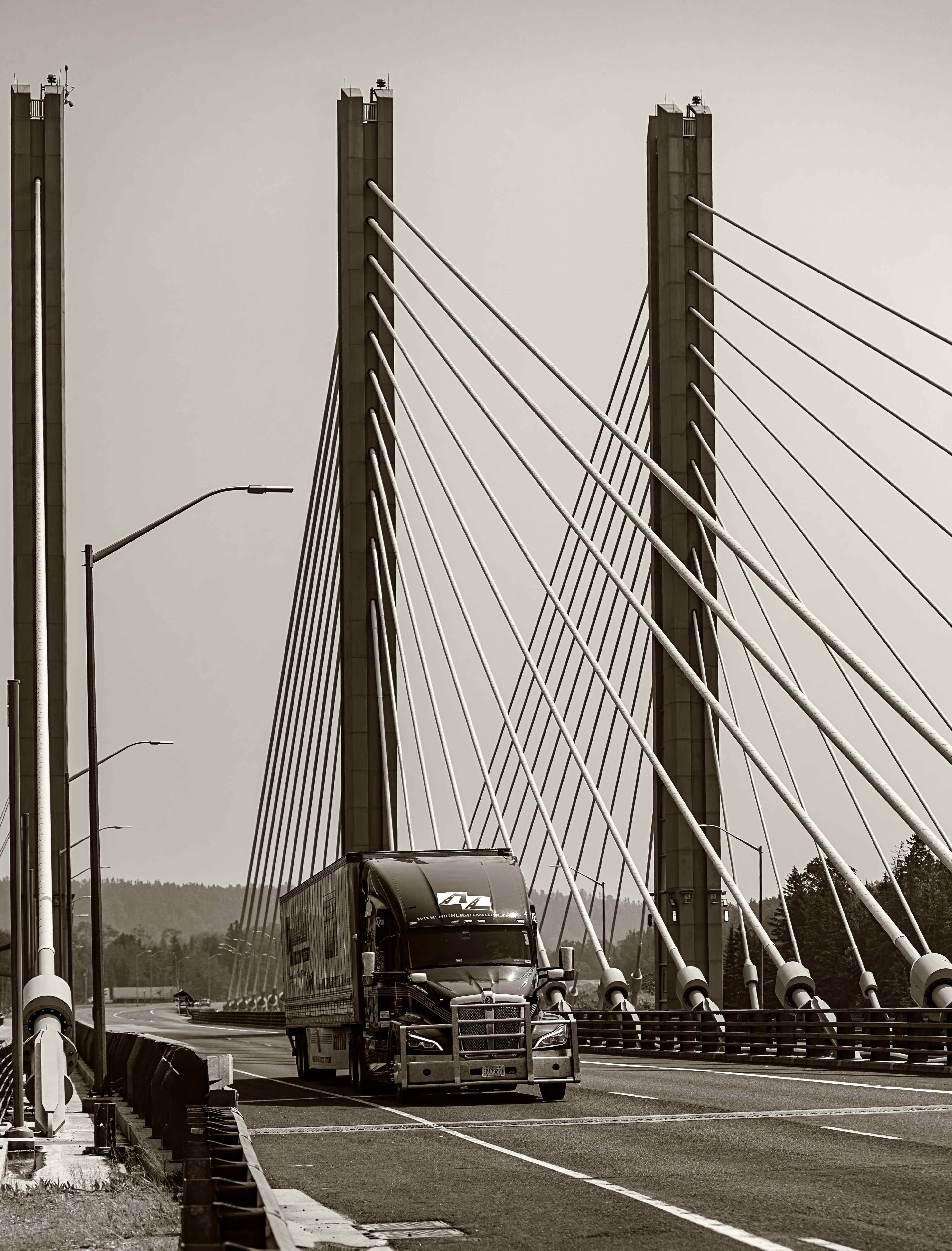
Ogni tanto capita di imbattersi in qualcuno che viene dal vecchio mondo del trasporto, quello in cui in cabina c’erano soprattutto uomini nati e cresciuti nel Canada rurale. John Heinrichs ha settantuno anni e quarantasei di strada alle spalle. “Parto il lunedì mattina e torno il venerdì”, dice. “Passo tutta la settimana in viaggio”.
Per un periodo, da piccolo imprenditore, era arrivato a possedere sette camion, movimentando carichi di grano, fertilizzanti e forniture agricole tra le fattorie e i silos delle Prairies. A un certo punto ha deciso di farsi da parte: “Non puoi competere con le grandi compagnie di trasporti”, spiega. “Meglio guidare e lasciar fare tutto il resto a loro. Meno stress”.
Due anni fa John ha provato ad andare in pensione, ma non è durata. La strada ormai gli era entrata sotto pelle. “Stavo seduto al tavolo del tinello ad aspettare che passasse il tempo”, racconta, “Roba da impazzire. Alla fine mia moglie mi ha detto: ‘Torna sulla strada. È quello che hai sempre fatto; non sei ancora pronto per smettere”.
Oggi il ritmo delle sue giornate è scandito dalle istruzioni che arrivano sul cellulare, con l’indicazione della fattoria o del silos dove andare a caricare. Una volta completata la consegna, compare la destinazione successiva: “E vai avanti così”. Un lavoro che, nell’arco di un anno, può fruttare tra i sessanta e i settantamila dollari. “Io ormai me la prendo comoda,” dice John, “Ma chi è disposto a sacrificarsi un po’ arriva a superare i centomila dollari”.
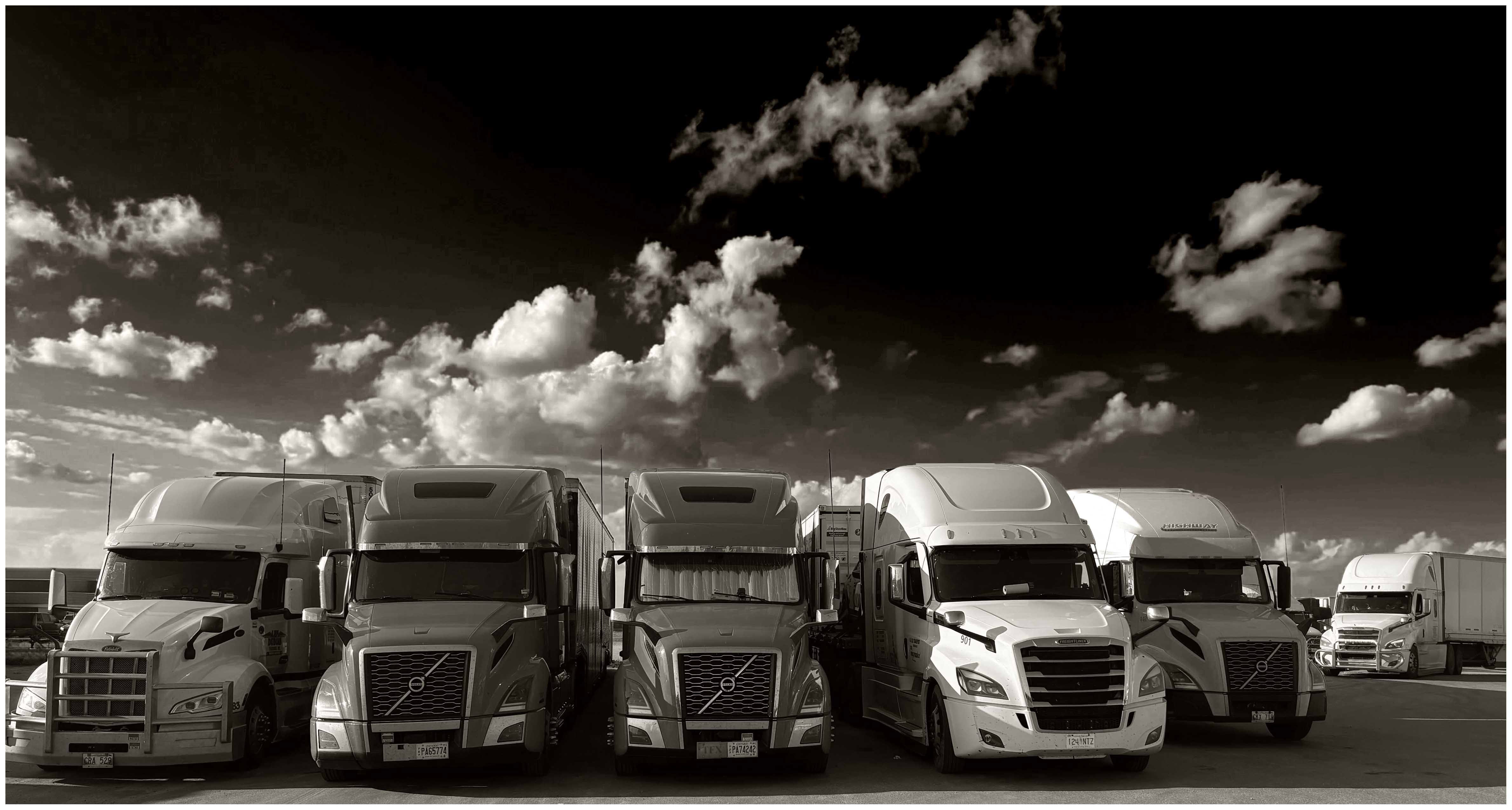
Per quanto passino molto tempo confinati in cabina, gli autisti non sono necessariamente soli. In decenni sulla strada, John si è creato una rete di amici in tutto il Paese. “Conosco gente un po’ ovunque”, dice. È così che le aree di sosta diventano anche posti dove riaffiorano volti noti, si scambiano storie e le notizie passano da una cabina all’altra. Sono luoghi d’incontro tutt’altro che accoglienti—stazioni di benzina, diner con fredde luci al neon, spiazzi d’asfalto bollente o ricoperti di neve—eppure, col tempo, finiscono per produrre una loro forma di familiarità.
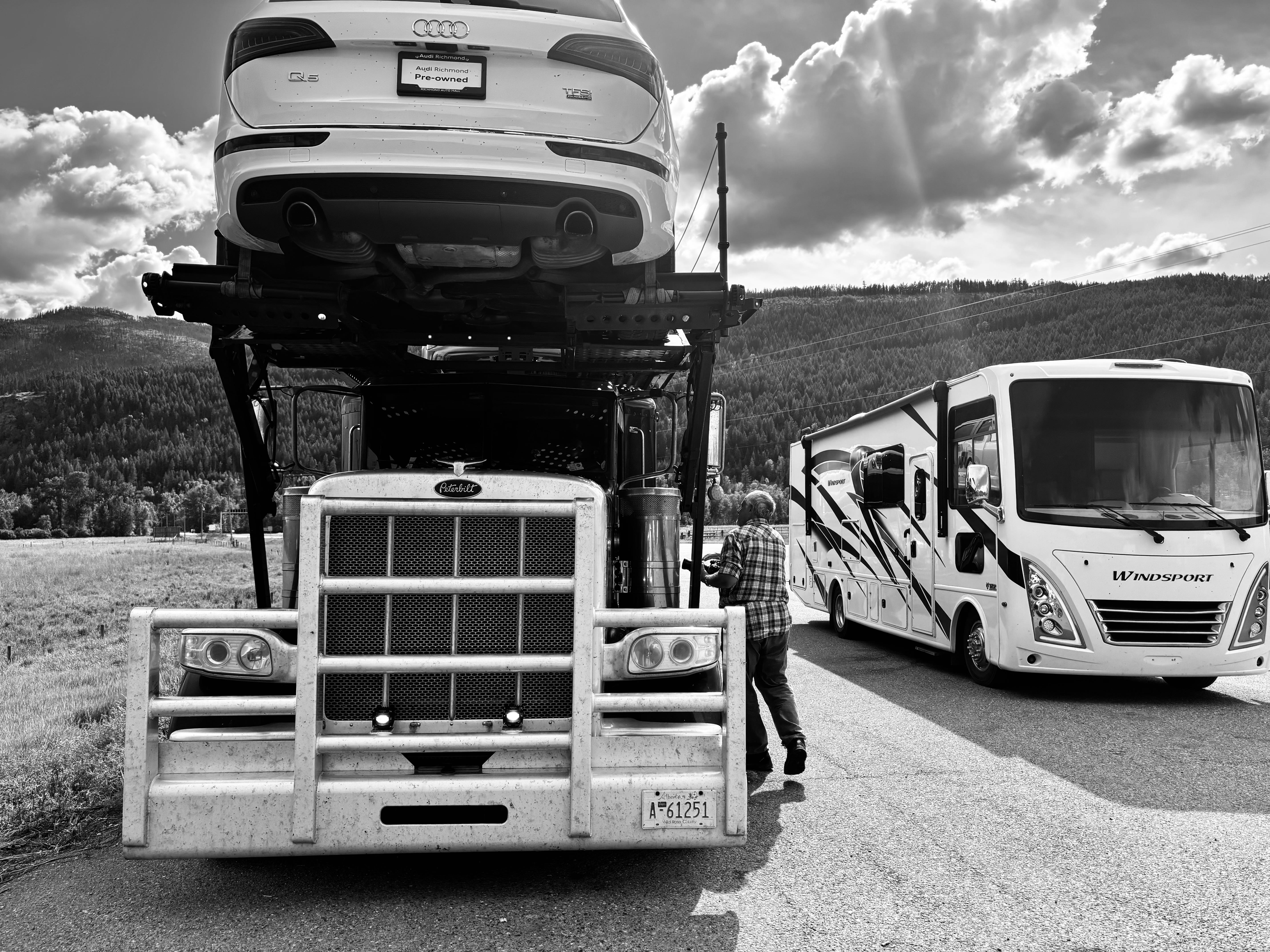
È solo quando qualcosa si inceppa—per uno sciopero, un blocco alla frontiera, o quando si vedono gli scaffali dei negozi svuotarsi—che ci si ricorda degli autotrasportatori a lunga percorrenza. Altrimenti il loro resta un lavoro in gran parte invisibile, senza il quale però l’intera impalcatura economica—supermercati, cantieri, fattorie, fabbriche—cederebbe nel giro di pochi giorni.
Ma ciò raramente accade. Invece, nelle lunghe notti sulle strade tra il Pacifico e l’Atlantico, è un’altra la scena che va ripetendosi senza grandi variazioni nel copione. Un camion rallenta e accosta. Un autista scende, si stira un attimo, poi rientra e si infila nella cuccetta. Un altro, ancora un po’ assonnato, si rassetta come può, infila gli scarponi e prende posto al volante. Per un momento tutto rimane sospeso, poi il motore riprende a tirare. Si riparte, fino alla prossima staffetta.
TIR parcheggiati in un’area di sosta lungo la strada vicino a Dryden, ON, con i motori sempre accesi (video: Arianna Dagnino)
Thanks for reading Canadiensis – Letters from Canada/Lettere dal Canada ! This post is public so feel free to share it.
Comments
Nothing yet. Say the first thing.
Sign in to join the conversation.