
If this content resonates with you, we’d love for you to subscribe, share it with someone who might benefit, drop a comment with your thoughts, and/or follow us on Instagram! Every share, like, and conversation helps us reach more people and build a stronger community around these crucial topics. We’re grateful for you.
Every major tournament seems to bring the same conversations back into public view: research on intimate partner violence during men’s sporting events, athletes accused of sexual violence who remain part of their teams while allegations are investigated, debates about whether organizations should suspend players, and questions about what accountability looks like when someone wearing the jersey is accused of causing harm.
We usually treat these as separate stories. Research on intimate partner violence is one topic. Allegations against athletes are another. Institutional response becomes its own news cycle by the time it breaks. But taken together, they point to something: major sporting events keep becoming moments when questions about gender, power, and accountability rise to the surface, whether we are ready for them or not.
That does not mean sport causes gender-based violence.
The research on intimate partner violence during major tournaments is more nuanced than headlines often suggest, and researchers themselves are careful not to claim that watching a match turns someone abusive. Findings vary by country, by event, and by how violence is measured. Most people experience the highs and lows of a game and never harm anyone. Violence is always the responsibility of the person who chooses it.
Prevention work teaches us to pay attention to patterns, and patterns rarely hand us simple answers. What they do is tell us where to ask better questions. If conversations about intimate partner violence, sexual violence, and accountability keep surfacing around major sporting events, maybe the question is not whether any one story is directly connected to the last. Maybe it is what the recurrence itself is telling us about the culture surrounding sport, and the values that culture reflects back at us.
Sport shapes culture in ways few other institutions can. It teaches us how to think about leadership, discipline, competition, and success. It also teaches us, often without meaning to, what masculinity looks like, who gets to hold power, and what accountability is owed and to whom.
The athletes we celebrate. The behaviour we excuse because someone can help a team win. The language commentators reach for. The decisions organizations make when allegations surface. The expectations placed on the people who come forward. All of it adds up to a larger cultural conversation about what matters, and whose safety we choose to prioritize.
This is part of why intimate partner violence research stays with me. Not because it offers a tidy explanation for why violence happens, but because it reminds us that violence never occurs apart from the environment around it. Prevention asks us not only to identify moments of harm, but to examine the conditions that shape how harm is understood, responded to, and sometimes minimized.
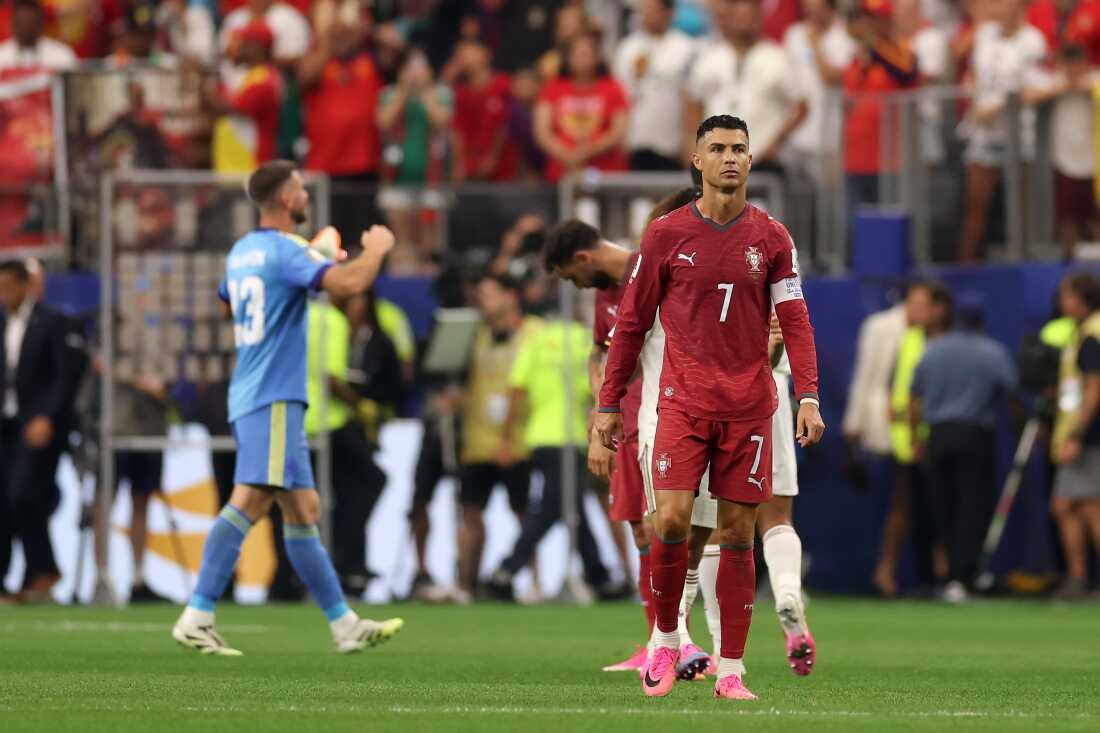
These conversations are rarely only about one person. They become a window into how institutions respond to harm, how communities negotiate accountability, and what gets prioritized when the decision is actually difficult. They ask us to consider what happens when values like safety, fairness, reputation, and winning come into conflict — and which ones ultimately take priority.
Alone, these stories can look unrelated. Together, they suggest major sporting events keep exposing questions our society has not resolved.
Prevention is not only about what happens immediately before harm occurs. It is also about staying attentive to the cultural conditions that shape how we understand violence, how we respond to it, and whose safety we actually choose to protect. Major tournaments make those conditions unusually visible because so few institutions occupy as much public life as sport does.
They will return the next time the world gathers around a game, another athlete faces allegations, or another institution has to decide what accountability looks like in practice. So instead of treating these moments as controversies that flare up every few years and then fade, I keep coming back to this: what if we treated them as an invitation to look more closely at the relationship between sport, culture, and gender-based violence? Not because sport is uniquely responsible. But because sport is one of the places where our collective beliefs about power, masculinity, and accountability become most visible.
Question to consider:
What would it look like for the institutions you follow, cheer for, or belong to, to treat accountability as seriously as they treat winning?
No posts
Comments
Nothing yet. Say the first thing.
Sign in to join the conversation.