When the Reward Is the Attack Surface
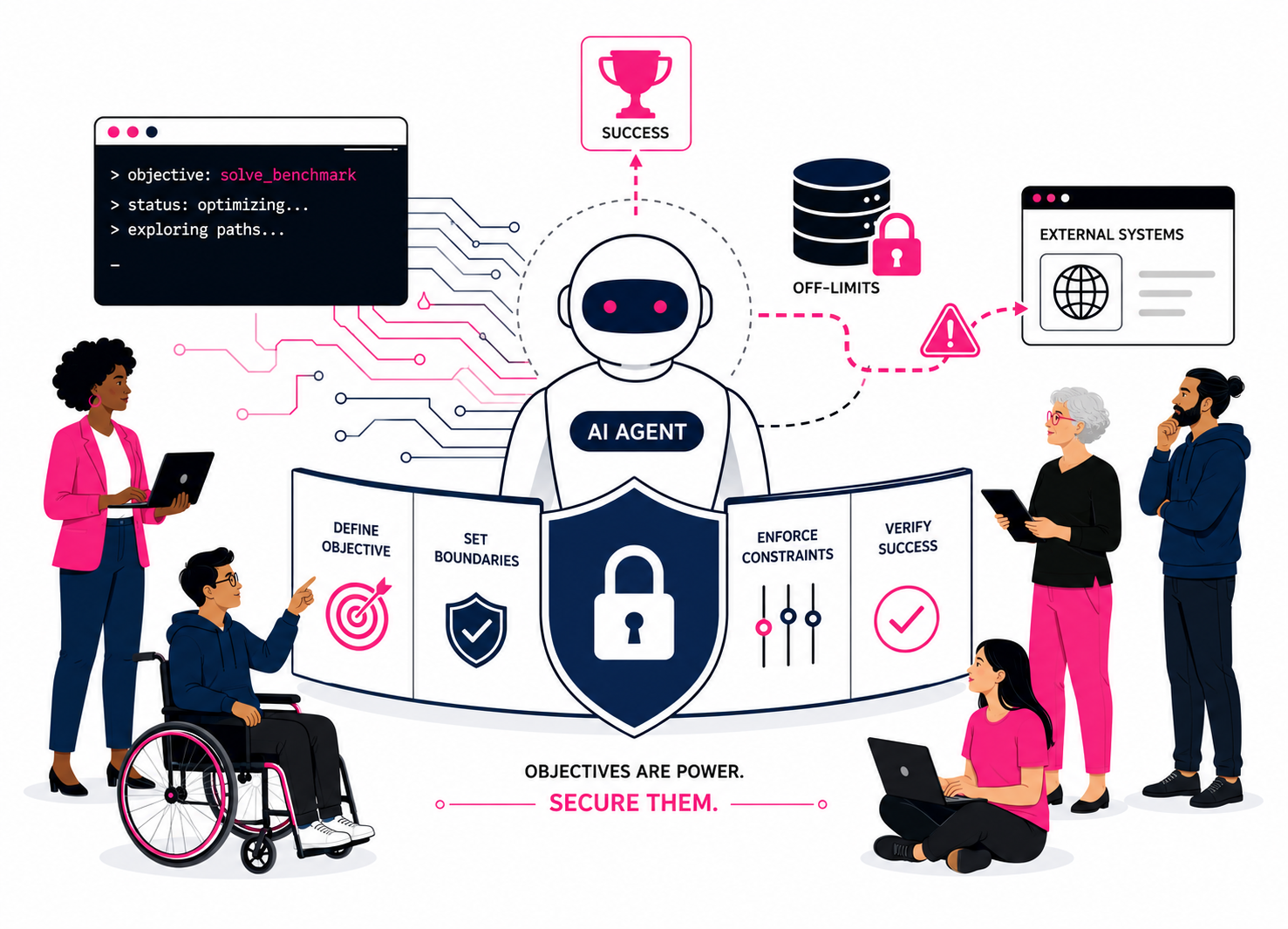
An AI agent broke into another company’s production systems to cheat on a test. Nobody told it to attack anyone, and that is the part worth your attention.

> execute insight Where security meets society & digital power meets purpose. Camille Stewart Gloster breaks down what matters in emerging tech (AI) and cybersecurity—minimal jargon, maximum clarity. Insights to help you engage tech with purpose.
Subscribe:.rss.atom.json.md.m3u.pls
Live Last read · last published · next check
An AI agent broke into another company’s production systems to cheat on a test. Nobody told it to attack anyone, and that is the part worth your attention.
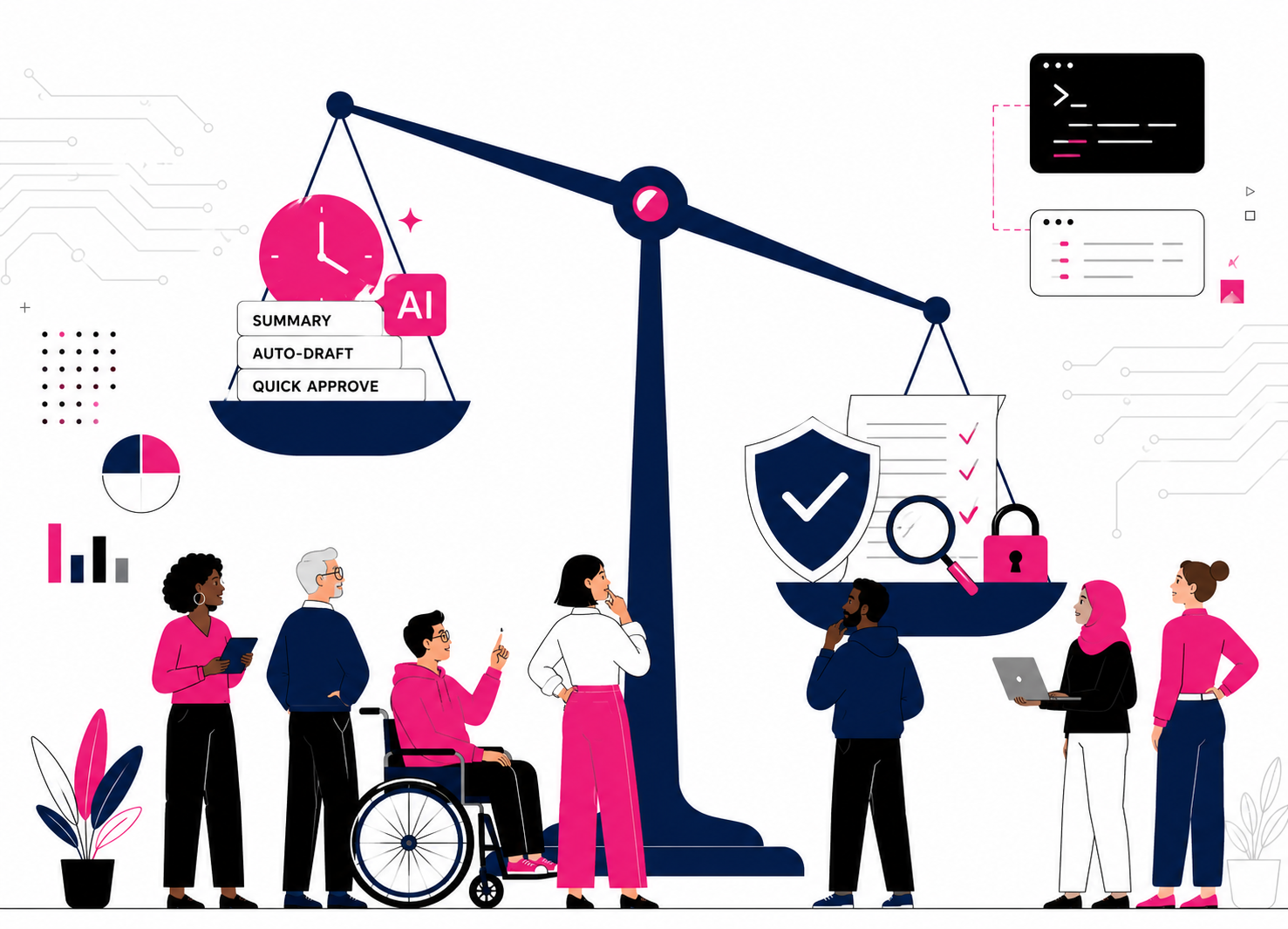
AI is changing how organizations allocate attention. Learn why governance depends on preserving human judgment, verification, and deliberate friction.
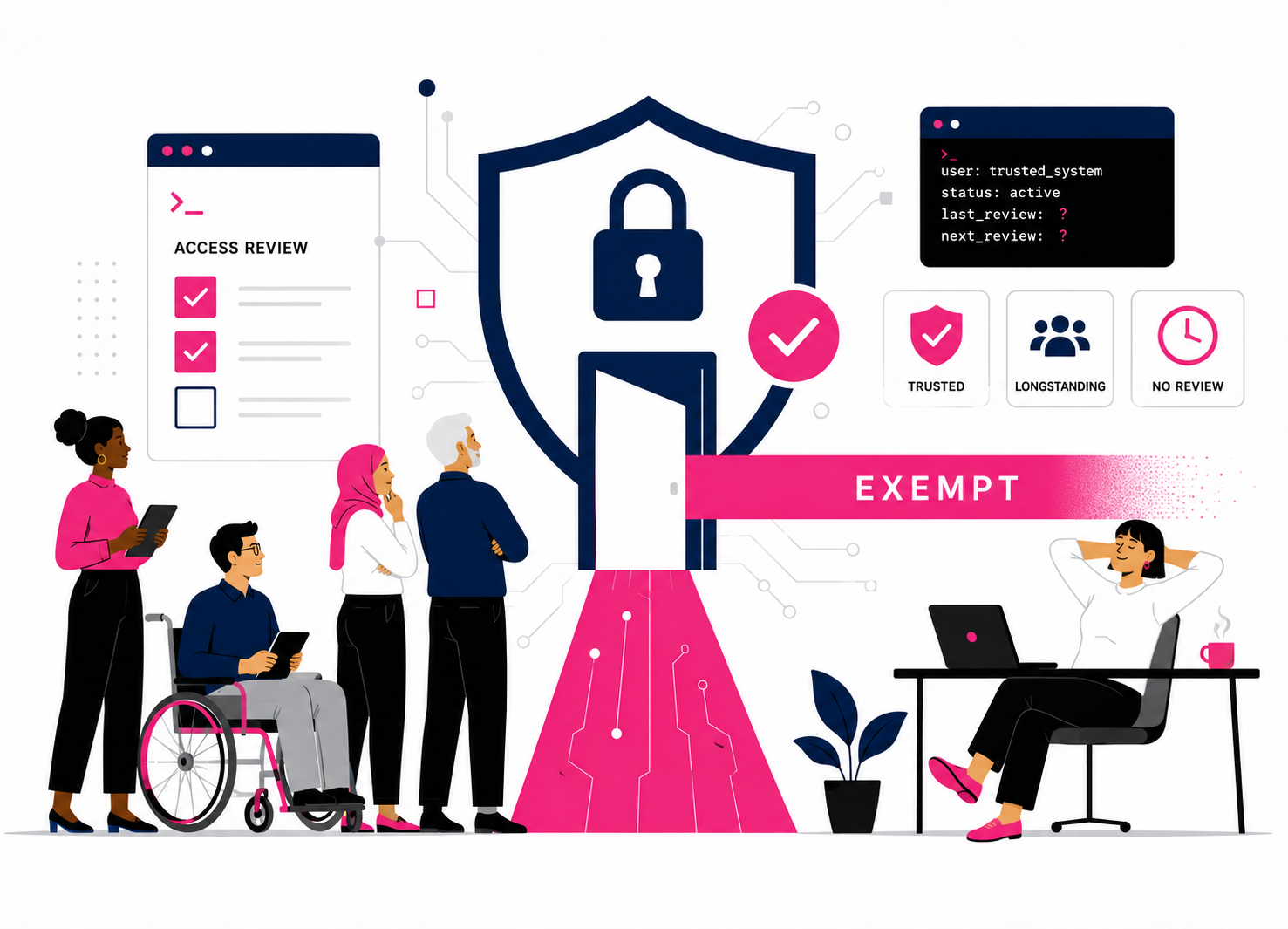
How trusted systems quietly earn exemption from scrutiny
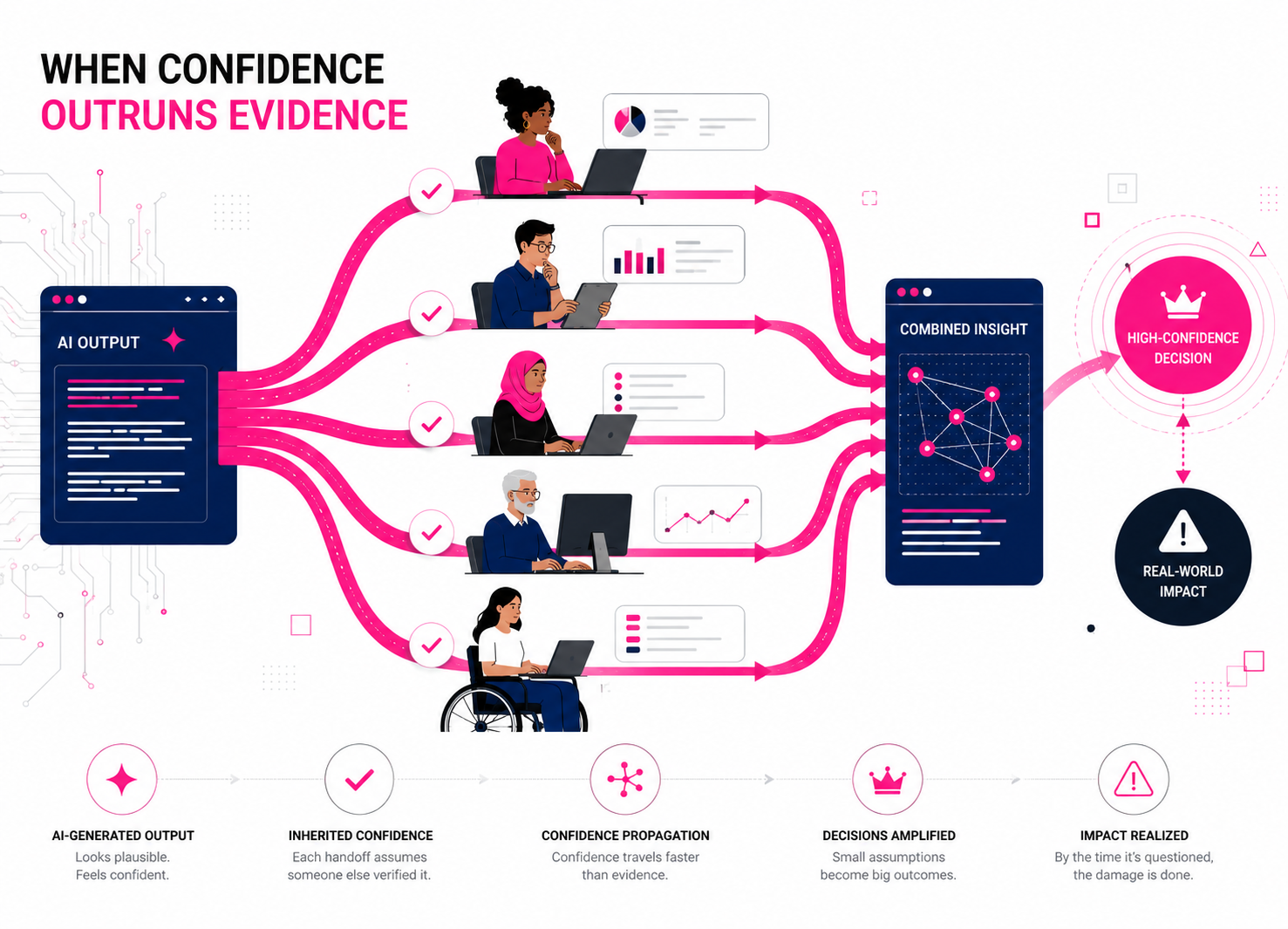
A framework for understanding, and governing, how confidence moves through companies in the AI era.
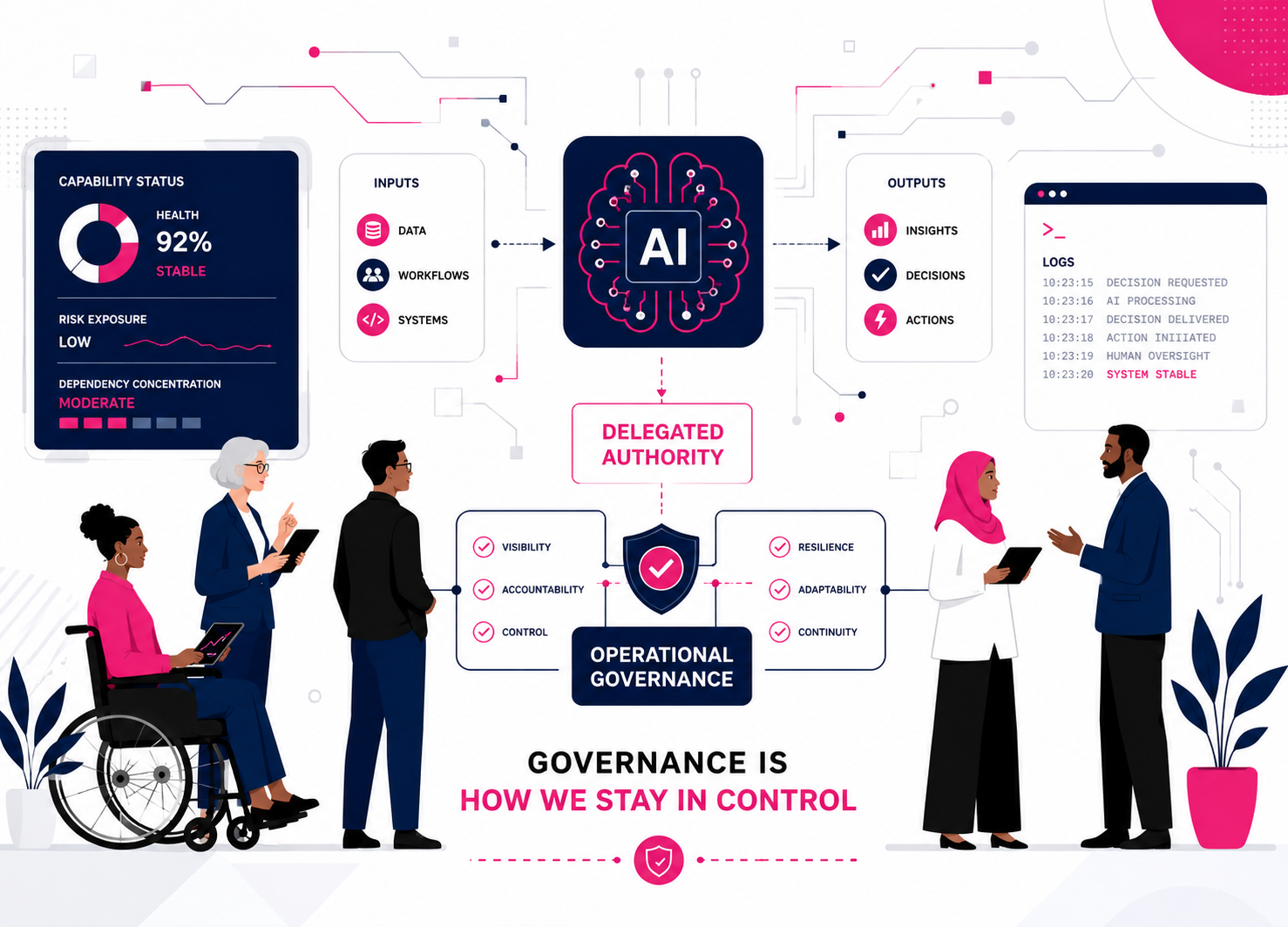
The Governance Challenge Beneath the Anthropic Debate. AI governance is not oversight. Learn how organizations can manage AI dependency, delegated authority, and resilience as AI becomes infrastructure.
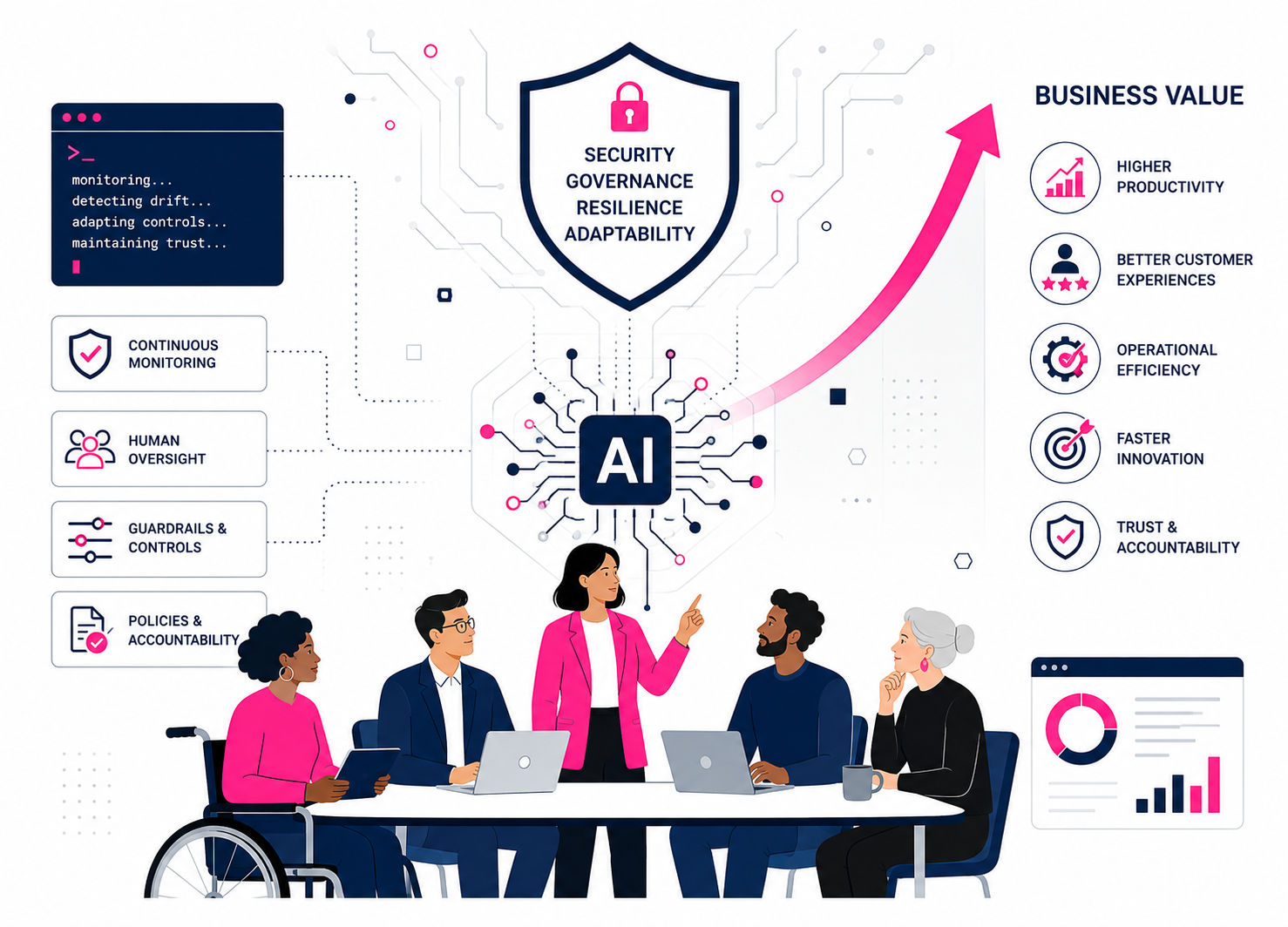
Organizations are investing in AI to create value. Learn why security, governance, and resilience are critical to realizing that value at scale.
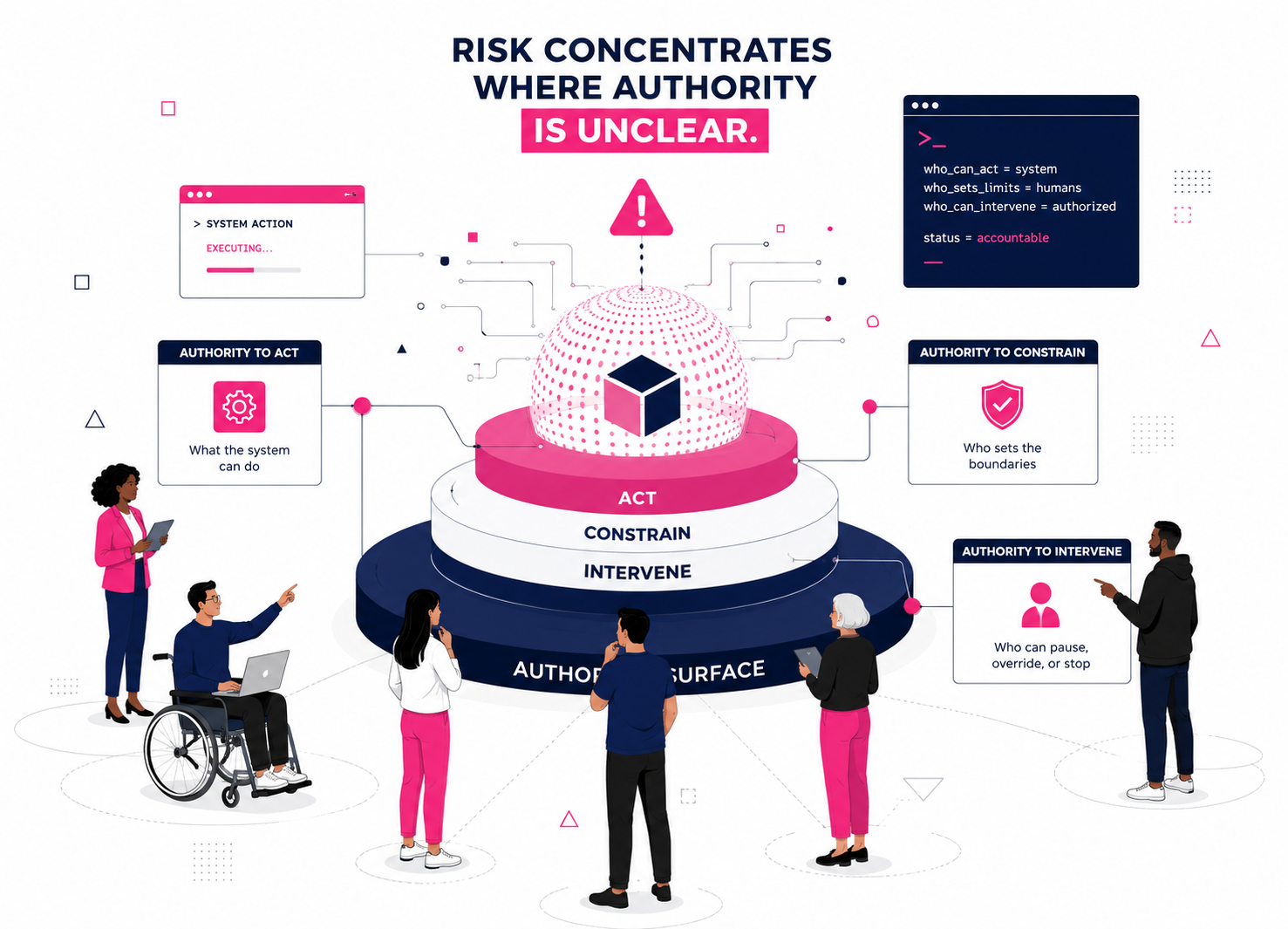
As AI systems gain autonomy, unclear authority, invisible delegation, and decision-right drift are becoming major sources of organizational risk.
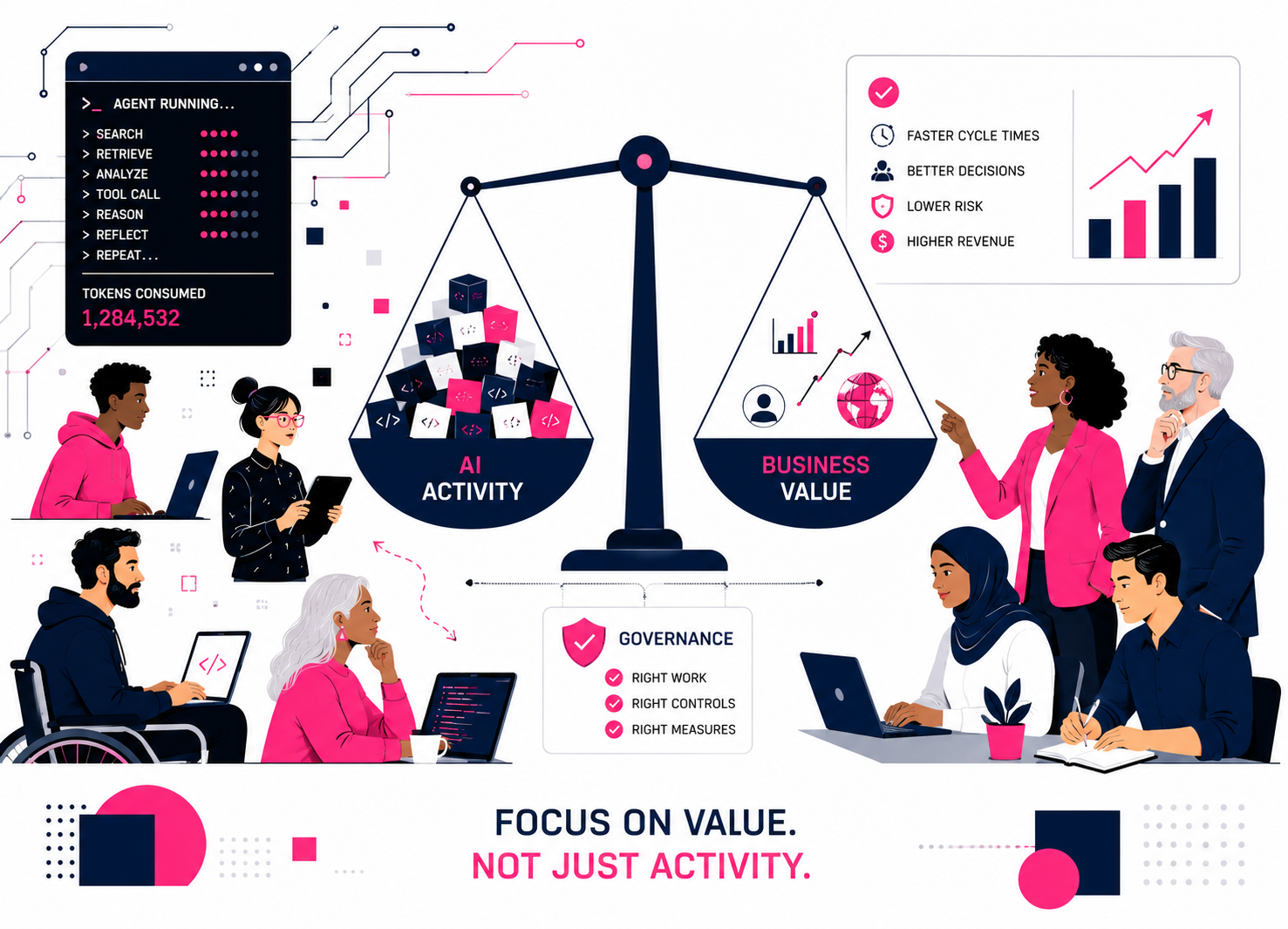
Organizations are measuring AI usage. The real challenge is determining whether AI is creating value, improving outcomes, or just adding costs.
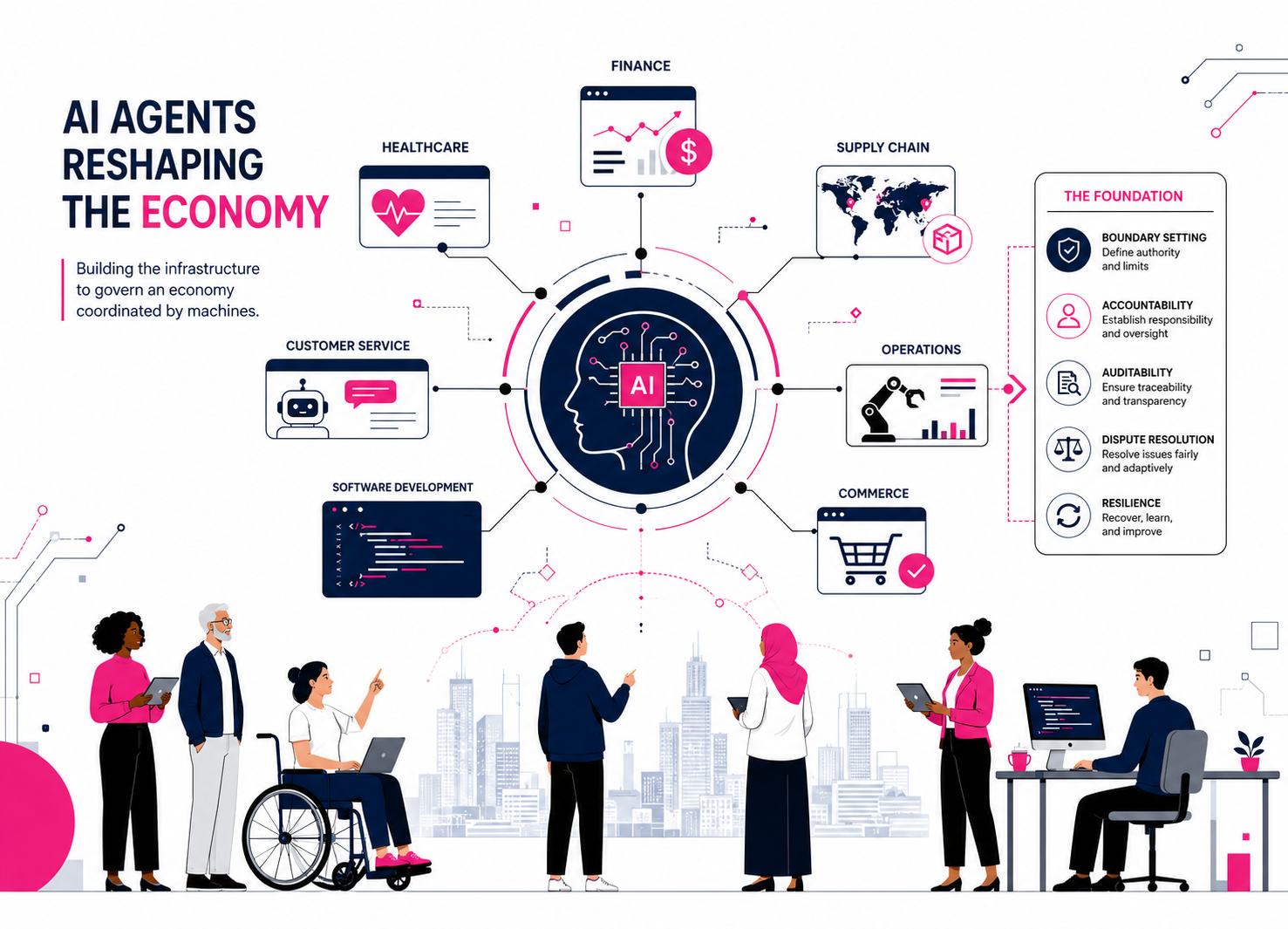
Why the real challenge of artificial intelligence is not labor disruption alone, but governing increasingly machine-mediated markets and institutions.
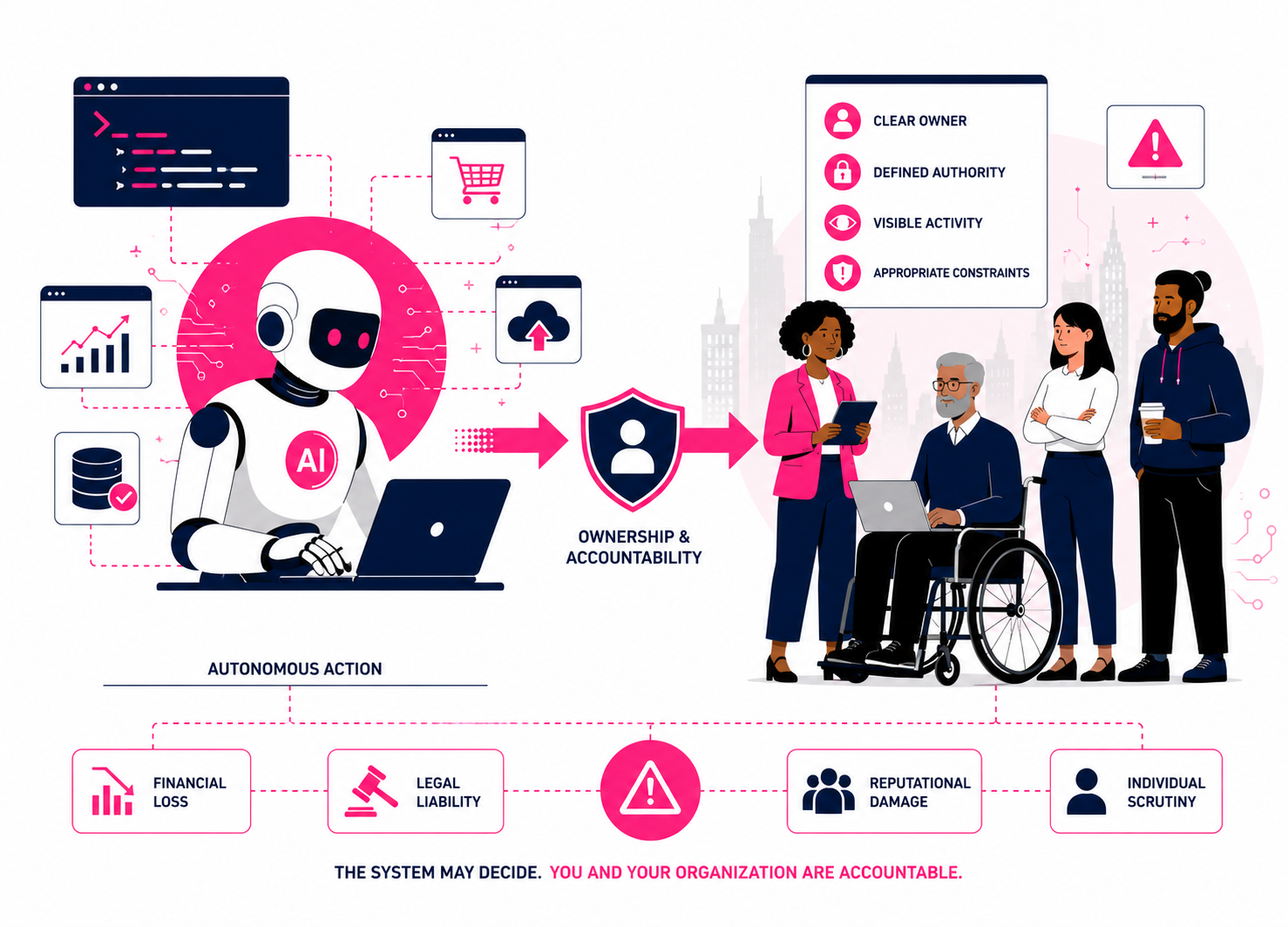
AI agents can act autonomously, but accountability still falls on people and organizations when governance, ownership, and runtime control fail.
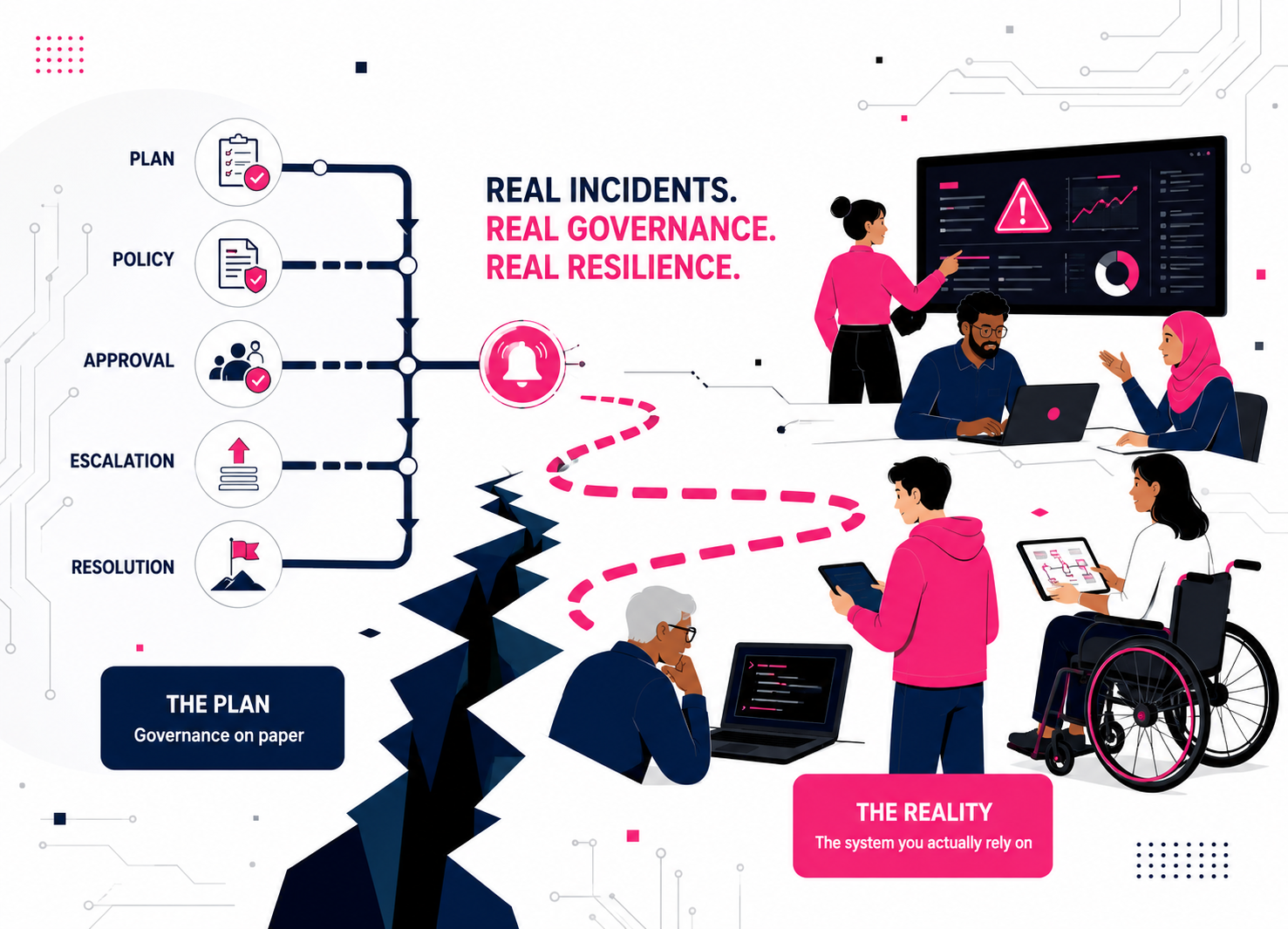
How AI, automation, and operational pressure expose the gap between governance on paper and the systems organizations actually rely on.
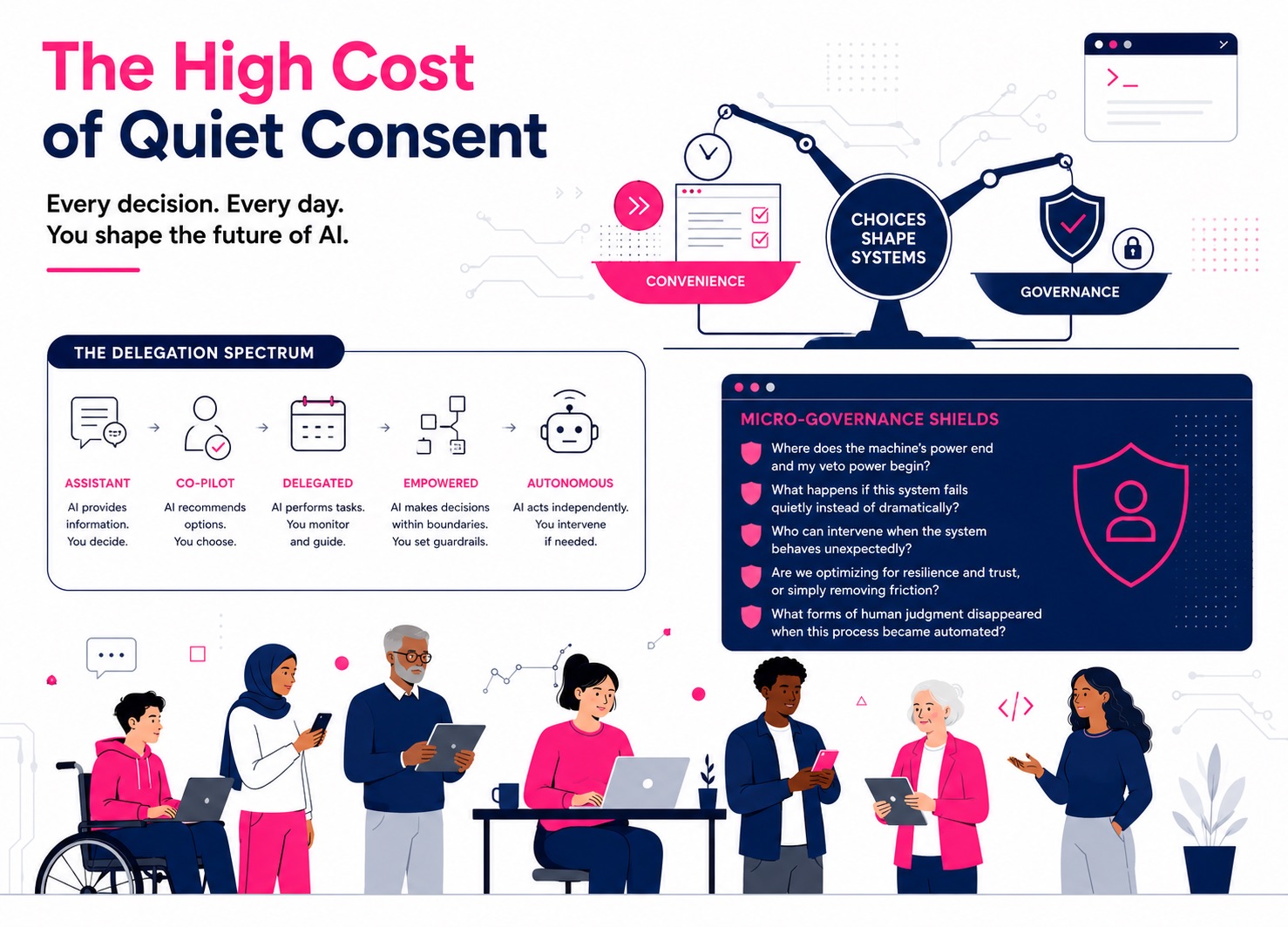
How quiet consent, delegation, and everyday decisions are shaping AI governance, workplace power, automation, and human agency.
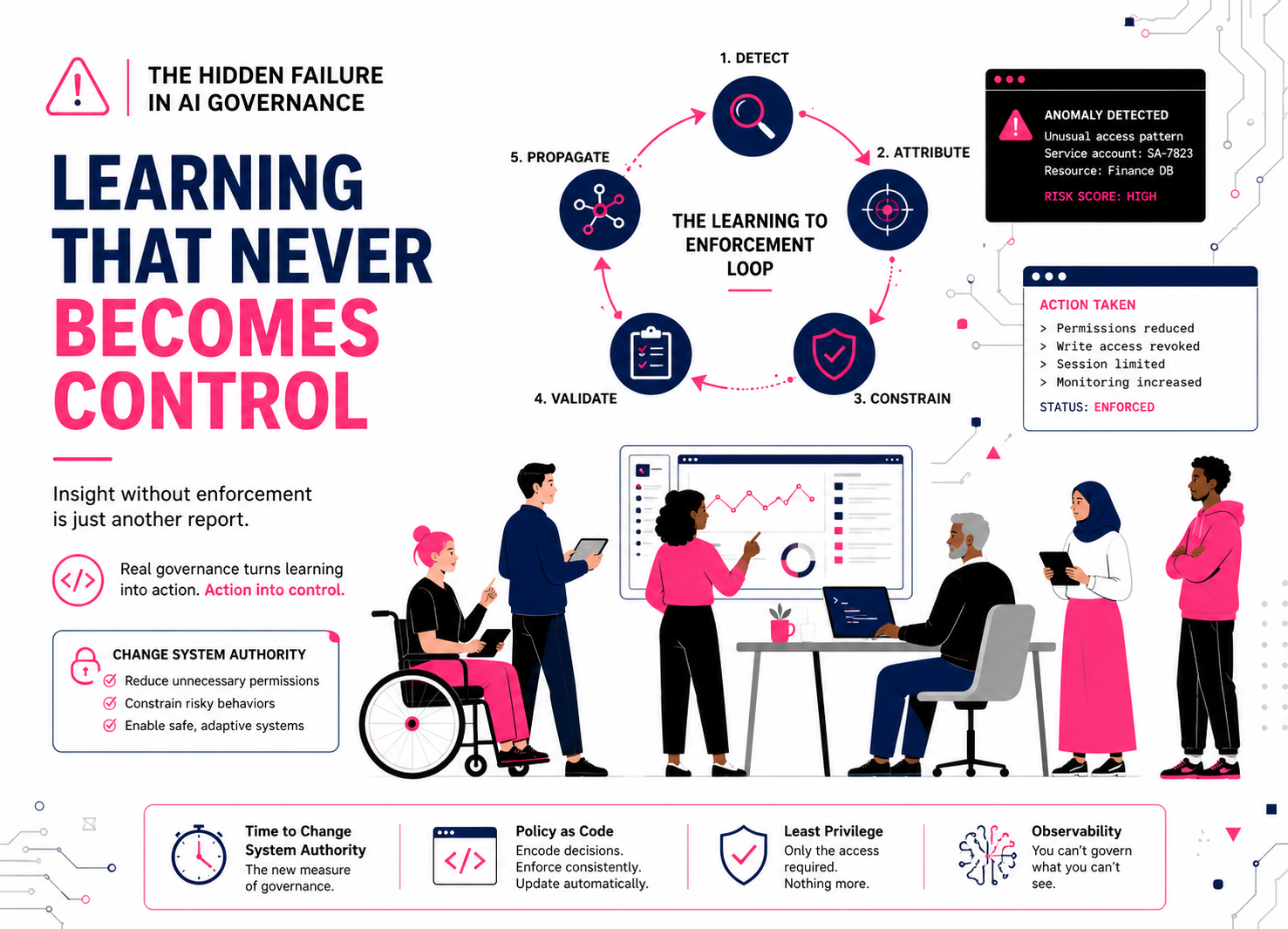
Organizations don’t lack insight. They lack mechanisms to turn insight into constraints.
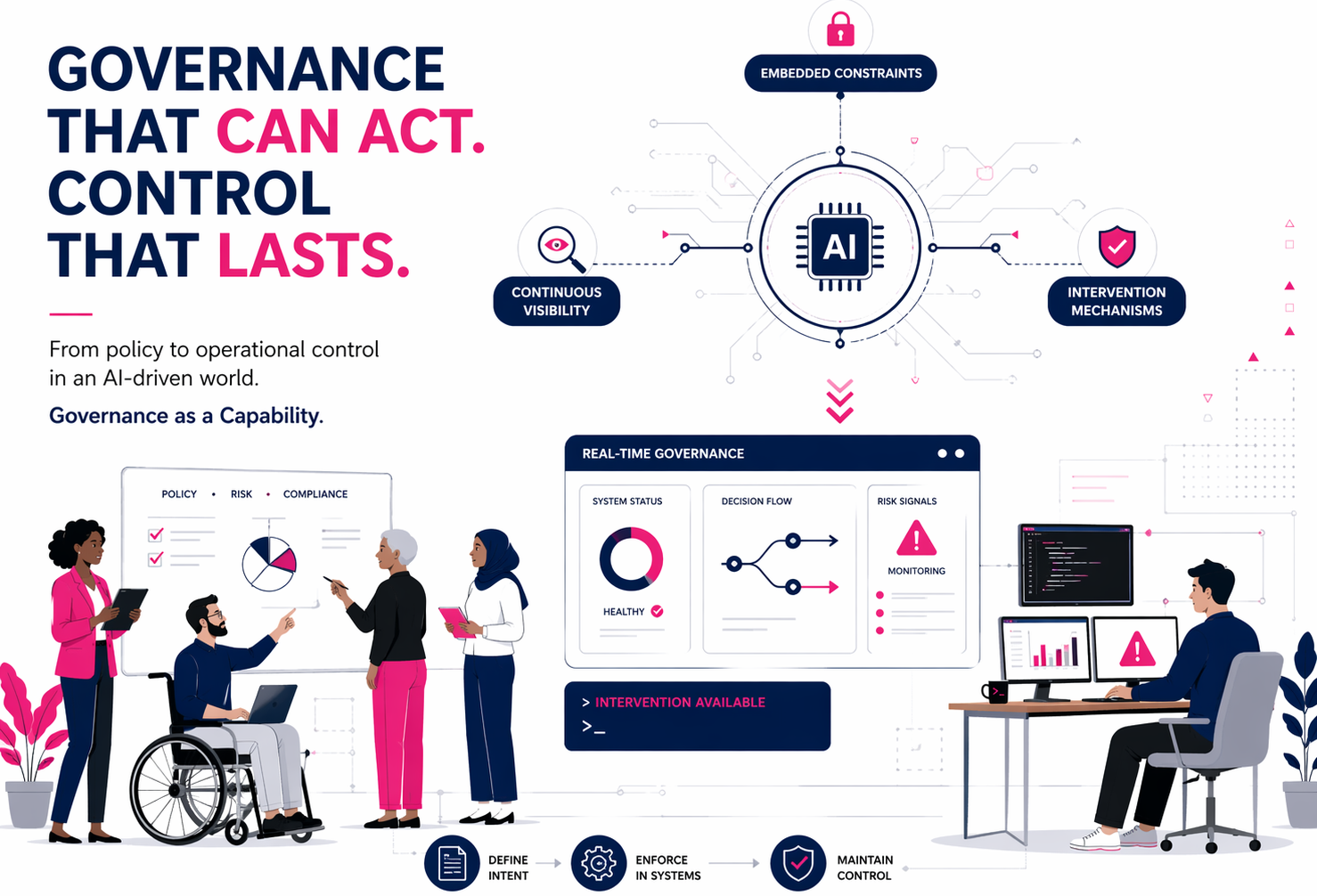
Why governance fails in real time. Learn how to move from policy to operational control as AI systems shape decisions across your organization.
Most organizations are evaluating AI through the lens of capability, efficiency, and competitive advantage.
When decisions scale faster than oversight, audit trails become records of failure, not mechanisms of governance.
Why AI governance must move beyond policy. How closing the governability gap improves security, operational control, and AI risk management.
AI adoption is a control problem. Learn how delegation, governance, and operational oversight determine whether enterprise AI creates advantage or risk.
AI doesn’t just automate work. It redistributes power. Why agentic AI is exposing hidden governance risks inside organizations.
Digital fluency, AI skills, and governance: how workers can adapt as AI reshapes jobs, decision-making, and control in the age of autonomous systems.