
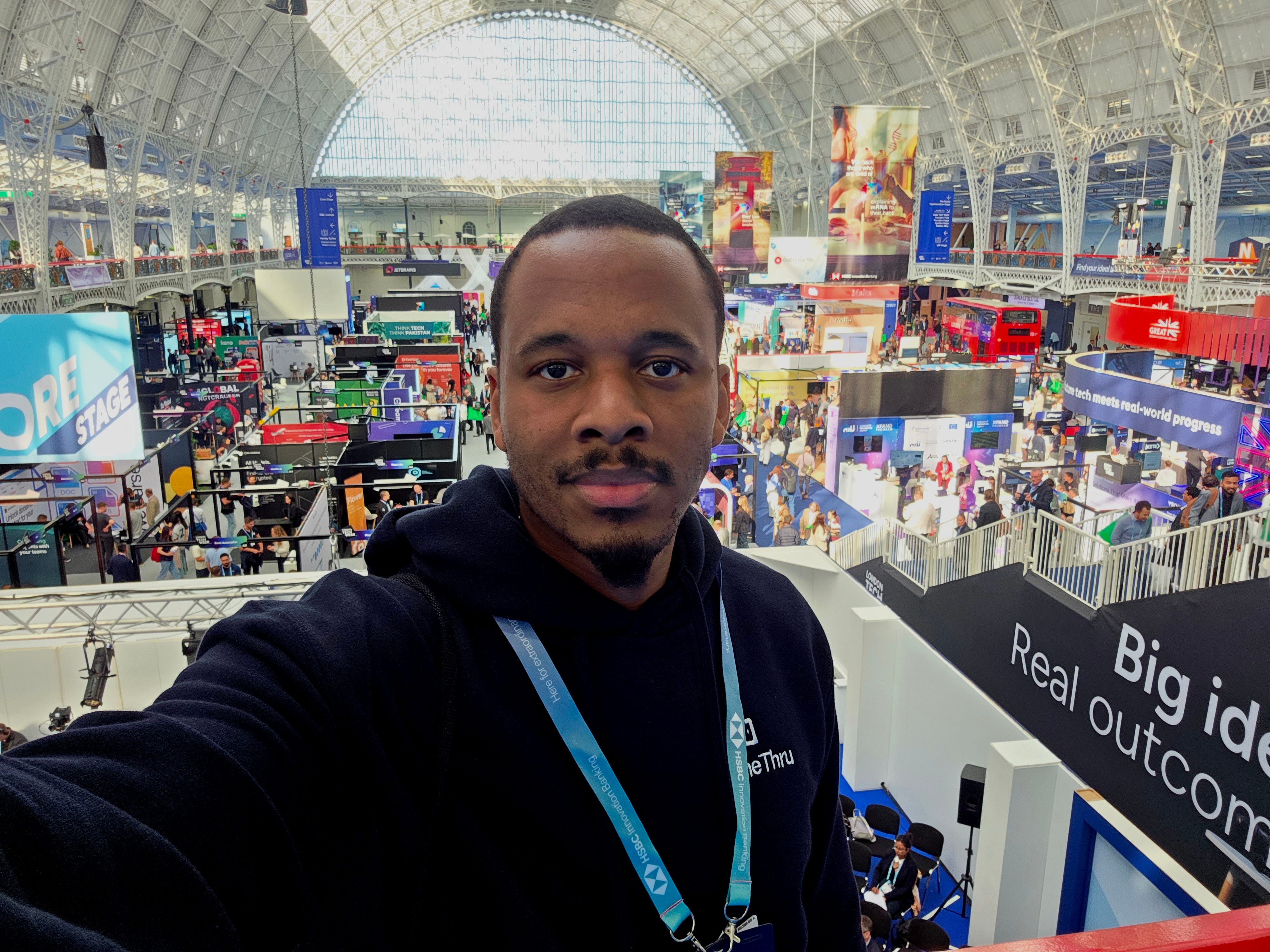
I have spent a lot of my life being the only one in the room.
Rooms full of brilliant people. For about a decade I ran large global transformation programmes as an infrastructure project manager, delivering for the likes of Rolls-Royce, HSBC and Direct Line. Serious rooms, high stakes, a lot of money and a lot of moving parts. And more often than not, I was the youngest person in there carrying it. I was the one responsible for delivery, sitting across from hyper-intelligent engineers who could see systems in their heads that the rest of us could not, and I had to project a level of competence I did not actually have yet. Learning on the job while looking like I already knew. I have also stood on building sites in a hard hat, a completely different world from the boardroom but full of its own kind of expertise, where you earn your place a different way again.
Different rooms, same lesson. Often I was the only one who looked like me in them, and the youngest one delivering. So I learned to read a room before I spoke in it.
Here is the thing people do not tell you about that. Being able to hold your own in a room is not the same as being seen in it. You can walk into almost anywhere, handle yourself, contribute, and still spend the whole time being quietly weighed up. You listen more than you talk, partly because you genuinely want to hear from the people who have already done the thing, and partly because you are working out, in real time, whether you belong there or whether you are just being tolerated. I got good at it. But getting good at something is not the same as it being easy. Every one of those rooms cost me something on the way in.
And here is the uncomfortable part, the part I have had to be honest with myself about. We all do this to each other, all the time, without realising. We size someone up in a second, before they have said a single word. What they are wearing. How they carry themselves. Whether they look like they belong. I was talking to someone recently about how even the simple fact of being a member somewhere, versus not being a member, changes how people treat you in a space. And it cuts both ways. I have been on the wrong end of those snap judgments plenty of times. I have also made them myself, more times than I would like to admit, decided I had someone worked out, and then found out later they were nothing like what I had assumed. An investor. A founder, even friends. Someone who could have changed everything, walking past because I read them wrong in a glance based on what they were wearing. We are wrong about each other constantly, and most of the time we never even find out.
That is the real reason CameThru exists. Not because I love networking. I don’t. I built it because I know what it feels like to walk into a room and be read wrong, to be judged before you are known, and to have to perform just to be understood. I wanted to take that weight off. I wanted the room to be legible before anyone had to prove themselves. I wanted people to be able to do their due diligence on each other properly, to actually look and find out who someone is, rather than deciding in a glance and getting it wrong.
On 23 July, I got to watch that work.
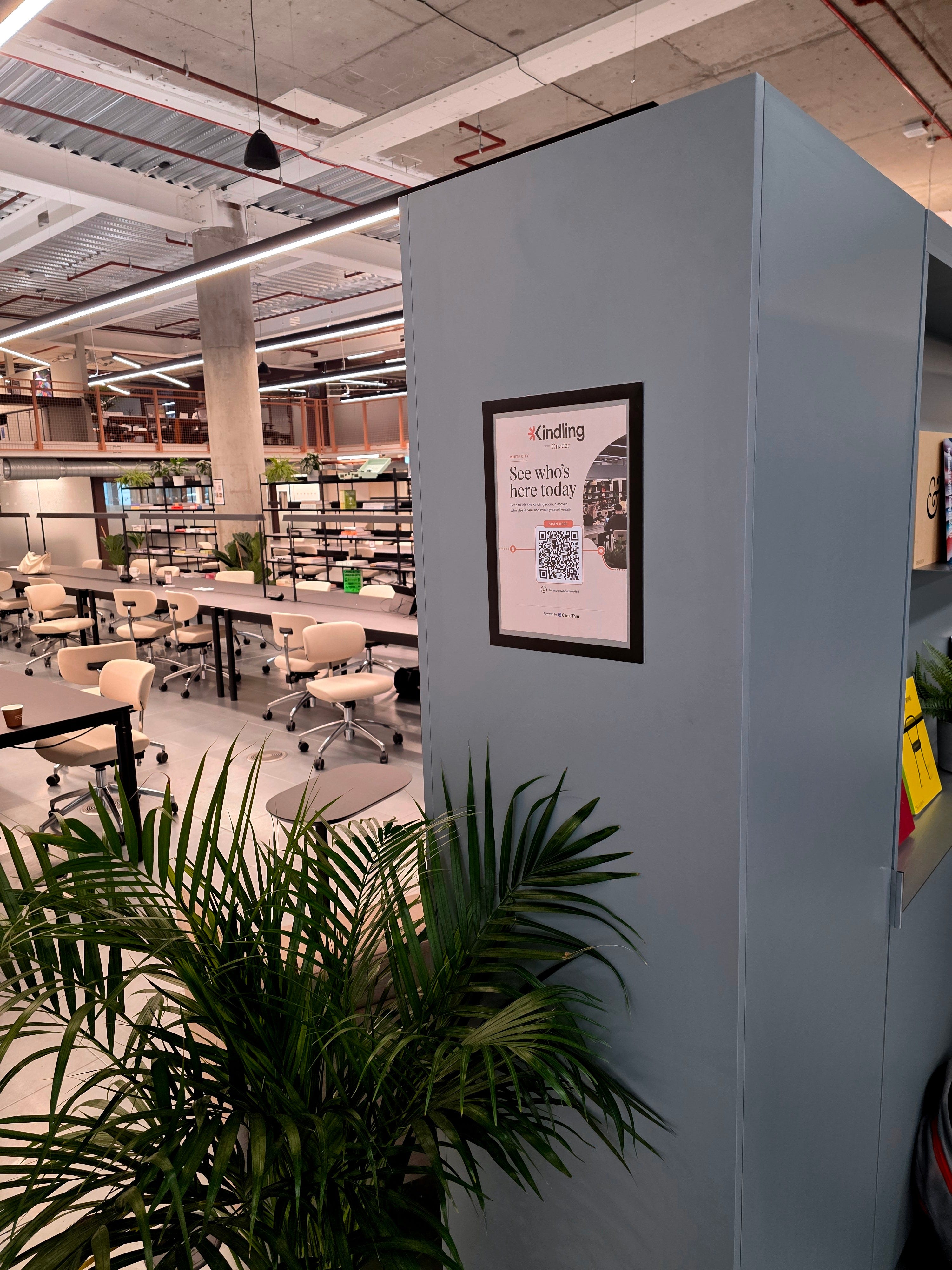
We ran CameThru at the Kindling Freelancer Coworking Day at White City. A room of freelancers, most of them there on their own, most of them not knowing a single other person in the building.
By the end, 98 of them had joined CameThru from a QR code, no app, no download. And when I read back what people had written about why they came, the whole point of the thing was right there in their own words:
“To meet other freelancers to connect with and learn from, as I’m starting my own freelance journey.”
“Looking to connect with Black and global majority female founders.”
“Connecting with neurodivergent talent to discuss a gamified enterprise builder.”
“Building an over-25s makerspace and members’ club for minority makers, creatives and founders in West London.”
“Boost my productivity” (from someone writing their dissertation).
“Looking for people in this room who run events, own venues, or build communities. You are exactly who I built this for.”
Every one of those is a person being visible on their own terms. Not working the room. Not performing. Just seen, and easy to find.
That is the thread through all of this. The right kind of room. The kind where the person who is quiet, or new, or the only one who looks like them, gets to be seen without having to fight for it.
I built CameThru for the rooms I struggled to walk into. It is turning out to be for a lot of other people’s rooms too.
I will share what actually happened on the day next, the numbers, the vibe, and a detail from the room you genuinely could not make up. That is part two.
Fenton
Comments
Nothing yet. Say the first thing.
Sign in to join the conversation.