
Inside this issue
Notion’s Developer Platform: code that runs on their infrastructure
ClickUp 4.04: Gantt Baselines and “ClickUp inside ChatGPT”
monday.com: a quiet fortnight (and one thing worth checking anyway)
Microsoft makes MCP the default, and what it means for the rest of the stack
What Camel Tech does
Notion just made itself a backend
On May 13, Notion shipped a real Developer Platform. The part operators should care about is Workers: hosted code that runs on Notion’s infrastructure. You write the logic (or a coding agent writes it for you), deploy via the new CLI, and it runs in a sandbox. No server to manage.
What this unlocks practically:
Sync any external data source into a Notion database, such as Zendesk tickets, Salesforce records, or internal APIs.
Trigger Notion workflows from webhooks coming the other way (close a task when a PR merges, update your CRM when a subscription changes).
Build custom tools for your Custom Agents that go beyond what MCP covers. Deterministic code, lower token cost than asking an LLM to reason its way through.
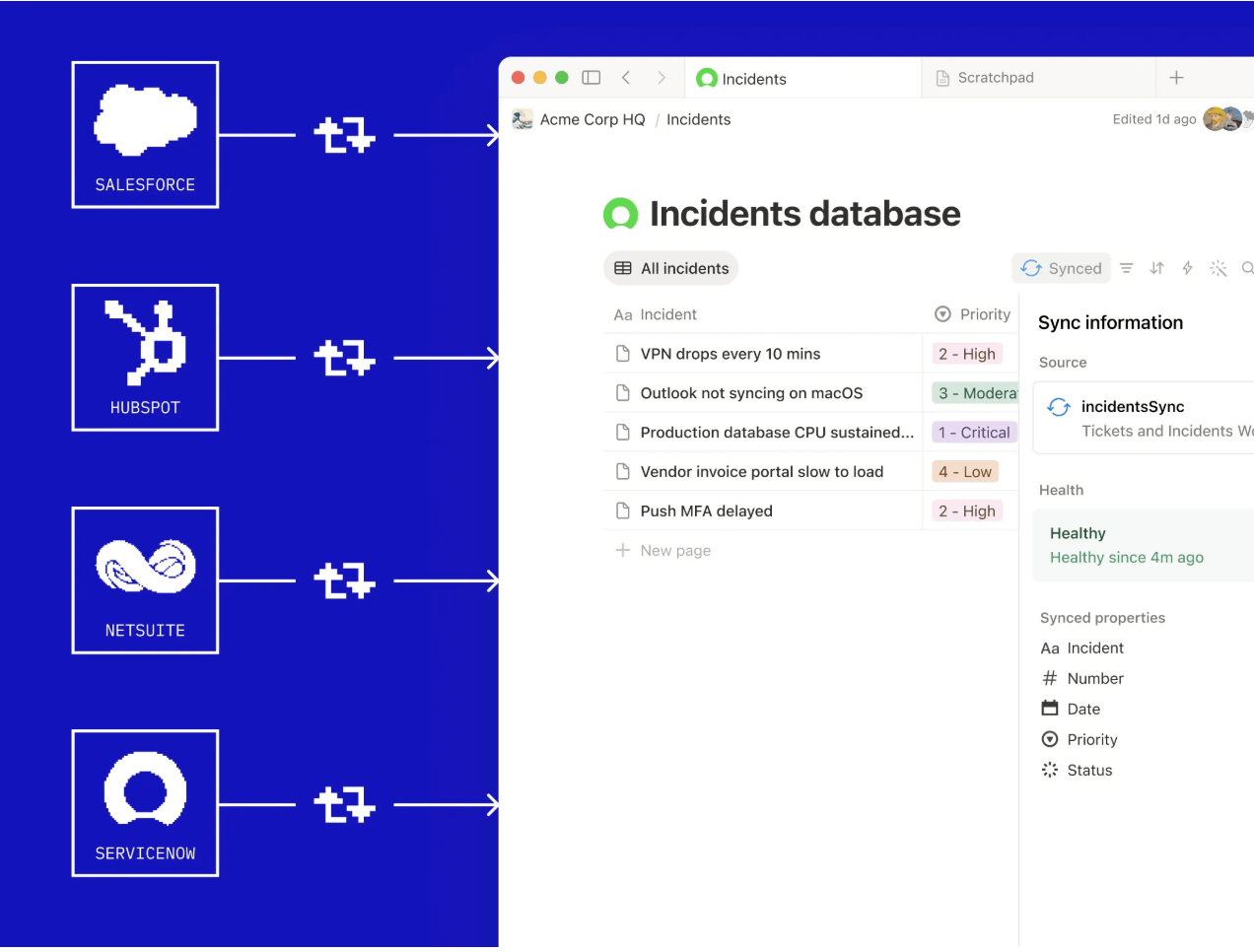
The previous answer to “I need Notion to do X that the native integrations don’t cover” was n8n, Make, or another Zapier seat. For a chunk of those use cases, that glue layer may now be unnecessary.
It’s in beta and free during beta, but Workers move to Notion credits starting August 11, 2026. Worth flagging before someone on your team gets ambitious without checking the meter. Workers docs →
Small but nice in the same window: you can finally merge cells in simple tables. Shipped May 26.
ClickUp 4.04: Gantt Baselines and ChatGPT integration
ClickUp’s most recent release (May 5) shipped two things worth attention.
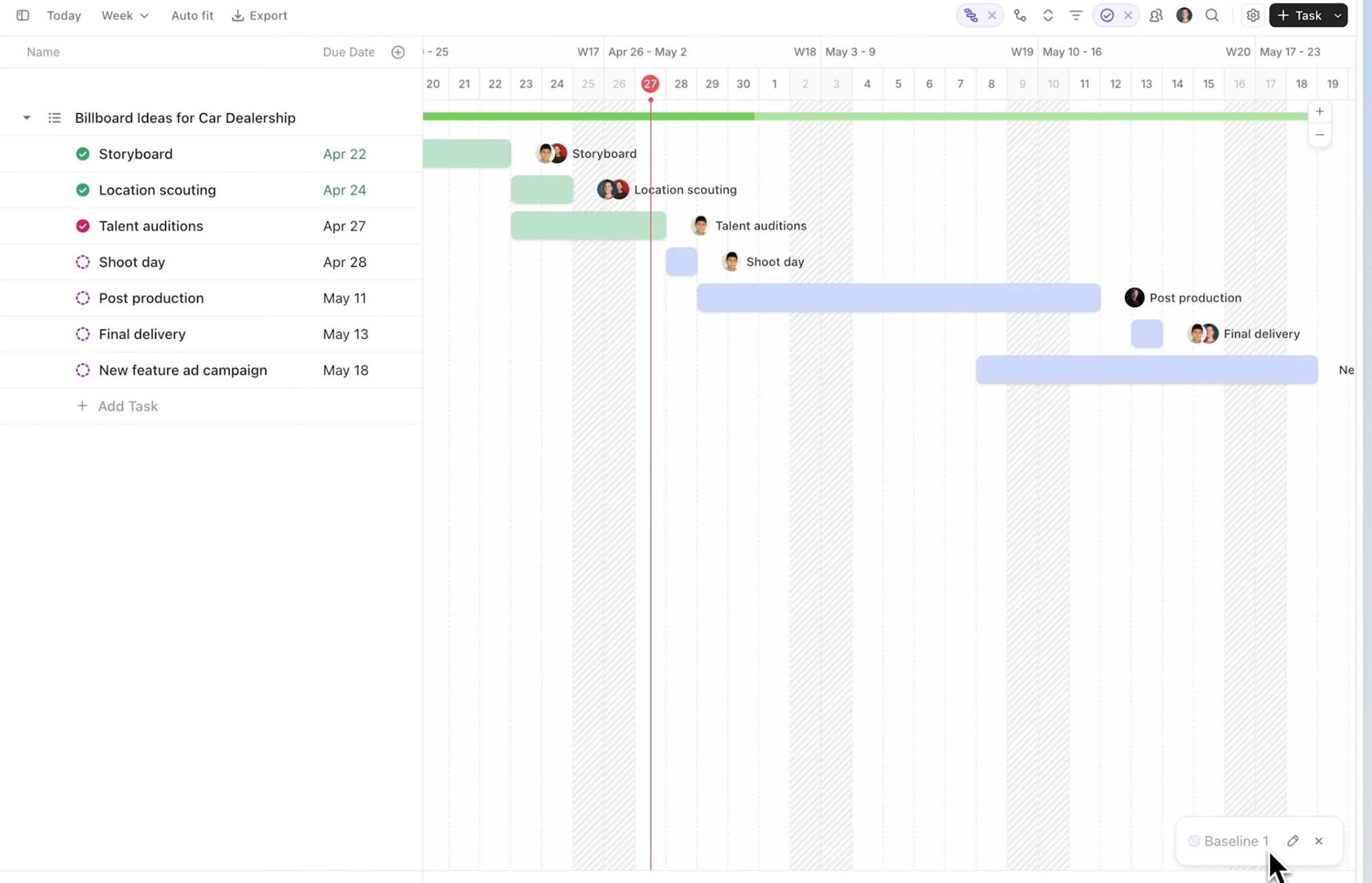
Gantt Baselines lets you freeze a project schedule at a point in time and overlay it on your live Gantt. Plan vs reality, slipped tasks visible at a glance. Available on Business Plans and above. If you do anything resembling client delivery against a quoted timeline, this is the kind of feature that pays for itself in one steering meeting.
The other: ClickUp now installs directly inside ChatGPT (via ChatGPT’s App Store, all plans). Ask ChatGPT to summarize a project or tell you what to work on next, and it pulls live workspace data. There’s also a Cursor integration for the dev-leaning crowd. Useful if your team already lives in ChatGPT and is tired of context-switching to check what’s on their plate.
Brain also went mobile in the same release. If you’ve been waiting to actually use it from your phone, that’s now real.
Monday.com: a quiet fortnight
monday hasn’t shipped anything material in the last two weeks. Most of the recent action has been admin-side: AI governance controls, data retention, managed templates.
One thing worth a look if you missed it: monday’s MCP server is publicly available on GitHub. If you use Claude Desktop or another MCP-aware client, you can connect it to your monday account and let an AI assistant read boards, update items, and pull reports directly, without setting up automations or writing a single Zap. We’ve started using this with clients who want AI access to monday data without building anything custom.
Microsoft makes MCP the default
Here’s the AI news of the fortnight, and it matters even if you don’t use Microsoft 365 Copilot.
On May 5, Microsoft announced general availability of Federated Copilot Connectors, a new class of Copilot connector built on the Model Context Protocol (MCP). Instead of indexing your third-party data into the Microsoft tenant on a schedule, these connectors query the source system live, at the moment of the prompt. The first wave includes Canva, HubSpot, Intercom, Linear, LSEG, Moody’s, and Notion.
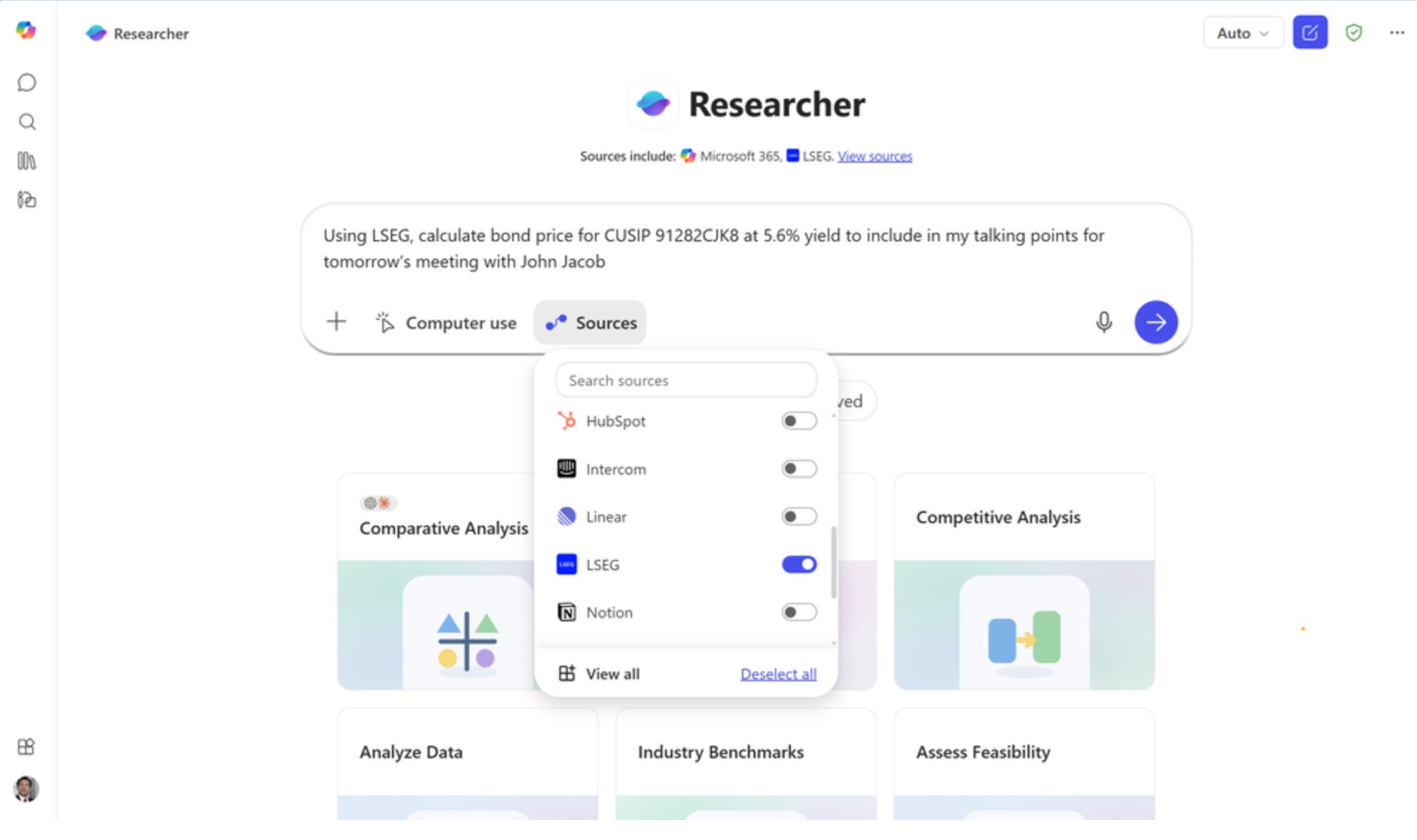
Why this matters beyond Copilot itself: MCP is now the connective tissue of all three major AI vendors. Anthropic introduced it. OpenAI and ChatGPT support it. Microsoft just bet on it for enterprise. ClickUp ships it (May 5 release put ClickUp inside ChatGPT via MCP). Notion is built around it. monday publishes an MCP server. The protocol won.
Practical takeaway: if you’re picking where to invest automation budget over the next 6 months, prefer tools that already speak MCP natively. The cost of bespoke integrations is about to drop sharply, and the value of being inside an MCP-aware tool is about to rise. If you’re already running Notion or monday or ClickUp, you’re well-positioned. If you’re holding out on a niche tool that doesn’t support MCP, that’s a debt that gets more expensive every quarter.
One caveat: every tool we cover now ships its own native agent (ClickUp Super Agents, Notion Custom Agents, monday Sidekick), and they overlap. Don’t build the same workflow in three places. Pick the tool where the data already lives, and let MCP handle the cross-tool reach. Three half-working agents cost more in six months than one well-defined one.
System Confessions Podcast. Ep-01
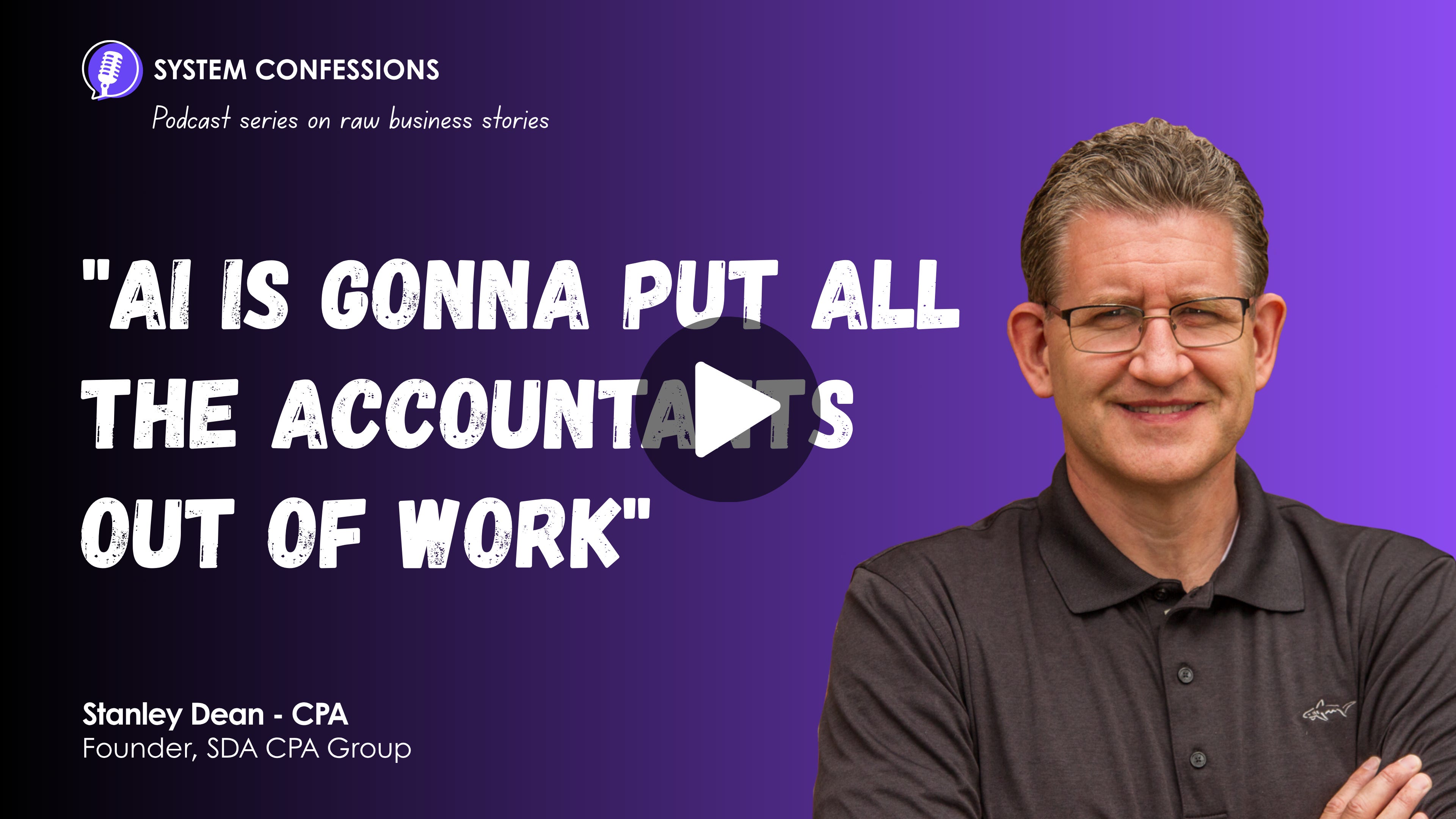
We just released our first episod of System Confessions podcast where founders share their ra stories that you don’t find on LinkedIn.
On our first episode, Stanley Dean, founder of SDA CPA Group shared his wisdom, struggles, take on AI from his 23 years experience of building the business.
What Camel Tech does
At Camel Tech, we help you build a AI Native, Systemized, and Scaleable Business.
We systemize your operations first, then transform them into an AI-native business so you can scale, replicate, or exit without burning weekends.
We build AI workflows that sit inside the tools your team already uses (ClickUp, Notion, monday, Slack) instead of adding another tab.
If you’re trying to figure out where AI realistically fits in your ops, we join a discovery call and build an audit with you together.
Camel Tech - camelai.tech
No posts
Comments
Nothing yet. Say the first thing.
Sign in to join the conversation.