
Inside this issue:
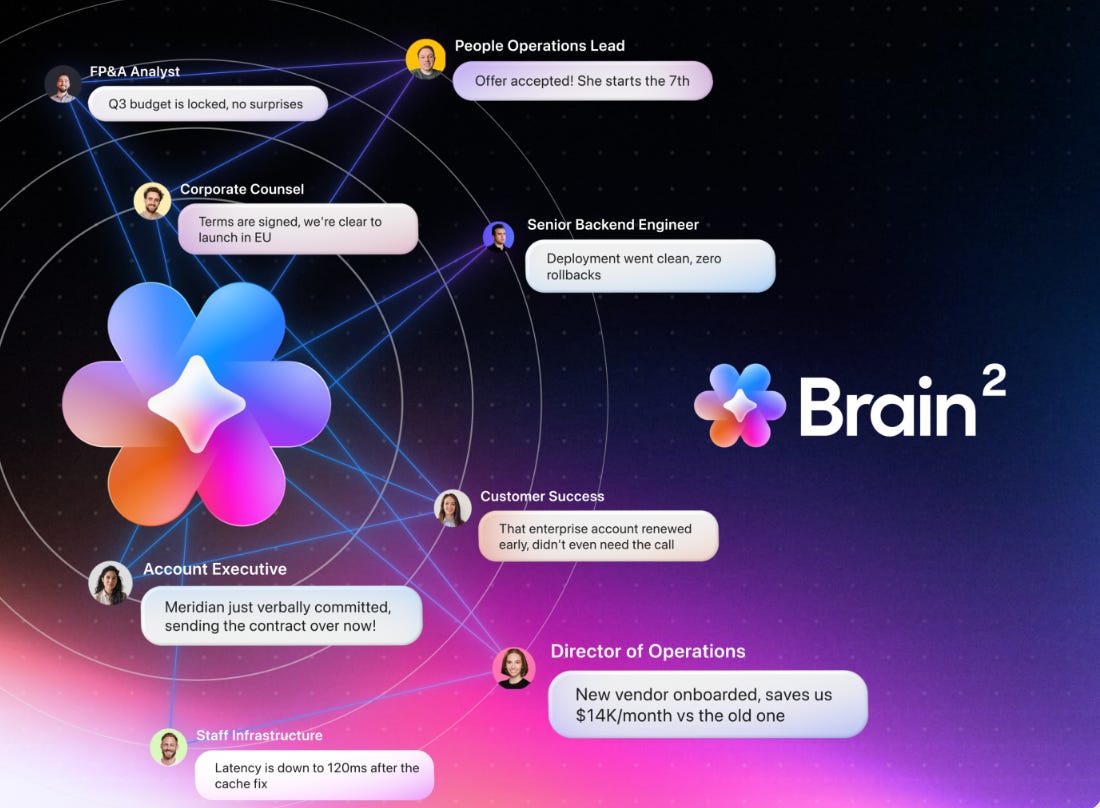
ClickUp’s Brain2 brings agents, memory, and model routing
Notion: auto-triggered agents and Workers beta ending this week
Monday.com adds MCP and human approval to AI workflows
Bending Spoons is buying Airtable, and what to do about it
The MCP spec just went stateless
Claude now watermarks everything it touches
Worth reading: landscaping CRM tools ranked for 2026
Camel Tech is now building niche AI tools for specific businesses
ClickUp launched Brain2 in late June. This is a full rebuild, not a feature update. Model routing now picks the right AI (Claude, GPT, Gemini) based on the task. Memory carries your preferences across conversations, and connected apps like Google Drive, GitHub, and Salesforce plug in when the work calls for it.
The headline feature is Super Agents, AI teammates you can @mention, assign recurring work to, and schedule on triggers. Think of them as automations that can reason, not just follow if/then rules. ClickUp also added Artifacts that turn a single prompt into finished deliverables like decks, dashboards, and prototypes using your workspace data. Brain2 requires the Brain add-on ($9/user/month) or the Everything AI tier ($28/user/month). Learn more on ClickUp’s blog
On July 31, Notion shipped a small but useful update: AI Meeting Notes can now trigger Custom Agents. When a meeting summary finishes, your agent runs on its own. Update a project tracker, post a recap to Slack, or turn feedback into dev tickets, all without anyone remembering to start it. Set it up once in your Custom Agent settings by adding the “Meeting note summarized” trigger.
Notion also added calendar tools on July 16 that let your agent check your schedule, reschedule meetings, and create booking links from the chat. See the full release
Notion's Developer Platform (Workers) has been free during beta, but that ended August 11. After that, Workers run on Notion credits. If you have been testing automations that sync data from tools like Salesforce, Zendesk, or your internal systems into Notion, or if your team built custom agent tools during the free period, now is the time to decide what stays. Workers can also be shared across your team now, so one person can build it and the whole team benefits. If you are on a Business or Enterprise plan and have not explored Workers yet, the free window closes this week.

Our AI Native service now goes deeper in tool building. We are building custom AI tools for specific businesses and departments. We already have software engineers on our team, so this is a natural extension of what we do.
Two projects in progress right now. We are building a full AI operating system for a multi-location car wash company that handles shift scheduling, chemical inventory tracking, customer flow, membership upsells, and location-level reporting in one system. Once proven, the product will be licensed and sold to other car wash operators, turning one company’s operations investment into a new revenue stream.
We are also working with a global HR consulting firm (5000+ employees) to turn the founder’s 23 years of expertise into a productized AI engine the firm can license to other organizations. Same idea: turn a thought leader’s knowledge into a franchise-style business where AI delivers the value at scale, without the founder being in every conversation.
If you want to productize your expertise, build a niche AI tool, or turn your domain knowledge into a sellable product, reply to this email.
See more of our business systemization and AI transformation services. Visit Camel Tech
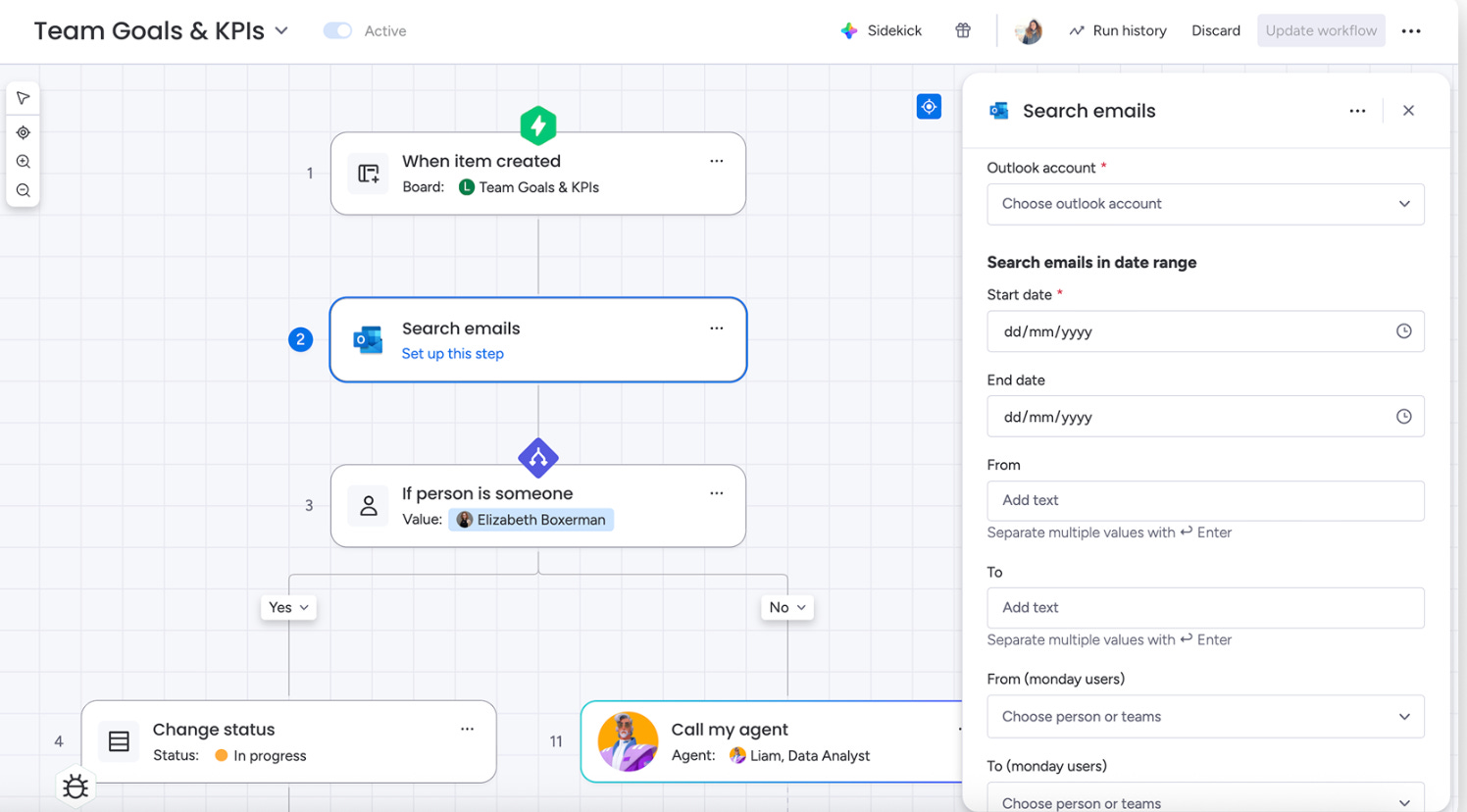
Two updates worth knowing. On July 16, Monday.com added the MCP Block for AI Workflows, letting you connect any third-party app with a public MCP server directly into your workflow builder. No waiting for native integrations. Read the details
On August 4, they shipped a human-in-the-loop block that pauses any AI workflow, sends an approval request, and branches based on the response. This is what makes AI workflows safe enough for client-facing processes, not just internal experiments.
On August 4, Bending Spoons agreed to buy Airtable for $1.28 billion in cash. Airtable was valued at $11 billion in 2021, so this is a steep drop, and the buyer’s track record is what has people worried.
Bending Spoons runs a well-documented playbook: buy mature software with loyal users, cut staff hard, raise prices. They did it with Evernote (Pro went from $37/year to $250/year), Vimeo, WeTransfer, and Eventbrite. If the pattern repeats, expect a free-tier squeeze and significant price bumps within 12 to 18 months.
If your team runs on Airtable, you do not need to panic-migrate today, but having a plan makes sense. Here is how the alternatives line up:
Monday.com is the closest match if you rely on structured databases and automations. Column types, views, and the workflow builder will feel familiar.
Notion works better if your usage leans toward knowledge management, linked databases, and docs. Less strong on automations, but the AI agent layer adds things Airtable does not have.
ClickUp fits teams that want project management plus database-style views in one place, with Brain2 adding AI context across the workspace.
If you want help mapping your Airtable setup to one of these, reply to this email. We have done this migration for multiple teams.
On July 28, the Model Context Protocol published its biggest update since launch. MCP is now stateless at the protocol layer. Previously, every connection required a persistent session tied to one server. That worked for demos but broke at scale.
Now MCP connections can be routed, cached, and load-balanced like normal web traffic. ClickUp, Monday.com, and Notion all support MCP already, and this update makes those connections production-ready. If your team connects AI agents to more than one app, MCP is the standard way to do it now. Read the spec announcement
As of August 2, every new Claude model embeds an invisible watermark into the text it generates. It is applied at the model level, travels with copy-paste, and may survive some editing. Anthropic built this to comply with the EU AI Act’s Article 50, but it applies worldwide. Heavy paraphrasing or translation can strip it. Images get C2PA metadata instead, which a screenshot removes. No public detection tool exists yet.
Here is the risk worth thinking about: the watermark does not prove Claude wrote the content. If someone drafts an op-ed by hand and pastes it into Claude to tighten the language, that text now carries a mark. A detector could flag it as AI-generated, which is technically true but completely misleading. If your team uses Claude for editing or research, write a short internal policy defining what counts as AI use, keep authorship receipts (timestamps, revision history, notes), and have a holding statement ready before someone else runs the detector for you. Read from Claude
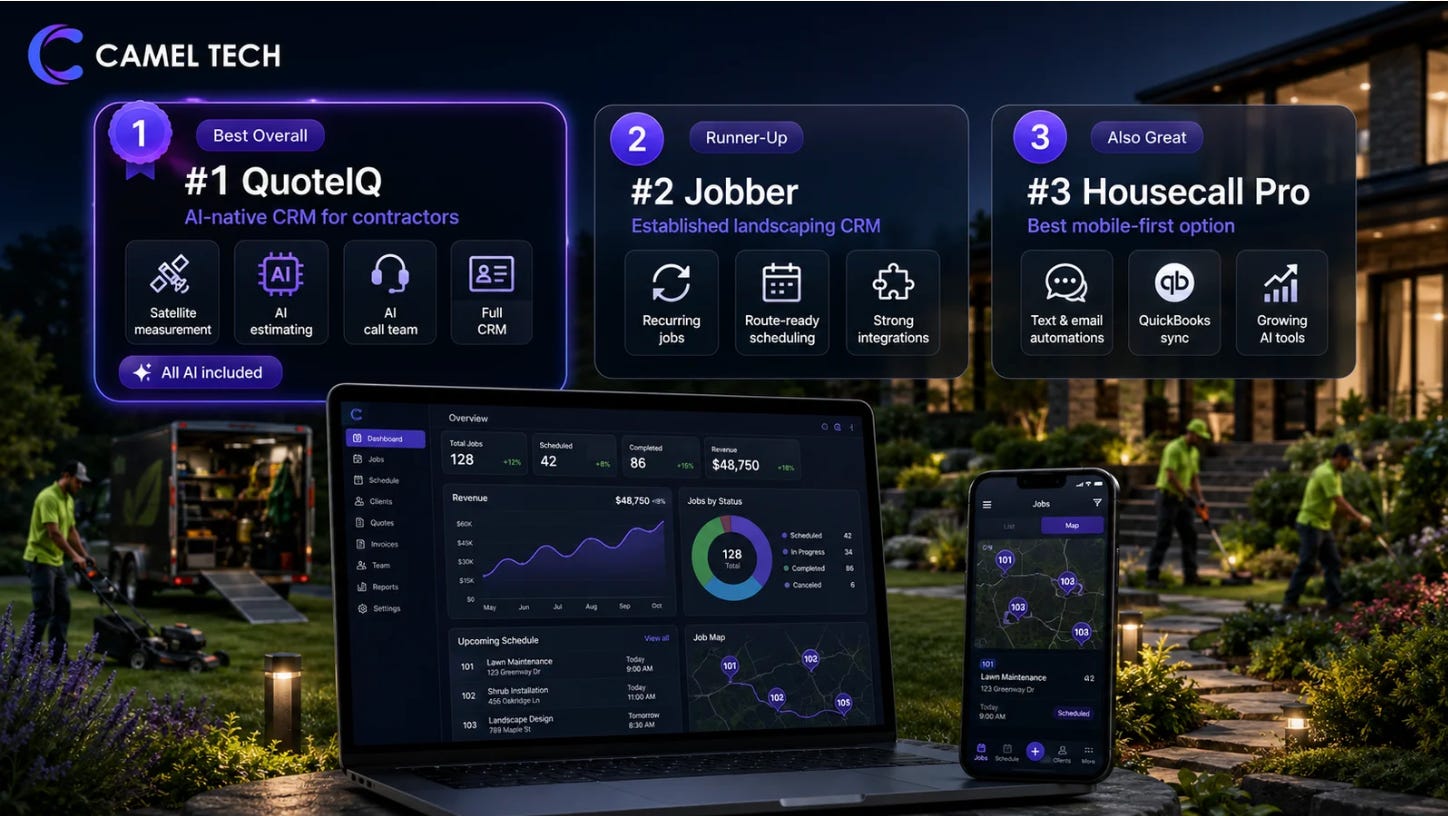
We published a deep comparison of the top 10 landscape CRM tools for 2026, ranked by AI depth, automation capability, and what a real 5-person crew actually pays (not the entry price on the marketing page). If you work with landscaping clients or run a field service operation, this one is practical. Read the full breakdown
Looking to transform your business with AI and automation? See how we have helped 100+ companies like yours. Visit Camel Tech
No posts
Comments
Nothing yet. Say the first thing.
Sign in to join the conversation.