
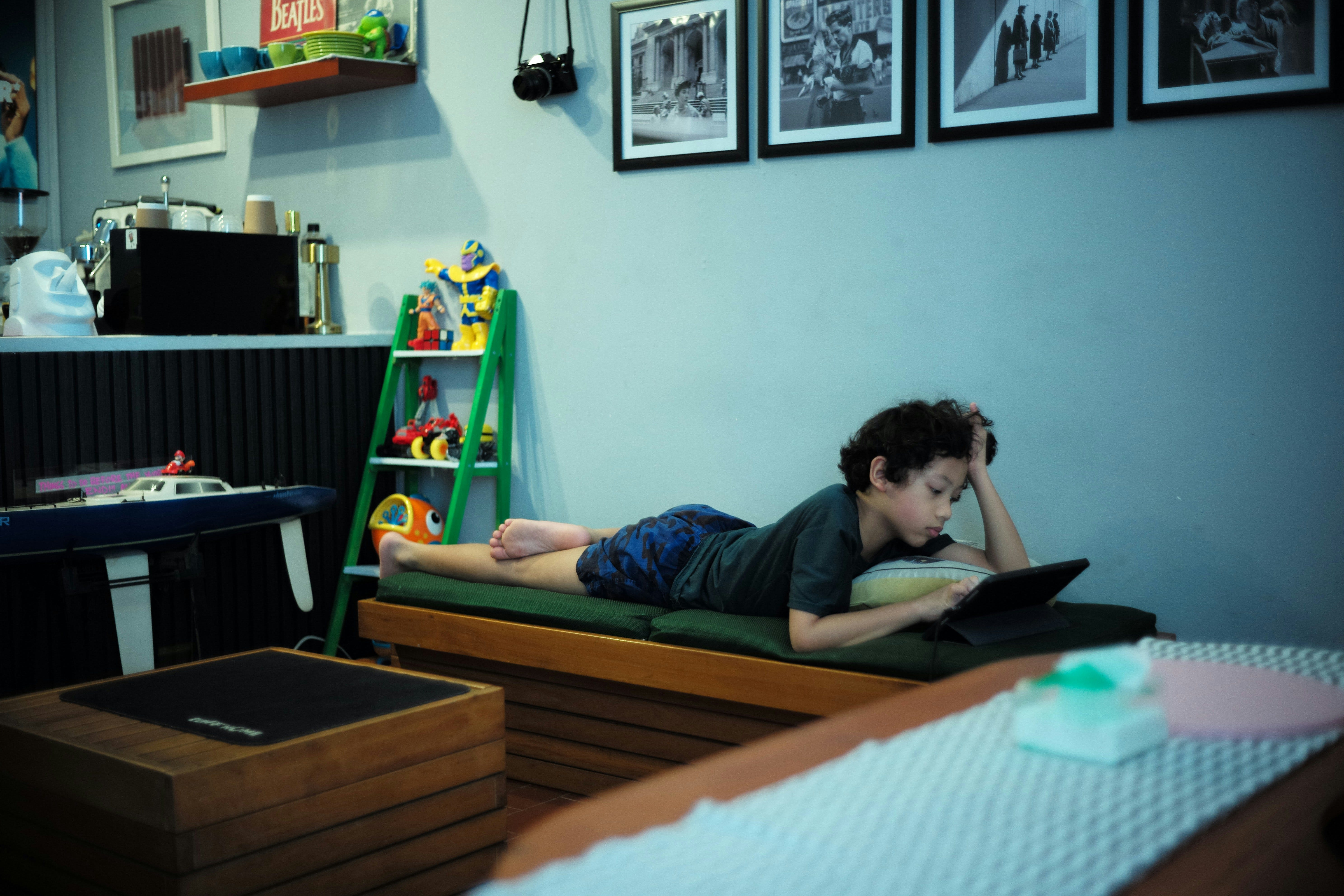
Many parents have had a moment like this:
Your child has been looking at a screen for too long. They haven’t moved in ages. Their eyes are glassy. It’s time to turn the device off, but nagging isn’t getting you anywhere.
So you take it away—and suddenly, your child is angry, explosive, or inconsolable. As one mom described it:
“I’ve noticed that when I try to talk to the kids, it often takes me a couple of times to get their attention. I’m already frustrated, and once they’re off their phones, they’re moody and angry, lashing out.”
In those moments, it can feel like you’re looking at a different version of the child you know so well. One who seems to regress, throwing a tantrum like a toddler. Or reacts with a level of anger you didn’t expect.
So what does this reaction mean, and why does it happen?
It’s not defiance. It’s dysregulation.
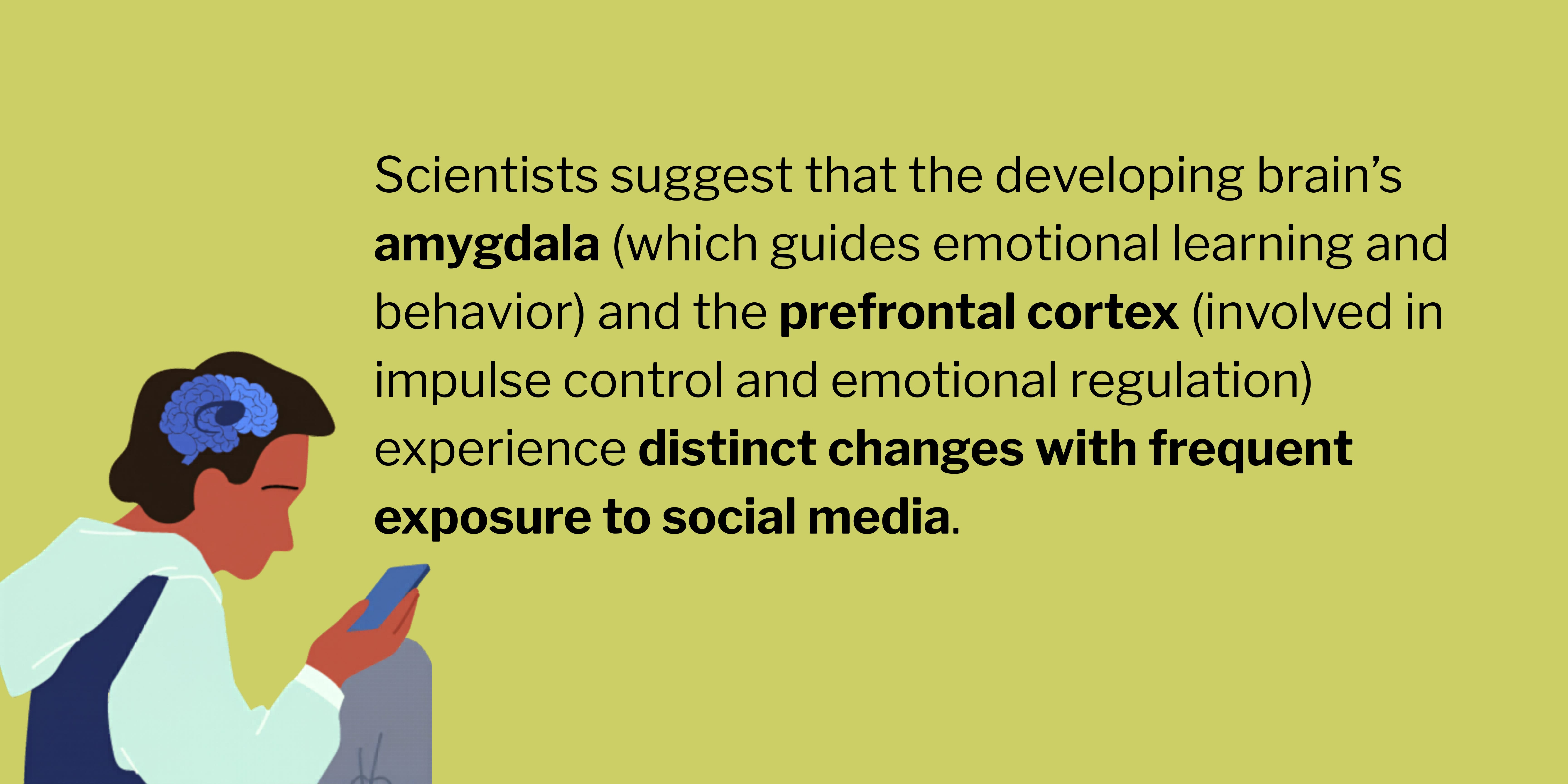
When kids use screens, their brains are often flooded with rapid, rewarding stimulation designed to capture attention and keep them engaged. For adolescents, this happens while the prefrontal cortex—the part of the brain responsible for impulse control, decision-making, and emotional regulation—is still developing.
So when a device is suddenly taken away, it can feel like a jolt to an already activated nervous system. In that moment, the child may not have the brain maturity or skills to transition calmly on their own.
This is your brain on screens.
Digital environments, especially social media, are shaping how young people's brains learn to seek connection, reward, and stimulation. Adolescents have always been highly sensitive to peer feedback and social comparison—all of which are amplified online through likes, comments, views, and updates.
This intentional design keeps the brain's reward and motivation systems engaged. Get a positive response and experience a dopamine rush akin to gambling that pulls you back in. Get a negative response—or silence—and you’re likely to crash out or feel crushed.
Why the reaction is so intense
The gap between a highly activated emotional state and still-developing regulation skills can make it especially hard for kids to disengage from screens.
When the screen is removed, the brain abruptly loses a source of stimulation and reward. For a child who is still learning how to manage big feelings, that shift can feel overwhelming. And overwhelm often shows up as anger, frustration, tears, or resistance.
When screens replace coping skills
Frustration is a normal part of life, but learning how to move through it takes practice. When screens become the default way to soothe discomfort, kids may have fewer opportunities to develop other coping skills.
Rather than experience boredom, sit with uncomfortable emotions, or stumble through a potentially awkward social interaction, many retreat to the relative safety of what’s online. Over time, that can mean less practice managing frustration, tolerating distress, and building confidence in real-world social interactions. Or as Dr. Matthew Biel, Chief of the Division of Child and Adolescent Psychiatry at MedStar Georgetown University Hospital put it:
“Kids are missing out on time spent in person with their peers. As a result, their capacities for conflict resolution, negotiation, and navigating relationships suffer.”
What helps in the moment
Here are some things that can help ease the transition away from screens:
Expect a reaction
If your child is highly engaged, the transition may be harder. Anticipating discomfort and talking about it in advance with your child can make it easier.Regulate first, correct later
A dysregulated child can’t absorb a lecture. In the moment, stay calm, keep your response short and simple, and give them space to settle.Talk about it
Pick a quieter time to talk, starting with an open ended question like, “What’s the hardest part about turning off screens?”
The real work happens outside the moment
Technology isn’t going anywhere, and eliminating screens may not be realistic. But restoring balance is within reach.
Helping kids build the ability to tolerate boredom, manage discomfort, and engage in offline life—through play, responsibilities, and real-world relationships—strengthens the very skills they need to regulate themselves.
The truth is that we all struggle with disconnecting from devices. Even adults! But over time, and with practice, we learn how to pause, adjust, and cope even when things feel hard.
And kids can, too.
Read more about the science behind this type of dysregulation in our Social Emotional Health Report, part of the Tech/Life Balance series.
Looking for more ideas on how to improve self-regulation around screens? Here’s where to start:
Katia Martha on helping young people build emotional regulation skills:
”It’s a lot easier to add in good things than to take out ‘bad’ ones.”
Shafia Zaloom on practicing self-regulation skills as a parent:
”Our silence speaks louder than words.”
A simple way to turn device conflicts into opportunities for connection:
Before You Fight About Screen Time, Ask Yourself This
Comments
Nothing yet. Say the first thing.
Sign in to join the conversation.