

Most parents feel like they’re making up the rules about screens as they go.
We may be long past the stage of What to Expect When You’re Expecting. And yet, many of the questions we’re asking now feel just as big—and in some ways, even more uncertain.
How do we raise kids in a world of screens, social media, and now AI? What actually matters when it comes to technology and development? And how do we find a balance that works for our family?
When we set out to create the Tech/Life Balance series, we spoke with almost 200 parents, researchers, educators, and clinicians about how technology is shaping modern family life.
We also read—a lot.
Books ground our research, challenge our assumptions, and help us think more clearly about what kids need to thrive in a digital world.
For World Book Day, we pulled together the 12 books that changed how we think about parenting in the age of smartphones, social media, and AI:
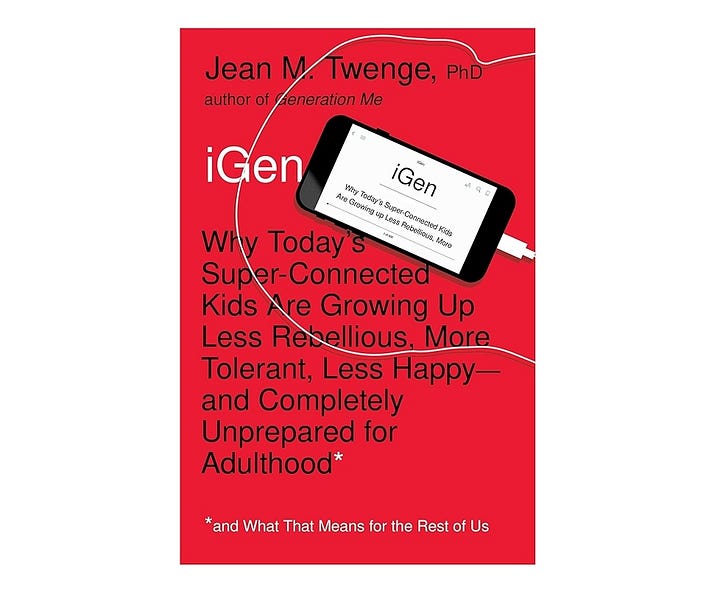

iGen — Jean M. Twenge
A foundational, data-driven look at how smartphones and social media have reshaped adolescence—from mental health to sleep and social life—reminding us that this isn’t just a new set of habits, but a fundamentally different developmental environment.
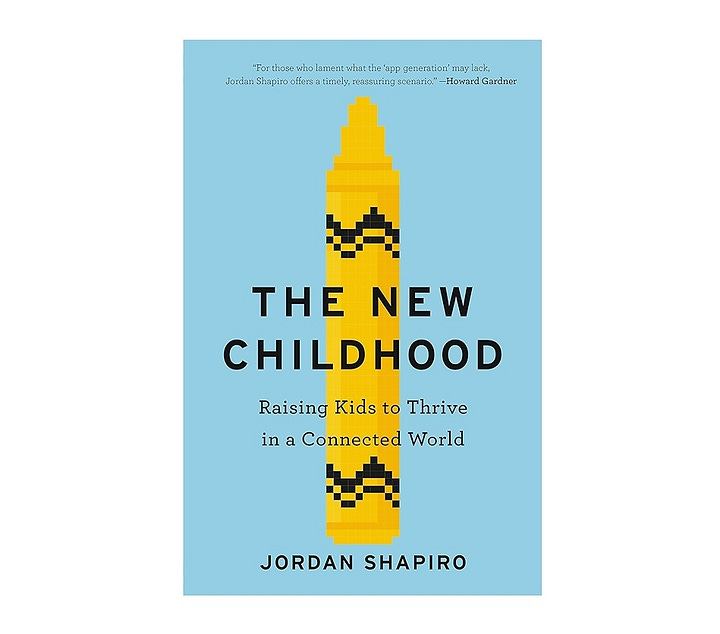
The New Childhood: Raising Kids to Thrive in a Connected World — Jordan Shapiro
Reframes technology not as something to fear, but as something kids are growing up with, pushing us to think less about restriction and more about how to help kids use it creatively and well.
The Mediatrician’s Guide — Michael Rich
Written by a pediatrician, this book explains how media affects kids’ development at different ages, giving us a clearer sense that what matters isn’t just how much screen time, but when and how it shows up in a child’s life.
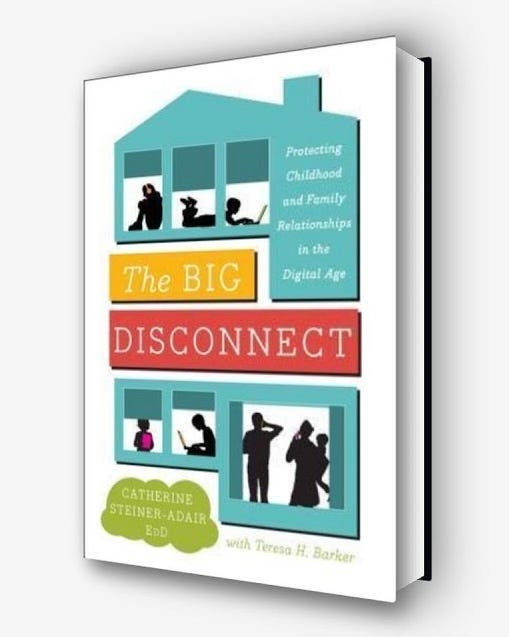
The Big Disconnect: Protecting Childhood and Family Relationships in the Digital Age — Catherine Steiner-Adair & Teresa H. Barker
Explores how technology can quietly erode family connection, making us more aware that small, everyday moments of distraction can add up to meaningful disconnection over time.


Good Inside — Dr. Becky Kennedy
A compassionate, practical approach to parenting that focuses on connection over control, shifting how we handle tough moments around screens from power struggles to opportunities for relationship-building.
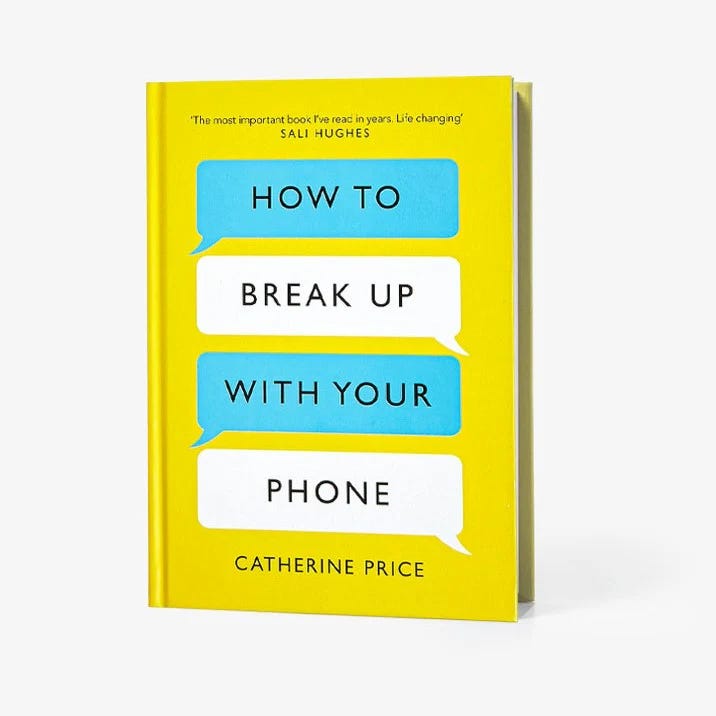
How to Break Up with Your Phone — Catherine Price
A judgment-free look at our own screen habits with a step-by-step reset, reinforcing that how we use technology ourselves is often more influential than the rules we set for our kids.
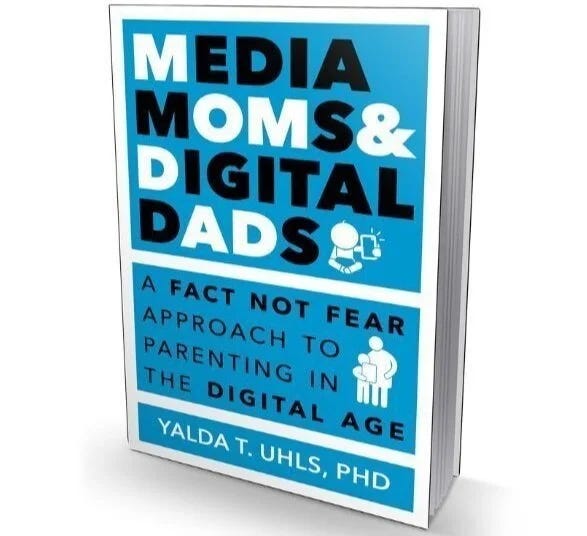
Media Moms and Digital Dads — Yalda T. Uhls
Blends research and real-life stories to show how media shapes kids’ behavior and identity, helping us see that guidance and conversation matter more than simply limiting exposure.
Talk to Your Boys — Joanna Schroeder & Christopher Pepper
Challenges outdated ideas about masculinity and offers practical ways to build emotional awareness, reminding us that open, ongoing conversation is essential, especially in a world shaped by digital influences.

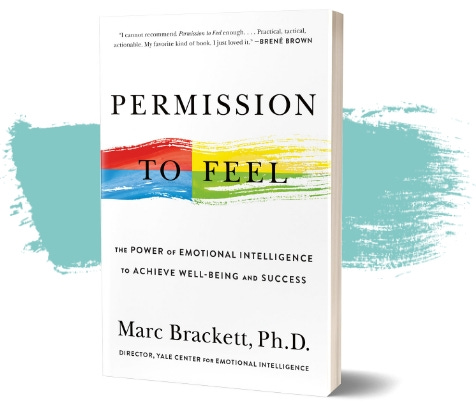
Permission to Feel — Marc Brackett
A powerful guide to emotional intelligence, underscoring that kids need the skills to understand and manage their emotions, especially in an always-on, highly stimulating digital world.
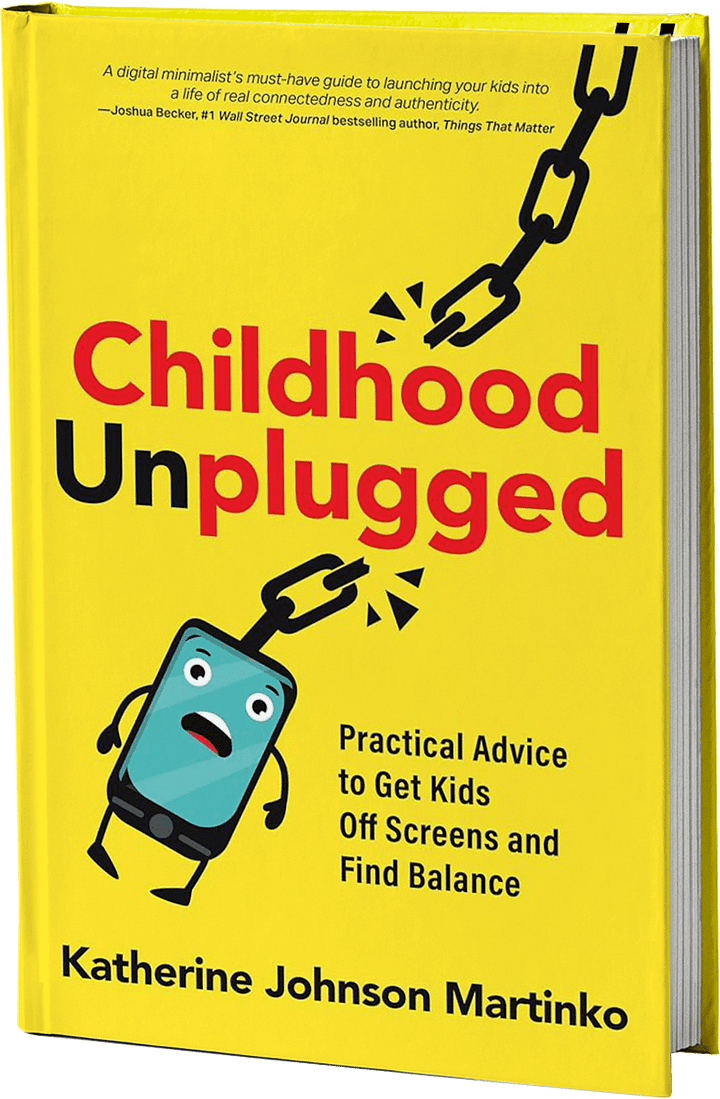
Childhood Unplugged — Katherine Martinko
Makes a thoughtful case for protecting unstructured, offline childhood, reinforcing how essential boredom, independence, and real-world play are for development.
Congrats—You’re Having a Teen! — Ken Ginsburg
A reassuring, research-backed guide to raising teens, shifting the focus toward building resilience, independence, and trust rather than trying to control every outcome.
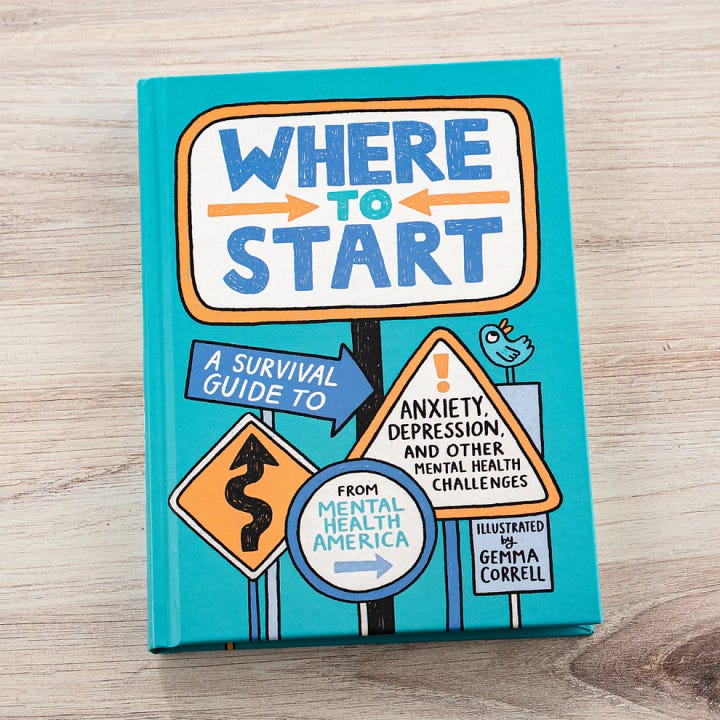
Where to Start — Mental Health America
A practical, accessible resource for navigating kids’ mental health, reminding us that knowing how to begin conversations and seek support can make all the difference.
If you’re trying to figure out what actually works with kids and technology—without guilt or perfection—we write about this every week.
Here are a few places to go next:
If screen time feels like a constant battle:
– Before you fight about screen time, ask yourself this
If you want kids to trust you with tough questions:
– Shafia Zaloom on consent, connection, and being an “askable parent”
If you want a make real life more engaging than the digital world:
– Let kids spring break like it’s 1999
No posts
Comments
Nothing yet. Say the first thing.
Sign in to join the conversation.