
A long-haired friend of mine thinks catcalls are “street attention” and doesn’t see the point of complaining. Another wears baggy clothes and flips off any man who tries to engage her in conversation.
I exist somewhere between the two:
catcalls (almost invariably) feel shitty, but if I go a month without one, the gates of hell have opened and its fires have consumed me alive.
I know, I know. I’m shallow.
But I hope you understand when I admit:
I feel best when I feel hot.
I do not know where this feeling came from, all I know is that when I feel hot, my body adheres most closely to, well, conventional and commercial hotness.
My limbs are fatless and my skin is clear; jaw is sharp and teeth are white. I have found that alignment with ideals is a serviceable substitute for self-possession.
For years, I have stared at myself through digital lenses and measured my health stats. I know more about how to get the crunchy cast out of my curls than how to manage my cramps with anything but hard drugs. I have looked at myself as an object.
I lived in my body, but I didn't know it from the inside.
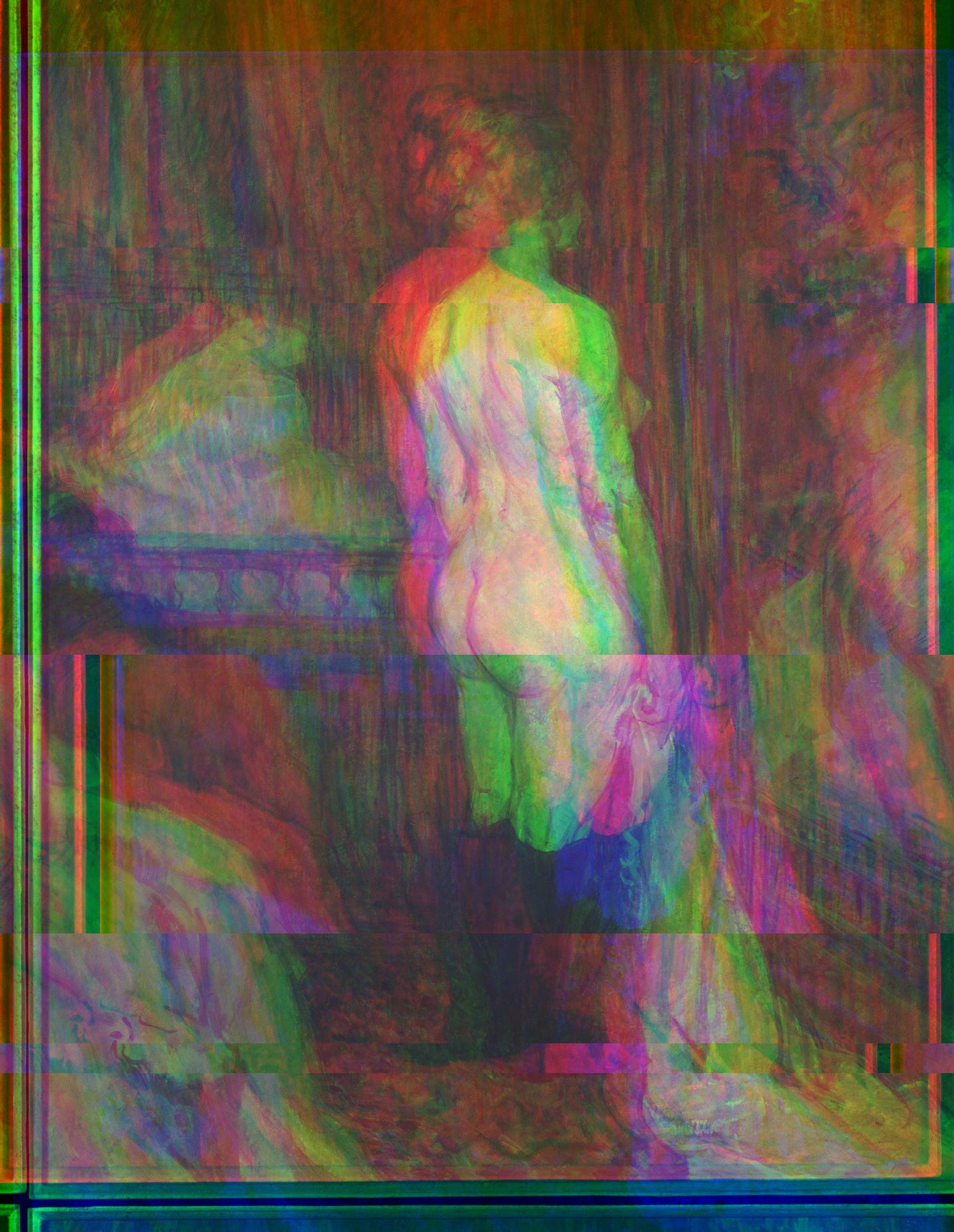
We are incentivized — by beauty culture, by capitalism, by the male gaze, by social media — to know our bodies first and foremost through the visual.
And for those of us whose interiorities have become unreliable terrain (through trauma, through chronic illness or pain), that outside-in orientation can become the only way that we know ourselves.
The result is totalizing. Our surface understanding displaces the animal, interior, first-person experience of inhabiting a body.
And even the most radical women I know exist within this bind.
A few weeks ago, one of my best friends—an artist whose work is about her body—was sitting on my couch telling me she’d just learned to “work with her luteal phase.” Had I heard of it?
I laughed and nodded. During the pandemic, I had fallen into an obsession with cycles, taking online courses about the moon and my body. I would wake every morning to a Zoom meditation, learning about my shifting hormones and the earth’s seasons. (Big shout out Merilyn Keskula for this work.)
Strangely, when I began paying attention to the cycles around me, my own chaotic and ever-unruly body finally fell into a predictable rhythm.
My moods stopped feeling so random. Exhaustion wasn’t a personal failure. My body became less of a problem and more of a rhythm to live inside.
But I never told anyone.
I kept this revelation hidden for fear of being perceived as one of those women who had abandoned all logic and personal responsibility in order to blame everything on eclipses and Mars placements.
I should have analyzed that fear more closely. Unwittingly, I had internalized the belief that to learn about my body through the lens of nature was sickeningly, embarrassingly woo.
But—doesn’t the body emerge from nature? Isn’t it part of the natural world?
The reasons the female body has been made illegible to those who inhabit it have been adequately problematized, book-clubbed, and adapted into Hulu miniseries. Please don’t make me go over them again.
Suffice to say, I realized that this wasn’t just a me problem. I became obsessed with our cultural relationship to our bodies. My browser was always open to tabs like:
polls about how 84% of women don’t like their bodies (which obviously leads a person to considering the orgasm gap)
botox literally makes you less able to feel your own emotions and to empathize with those of others
while women are overwhelmingly more likely to experience body dysmorphia, 51% of severe body dysmorphia cases are men (enter: looksmaxxing)
Regardless of gender expression, age, or size, we are incentivized to think about our bodily surfaces more than our bodily experiences.
We prioritize how our body aligns with images more than how our body feels to inhabit.
But consider, also, that embodiment is one of the strongest indicators of life satisfaction.
Personally, I’m sick of living a disembodied life—which is why I’m rebranding this Substack as Body Count. This biweekly newsletter will document my attempts (however awkward and contradictory) at becoming more embodied.
Here, I will write about the experience of living in a body.
I do not write for body positivity—that limpdick commercial movement, which only affirmed that every body could be commodified. I write from the body as a site of resistance; I write to remember that I am alive and that this is where I am living.
Sure, my body is the site of my sickness and my pain, but it is also how I dance at parties and laugh with my friends; how I hug trees, eat oysters, and open to my lover.
In many ways, I write to remember that my body is my own.
While my writing will be rooted in my own bodily experience (early-30s, white, cis woman), I hope it will act as an invitation for everyone seeking to become a bit more embodied—which, in an increasingly digital world, may very well be most of us.
I write with full acknowledgment that bodies are not treated equally.
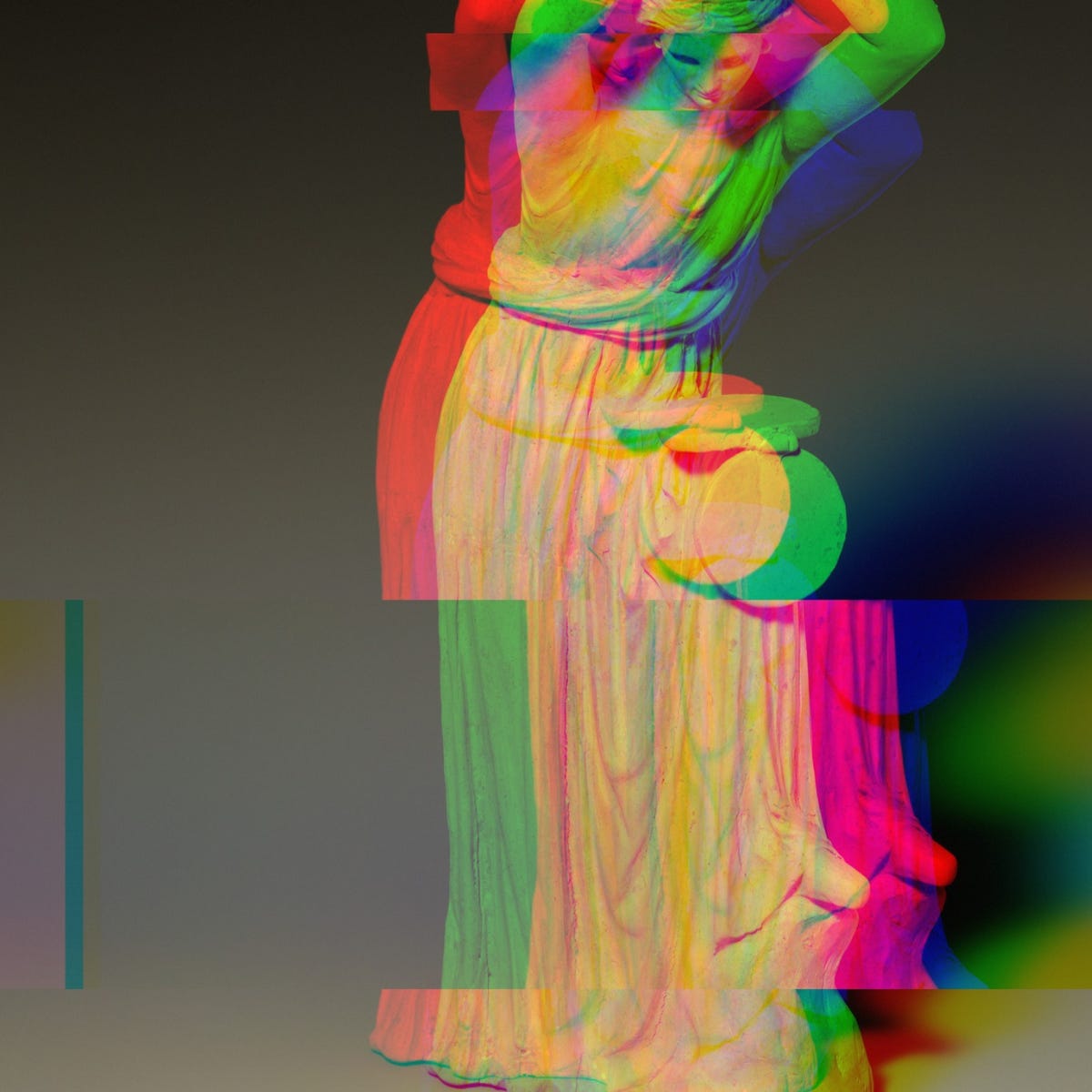
That’s why I want to bring in other people’s bodies. In Body Count, I’ll also highlight artists and thinkers who have worked with embodiment (whether or not they called it that), and share new learning about the body, particularly the female one. (Much like the bottom of the ocean, our insides are a scientific mystery.)
As this Substack grows, I also hope to interview artists, writers, scientists, somatic therapists, dancers, doctors—anyone I can talk to about their experiences with, and the wisdom of, their bodies.
This moment feels exciting to me—and I hope to extend this thinking to every body in my (digital) life. I want to know more about your embodied experiences and what it feels like to be you.
So let me ask: what does your body count?
Thanks for reading BODY COUNT! If you liked what you read, please share with a friend who has a body.
No posts
Comments
Nothing yet. Say the first thing.
Sign in to join the conversation.