
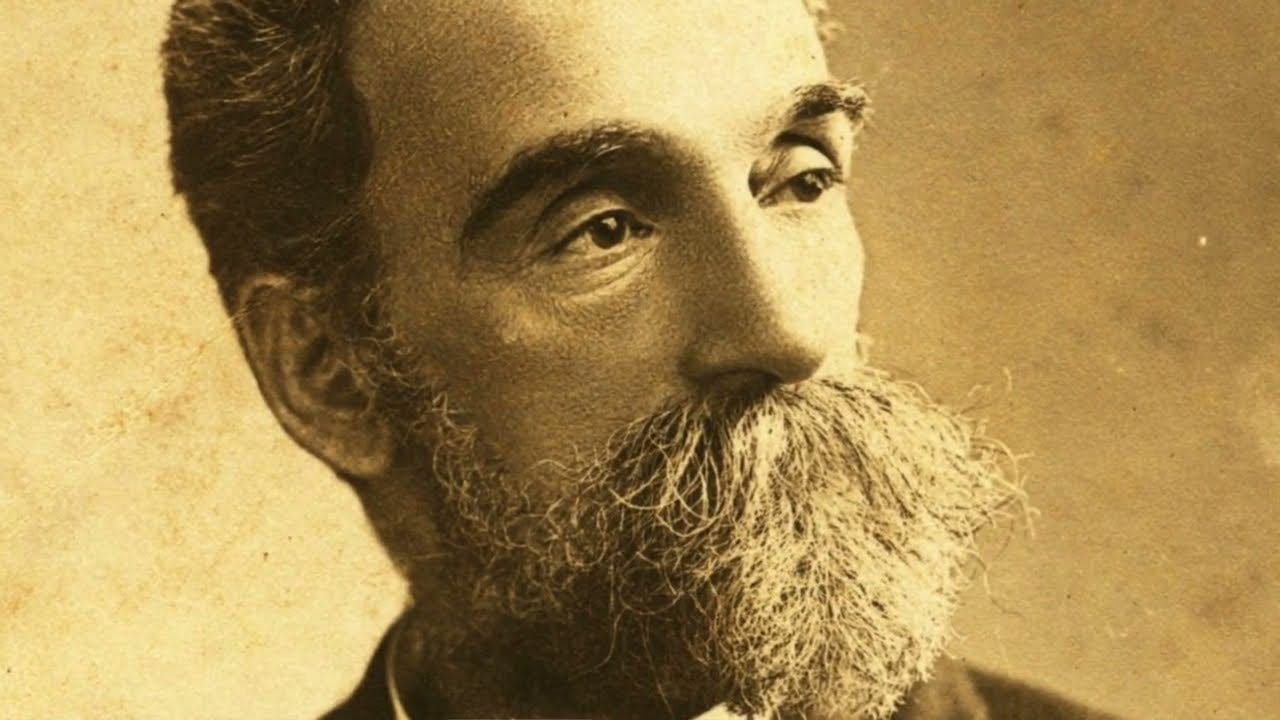
Eugenio María de Hostos (1839–1903) stands as one of Puerto Rico’s most profound philosophical voices, a thinker who fused ethics, education, and liberation into a practical guide for personal and collective growth. Known as “El Gran Ciudadano de las Américas,” Hostos wasn’t locked in ivory towers; he traveled the Americas reforming education systems, advocating for women’s rights and abolition, and dreaming of an independent Antillean federation. His philosophy, often called “Hostosianismo,” emphasizes moral duty, rational education, and the harmony of individual and social progress.
What makes Hostos timeless is how his ideas translate into actionable wisdom for modern life. In an era of distraction, inequality, and self-doubt, his arguments offer clear “nuggets of wisdom” you can apply right now, whether building resilience, pursuing learning, or living with integrity. Below, I highlight key philosophical arguments from his works (primarily Moral Social [1888], Tratado de Sociología [1904], and his pedagogical writings), with verified quotes and sources, plus practical takeaways.
Hostos argued that true humanity requires wholeness, aligning thought, feeling, and action under moral purpose. He rejected fragmented lives where people act half-heartedly.
“There are complete men and incomplete men. If you would be a complete man, put all of your soul’s strength into all of your life’s actions.”
- Eugenio María de Hostos
In Moral Social, Hostos posits that morality isn’t abstract rules but a lived unity of reason and will. Partial effort leads to “half men, half nations”, incomplete societies and individuals prone to bias and failure.
Nugget for Your Life: Stop multitasking your soul. Pick one meaningful action today (a project, relationship, or habit) and give it your full energy. Over time, this builds integrity and reduces inner conflict, Hostos’s antidote to modern burnout.
Hostos saw education as scientific inquiry and moral awakening, the key to personal and societal liberation.
“Give me the truth, and I shall give you a world. Without truth, you can destroy the world. I, with truth and nothing but truth shall reconstruct it as often as you destroy it.”
- Eugenio María de Hostos
(From his 1884 address to the Normal School graduates in Santo Domingo, preserved in Hostos archives and pedagogical analyses.)
Influenced by positivism and humanism, Hostos advocated empirical, holistic education that trains the “whole person” (mind, body, morals). In works like his treatises on women’s scientific education and curriculum reforms in Chile and the Dominican Republic, he argued that critical thinking combats oppression, education fosters democratic character and ethical societies.
Nugget for Your Life: Treat learning as empowerment. Next time you face a challenge, ask: “What truth am I avoiding?” Seek reliable sources, question assumptions, and apply knowledge actively. This Hostos inspired habit turns obstacles into growth, whether upskilling for a career or understanding your own biases.
Hostos believed morality requires conquering impulses for the greater good, making self-discipline the highest virtue.
“Ningún hombre es más grande que el que se vence a sí mismo por cumplir con su deber.” (”No man is greater than the one who conquers himself to fulfill his duty.”)
- Eugenio María de Hostos
Drawing from his ethical idealism, Hostos viewed duty as the bridge between individual freedom and social harmony. In Moral Social, he critiques societies allowing passion-driven injustice, advocating cultivated moral habits over innate goodness.
Nugget for Your Life: When tempted by shortcuts or anger, pause and ask: “What is my duty in this situation?” Practice small acts of self-control daily, like delaying gratification. Over time, this builds the inner strength Hostos saw as essential for resilient, meaningful living.
Hostos viewed ideas as living forces that evolve through struggle, never truly dying.
“Ideas are born, they struggle, triumph, change, and they are transformed; but is there a dead idea which in the end does not live on, transformed into a sentiment?”
- Eugenio María de Hostos
In his sociological and political writings (e.g., Tratado de Sociología), Hostos described society as a natural organism governed by universal laws, where persistent moral ideas drive evolution toward justice and unity.
Nugget for Your Life: Don’t abandon a worthy goal because it faces setbacks. Refine it, adapt, and persist. Hostos reminds us that enduring ideas become felt truths. Apply this to personal dreams: a creative project, advocacy cause, or self-improvement journey.
Hostos’s philosophy isn’t distant history, it’s a toolkit for navigating today’s world with purpose. His life embodied these ideas: exiled yet tireless, he reformed education across nations while fighting for justice. In Puerto Rican cultural storytelling, like the theater traditions in my upcoming documentary Teatro de Oro, we see echoes of this resilience, stories that outlast empires through moral and creative endurance.
Pick one nugget this week and test it. Which resonates most? Share in the comments!
Subscribe for more!
No posts
Comments
Nothing yet. Say the first thing.
Sign in to join the conversation.