
I haven’t posted in almost three weeks, and it’s not because I ran out of things to say. The opposite, actually. Too much was happening. A product pivot, a trip to Italy with my mom, two founder pilots starting up, a landing page rewrite that changed everything. I had more material than ever but no time to sit down and process any of it into something worth reading.
And that’s kind of the point of this piece.
I saw a post on LinkedIn recently from a VC who said she felt guilty unsubscribing from Substacks. She described newsletters as “PhD theses crossed with personal confessional booths.” You could feel the labor in them, the vulnerability. But she was unsubscribing anyway. Her honest answer was that attention is finite, and email is losing.
I think she’s half right. Attention is absolutely finite. But I don’t think email is the problem. I think most newsletters just stopped earning the open. And I think the platform itself is partly responsible for that.
Substack rewards frequency. If you post consistently, the algorithm recommends you more, your subscriber count grows, and people start expecting you in their inbox on Tuesday morning. Miss a week and you feel it in the numbers, in the guilt, in the nagging sense that you’re falling behind someone who didn’t miss theirs.
So you post. Even when you don’t quite have it. Even when the draft feels thin. Even when you’re repackaging something you’ve already said in a slightly different shape. Readers can feel this. They might not articulate it, but they start skimming, then they stop opening, and eventually they hit unsubscribe and feel weirdly guilty about it, like they’re breaking up with someone who tried really hard.
I also think there are more writers than readers on Substack now. Everyone’s publishing, everyone’s cross-subscribing. Writers reading writers, commenting on each other’s posts to boost engagement, subscribing out of reciprocity rather than genuine interest. The audience isn’t really readers anymore. It’s other writers performing readership. When your main audience is people who are also trying to grow their own newsletter, you’re not building a readership. You’re in a co-promotion loop disguised as a community.
The writers who keep me subscribed are different. They don’t post on a schedule. They post when something clicks. Sometimes that’s every week, sometimes it’s every three weeks. But when it shows up in my inbox, I read the whole thing, because I can tell they didn’t write it to fill a slot.
I think there’s a real tension between how platforms want you to create and how creative work actually happens.
Platforms want calendars. Predictable output. Weekly cadence. Monthly themes. Content pillars. This is how you grow, they tell you. Be consistent. And there’s truth in that. Consistency does matter. But creative work doesn’t care about your calendar. It happens in sprints. You go weeks with nothing particularly clear, and then something lands and you write two thousand words in a sitting because you can’t not write it. The best things I’ve written came from weeks where I wasn’t trying to produce anything. I was just living, paying attention, letting things accumulate. And then one morning it all connected.
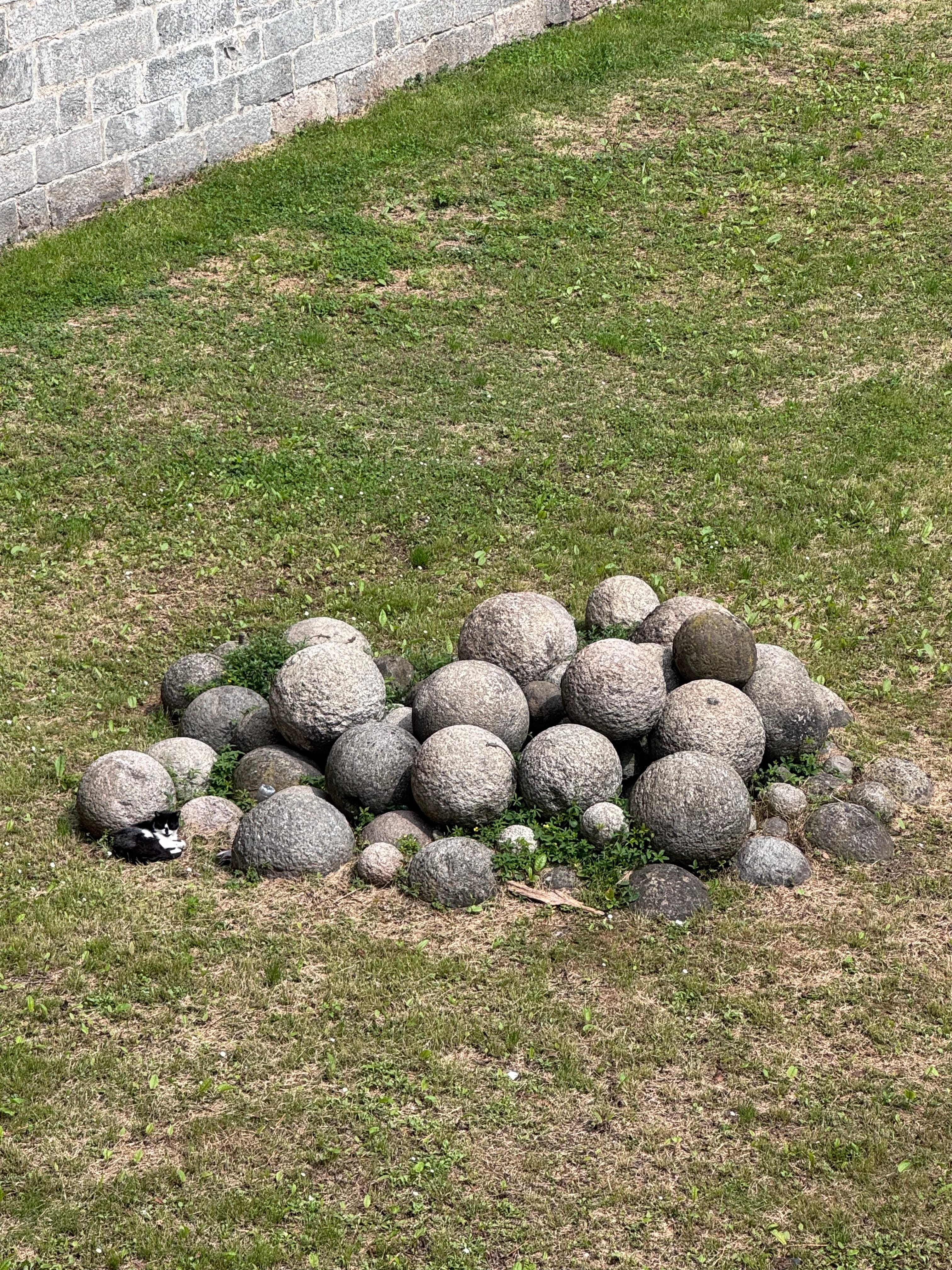
You can’t schedule that. And when you try to manufacture it on a weekly basis, you end up making the thing nobody wants to admit they’re making: content that exists because it was due, not because it was ready.
I’ve been thinking about this a lot because I’m building something in the content space, and the more I talk to founders and creators who want to post consistently, the more I notice the same thing underneath.
The bottleneck is almost never the writing. It’s everything before the writing. People have full weeks, interesting weeks. Real conversations, hard decisions, small victories, things that genuinely surprised them. But none of it gets written down when it’s fresh. A week later they’re sitting in front of a blank page trying to reconstruct what they experienced five days ago, and nothing comes. So they either give up or they ask AI to generate something, and what comes out reads fine but could have been written by literally anyone.
The people who seem to post effortlessly haven’t figured out some secret about writing. They’ve just gotten better at capturing things in the moment. A sentence after a meeting, a screenshot of something that caught their eye, a half-formed thought before bed. By the time they sit down to write, they’re not starting from nothing. They’re looking at a pile of raw material and picking the pieces that connect.
The writing is the last step. The noticing is the first. And it’s the one most people skip.
I don’t think the answer is to post less, and I don’t think Substack is broken. I think it just has a blind spot. It tells you when to publish, but it doesn’t help you figure out what’s worth publishing. Those are two completely different problems, and most people are stuck on the wrong one.
I spent the past week in Italy with my mom. Standing in front of 500-year-old craftsmanship, the idea of churning out a weekly newsletter felt absurd. Not because newsletters don’t matter, but because the best work has always come from people who took the time they needed, not the time they were given.
I’m going to try something different with this newsletter going forward. No weekly cadence. I’ll post when I have something that’s actually worth your time. Some weeks that might be twice. Some weeks it might be nothing. If you’re still reading this, you probably don’t need another Tuesday morning email to skim and archive. You need fewer things that are actually worth sitting with.
If I go quiet for a while, it’s because I’m paying attention.
No posts
Comments
Nothing yet. Say the first thing.
Sign in to join the conversation.