
“At the Table” is a series of interviews and spotlight conversations with people I admire from within and outside of the wedding industry. These conversations focus on topics related to building an intentional, relationship-first business alongside a present, connected, values-driven personal life.
Summer and I met through a shared wedding client in Charleston a couple of years ago, and have since seen each other a couple of times in New York City. I love Summer for how differently she approaches the wedding industry. She’s based in LA (West Coast vs East Coast is a vastly different approach), she arrived in weddings after working in marketing at Universal Studios, and while we have a very similar approach to client care and service, we source inspiration from vastly different places, which means our conversations are always just so interesting! Grateful she said yes to an interview!
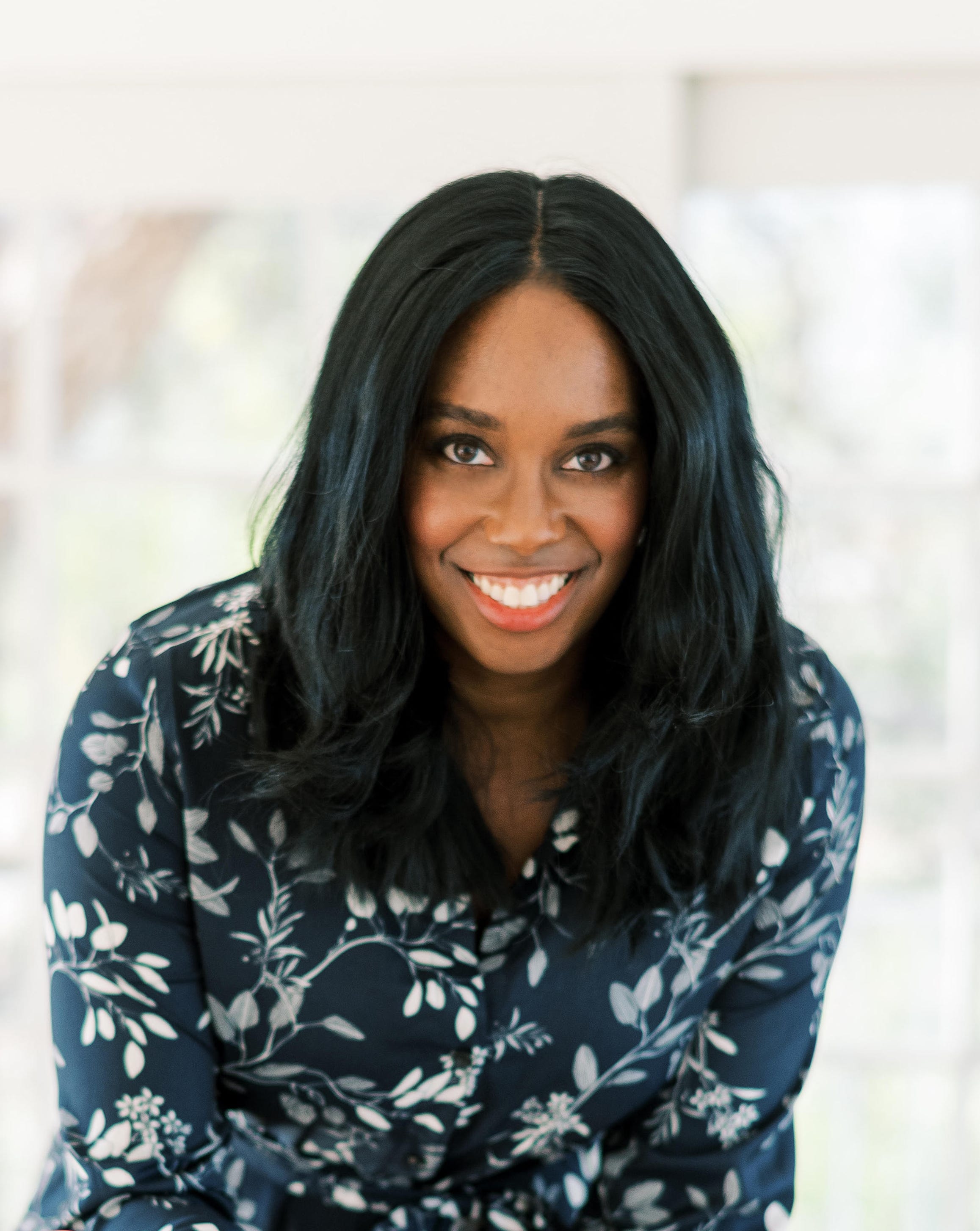
Follow Summer’s work via her website and IG.
→ First of all, tell me in your own words what you do for work, and why you do it?
I used to call myself a wedding planner, but at some point that didn’t feel big enough, it was too one-dimensional for what I actually do. I then called myself a wedding designer, but even that didn’t fully capture it.
Now, I think of myself as a creative director. That feels the most accurate because my work is about shaping the entire experience, from the overall aesthetic to the way the day unfolds for both the couple and their guests.
There’s an art to all of it, not just the visuals. Even the logistics require creativity. It’s about thinking through how a guest feels from the moment they arrive, finding their seat, greeting friends, and settling into the space. So often, weddings feel rushed. Guests are constantly moved from one thing to the next without a chance to pause and take it all in. I care deeply about creating a natural flow and building in space for people to breathe, connect, and enjoy the moment. Even something as simple as the walk from the shuttle to the venue can become part of the experience when it is done thoughtfully.
At the end of the day, I want every moment to feel intentional and tangible. I want guests to feel cared for and fully present, because when that happens, the couple feels it too. That’s when the entire experience becomes something truly unforgettable.
→ What does a typical day look like for you?
I’m a mom first, so no two days look the same. Most mornings start with getting the kids up and out the door, which usually comes with a bit of chaos and a lot of “let’s go.” Even this morning was very much one of those days.
After we get everyone out the door, my husband and I usually split school drop-offs since the kids go to different schools. Then I go for a walk, and that time has become really important to me. It gives me space to think, process life, and reset before I fully step into work.
When I come back, I feel more grounded, ready to start my day. I’m currently rebuilding and rebranding my company, and I’ve found that I need to be in a healthy place mentally and emotionally for that creative work to feel clear. The more I take care of myself, the more clarity I have about direction and purpose.
→ In her book Dare to Lead, Brené Brown says that every person has just two core values that shape everything else that they do or believe. Do you agree with that idea? If you could boil your values down to just two, what would they be? How do those influence how you do your work & live your life?
The first one is integrity. I’ve said that so many times that people might be tired of hearing it, but it really is the foundation for me. It’s about being honest, doing what you say you’re going to do, and showing up in a way that feels consistent and true. I don’t mind being known for that.
The second one is care, both self-care and care for others. It’s this idea of making sure people are actually okay in the process, not just that things look good on the outside.
When I’m working with clients, especially couples planning weddings, there’s so much emphasis on details, aesthetics, and timelines. But I’ve learned over time that if people aren’t feeling cared for or grounded in the process, something will feel off on the wedding day, even if everything is beautiful.
Early in my career, I don’t think I recognized that as clearly. Now I try to notice and gently guide people toward choices that support how they actually want to feel, not just how they want things to look. Because when people are taken care of in a real way, the whole experience shifts.
→ The British author Alain de Botton has this famous quote: “There is no such thing as work-life balance. Everything worth fighting for unbalances your life.” I tend to agree with this idea, that work-life balance is an unhelpful goal, and we should instead think about aligned values and healthy rhythms in all spheres of life. What do you think about the phrase “work-life balance?” How do keep healthy rhythms & momentum going in both work and personal spheres?
Work-life balance, if we’re measuring it in a strict way, is very personal. It looks different for everyone. And when people talk about it, I think they often mean something like happiness or ease, like “I just want everything to feel good and even.” But that’s not realistic.
There are seasons where things feel smooth, and there are seasons where everything is chaotic. In my life, especially as a foster mom, there are so many variables I can’t control. Trying to force balance in the middle of that can feel kind of maddening.
So I think my version of balance is actually unbalance. It’s learning how to live inside of the chaos without letting it take everything over. Sometimes that means stepping away, sometimes it means pausing, sometimes it means just letting things be messy without trying to fix them immediately.
I’m a Virgo, so I tend to want things to be perfect, to run smoothly, and look a certain way. But I’ve had to learn that it’s actually important when things don’t go perfectly, because that’s where you learn, that’s what keeps you grounded in real life.
So the idea of “work-life balance” might not even be the right phrase. I don’t really know what the replacement is, and I almost don’t want to name it, because then it becomes another trend. But I do think it’s more about awareness, rhythm, and being honest about what season you’re in.
→ Some people argue that a focus on people and a focus on profit are competing priorities, but I love talking about the ways that running a relationship-first business aids in building more profitable, sustainable businesses. What do you think about this idea? Are they competing ideas? Why or why not?
I do think profit has to be part of it— it has to be considered and it has to be healthy. But I don’t think it should come at the expense of people. And the reverse is true, you can’t be so people-first that you’re essentially not running a sustainable business.
I used to be very much a “give it all away” kind of person. I would overextend myself, undercharge, and lead with care without thinking about the business side of it. I learned the hard way that that doesn’t work. You can’t sustain something like that long term.
At the same time, I don’t think of clients as transactions. The relationship piece is important. That human connection, the experience of working with someone, the back-and-forth, all of that matters just as much as the logistics. And I think sometimes as people pursue more revenue or work to scale their business, that part can get lost, which is really unfortunate.
So for me, there is a line, but they have to work together. I know some planners or businesses are very much focused on revenue and margins, and I understand that approach. But for me personally, if it ever became only about profit, it would feel like a slow death, both creatively and personally. I just can’t operate that way.
Even in difficult situations, I tend to lead with people first. There are contracts in place, and there are policies, but if someone came to me and said they had to cancel their wedding because of something like a death in the family or another tragedy, I’m not going to respond to that in a purely transactional way. Those situations have to be handled case by case, with humanity first.
People can tell when they’re being cared for versus when they’re just part of a system. A wedding, of all things, is such an emotional experience. It’s about love, and I don’t think it should ever feel void of emotion or care.
→ What are some ways that running a people-first business has benefited you? How has it benefited others?
I’ve made some of my best friends through the relationships I have built in this business. We support each other and lift each other up, not only in business but also in life.
A people-first business creates trust at every level. Our clients feel supported and confident in our guidance. Our vendor partners know they’re collaborating with a strong, thoughtful team. And our planners feel trusted, empowered, and equipped to do their best work.
→ Our culture and our industry is fast—trends come and go in the blink of an eye, and there’s just so much noise, especially on social media. It can be tempting to believe that the only way to stand out is to add to the noise, to follow trends, to make a bigger flash than our competitors. But what if you’re a quiet brand? I have written about the difference between Fireworks and Fireplace brands here. Would you say that your business is more of a fireworks display or a fireplace? How does that influence how you market?
Well, my business has always been a fireplace. I don’t know that I’ve ever been a fireworks kind of person. But I think a combination of both is important. I actually came from working in marketing at Universal, and there’s something to the madness of how they do things. Sometimes it’s shock and awe. Sometimes you need to get people’s attention just to remind them you’re there.
At the same time, luxury brands don’t scream at you. They just are who they are, and over time they build a reputation that precedes them. They don’t have to do as much, but even those brands will occasionally do a little something to say “look at me!” and then go back to being themselves.
I think the balance between the two is important. You need to know what your brand is and stick to it. If you are not a big, bold, over-the-top brand, it’s not worth forcing that kind of marketing unless you want to transition to that in the long-term.
In general, I do not love trends, or at least I am cautious with them. They matter, because people want to know what is new and what is coming next, but you cannot let them define you.
One of my favorite planning groups is Lynden Lane. They are incredible at that quiet luxury fireplace brand, but their events are fireworks. When you see them you are like “oh my word, okay, there it is, that is the trend.”
→ How do you stay authentic when it often feels that “fake it ‘til you make it” energy is rewarded?
I have heard so many people say “fake it ‘til you make it,” but for me, it too quickly feel like lying, so I don’t believe in that approach. My goal is to be undeniable in what I do so I do not have to fake anything. Sometimes that just means it takes longer to get there. I have to learn more, do more research, and really build the foundation.
But I would rather be fully equipped and fully aware. Then I can go in confidently because I actually know what I am talking about. I can say it with my full chest because I know it is true.
→ What is bringing you joy in your work right now?
I’m a hopeless romantic, so I’m always going to find joy in watching couples, seeing their relationship, and watching how they interact with their families.
And I love being around new experiences. Wedding planning is one of those rare places where you are constantly meeting new people, seeing new dynamics, and learning new ways of thinking. You see so many different kinds of relationships and personalities.
And I really love watching couples who truly love each other. I feel very fortunate because I know that is not the case for everyone, but I would say a high percentage of my couples genuinely love and respect each other. Watching that love grow and evolve into one of the most important days of their lives is really special to me.
→ If we were to meet here a year from now, what do you hope we would be celebrating?
When we’re talking about income versus being a people-to-people kind of business, I would hope that a year from now I have tons of weddings in a budget range that still reflects my design skill and continued growth in that area.
→ Final question: what is the number one book you recommend to every creative entrepreneur?
Three books came to mind. The first is Shoe Dog by Phil Knight. I can’t say enough about that story, it’s so good and so well told. The second is Essentialism by Greg McKeown.
And then this is not really a book, but I found it through a book, which is J.K. Rowling’s commencement speech to the Harvard class. I think it is one of the most powerful commencement speeches of our time. She talks about a variety of things, weaves in her own story, and really unpacks the creative process in a way that I think is incredibly insightful.
I’ve listened to it over and over again. I think I go back to it at least once a year because it reminds me that her story aligns with mine in some ways, coming from the inner city, coming from poverty. And she is very intentional about not glamorizing poverty, she speaks very honestly about it.
Then she goes into creative process and the importance of failure, and how failure can actually lead to success and shape you for a stronger, more sustainable career. I feel like it’s one of those talks that really teaches someone how to be undeniable in their field.
Thanks for reading! This post is public so feel free to share it.
Comments
Nothing yet. Say the first thing.
Sign in to join the conversation.