
Making a game is hard enough by itself, but it becomes infinitely harder when you try to sell it. Small indie teams or solo developers spend years working on a project inside a bubble, almost entirely devoid of outside input.
How do you know it is good? How do you figure out your target audience? Your platform(s)? Self-publishing is possible and can be a viable strategy, but it isn’t too dissimilar from playing the lottery if it is your first project. But how can you hope to get a publisher “in this economy”?
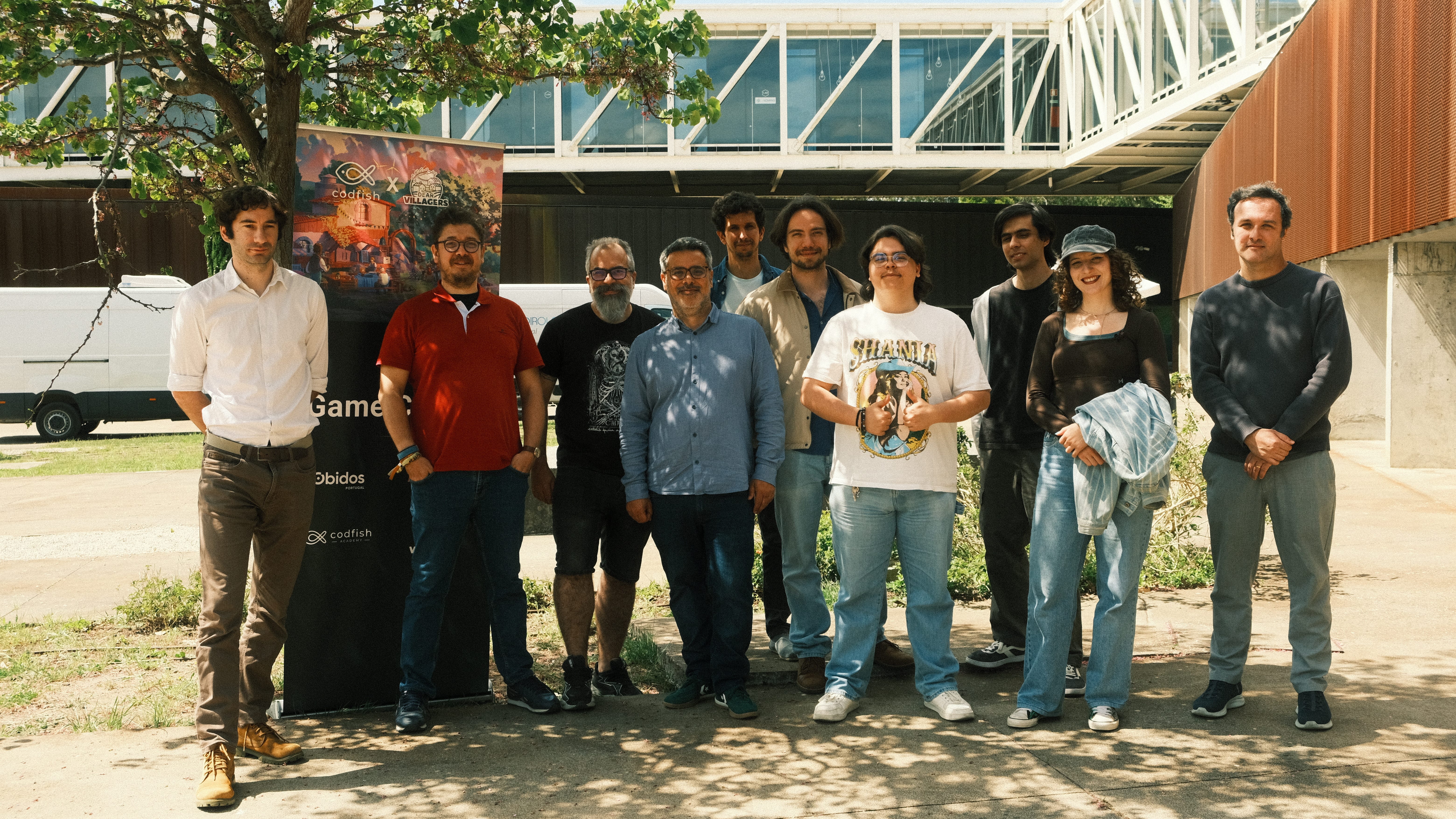
It was with this question in mind that Codfish Academy created Codfish Game Clinic with Dear Villagers. The first edition of what will become a recurring event was a success, and a rare opportunity for Portuguese videogame developers to pitch their game to an accomplished publisher in their home soil.
Here’s my coverage of the event, which took place at Óbidos Parque on Friday, April 24th.
Codfish Game Clinic was a peculiar event to cover because I didn’t actually attend the most enticing part of it. The pitches and the main conversations between developers/studios and Guillaume Ancelin, Senior Product Manager at Dear Villagers, happened 1-on-1.
All I could see were the representatives of the small studios or the solo developers pick up their bags and laptop and head out of the meeting room we were in at Óbidos Parque as we wished them luck.
I did have the chance to speak to all of them and get a general sense of what they thought of the experience. Most had interacted with publishers previously, but in a different context.
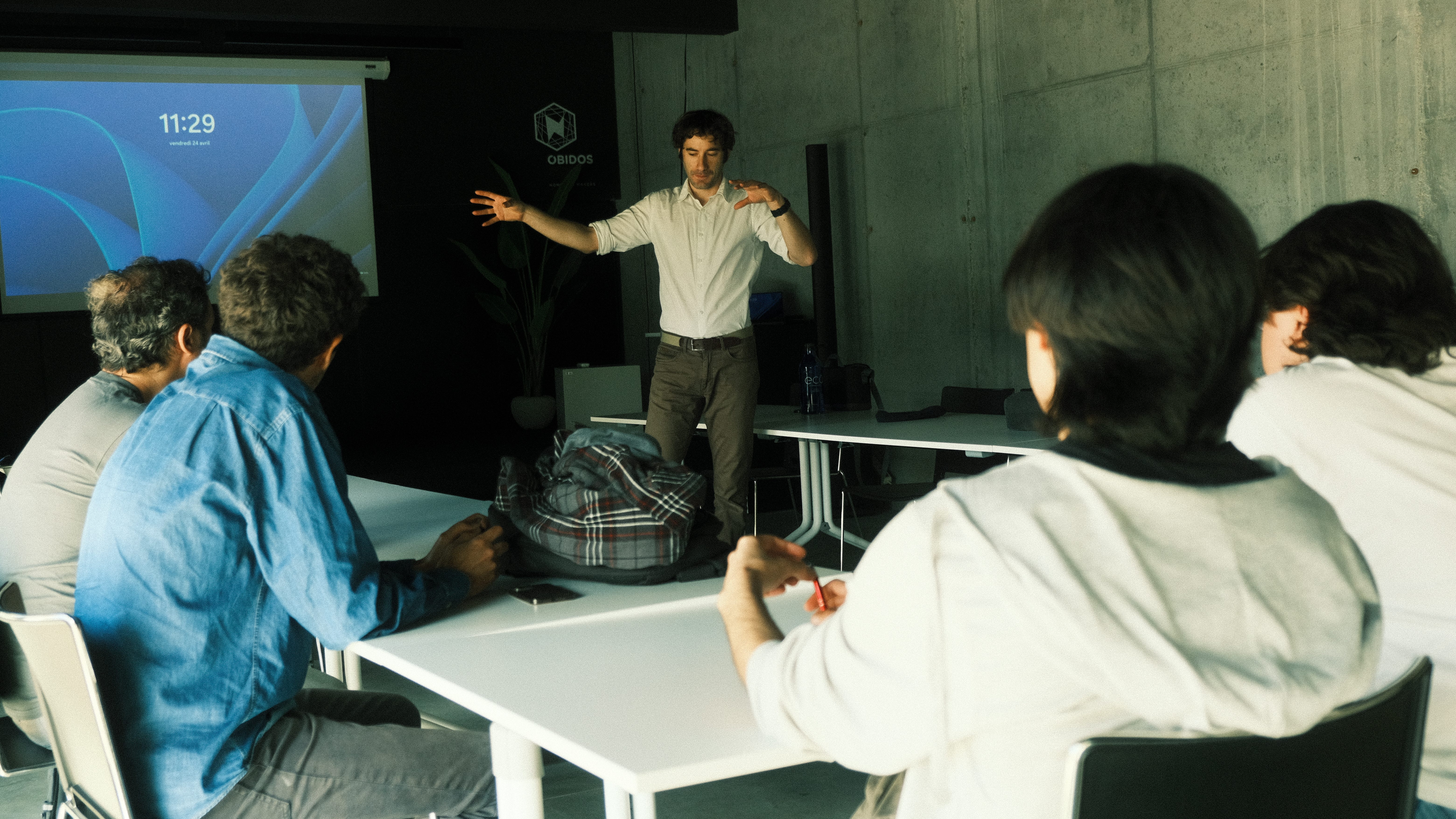
Portugal does not have traditional publishers. Portuguese studios are competing for the same publishers as the rest of the world, or most realistically, the rest of Europe. In most of those situations, they have between 15 to 30 minutes to cram an entire pitch deck to a group of people who had never previously heard of their game.
This Game Clinic with Dear Villagers gave them a different proposition. Six studios attended the event, five from Portugal, and one from Belgium. Each studio had one hour with Ancelin behind closed doors. Not only was that a lot more time than usually given for pitches, but Ancelin had already played all games that were selected to attend the event.
I reached out to all six studios to get their direct quotes regarding Codfish Game Clinic. Here is who they are, what they’re working on, and what they had to say.
Barking Beagle Studios (BBS) is a four-person team based in Lisbon. All their members were at the event:
They have two projects released on itch.io, P.I.G.E.O.N. and Foam Sweet Foam, but they brought a new game to Codfish Game Clinic: Buried Within Clay, a “Sumerian puzzle-adventure”.
Here is what the studio had to say about the event:
Because we're still a young indie studio, we're still very dependent on publishers to be able to fulfil our projects and grow. This is a closed-off industry, and opportunities to have direct contact with industry professionals are scarce.
We're grateful to have had the possibility to discuss the pitch for our newest project with Guillaume, not only because it increases our chance of success in this saturated industry, but [because it gave] us a valuable insight into the [point of view of] publishers and how they make their selection. We are sincerely grateful to Codfish Game Clinic for this opportunity.
Ground Control Studios have been around for a while. Their first game release on Steam was Return Zero VR in September of 2016, almost 10 years ago. They’ve since released three more titles: Zhed - Puzzle Game in 2020, Hyper Gods in 2024, and Desert Race Adventures in 2025.
Eternity, a survival strategy game and their most ambitious title, was the project they brought to Codfish Game Clinic. I reached out to Rui Guedes, one of the studio’s founders and the representative who attended the event, and this is what he had to say:
(Translated From Portuguese)
I found the session with Guillaume interesting. Despite all the experience I have with pitching, each game is its own thing and he made interesting suggestions from the perspective of how to help the publisher understand and validate the work in general and Eternity in particular.
I think that, regardless of if you had positive or negative feedback, it was super valuable, especially following a session of exploring and improving the work’s presentation. It ended up being a consequential conversation, which is the best result a game dev can have.
Despite its name, Massive Galaxy Studios is (mostly) a one-man project from the mind of Gonçalo Monteiro, who founded it back in 2017. He is based in Lisbon and has already released multiple projects.
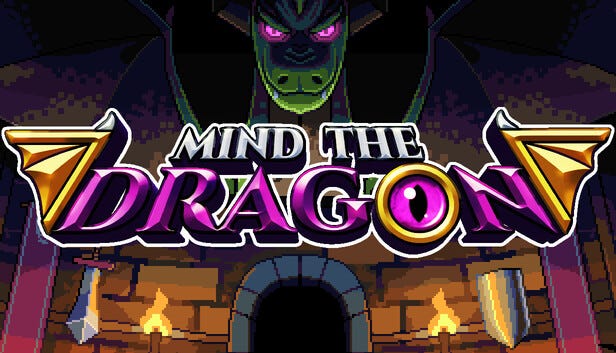
The studio kicked off with For The Warp in 2020, released LakeSide in 2022, ARC Seed in 2024, and has been working on the titular Massive Galaxy likely since the creation of the studio. What he brought to Codfish Game Clinic, though, was Mind The Dragon. Here are Monteiro’s thoughts on the event:
It was a great opportunity having a scout from a big international publisher give detailed feedback about our pitch and our game build. We were given a good level of depth in discussing game design, mechanics, UI and art direction about our projects. It’s not just a great learning experience to new developers but also important feedback for already seasoned [ones].
There was also a masterclass from Codfish [Academy] giving updated data about publishing your game on Steam, what works well in promoting your game, understanding how the Steam store algorithm works and what developers should focus on when promoting their game.
Nerd Monkeys were one of the most experienced studios present at Codfish Game Clinic. They’ve been developing, porting, and publishing games ever since 2013 with Detective Case and Clown Bot in: Murder in the Hotel Lisbon.
Diogo Vasconcelos, owner of Nerd Monkeys, attended the event with the studio’s upcoming title: NOK. As someone with over a decade of experience interacting with publishers in a variety of settings, here are his thoughts on the event:
(Translated from Portuguese)
The experience itself was quite positive, not too different from what these meetings usually are, but with the distinction of a slower rhythm since these were selected projects which the publisher played previously, which made communicating much clearer and more efficient.
Everything points to this having been useful, we’ll know in the next few weeks if it was also successful, but it was useful regardless due to the informed feedback from a publisher who played the game’s build.
N-Zone were the only non-Portuguese studio at the event. Arthur Rogery, Head of Production at N-Zone flew directly from Belgium to attend Codfish Game Clinic.
The studio has been around for a while, but they mostly focused on mobile projects. Recently, though, they’ve split N—Zone in two, allowing them to have a dedicated team crafting PC and Console titles.
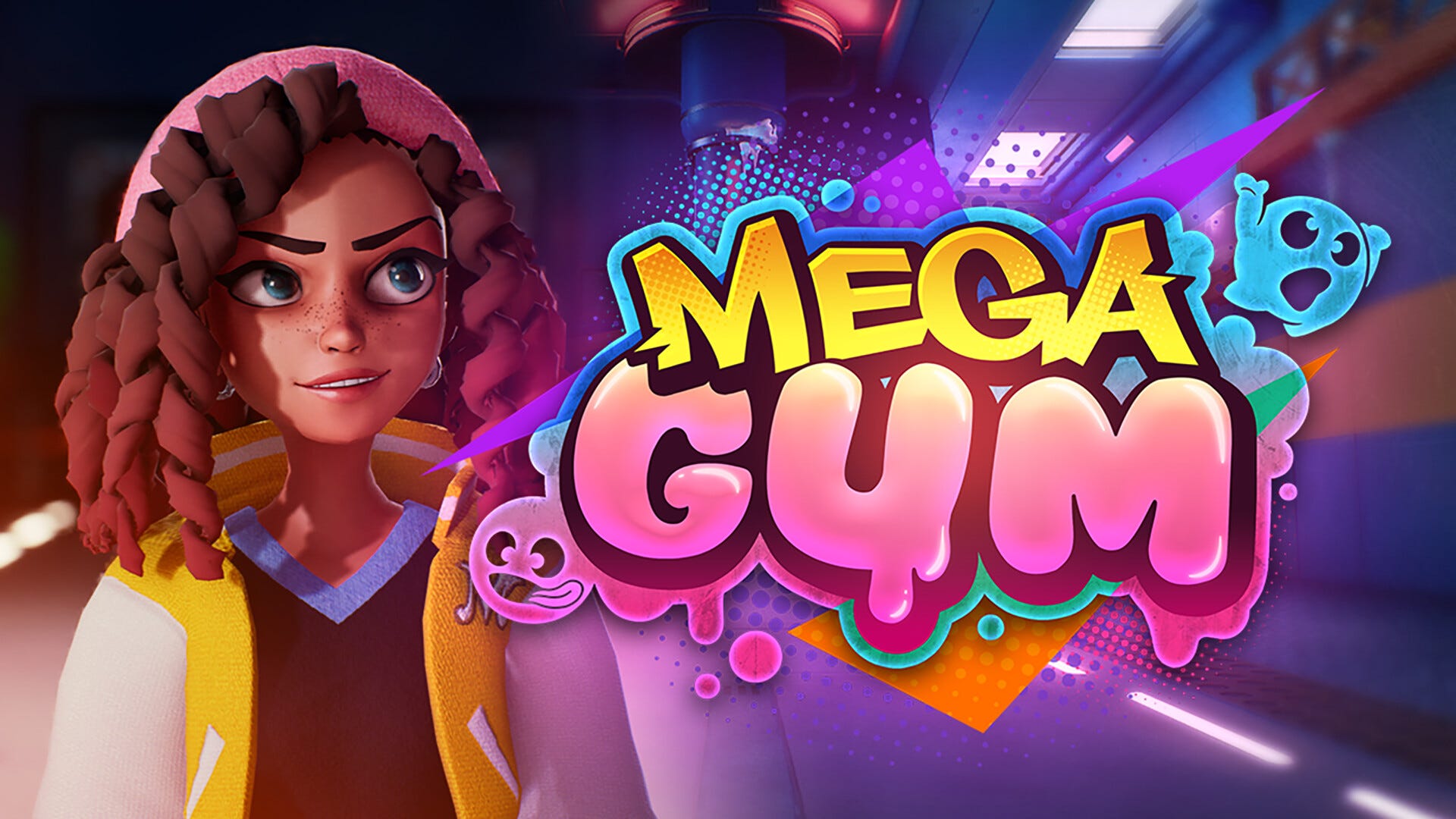
They released Chickenhare and the treasure of Spiking-Beard last year and brought the upcoming MegaGum to Codfish Game Clinic. Rogery was excited to share the game with everyone at the event and seemed to have a positive experience in Óbidos.
This is the most secretive studio and project present at Codfish Game Clinic. Not for any specific reason beyond the game’s solo developer, Filipe Thomaz, not being quite ready to share the game with the world (yet).
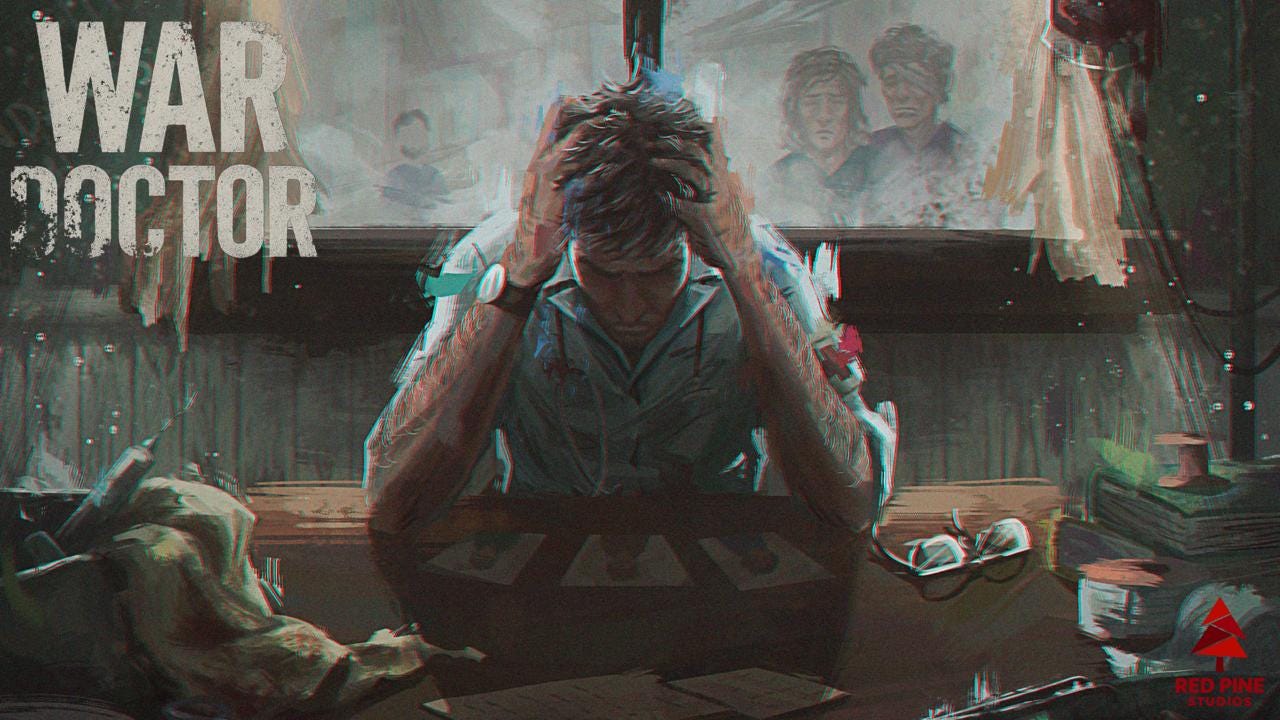
He has previously released a game under his own name: Into A Dream. The project he brought to Óbidos was War Doctor, a narrative-focused experience. Here’s what he had to say about the Game Clinic:
Translated from Portuguese.
It isn’t common to be able to spend one hour with a key person from a big gaming publisher to discuss a project, let alone with someone who did their homework excellently, playing all the games and analysing all pitches in advance.
The depth of the advice, strategy, and discussion from someone with such knowledge of the industry internationally in publishing went above and beyond any other experiences I’ve had with more conventional pitches.
Although it was hosted in partnership with Dear Villagers, the Game Clinic is a project created by Codfish Academy. Ricardo Flores Santos, a partner at the organisation— who also hosted a Masterclass about Steam Store trends and optimisation— shared his own thoughts about the event and why it exists:
(Translated from Portuguese)
Game Clinic’s objective is to “simply” attempt to change the Developer meets Publisher and Publisher meets Developer paradigm. The many years we’ve had of this industry shows us that the current “speed dating” approach in events and the sending of pitches or demos is poorly adjusted, so it ends up being less than ideal for both Devs and Publishers.
We need more time, quality time. After all, the relationship between Dev and Publisher is like a marriage which can and should last beyond a single game. It is a relationship built on trust between people. The Game Clinic is exactly that: a networking space where people can know each other, play and talk about their games and the business opportunities.
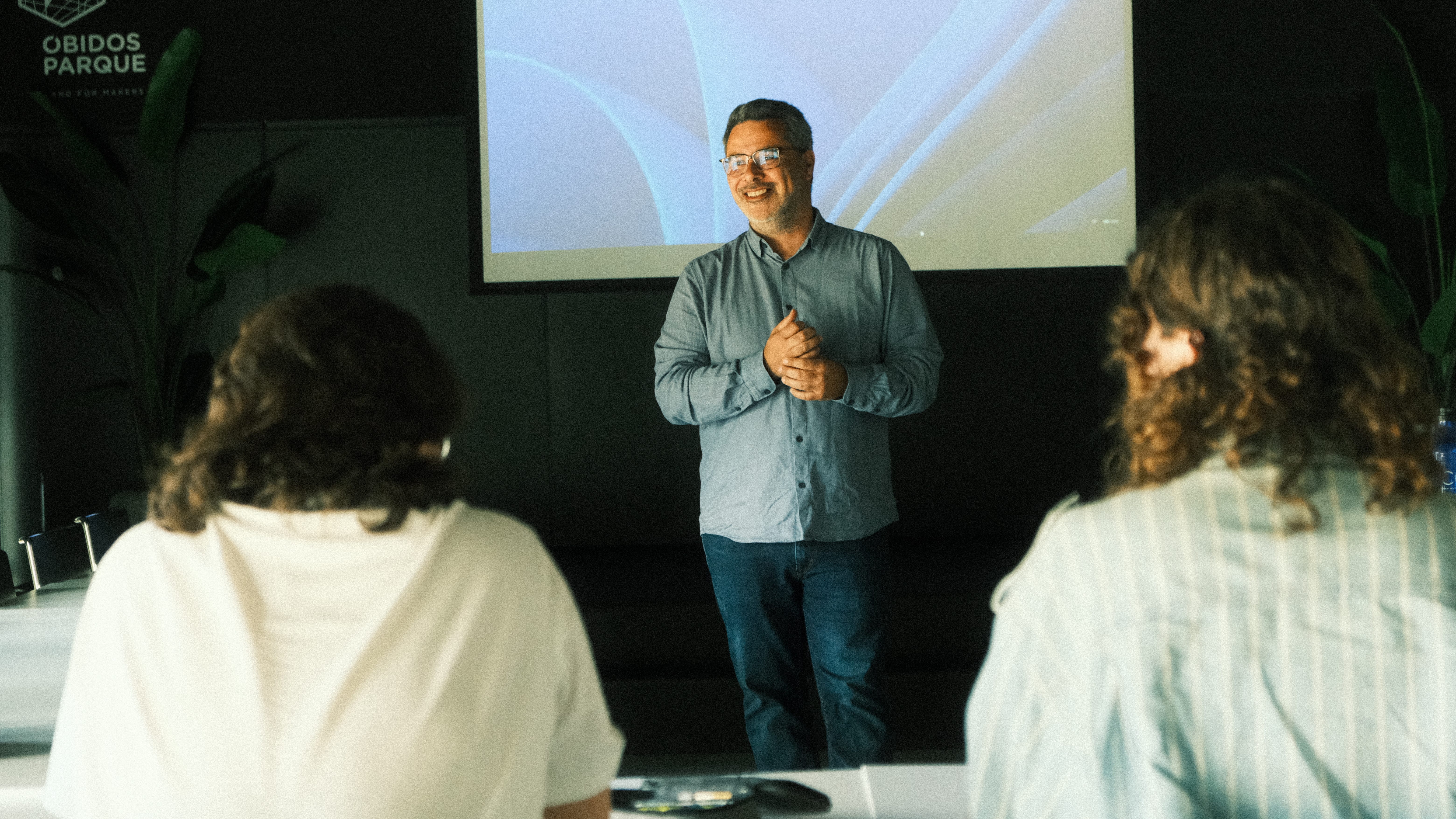
Regarding future editions, Santos told me that Codfish Academy “plans to host more Clinics and other meets between industry professionals with the help of Óbidos Parque and the municipality”. If everything goes according to plan, there should be a Clinic “at the start of Summer and another around September” of this year.
Santos believes that these events can work as a way of displaying Portuguese creators while also attracting international studios, like N-Zone in this first Clinic.
All conversations I had with people at the event were positive, as were the testimonies you read above. Let’s see if this can kickstart more events of its kind in Portugal, hopefully bringing more international studios and publishers to our sunny lands, while taking our games beyond the border.
There will be no “regular” edition of Portugal Makes Games? tomorrow as I was busy working on this for most of the week. I’ll be back with updates next weekend.
No posts
Comments
Nothing yet. Say the first thing.
Sign in to join the conversation.