

At around 10AM on Thursday, November 6, I arrived at the Myriad Cristal Center in Lisbon to attend DevGAMM Portugal 2025. Armed with a plan to help fight the pesky social anxiety trying to take over, I had multiple talks scheduled that I wanted to attend. After all, there were a ton of speakers and various interesting topics happening in three different halls.
When I left the center around 7PM, I hadn’t attended a single talk. Despite arriving even earlier the next day, the only time I got inside one of the halls was to attend the DevGAMM Awards at the end of the event. And the culprits behind my absence from those talks were the seemingly endless supply of exciting games spread throughout the Cristal Center.
Here are 8 DevGAMM Portugal 2025 games to add to your wishlist, and the main reasons why I did not attend a single talk throughout the entire event.
This list is in alphabetical order, I’m not ranking these games.
What first caught my eye when I looked towards Ada Eden’s booth was that there was a laptop on top of the desktop computer with a written disclaimer.
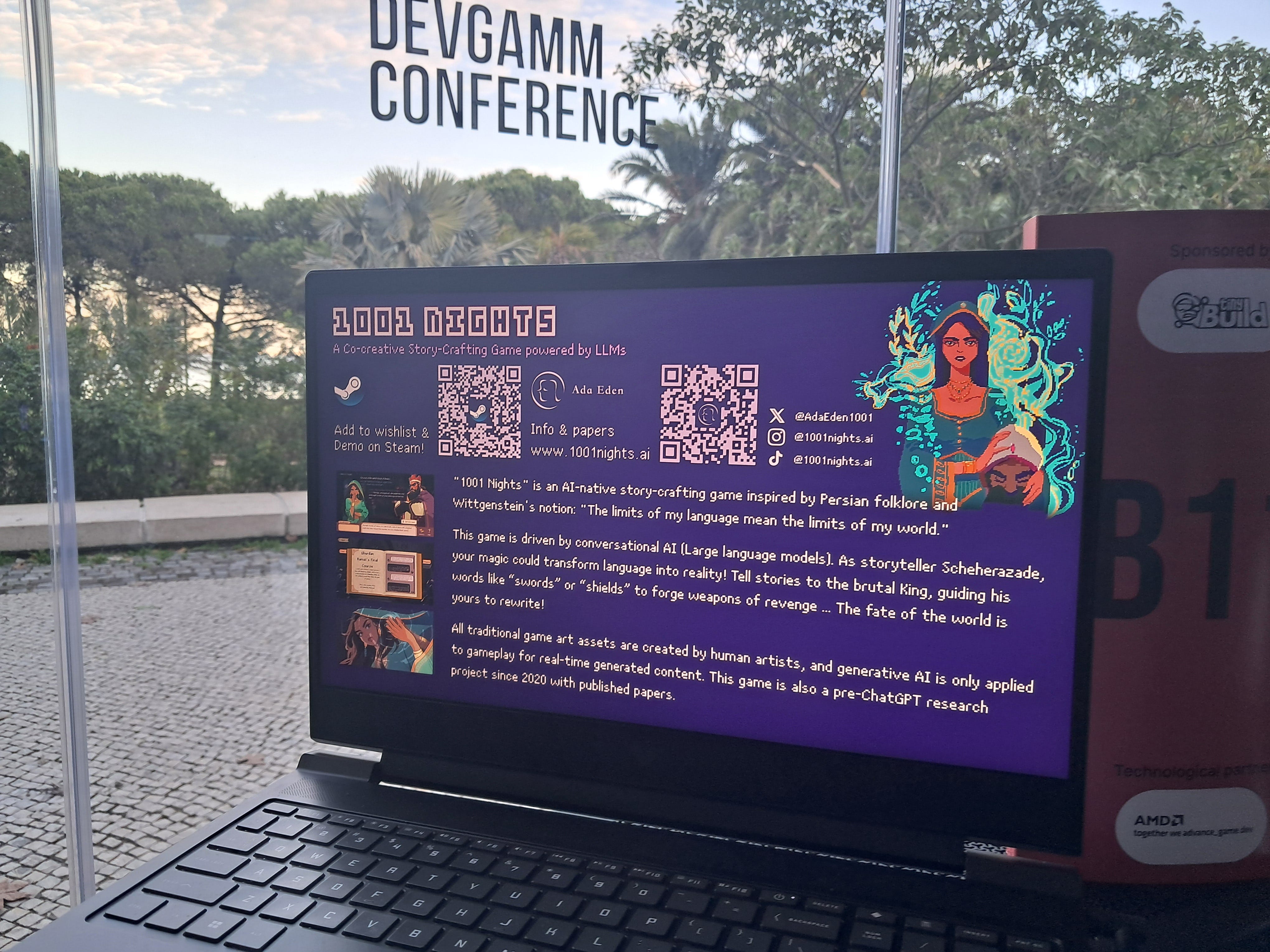
Since AI is so frowned upon in game development, Ada Eden decided to be as transparent as possible with how they’re using it in their game. They went so far as to make two different published papers— and had printed copies of them at the event— which you can check here and here.
1001 Nights is such a unique game that when I asked one of the programmers to describe it to me in a succinct pitch he kind of blocked and we both laughed it of. You play as Scheherazade, the legendary storyteller in Persian folklore, and you are trying to please and trick a King with your stories in order to defeat him.
What makes 1001 Nights unique is the fact that King is an LLM who reads the text you write— there are basically no restrictions, you can write whatever and however you want— and who reacts accordingly. You want to trick the King, and the LLM, to say specific words that can then become cards which you can use in your final battle against him. A truly interesting use of AI in games.

As highlighted in their disclaimer, the wonderful pixel art seen in 1001 Nights is all done by humans. The “generative AI is only applied to gameplay for real-time generated content”. There is a demo available on Steam now, so give it a shot.
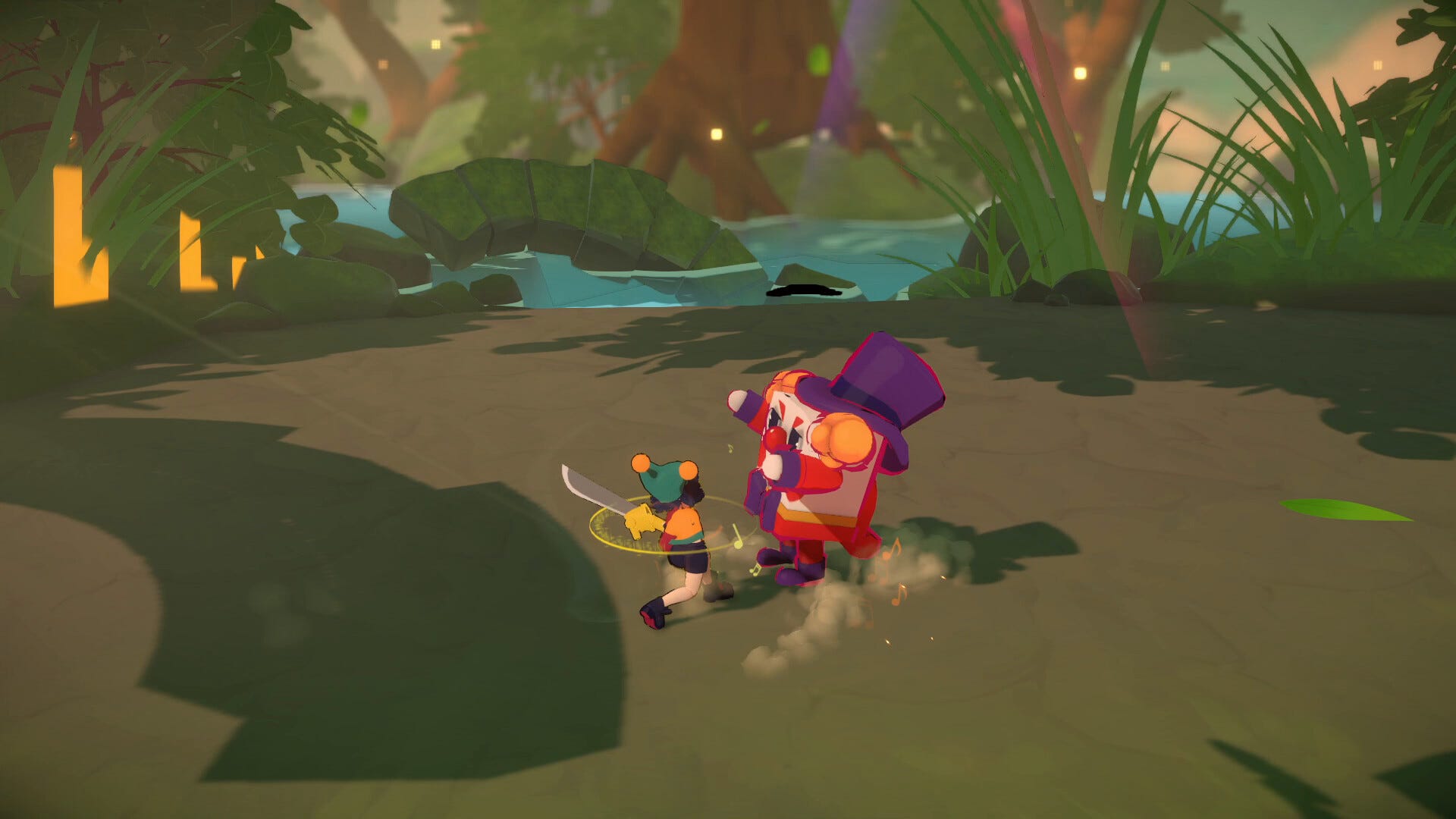
Despite the game looking fantastic, Alpha Nomos wasn’t what pulled me into the booth. Emil Lager, RibCage Games’ Tech lead and Co-Founder is the one who did that. Every time I passed by I could see and hear Emil’s excitement. He would yelp in response to something a player did, or enthusiastically tell a story about music, sound, or game animations.
I played Alpha Nomos for half an hour and then passed my seat to someone else. I already decided that this would be a day-one purchase for me, but I did return to the booth the next day simply to talk to Emil again. He told me some amazing stories about the game (I might reveal those if I ever get the pleasure of officially interviewing him) and we had a blast.
Alpha Nomos is a rhythm action game inspired by the likes of Hi-Fi Rush. Although it is a title made by a much smaller studio and with a minor scope, the attention to detail, the polish, and the level of quality of life features is beyond what I could ever expect.
There are metronome settings, HUD customization, audio settings, and all this in a demo playable at an event, not even one that is live on Steam (yet). Alpha Nomos mixes the rhythm-based 3D action combat with roguelite elements with meta-progression. It takes place in a world entirely inhabited by living dolls trying to find out why they’re alive, which are animated so well that they would fit right into a high-budget animation short.
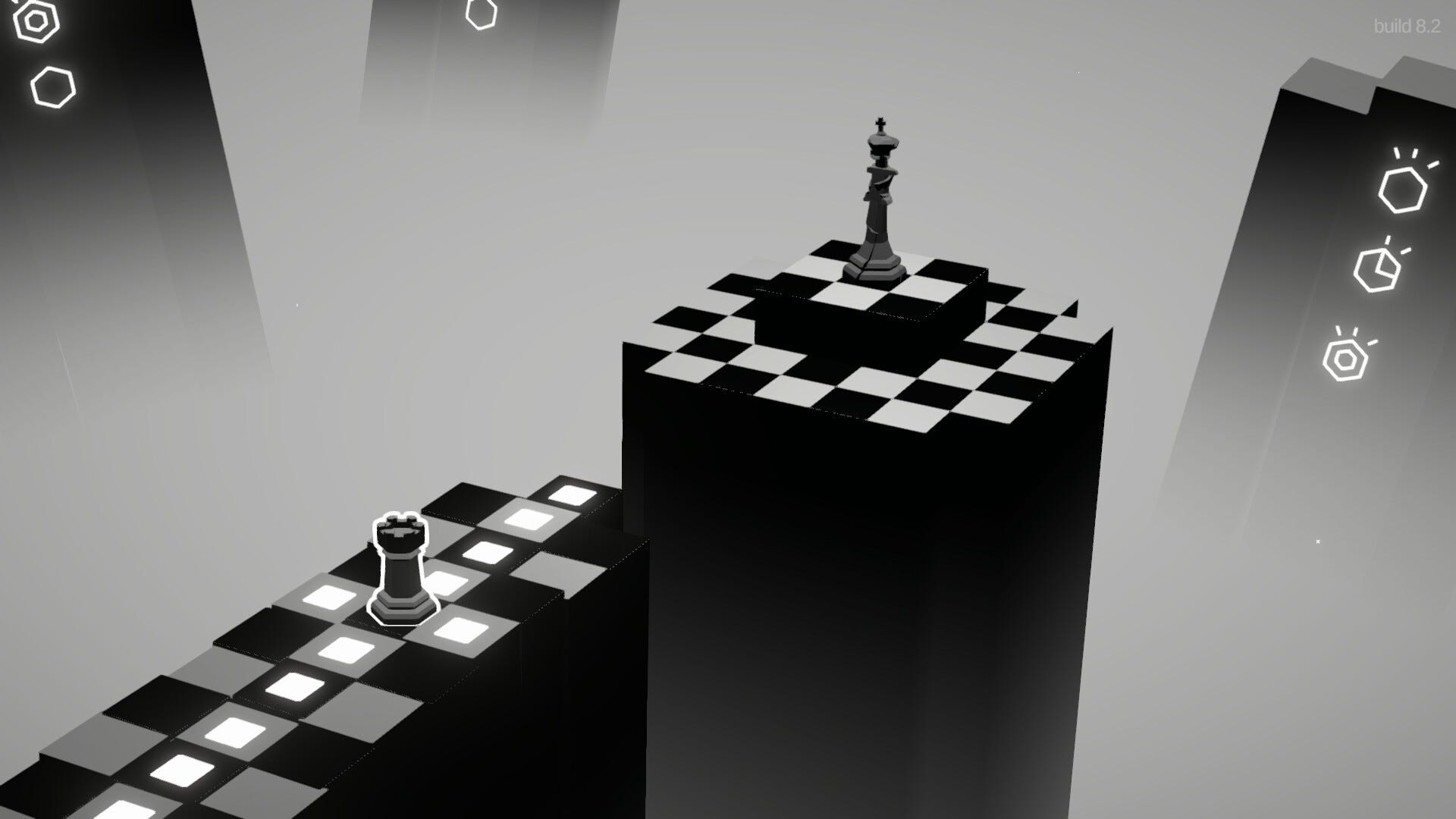
I’ll preface this paragraph by saying that I am biased towards all games listed in this article, but I am even more so for this game (and one other). Beyond The Board is made by Fragile Shapes Studio, a two-person team based in Portugal. Bruno and Guilherme, the two developers, were at the booth seeing the player reactions and openly interacting with everyone.
They’re both men of few words, but, much like their game, their work speaks for itself. Beyond The Board is (NOT) a chess game. You control and interact with chess pieces, but this is a surrealist puzzle game which tries to break your brain through clever mechanic-stacking and perspective tricks.
It looks unique, it teaches you everything you need to know in as few words as possible, and scales the puzzle complexity in a smooth curve that keeps testing your abilities. The demo experience culminated in a boss fight— yep, there is a boss fight in this puzzle game in which all you can do is press the mouse button on the tile you want to move onto— which expertly combined most of the mechanics you previously encountered.
Play the demo which is available now on Steam, and put it on your wishlist if you enjoy it.
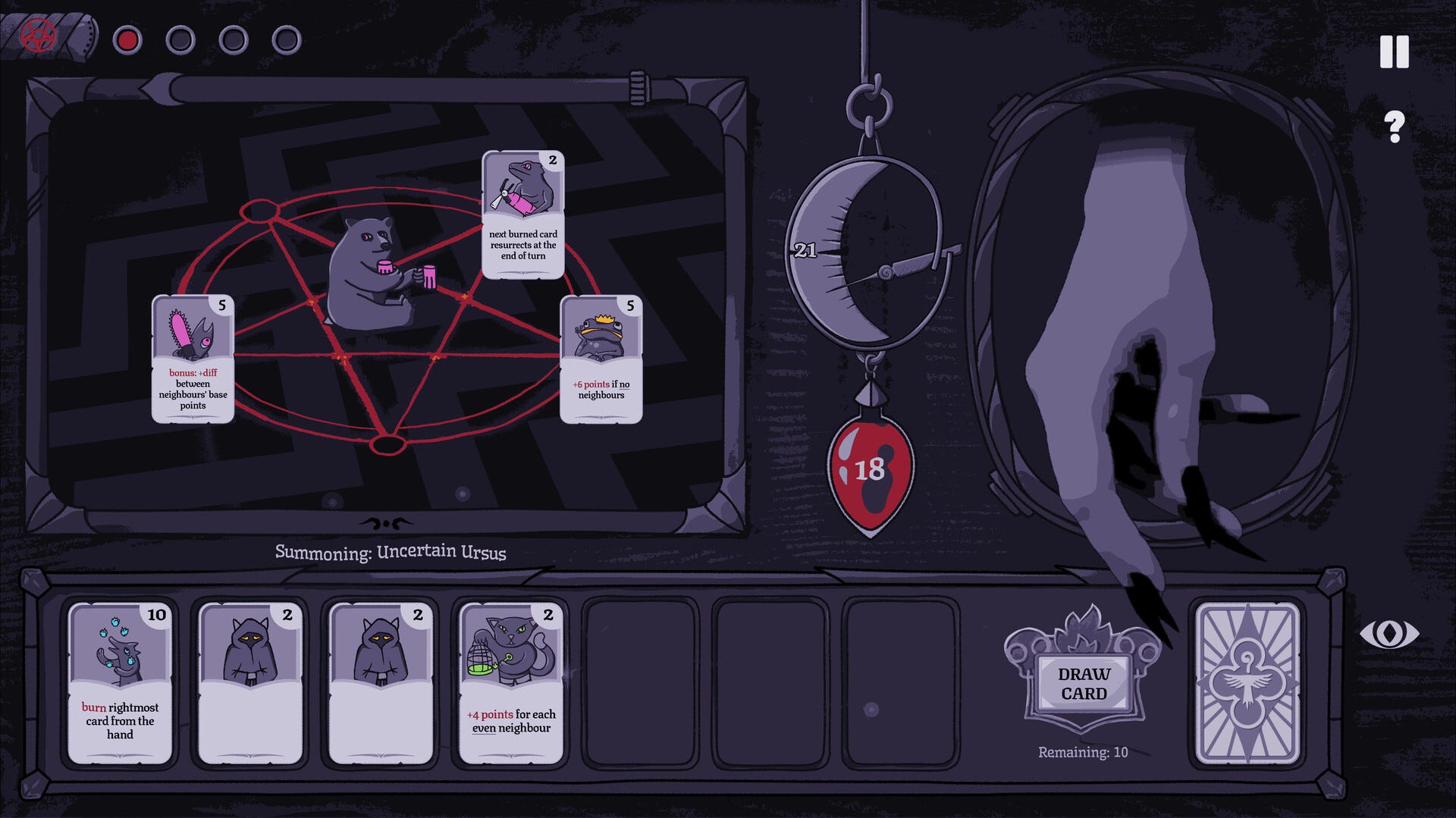
Deckbuilders are a dime a dozen, especially if they happen to also be a roguelite (which appears to always be the case), but have you ever heard of a Deckburner? Burn With Me caught my eye as soon as I looked at the screen. When this happened there was someone playing the game already, so I started talking to Eva Manuilovich instead, the co-founder and artist of Nozomu Games, and one half of the studio. The other half is her husband, Ivan Bushmin.
Eva’s art is what will get Burn With Me into your hands, but Ivan’s addictive systems will keep it there for a long time. And speaking of hands, there is an incredibly well animated and well drawn hand on screen for the majority of your time spent in Burn With Me, and I love it, not sure why.
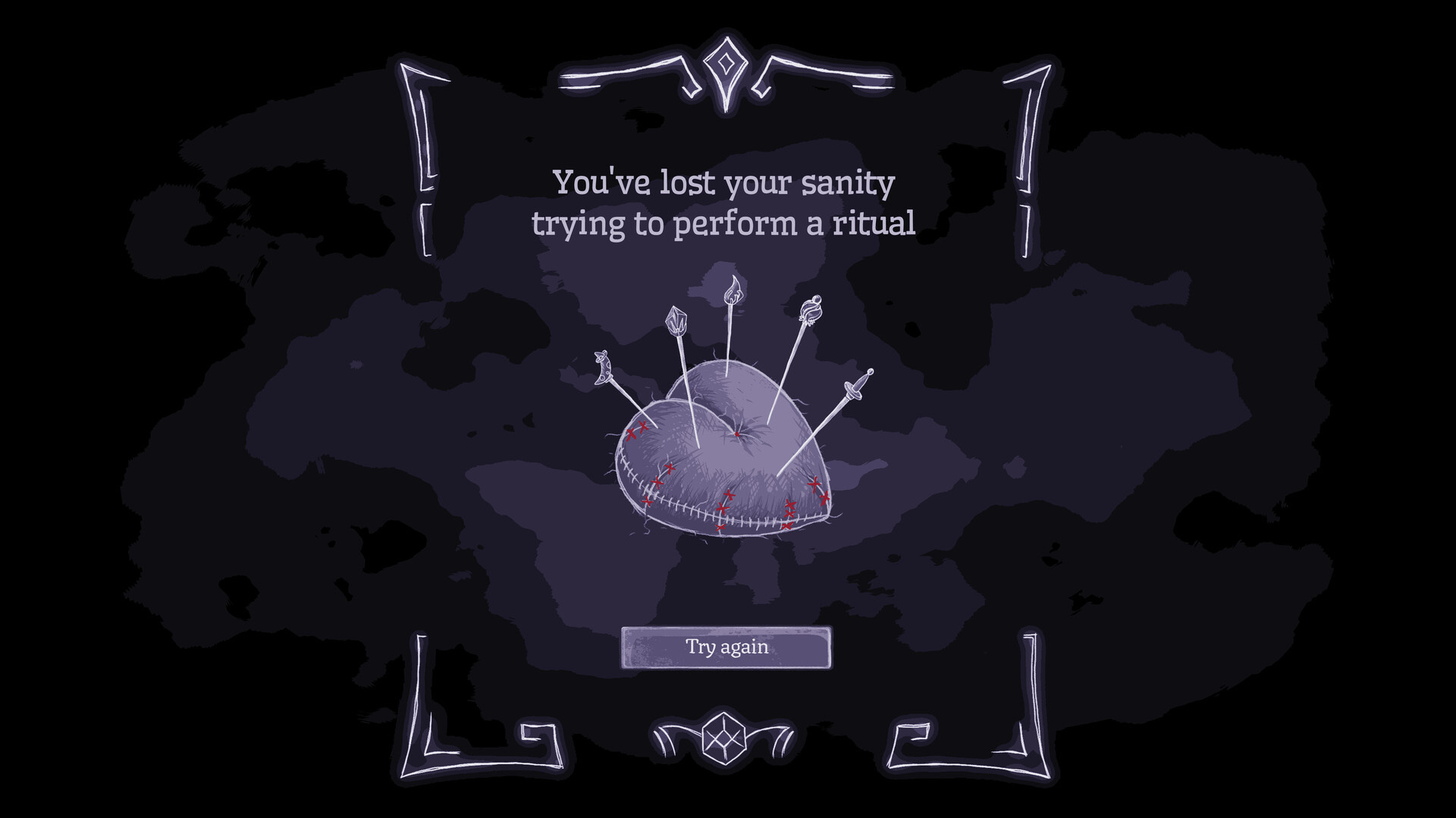
As the name implies, Burn With Me has you burning cards more often than building your deck. You can never have more than six cards on the table at once, so not only is there no point in having a lot of cards, having too many will actually hurt you. Plan your moves carefully and burn away all the fat from your deck so you can reach each chapter’s bossfight powerful enough to take it down with just half a dozen plays.
You can join the Burn With Me playtest now on Steam.
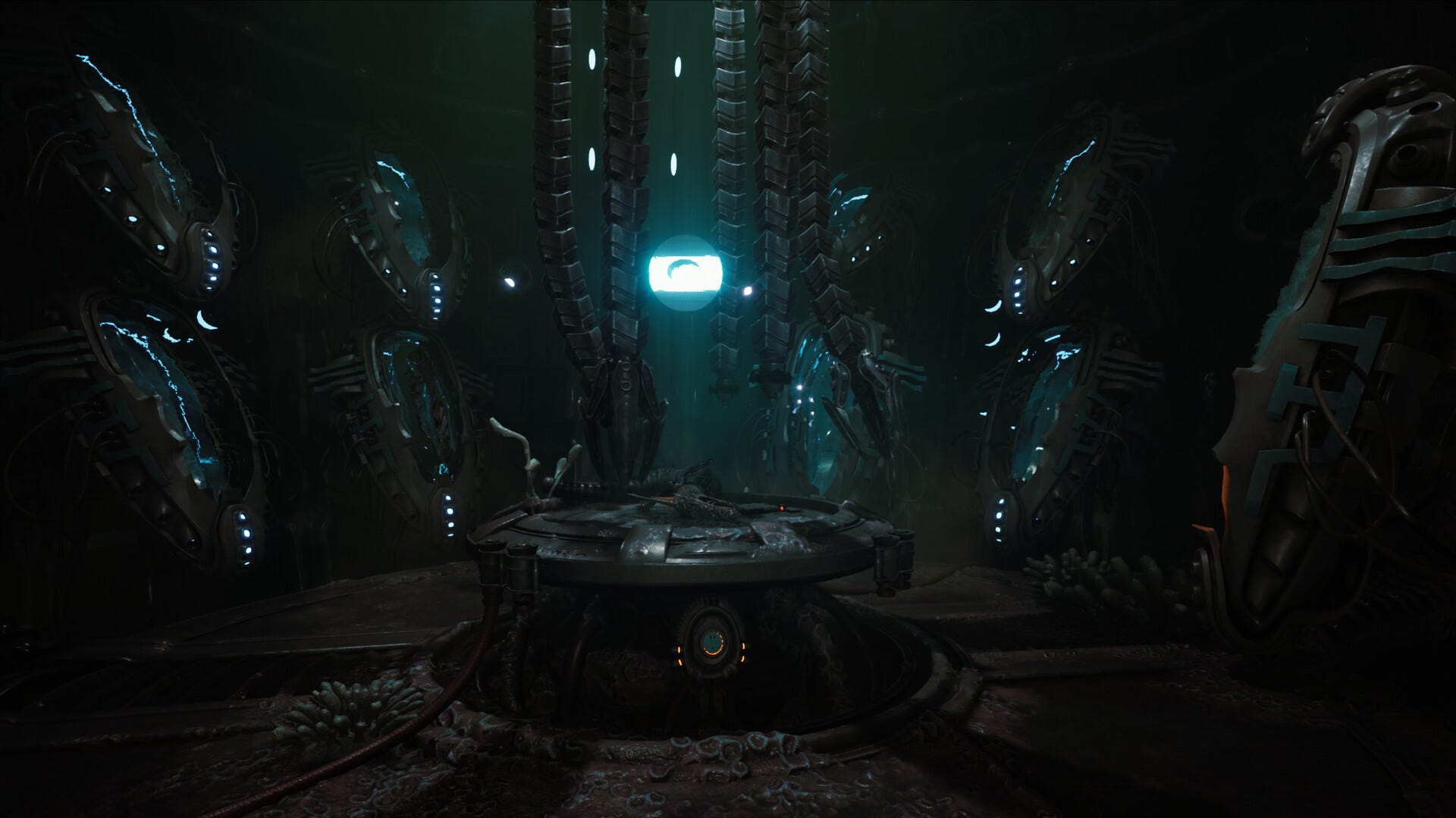
There is no developer to whom I spoke more than Yelyzaveta Lemeshko, Have A Dream’s Studio Representative, and for good reason. Every time someone approached the booth where Delusion Out Of Space was being shown, Yelyzaveta showed immediate interest. She was eager to speak about the game, a project she and the rest of the small studio have been working on for years.
Delusion Out Of Space isn’t breaking any boundaries. It is a relatively simple sci-fi horror shooter heavily inspired by Dead Space and Lovecraft, but it comes with enough ambition to feel the entire Myriad Cristal Center. This game is the first of a possible franchise with multiple genres that Have a Dream and Two Cakes Studio want to make. The bizarre world was built with that in mind, but Yelyzaveta assured me that Delusion Out of Space would be a self-contained experience with an open-ending, giving players a conclusion while leaving the door open for possible future projects.
I saw multiple people play the game before I had the chance of sitting down to try it myself. When I did, I had already been speaking with Yelyzaveta for close to an hour, which only made the experience better. While it is still at a very early stage with a few bugs and unavoidable clunkiness, it already looks phenomenal with excellent art direction. The narrative setup is also excellent, albeit as ambitious as everything else in the project.
I truly hope to see Delusion Out of Space coming out sometime in the next couple of years, the passion that Yelyzaveta and the rest of the team have for this game and universe was palpable. The demo I played isn’t available on Steam yet, but it should go live once it is more polished. In the mean time, you can add it to your wishlist.

The second and final Portuguese-made game in this list is Hell Maiden, the winner of the Best Game From Portugal prize at the DevGamm Awards 2025. While you might not have known their country of origin, you might’ve heard of AstralShift, the studio behind Hell Maiden. They also developed two other games, including Little Goddy Two Shoes, which was published by Square Enix in 2023.
I had the enormous pleasure of playing Hell Maiden after spending quite a while speaking about it with João Batista, AstralShift’s CEO and Software Developer. Hell Maiden is, in most ways, a departure from the studio’s previous works, but it is also a doubling-down on what they do best. AstralShift excels at making excellent artwork inspired by classic 90s anime— which is on display throughout every aspect of Hell Maiden— and at crafting narrative experiences.
Despite being a Bullet-Heaven game à lá Vampire Survivors, Hell Maiden does not settle for second-monitor material. There is a dash button, a core narrative with a beginning and end, and with expertly crafted cutscenes and fantastic hand drawn characters to know better through dialogue. There are also bossfights.
You’re not waiting for the clock to hit 30 mins and to be killed by a nigh-on unbeatable enemy, your build will be put to the test at the end of each run in a boss fight that forces you to use your brain (and fingers) if you want to come out victorious. You can try Hell Maiden out for yourself through the demo available on Steam, and you really should.
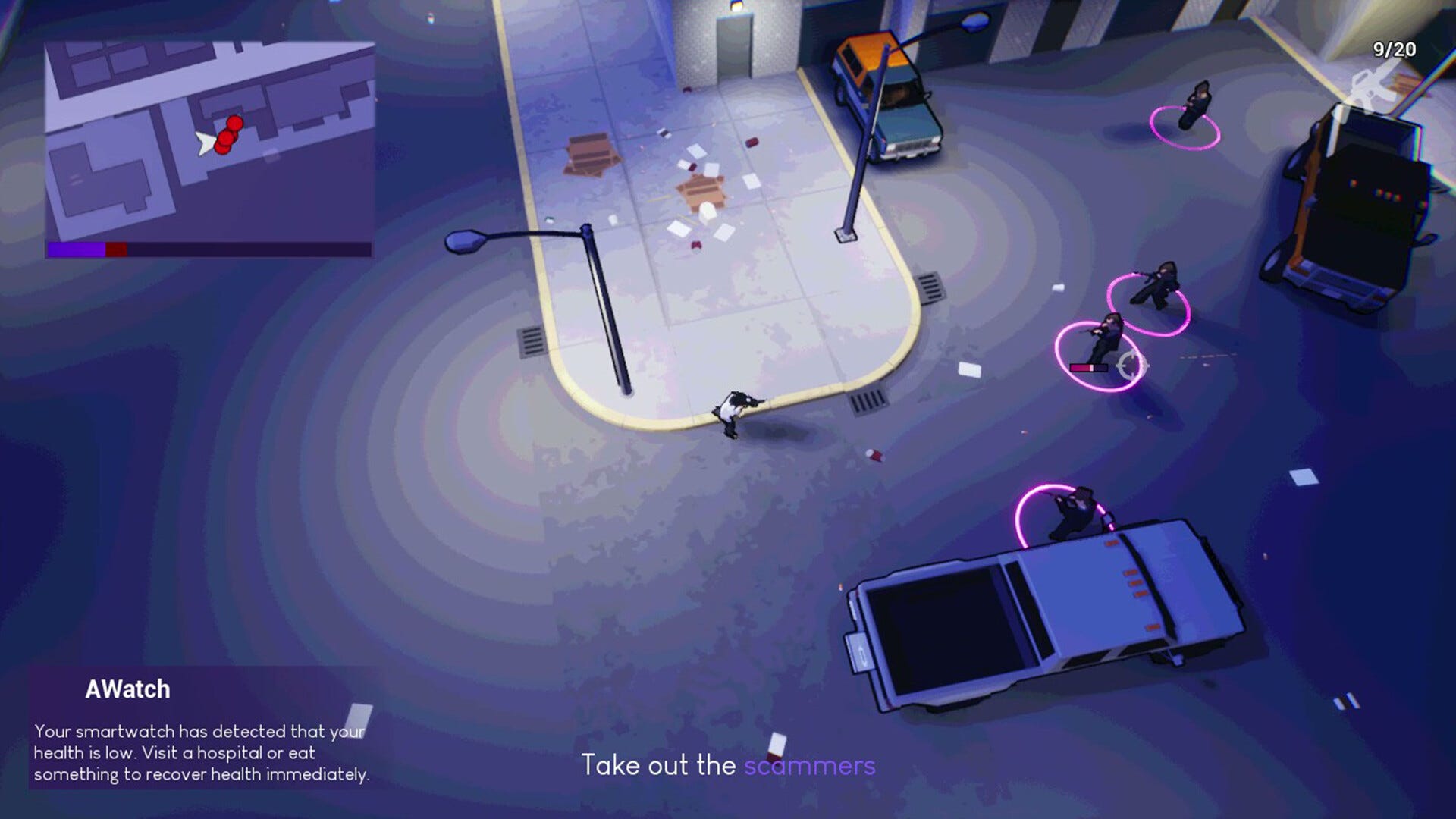
Changing gears and tone harshly enough to give you whiplash, we move onto Money WASTE, a weird looking game inspired by early GTA titles like Chinatown and Vice City. At first glance, Money WASTE seems like a cool-looking edgy game where you drive cars and sell drugs, but that is just a shiny veneer. There is an entire combat system once you step out of the vehicle, and an entirely second game when you pull out your phone.
Money WASTE is being made by a two-person studio that goes by the name of From Void (previously known as 7Games). Hailing from Italy, these guys have their work cut out for them. Not only are they making a game inspired by one of the biggest franchises in the history of videogames, they’re also hiding some absurdly deep systems behind the low polygon aesthetic.
The game features a complex and realistic traffic system, some incredibly satisfying driving, NPCs that move so fluidly and erratically that they look like other players, and an entire tycoon maxigame (as opposed to minigame) in which you can expand your drug dealing business, get into real estate, hire people, check the crypto market, and more. Money WASTE’s demo got me excited to see what’s coming, and it will surely get you hooked once it goes live on Steam.
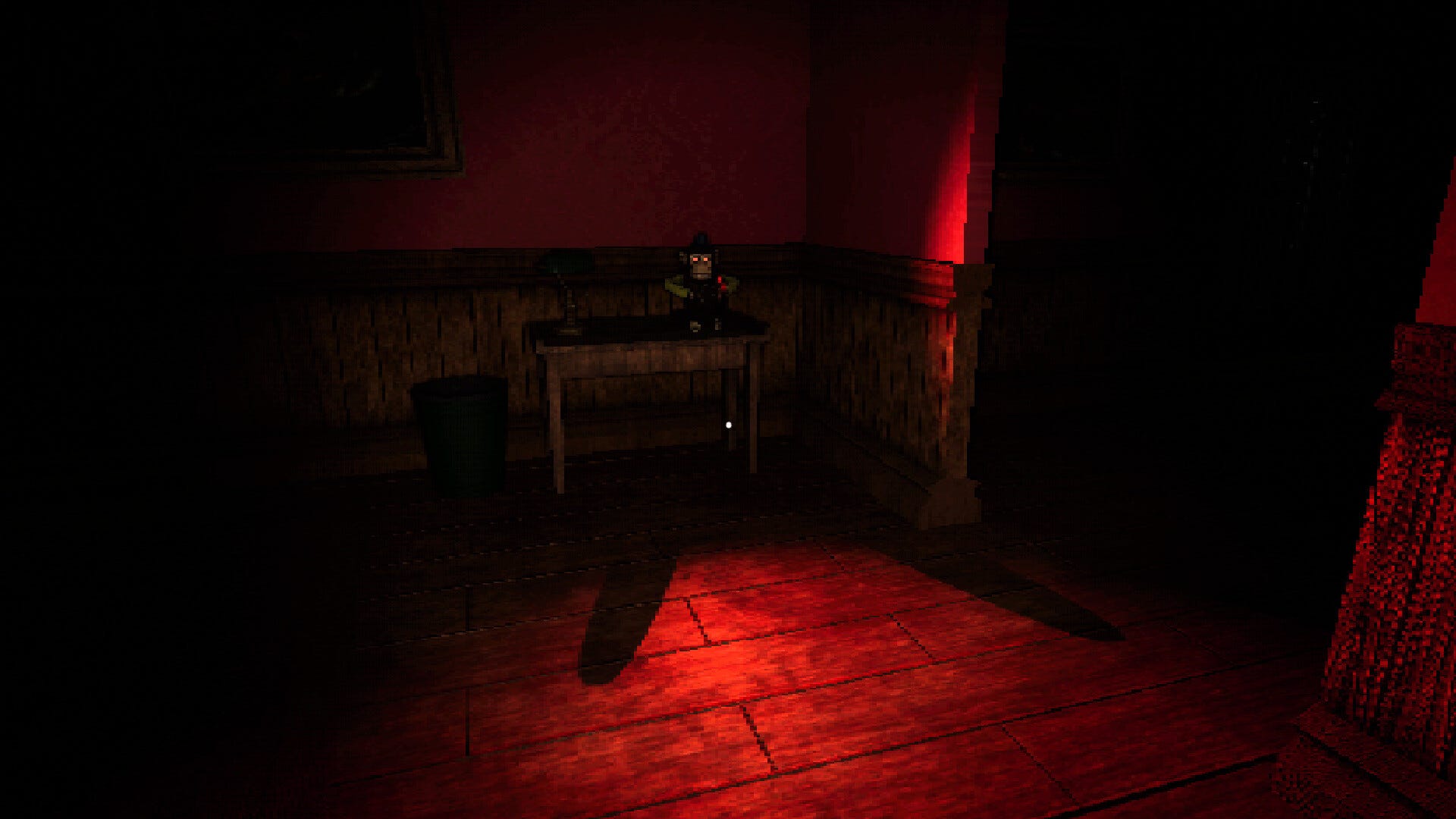
Finishing the trifecta of Latin languages comes Oniria from Frog Team, hailing from Spain. This small studio made up of young people between 20 and 26 years old is crafting a beautiful first person psychological horror. Oniria takes place in a fictional village of the same name, inspired by real parts of Northern Spain.
The demo kicked off extremely well with a sort of PSX take on Resident Evil. You’re dropped into a creepy hotel that is much too dark and much too empty. Through puzzle-solving and item descriptions you being to piece together what is happening and who you are, until you are cornered by a terrifying monster and… transported into an entirely different game?
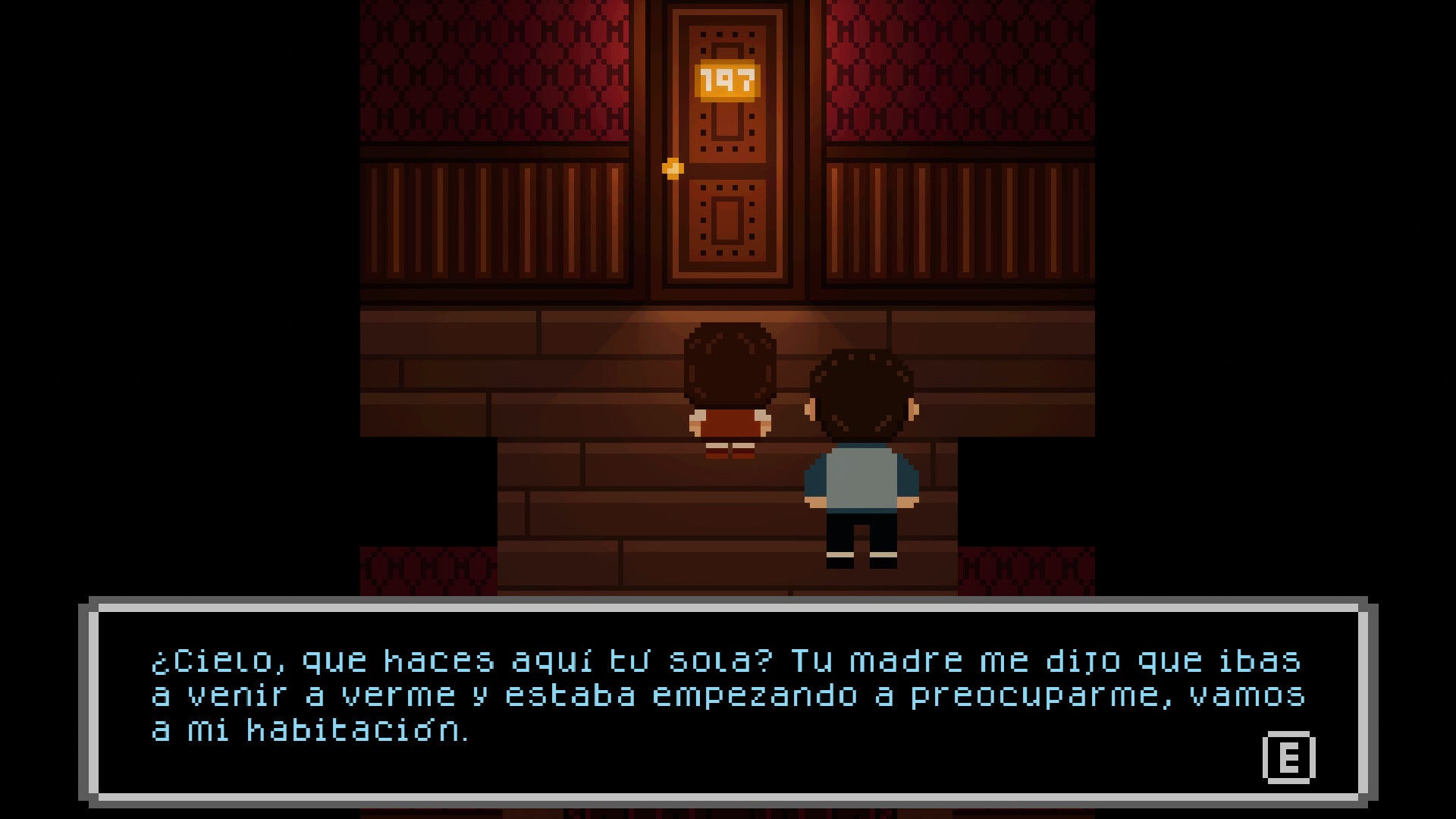
Frog Team do not have the budget to make character animations and cutscenes the way they wanted to, so instead of doing it poorly, they decided to create an entire second game inside Oniria, a 2D horror-narrative experience. In it, you will uncover what happened to the protagonist (Angy), her father, and her hometown. If Oniria’s fantastic art style and atmosphere isn’t enough to convince you, the demo is available to play now on Steam, so go ahead and try it out for yourself.
No posts
Comments
Nothing yet. Say the first thing.
Sign in to join the conversation.