
In 1965, a 17-year-old named Fred DeLuca needed a way forward. Medical school wasn’t cheap, and there wasn’t a clear path to get there. So he did something unique. He borrowed $1,000 from a family friend and opened a small sandwich shop in Bridgeport, Connecticut. He called it Pete’s Super Submarines. It wasn’t a brand built for scale or crafted to be memorable. It was just a name—long, descriptive, and good enough to get the doors open. And for a while, that was enough.
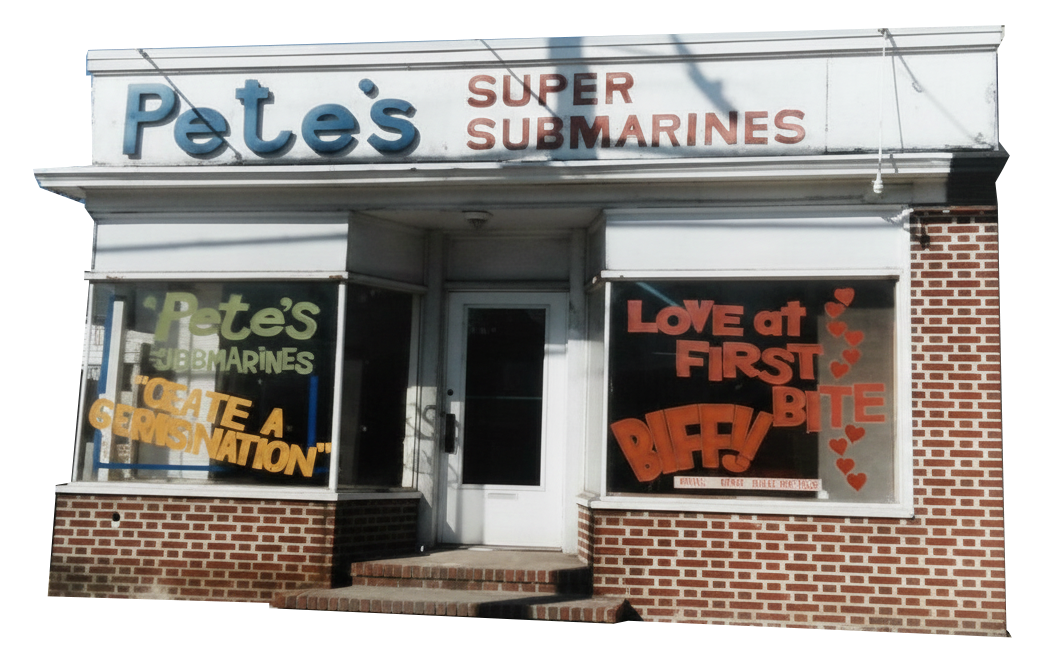
As the business grew, they began advertising on the radio, hoping to bring people in. But something strange started happening. People weren’t repeating the name back correctly. They weren’t asking for subs. They were asking about something else entirely. Pizza Marines.
It’s easy to laugh at it now, but in that small mishearing was a much bigger truth. A brand doesn’t live in what you say. It lives in what people hear. And what they heard wasn’t clear.

So they made a change. Not to the product, not to the ambition, not to the direction of the business—just the name. In 1968, Pete’s Super Submarines became Subway. Short enough to say without effort, clear enough to understand instantly, and strong enough to carry the business forward.
From there, things began to move—the kind of movement that feels obvious in hindsight, but only happens when something clicks. By 1974, there were 16 locations. By the early 1980s, there were over 200. Today, Subway is one of the largest restaurant chains in the world. The sandwiches didn’t change. The systems didn’t radically shift. But the way people understood the brand did, and that made all the difference.
There’s a tendency to look for complexity when something isn’t working. To add more, to explain more, to build something bigger in hopes that it will finally land. But often, the opposite is true. Clarity scales. Confusion does not.
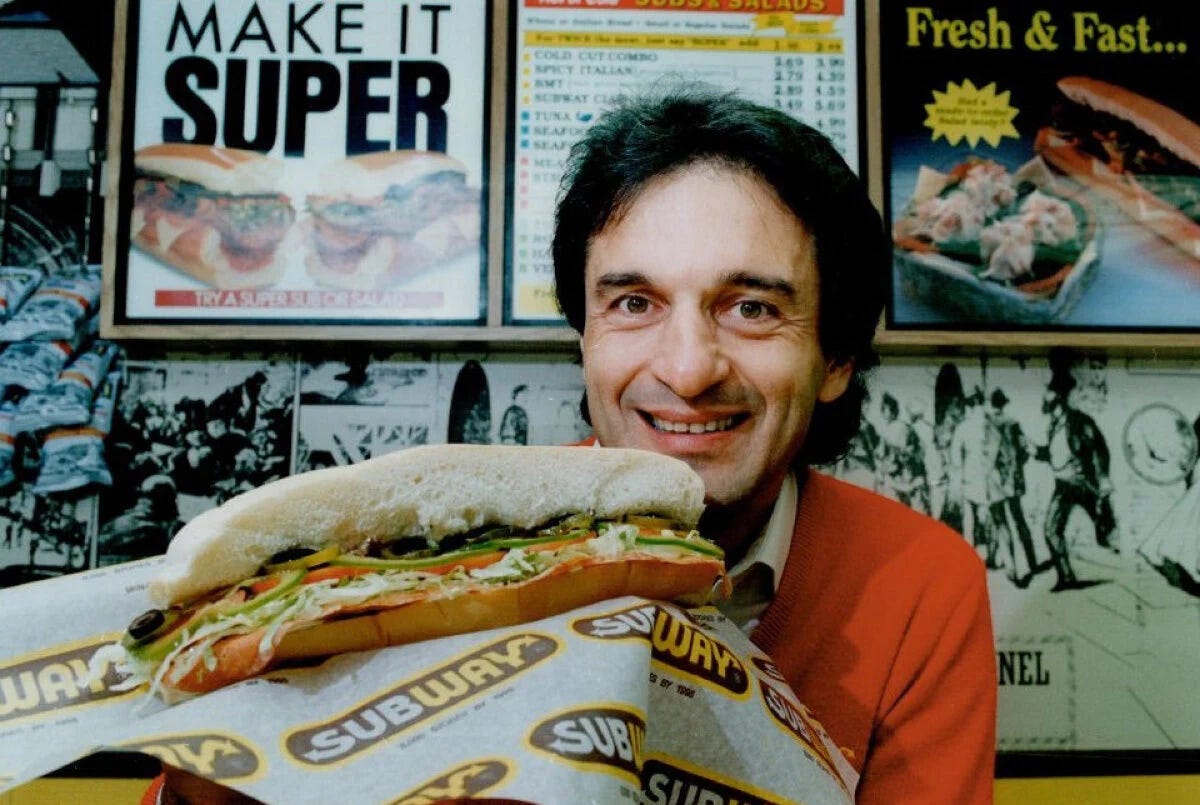
Subway didn’t grow because it had better sandwiches. It grew because it removed friction at the very first point of contact. The barrier wasn’t quality or demand—it was clarity. People couldn’t repeat the name, couldn’t remember it, couldn’t pass it on. And if a brand can’t travel from one person to another, it can’t grow.
So what does that mean for you?
What is the first thing people encounter when they come across your business—and is it immediately clear? If someone heard your name once, would they remember it? Would they say it correctly? Would they know what you do without needing an explanation?
Where might confusion be quietly costing you opportunities? Not in obvious ways, but in small moments—when someone forgets your name, hesitates to recommend you, or chooses a competitor simply because they were easier to understand.
Are you holding onto something because it’s familiar, even if it’s not effective? A name, a phrase, a way of describing your offer that made sense when you started—but no longer serves where you’re going?
And if you stripped it back—made it shorter, clearer, more direct—what would change?
Because Subway’s shift wasn’t dramatic. It didn’t require reinvention. It required recognition. They listened to what people were actually hearing, not what they intended to say, and they adjusted accordingly.
Sometimes, growth doesn’t come from saying more. It comes from making sure what you’re already saying is understood.

But How Did You Do It? is powered by Kajabi, the most robust all-in-one platform.
Claim your 30-day free trial and start creating, selling, and growing.
Thanks for reading But How Did You Do It? This post is public so feel free to share it.
Sources
No posts
Comments
Nothing yet. Say the first thing.
Sign in to join the conversation.