
US debt just casually crossed $40 trillion, so naturally, I went a little more finance-y for today’s final story (but easy to digest).
I break down why the Treasury just decided to double its buybacks of long-term US debt, what that actually does, and why it could potentially create another headache for the Fed.
So if you like all things finance like I do, stick around for the last one! 👇

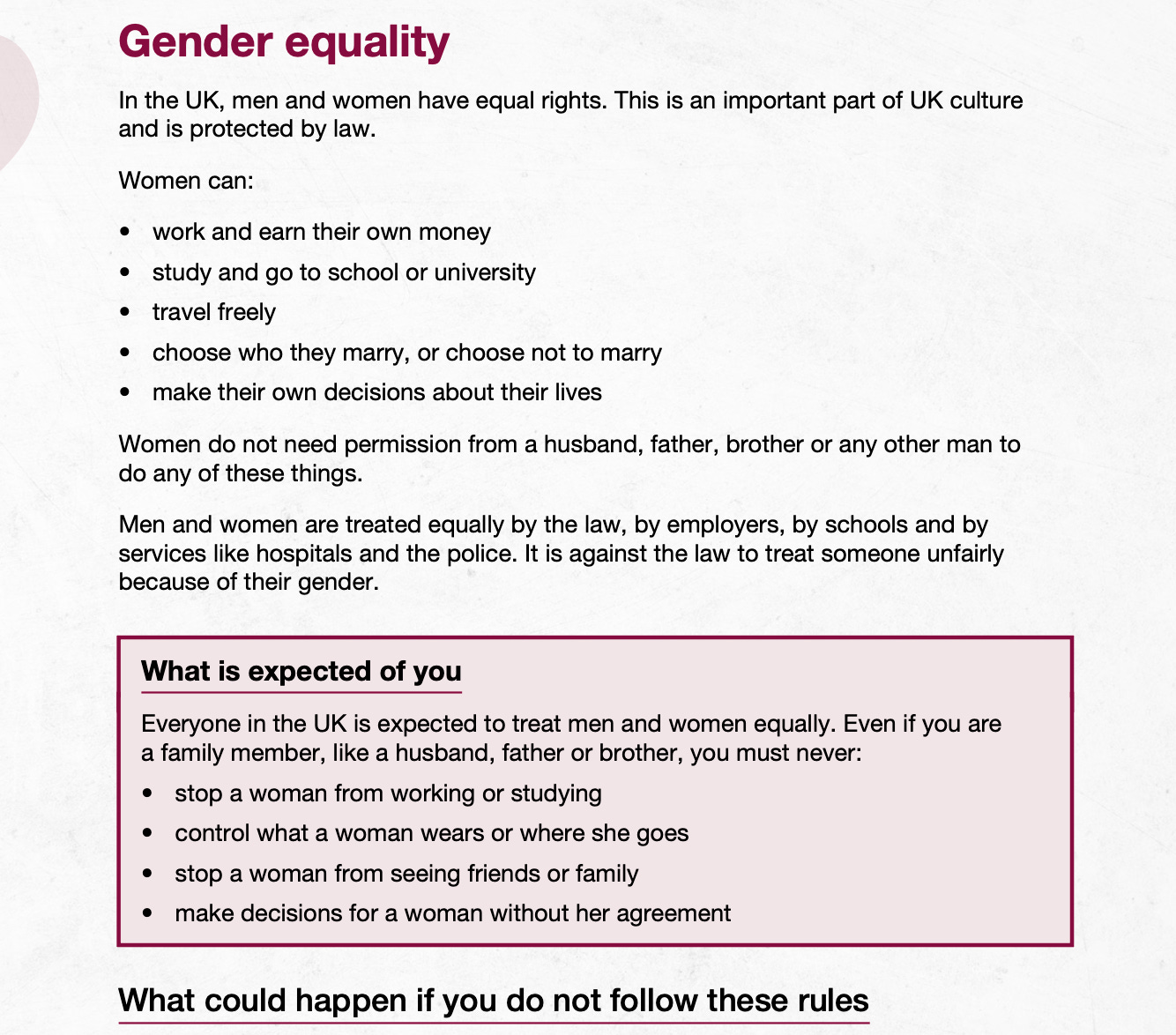
The UK Home Office has issued asylum seekers a 9-page behavior guide explaining that rape, domestic abuse, and sexual harassment are crimes, and that women don’t need a man’s permission to work, study, travel, or choose whom they marry.
But that’s not all.
The booklet stresses that consent must be freely given and can be withdrawn anytime. It also tells them not to follow women, block their path, whistle at them, make kissing noises, or direct sexual comments at them.
Critics: Naturally, they are questioning why the UK needs to explain to grown adults that rape, stalking, and controlling women are wrong in the first place. And if officials think some arrivals genuinely need such “guidance,” why are such people allowed to remain in the country at all?
The Home Office: It says clear guidance on UK law can help prevent abuse and warns offenders they can face prison, loss of support, damage to their asylum claim, and removal.
But once again, the argument circles back to the question of why people that require such warnings are accepted into the country in the first place.
Text within this block will maintain its original spacing when published

North Korean official Kim Yo Jong (sister of Dictator Kim) denied President Trump’s claim that he recently received a response from North Korean leader Kim Jong Un.
Trump says he wants to meet Kim again this year, but North Korea says no recent leader-to-leader communication happened.
However, Kim Yo Jong still described the personal relationship of her brother and Trump as “excellent.”
📌 Context. Trump just ordered the US-South Korea Ulchi Freedom Shield drills cut from 11 days to 5, partly citing his cordial relationship with Kim. North Korea says even the reduced drills remain hostile and provocative.
Text within this block will maintain its original spacing when published
Russia hammered Kyiv again with another heavy missile strike overnight. It killed at least 12 people and wounded 33.
Residential buildings, a medical facility, and a school were among the sites that were damaged.
Russia seems to be exploiting Ukraine’s critically low supply of Patriot interceptors (which is its main defense against ballistic missiles).
Allied air-defense missile deliveries this year have fallen to ~1/3 of 2025 levels. This is why President Zelenskyy’s been pushing the US for a license to let Ukraine manufacture Patriot missiles itself.
Text within this block will maintain its original spacing when published
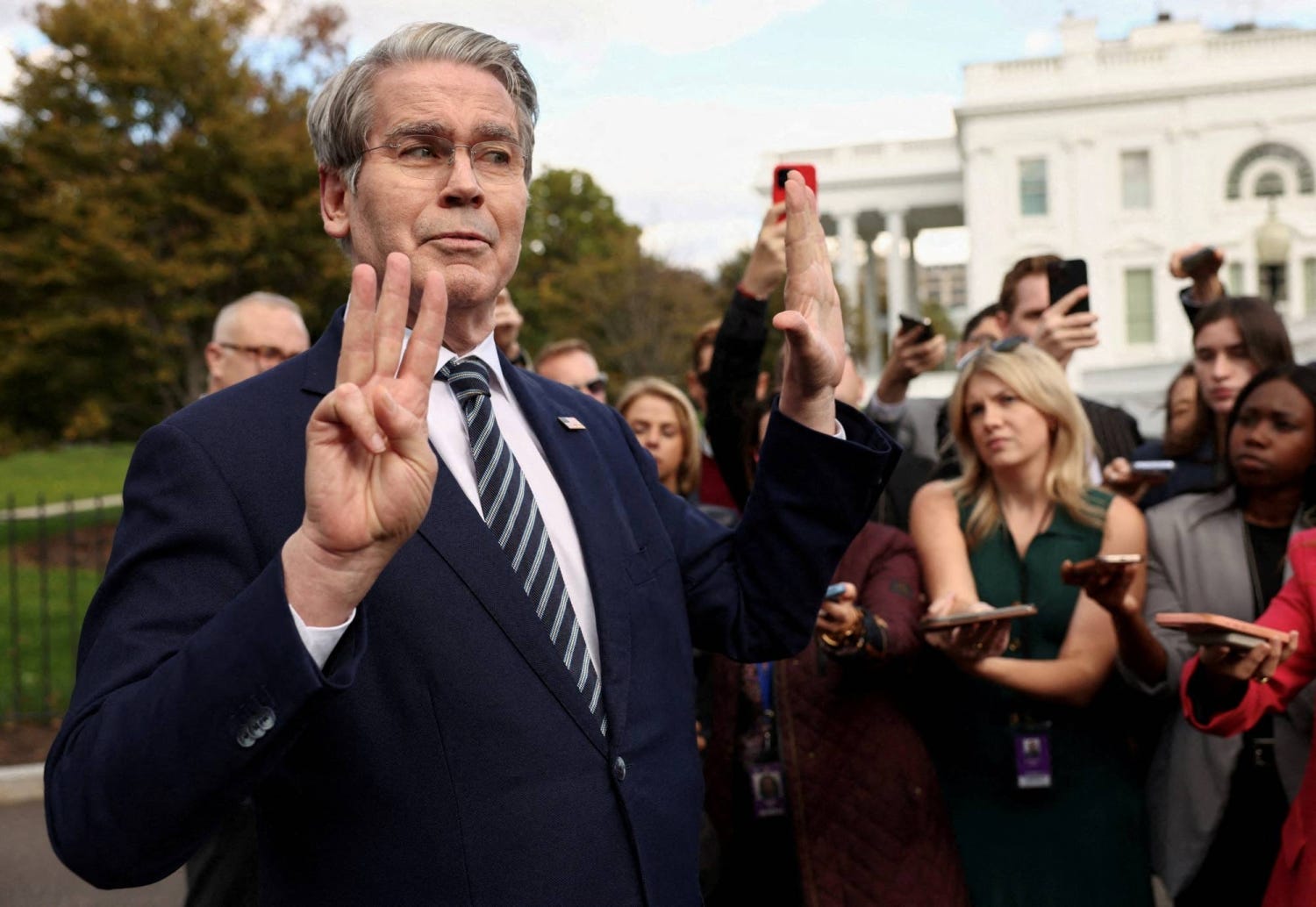
The US Treasury is doubling long-term debt buybacks from $2 billion to $4 billion per operation after US 30-year yields hit nearly 20-year highs of 5.33%.
Bond yields immediately fell on the news. This is good news for Treasury Secretary Bessent (temporarily at least), but he may have also created a problem for new Fed Chair Warsh.
When Treasury buys more long-term bonds:
It boosts demand for them → which pushes their prices up → which brings the yields down.
Lower yields help determine borrowing costs for things like mortgages and corporate debt, meaning, it can make money cheaper across the economy.
Now, here’s the awkward part. The Federal Reserve is trying to keep financial conditions tight just enough to cool inflation while achieving maximum employment. At the same time, Treasury is now pushing parts of the market in the other direction.

That said, this isn’t unprecedented. We’ve seen interventions work before.
Fed purchases during the 2008 crisis and the broken Treasury market of March 2020 helped drive yields lower and restore trading. But those were emergency Fed actions.
The closer comparison is Treasury’s own 2000-02 buyback program, when it also bought back outstanding government debt.
The biggest difference is… those buybacks happened during budget surpluses, when the US government was actually reducing debt. Today, the US has more than $40 trillion in public debt and still needs more borrowing.
Will it work this time?

🌐 EXTRA
Exclusive Content
Our paid Substack is where the extra stuff lives: exclusive interviews, extended cuts YouTube never gets, and reporting that makes us less dependent on sponsors.
If that’s worth backing, join us. If not, no pressure. I love making Global Recap too much to put it behind a paywall.
Comments
Nothing yet. Say the first thing.
Sign in to join the conversation.