
Welcome to The Weekly Exhaustion Index 🔥
If BURNT unpacks the roots of burnout, The Exhaustion Index tracks it in real time, because exhaustion isn’t just personal, it’s global. Each week, I break down the biggest conversations on work, rest, and productivity, so you don’t have to doomscroll your way to enlightenment.
Think of this as BURNT’s news section, minus the wellness clichés, plus some sharp, necessary critiques.
This week, we’re talking about:
📖 Tinder Is The New LinkedIn?!
🎧 So Many Online Scams
📊 It Now Takes 23 Weeks to Find a Job
🚩Gen Z Is Renting…Everything
🎨 Walk Away Quick
Let’s get into it.
📆 Week of March 23, 2026
1️⃣ Must-Read: The Article You Need This Week
📖 For Some Job Seekers, Tinder Is The New LinkedIn - Fast Company
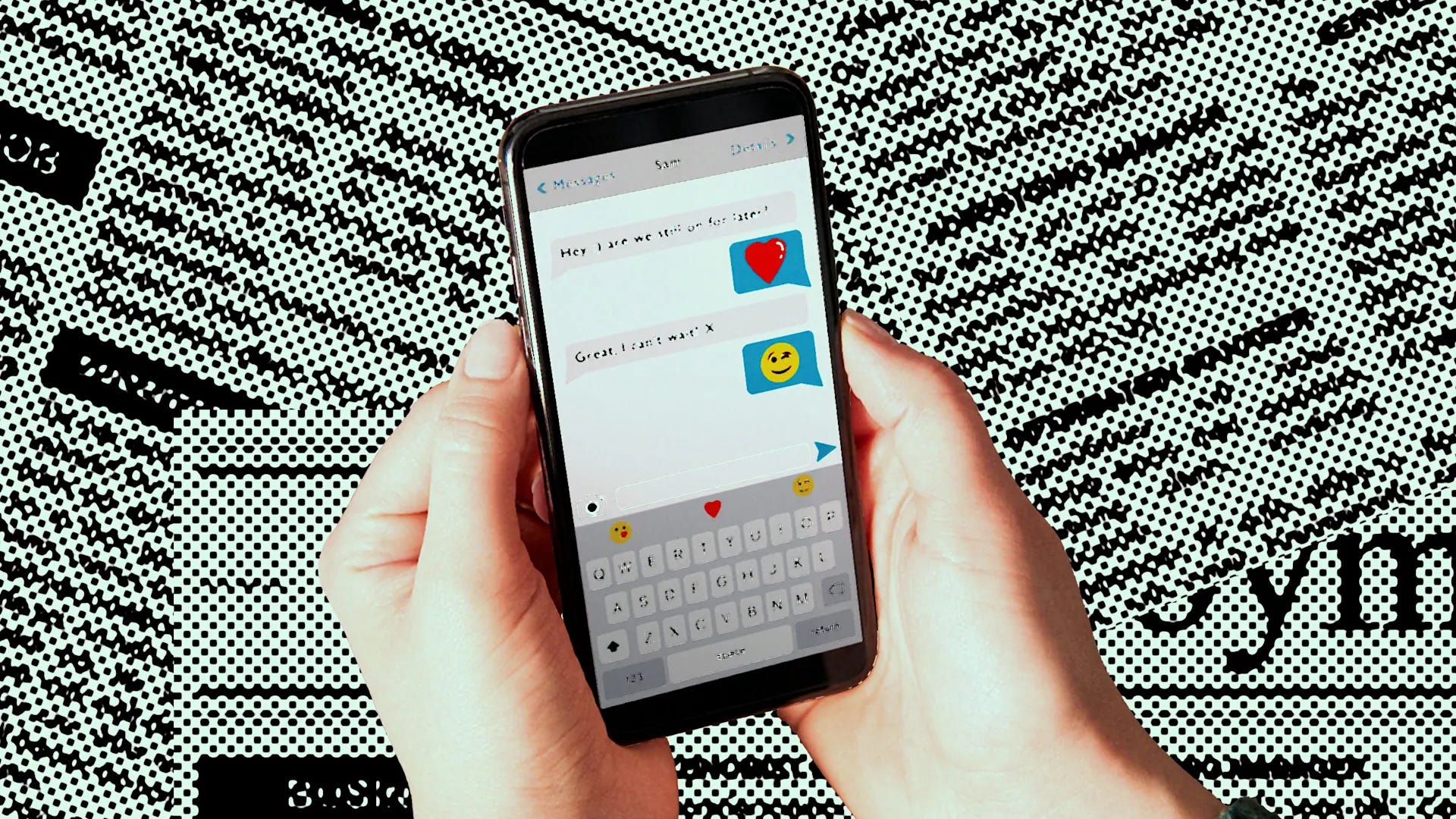
We often say job hunting is like dating. Increasingly, some people are deciding that comparison might as well be literal.
A job seeker recently went viral on TikTok after revealing her Hinge profile, where instead of photos from vacations or brunch, she uploaded screenshots of her résumé. In response to the prompt “a life goal of mine,” she wrote simply: to find work in the creative industries. The video quickly gained hundreds of thousands of views before the platform eventually removed the profile for violating its policies.
But the idea isn’t as fringe as it sounds. As LinkedIn becomes saturated with applications and employers increasingly rely on AI résumé screeners, some job seekers have begun using dating apps to reach people in their industry directly. Others say they match with professionals on Hinge or Bumble and ask if their companies are hiring, while one person even claims to have landed a six-figure job through a Bumble connection.
What I am learning from this…when the official hiring pipeline stops functioning, people start looking for side doors. And apparently one of those doors now involves swiping right.
2️⃣ Listen to This: A Podcast That Gets It
🎧 Here’s Why You Are Constantly Fighting Off Scammers - Freakonomics
If it feels like scam texts, fake emails, and suspicious phone calls have exploded lately, you are not imagining it.
This recent episode of Freakonomics Radio pulls back the curtain on what is now a ruthlessly efficient global industry. Modern scam networks operate less like lone criminals and more like highly organized businesses, using digital tools, data, and scale to industrialize deception. The episode walks through how these operations actually function and why they’ve become so pervasive. It is less about the fact that scams exist and more about how sophisticated the system behind them has become.
A fascinating listen that makes one thing clear: what feels like random annoyance is actually a highly organized economic machine.

3️⃣ Insight of the Week: Did You Know?
📊 7 Months to Find a Job – Korn Ferry
It now takes about 23 weeks on average for an unemployed American to find a new job, and nearly one quarter of job seekers remain unemployed for 6 months or longer… one of the longest waiting periods since the pandemic. For many applicants, the experience has become a marathon of submitting dozens, or even hundreds, of applications and hearing nothing back. At the same time, companies say they’re struggling to find the “right” candidates, often delaying hires while they search for people with extremely specific skill sets or reevaluate roles in the age of AI.
The result is a strange paradox of the modern labor market: unemployment remains relatively low, but the process of actually landing a job has slowed dramatically. Even with new recruiting technologies and AI-powered screening tools, many organizations are taking longer, not less time, to hire. In other words, the problem isn’t always a lack of jobs. It’s the growing “great wait” between applying and actually getting one.

4️⃣ Trend Report Watch
📉 👀 Gen Z Is Renting… Everything - Archival
This week’s insight comes from Archival, the youth cultural agency behind The Culture Brief, a weekly dispatch tracking the cultural shifts driven by Gen Z and Gen Alpha. One of their latest observations: the sharing economy is getting smaller, stranger, and far more personal. Platforms like Pickle, Tulerie, and Yoodlize are turning everyday objects into income streams. Instead of renting homes or cars, people are listing clothes, cameras, tools, and accessories for others to borrow. On Pickle alone, more than 350,000 items are available to rent.
Many young people feel priced out of traditional wealth-building, so ownership is being reframed less as something to accumulate and more as something to leverage. Some users are now buying items specifically to rent them out, with top earners reportedly bringing in $10,000 to $15,000 a month. For a generation wary of overconsumption yet still deeply embedded in trend culture, renting offers a way to participate in style without permanently stockpiling things they will only wear once. Taste itself becomes monetizable. In other words, the side hustle economy has evolved again.
🔗 Sign Up for Their Newsletter Here

5️⃣ Just Because:
🎨 Know When It’s Not For You
In a culture where many of us stay in the wrong jobs for years out of fear, politeness, or inertia, walking away quickly might actually be the more radical move.

Want to stop faking fine? Subscribe to BURNT, Madison Utendahl’s 2x-weekly Substack on burnout, boundaries, and calling bullshit on modern work.
Comments
Nothing yet. Say the first thing.
Sign in to join the conversation.