
If BURNT unpacks the roots of burnout, The Exhaustion Index tracks it in real time, because exhaustion isn’t just personal, it’s global. Each week, I break down the biggest conversations on work, rest, and productivity, so you don’t have to doomscroll your way to enlightenment.
Think of this as BURNT’s news section, minus the wellness clichés, plus some sharp, necessary critiques.
This week, we’re talking about:
📖 AI Fatigue Paradox
🎧 Rooting For Kristie Metcalfe
📊 The Résumé Is Dead
🚩 Strong Brands Are Selling Lineage.
🎨 It’s Not In Your Head!
Let’s get into it.
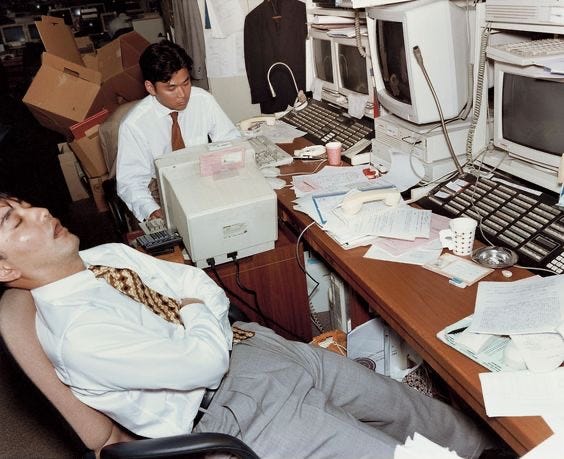
AI does make work” easier.” Faster code, faster writing, faster research..faster everything. But there’s a catch no one talks about: when work becomes faster, we don’t do less of it…We do more!
In Engineer Siddhant Khare’s piece titled: “AI fatigue is real and nobody talks about it” he calls this the AI Fatigue Paradox. Khare’s thesis is simple: AI reduces the cost of producing work, but it increases the cognitive burden on the human overseeing it. Instead of building things ourselves, we now spend much of the day prompting, reviewing, correcting, and evaluating machine output. What used to take 3 hours now takes 45 minutes, which means instead of solving one problem a day, you might now be solving 6. Sound familiar?
In other words, many of us have quietly become quality inspectors for machines that never stop producing work. The technology accelerates output, but the bottleneck remains human attention, judgment, and cognitive stamina. And yet most workplaces are behaving as if these limits do not exist.
It’s a sharp and necessary read.
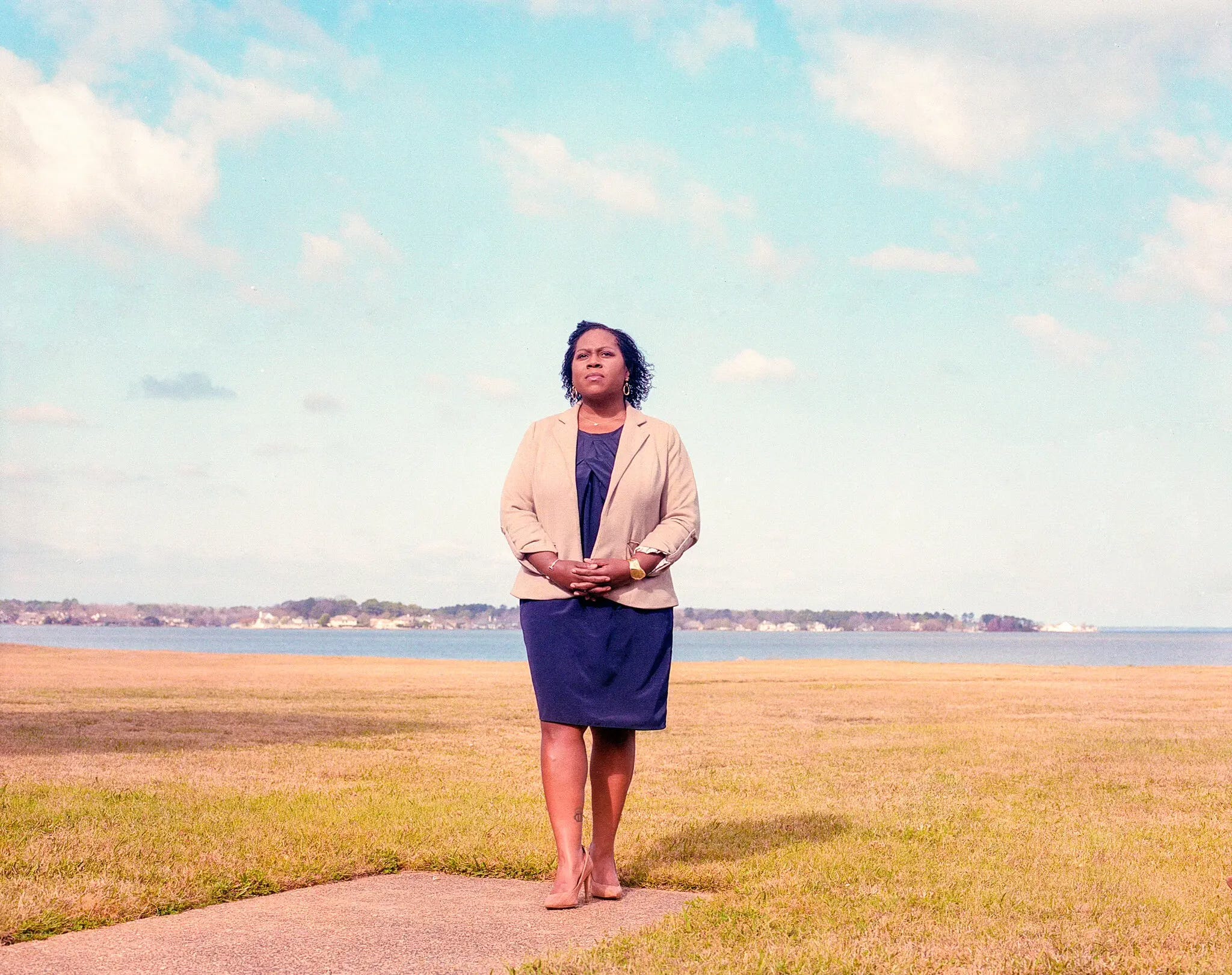
Kristie Metcalfe is a Black lawyer who discovered that white male colleagues at the Department of Justice were being paid significantly more for doing the same job. She filed a discrimination complaint. Under normal circumstances, the DOJ’s Civil Rights Division, the office that exists specifically to investigate exactly this kind of discrimination, would handle it. But by the time her case was being reviewed, the Civil Rights Division had begun stepping away from cases like hers. Investigations that had been underway for years were being dropped or deprioritized. Leadership changed. Enforcement priorities shifted. Her case unraveled.
In this episode, Sarah Koenig of Serial Productions walks through how quickly 60 years of civil rights enforcement has been undone by an administration hostile to the very idea that discrimination should be investigated at all. This isn’t just about one lawyer’s pay complaint. It’s about what happens when the systems designed to hold power accountable are gutted from the inside. When the enforcement mechanism disappears, discrimination doesn’t.
If you’re exhausted by how fast things are falling apart, this episode explains exactly how it’s happening, and why it’s not an accident.
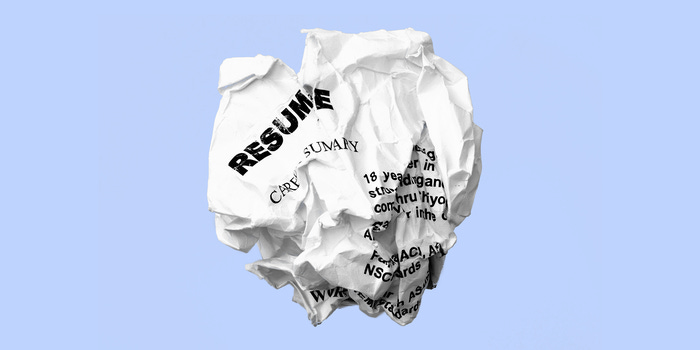
The résumé is dying. A new report from Business Insider argues that in the age of AI, résumés have become almost meaningless. When anyone can generate a perfectly formatted, buzzword-filled CV, it becomes nearly IMPOSSIBLE for recruiters to tell real candidates apart from polished AI slop.
Some companies are already adapting. Instead of relying on résumés, employers like Automattic and Gumroad are asking applicants to answer specific questions, show what they’ve built, or complete paid work trials that last several weeks. And the shift is happening quickly. A recent survey found that 70% of employers are now using skills-based hiring, prioritizing practical ability over degrees or years of experience.
For job seekers, this is both terrifying and freeing. Terrifying because the traditional playbook, polish your résumé, list the right credentials, climb the ladder, is starting to break down. But freeing because, for the first time in decades, what you can actually do may matter more than what your résumé says you’ve done.
Brand strategist Tamara Belair of The Brandsider, identified a shift happening in fashion and consumer culture: heritage alone no longer sells brands. Belonging does.
For decades, luxury brands leaned on history as their biggest asset. Dior has 80 years of legacy. Hermès dates back to the 1800s. Burberry’s equestrian knight was first drawn in 1901. But having a long history isn’t what creates loyalty anymore. What matters is whether brands can turn that heritage into something people feel personally connected to.
As Belair puts it, the strongest brands make customers feel like “heirs to a story.” Instead of selling products, they’re selling lineage. That’s why we’re seeing brands dig into their archives. Burberry has revived its Equestrian Knight as a recurring character in campaigns. Hermès scarves are marketed almost like family heirlooms, designed to be passed down across generations.
TLDR: people are so isolated, so burnt out, so disconnected from any real sense of community or lineage that they’re buying it from corporations. You can’t inherit anything real: ie affordable housing, job security, a pension, time with your family, so here, buy a $3,000 scarf and pretend you’re part of a legacy that matters.
Brands are creating belonging by commodifying the absence of it. And the fact that it works tells you everything about where we are today.

Once upon a time, getting a job meant showing up, making a good impression, and starting the following week. Now it’s personality quizzes, case studies, 8 interview rounds… and then being ghosted! How fun…If the job search feels exhausting right now, you’re not imagining things. It really did get harder!
Comments
Nothing yet. Say the first thing.
Sign in to join the conversation.