
“Making sense of the decisions that shape the places we share.”
Some of you have been waiting for my reflection on Tuesday night’s vote. If you’ve followed my writing over the past two weeks, you know I was more candid than usual. That wasn’t because the outcome surprised me. It was because I’d seen this sequence before.
The people who knew the place understood the July 7 promise to bring an amendment, and to defer if more time was needed, as an invitation to help shape it. They did the work and submitted it. But the door implied by that promise never opened.
They responded. The invitation did not.
After the vote, I stepped away. Not from the issue, but from the immediate reaction. I returned to the center of what experience had taught me to ask:
What promise is made when citizens are invited to imagine the future of a place, and what requires that promise to be kept?
This essay is the result.
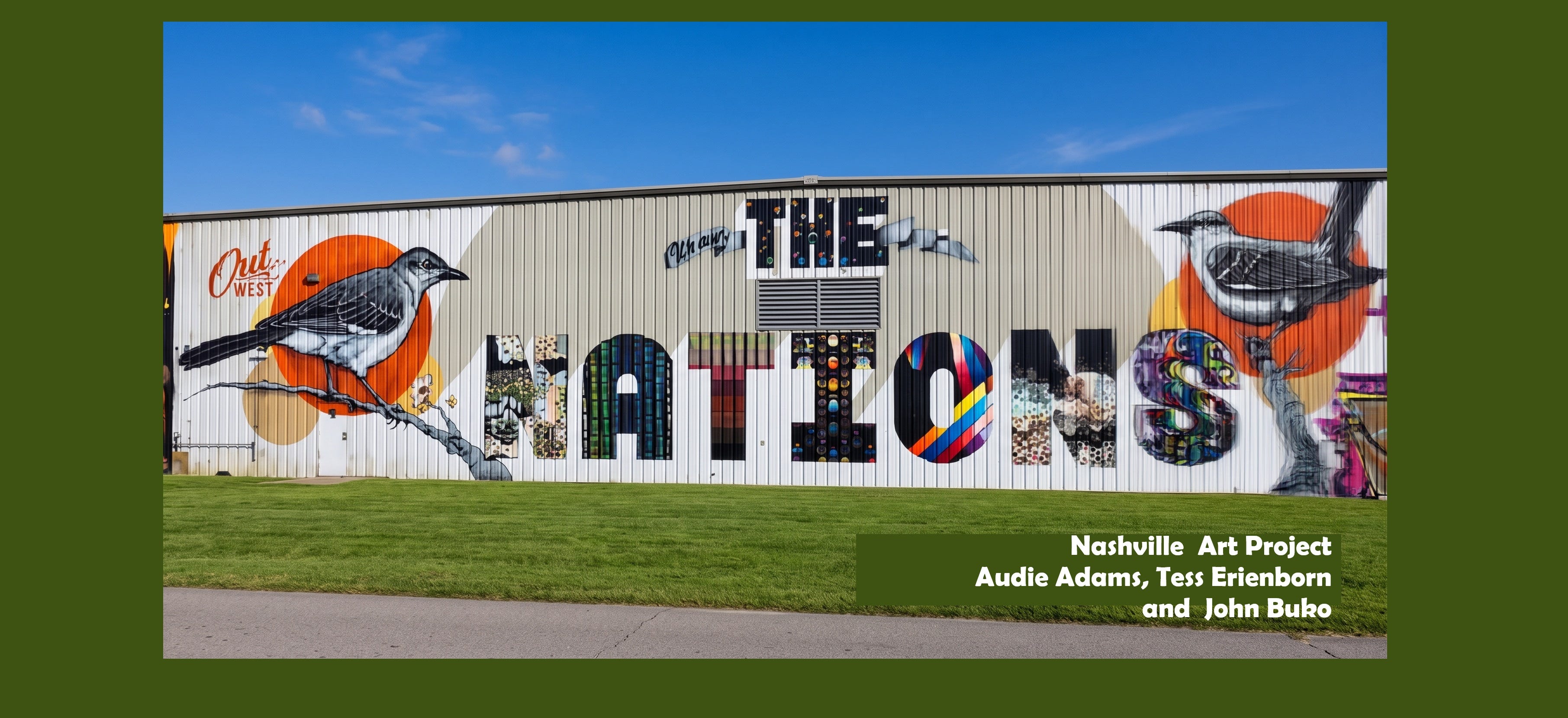
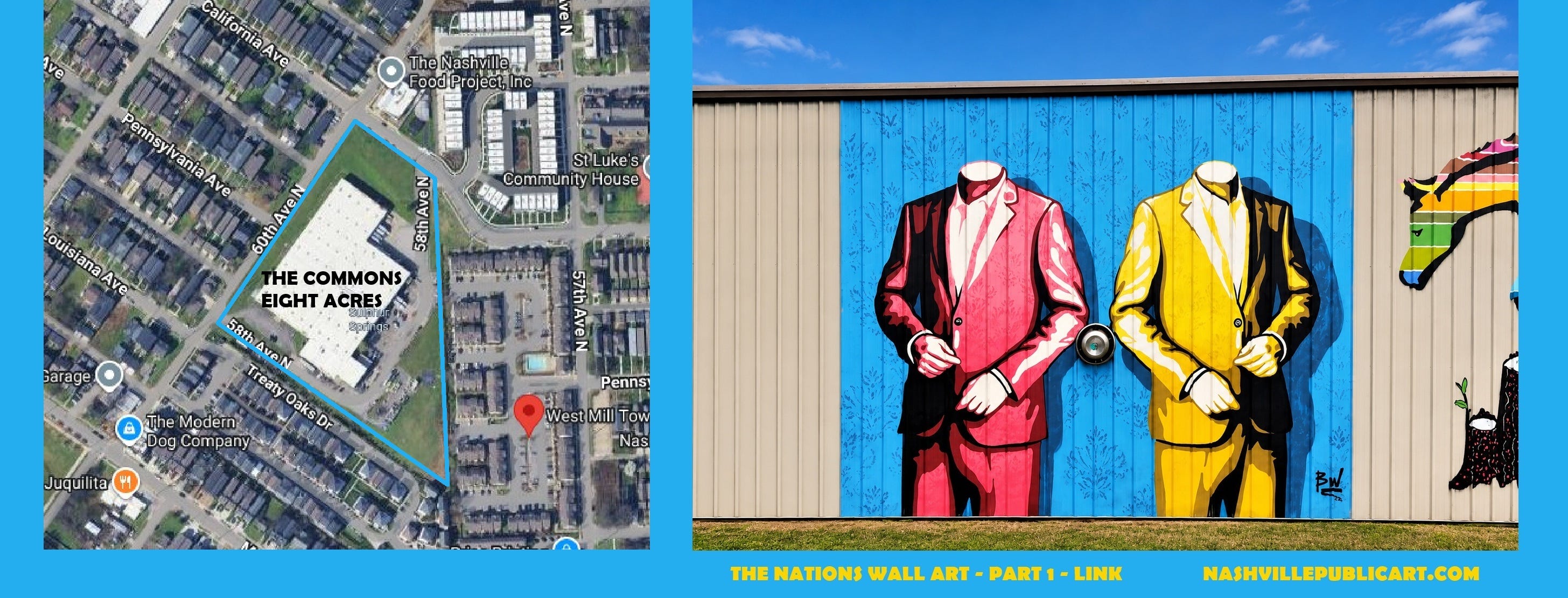
Ten murals, created by twelve artists, stretch across the exterior of the building at 5901 California Avenue. Together they form more than a collection of paintings. They carry pieces of the neighborhood’s identity, memory, and voice.
Their centerpiece, We Are The Nations, does not merely decorate a wall. It tells people where they are.
That wall now stands inside an eight-acre redevelopment proposal. The plan approved in 2023 retained the building and identified a place for the mural art. The replacement plan approved Tuesday night demolishes the building and leaves the murals without a permanent home.
When that danger became clear, residents and artists did not simply object. They participated.
On July 7, the project’s sponsor told the Council that the developer intended to reuse the mural in the new development. He promised an amendment to codify that intention and said the vote could be deferred if more time was needed.
The people who had spent years understanding the mural, the artists who created it, and neighbors who understood what it meant to the place accepted those words as an opening.
They began working.
The We Are The Nations working group developed language that attempted to carry the promise from intention into something enforceable. Their proposal addressed the questions that inevitably appear when a building-sized work of art must survive the demolition of the building beneath it:
Who pays? Who develops the preservation plan? Who speaks for the artists and the community? What must happen before a demolition or building permit can be issued? And what document requires any of it to occur?
The working group submitted its proposed language on July 16. The sponsor’s amendment was published on July 20, recommended by the committee that evening, and approved by the full Council the following day.
The amendment adopted by the Council reads:
“The existing mural on the west facade of the existing structure fronting 60th Avenue North shall be preserved and reused or repurposed within the new development, returned or donated to the artist, or otherwise relocated to another publicly viewable area.”
Reduced to its choices, the developer may:
reuse the mural within the development,
repurpose it,
return or donate it to the artists,
or relocate it somewhere publicly viewable.
The word shall sounds reassuring.
But the obligation attached to it is only the obligation to choose one of four options.
The adopted amendment does not identify who bears the cost. It does not require a preservation plan. It does not give the artists or neighborhood a defined role. It does not prevent demolition until the mural’s future is resolved.
And one permitted outcome is simply returning or donating a monumental exterior artwork to the people who painted it.
Does that sound like a condition written to carry the stated intent of reusing or repurposing the mural within the new development?
The community’s version takes a different approach. Rather than offering a menu, it establishes the responsibilities required to preserve the mural:
The existing mural located on the west façade of the existing structure fronting 60th Ave. N. shall be professionally preserved in place, or professionally removed, relocated, and reinstalled in a publicly viewable location, prior to the issuance of any building permit for development of the site. Prior to the issuance of any building permit for development of the site, a preservation plan shall be developed in consultation with the Mural Preservation Committee, consisting of the 12 original artist(s), or their designated representative(s), the Nations Neighborhood Association, the Metropolitan Arts Commission, and the Council Member for District 20. The preservation plan shall comply with all applicable preservation laws, including the Visual Artists Rights Act. If relocated, the mural shall remain publicly viewable following reinstallation. The cost of preservation, removal, relocation, and reinstallation shall be the responsibility of the developer.
Read it once.
It does not establish a fund or estimate the cost. It does the essential thing: It assigns responsibility.
The developer bears the cost of preservation, removal, relocation, and reinstallation. The building permits are held until preservation and a plan are addressed. The artists and community representatives who know the mural best participate in creating that plan.
The adopted amendment does none of those things. It identifies possible outcomes without assigning who must make preservation possible.
Both versions speak of preservation. Only one says what preservation requires.
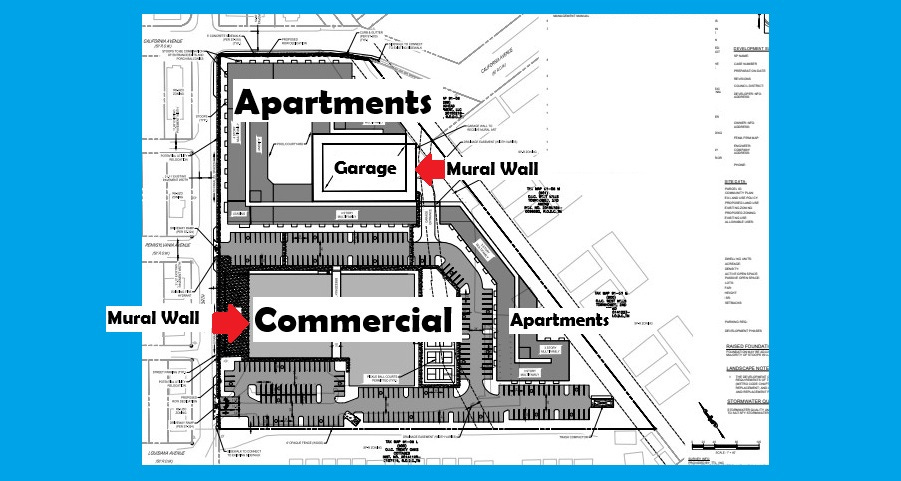
2023
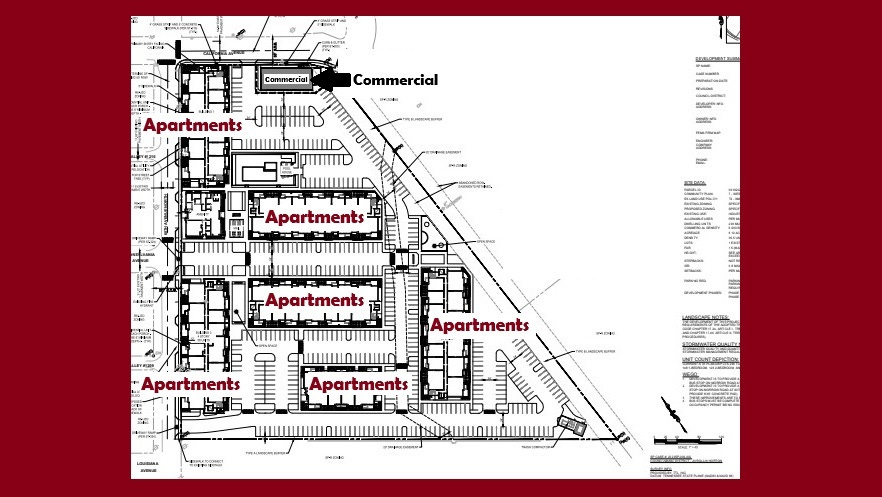
2026
Intentions belong to people. Obligations belong in documents.
This is where civic promises often become difficult to follow.
Intentions belong to people. Obligations belong in documents.
An elected official may sincerely believe that a developer intends to preserve a mural. A developer may fully expect to find a workable solution. Everyone in the chamber may leave believing the problem has been solved.
But a vote does not preserve a mural merely because preservation was the intention offered in support of it.
Intent may guide a decision. Documents govern what happens next.
The community understood that distinction. Its amendment did not promise that money would somehow appear. It placed the cost on the party whose redevelopment created the need to remove or relocate the mural. It held the permits until a plan existed. And it gave the people with the greatest knowledge of the artwork a place in forming that plan.
The adopted amendment offered choices without attaching responsibility for the work behind them.
That is the substance of the difference.
Not length. Not legal sophistication.
Accountability.
The questions raised on the Council floor showed that the weakness of the amendment was visible.
Who would pay? Could the developer demolish the wall before the mural’s future was settled? Could Planning stop the project if the promise was not fulfilled? Would the artists have any voice in what happened to their work?
Council Member Tasha Ellis eventually asked the question that reached the foundation of the problem:
Could the mural be tied to the building permits?
By then, the vote was already underway. The question had arrived, but the opportunity to write its answer into the law had passed.
The bill was approved 31 to 3.
The Vice Mayor heard the word shall and took comfort from it.
That reaction is understandable. Shall ordinarily signals an obligation.
But grammar cannot supply what the document leaves out.
The developer shall choose among four options. The amendment still does not say who pays, when the decision must be made, whose professional judgment governs, or whether demolition must wait.
The word is mandatory. The preservation is not.
A vote can solve the problem before the chamber without solving the problem beyond it. The Council could leave Tuesday night believing it had protected the mural because it had adopted language saying the mural “shall be preserved.”
But the people who must live with the result inherited something different: an intention surrounded by choices, with no one firmly responsible for making the difficult parts happen.
The vote preserved the language of the promise. It did not preserve the structure required to keep it.
This brings us back to the invitation.
On July 7, the sponsor told the Council that he would bring an amendment to codify the developer’s intent and could defer the vote if more time were necessary.
The people who knew the mural and the place understood that statement as an opening.
They did not merely criticize what was missing. They gathered the artists, neighborhood representatives, legal knowledge, and practical experience necessary to write a solution.
They submitted that work.
But the door implied by the promise never opened.
They responded. The invitation did not.
That is where community participation begins to feel less like a source of understanding and more like a box to be checked.
The injury is not simply that the community’s language was rejected. Citizens understand that elected officials must weigh competing interests and will not adopt every recommendation.
The deeper offense comes when people are invited to participate, do the work in good faith, and discover that the process had no meaningful place for what they produced.
Public engagement is not proven by the existence of a meeting. Listening is not proven by allowing people to speak.
The evidence of listening is that leaders can explain what they learned and where that learning influenced the result.
That evidence is difficult to find here.
Stewardship is what allows a promise to survive the people who made it
I do not need to assume bad intentions to see the problem.
The developer may intend to preserve the mural. The council member may believe that preservation will occur. The Council may have voted with complete confidence that the adopted language was sufficient.
But stewardship exists precisely because intentions are vulnerable.
People change. Ownership changes. Project teams change. Budgets tighten. Schedules slip. Construction problems appear.
And the person standing several years from now with a demolition permit in one hand and an expensive preservation problem in the other may have made none of the promises offered Tuesday night.
That is why the built environment depends upon documents.
Drawings assign scope. Contracts assign responsibility. Conditions establish sequence. Permits create leverage.
Good intentions may begin a project, but they are not what carries it through construction.
A promise intended to survive must be written to survive.
The community’s amendment understood this. It did not ask the Council to distrust the developer. It asked the Council to create a structure in which trust did not have to carry the entire weight.
That is not hostility. That is ordinary professional prudence.
A promise becomes real only when someone is responsible for carrying it.
Stewardship would not have required a lengthy ordinance or a new public program.
It would have required a few clear commitments:
The party whose redevelopment creates the need for preservation bears the cost. The mural’s future is resolved before demolition or construction permits are released. The artists and community representatives participate in developing the plan. The work is performed according to an appropriate professional standard.
Those commitments could fit within one enforceable condition.
That is what makes the outcome so difficult to explain. The choice was not between protecting the mural and allowing redevelopment. The community’s amendment accommodated both.
It did not attempt to stop the project. It attempted to make the promise travel with it.
Instead, the Council adopted language that allows the development to proceed while leaving the difficult obligations for later, when the leverage may be gone and the people who made the promise may no longer be in the room.
Planning exists to manage complexity before it becomes a crisis.
Here, the complexity was visible. The solution had been written. The moment to require it was available.
The Council chose intention.
The promise of public participation is not that everyone will prevail. It is that what is learned will matter.
I left the chamber disappointed, but disappointment is not where I wanted this article to end.
Curiosity led me back to a more useful question.
What can this teach us?
Perhaps it is this:
When citizens are invited to imagine the future of a place, government makes an implicit promise. Not that every idea will prevail. Not that disagreement will disappear. Not even that the community will like the final decision.
The promise is that participation will be treated as an asset in understanding the place, not merely as a procedural requirement on the way to an outcome already taking shape.
That promise matters because the people in the room are often carrying knowledge that no ordinance, consultant, applicant, or elected official possesses alone.
They know which spaces hold memory. Which walls carry identity. Which ordinary corners have become gathering places. Which promises have been made before.
And which words will endure only if someone takes responsibility for them.
The mural remains the immediate concern. But the larger lesson belongs to every neighborhood and every elected official entrusted with its future.
Intent may guide a decision. Documents govern it. Stewardship ensures they say the same thing.
That is what Tuesday night left unresolved.
And it is what must still be made right.
Thanks for reading! This post is public so feel free to share it.
“An elected official does not inherit a community. They inherit a duty to care for it.”
- Chris Remke
The North Star
How do we make decisions today that leave behind places worth inheriting?
The goal is not simply to tell readers what to think. It is to show the relationships clearly enough that, once seen, they are difficult to ignore.
Built to Think - Chris Remke - ABOUT
About Built to Think - Chris Remke
Built to Think is a working laboratory for civic sensemaking, founded by Chris Remke, RA (Lic. Ret.). It follows evidence across the full life cycle of place-building, from public promises and development rights through finance, design, construction, operations, market price, infrastructure, taxation, and neighborhood life. Drawing on more than forty years of leadership across those disciplines, Chris tests whether promised outcomes survive the handoffs, who creates and captures value, who carries the costs, and what each decision preserves, consumes, or leaves others obligated to repair. The work is strengthened by professionals, scholars, nonprofit leaders, and neighborhood stewards whose knowledge helps reveal what no single report, dataset, or discipline can see alone. Built to Think follows not only what a decision says, but what it sets in motion.
Following the Mural: When Planning Becomes a Dashboard Instead of a Community Vision -
The Wall Says “We Are The Nations.” So Far, Planning and Council Bills Say, Tear It Down
·
Jul 20
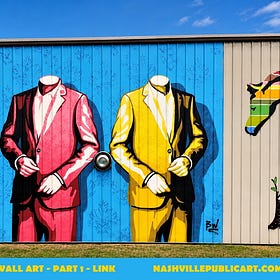
Thirteen days ago, from the Council floor, the member who sponsors this rezoning promised an amendment to save the mural. Since then, the community has seen nothing of it, no official or informal release, only a single sentence caught on screen for about three seconds during a Channel 5 broadcast. If the full text appears tomorrow morning, hours before …
No posts
Comments
Nothing yet. Say the first thing.
Sign in to join the conversation.