
❓Should You👅 SCRAPE? (your tongue)

Lately we’ve seen a few posts (including ones from dietitians) advocating tongue scraping, and in particular a couple of posts with claims that it can somehow help the gut microbiome.
Is there any truth (science) behind claims like this?
Tongue scraping has long been a practice advocated by ayurvedic practitioners as a way of cleansing from undefined “toxins” and even to ‘cleanse emotions’…but research supporting claims of tongue scraping benefiting the microbiome? #meh
Meanwhile, there can be adverse effects of tongue scraping and the American Dental Association doesn’t consider tongue scraping necessary.
-”…brushing or scraping the tongue adversely affects the numbers and diversity of the oral microbiome. This, in turn, reduces or even eliminates an important source of nitric oxide, and can lead to hypertension.”
-Irritation and Sensitivity
Scraping too hard or too often can irritate the delicate tissues on your tongue, making it sore or red.
-Disruption of Natural Flora
Your mouth is home to both bad and good bacteria. Over-scraping could upset this balance, potentially weakening your mouth’s defenses.
-Risk of Infection
Overly forceful scraping can create tiny abrasions on your tongue. While small, these cuts can invite bacteria and increase your chances of infection.
-Temporary Loss of Taste
If you consistently scrape too hard, you may temporarily irritate or damage the taste buds, which can dull your sense of taste for a short period.
😱Reacting Before You Read
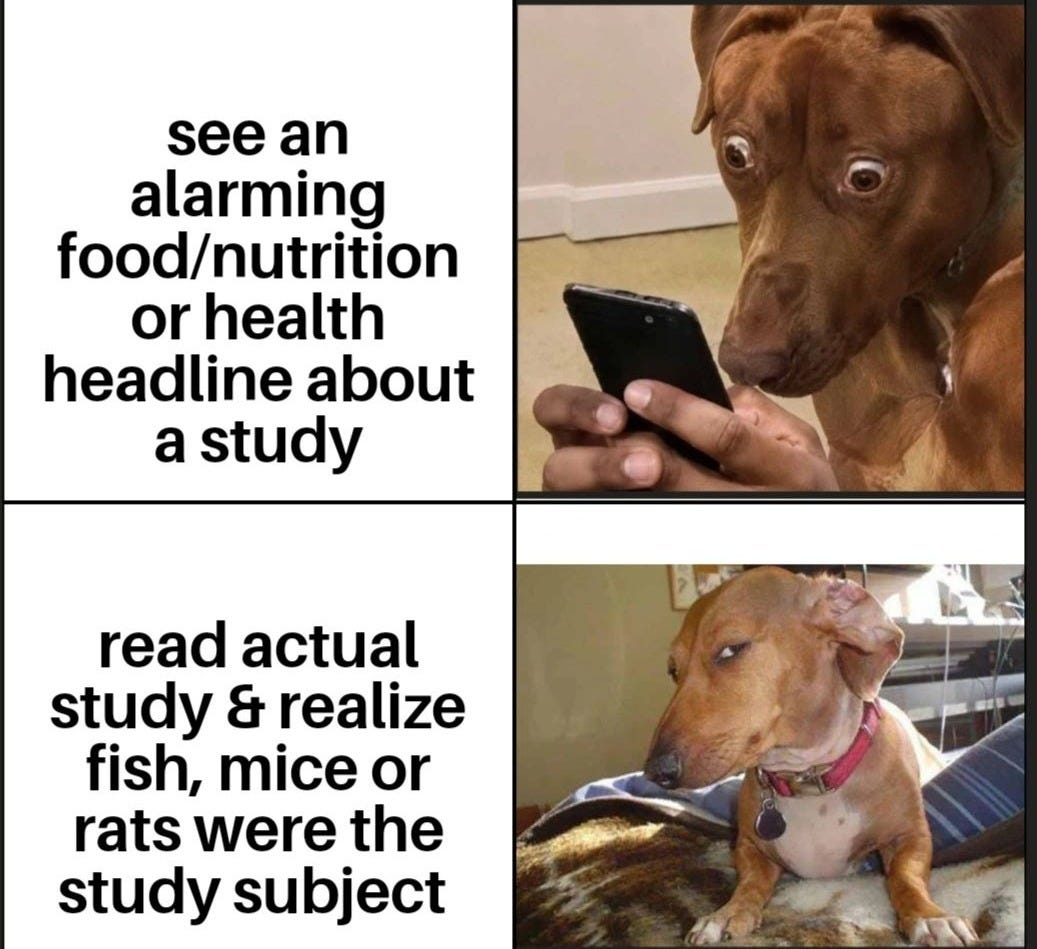
#FixedIt - Here’s one example⬇️⬇️ of a headline designed to be clickbait....
so, we fixed it!
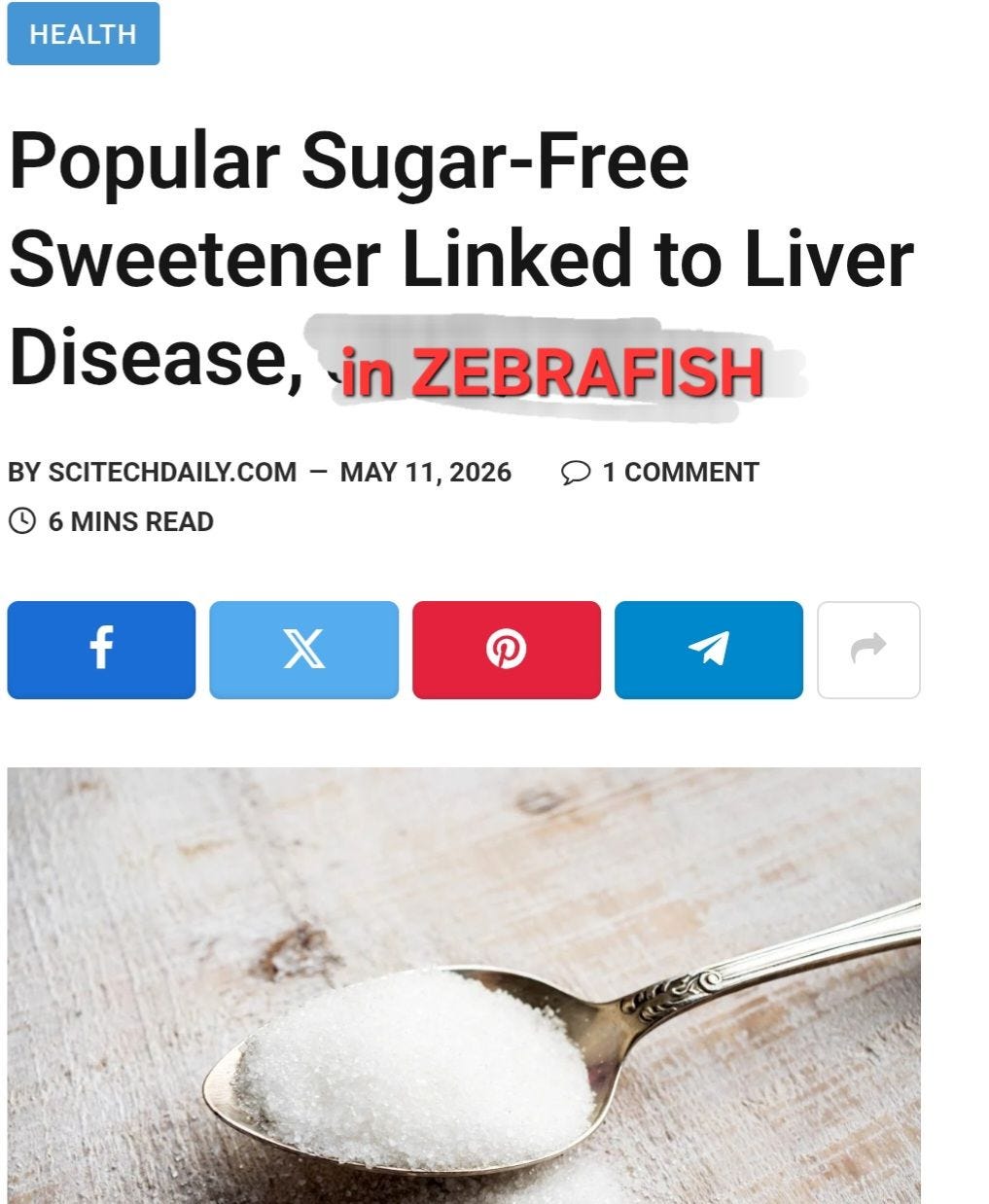
The subjects in this research study were...
ZEBRAFISH...not humans🙍🏼, not rats 🐀or mice🐭…

As Jennifer O. wrote😉: “The over-use of sugar free sweeteners has been rampant in zebrafish for far too long. We must stop this! I believe our qualified and trained officials under the guidance of RFK can create a better inverted pyramid for the zebrafish population that eliminates sugar-free sweeteners and instead focuses on higher protein krill. ( I think I just found my Influencer side hustle!)”.
🛒RD Merch

Our newest RD merchandise partner is Anti-Diet Designs by Bethany Wheeler. Use promo code: BuildUpRDN for 15% off.
✅Worth Checking Out
☑️A Pediatric Perspective on the 2025-2030 Dietary Guidelines JAMA (there are two RDs included in this list of authors for this article: Mary T. Story, PhD, RD and Megan Elsener, MPH, RDN)
This article gives both the strengths and lists concerns about the DGA’s when it comes to pediatrics.
Examples:
💪🏼Strengths: (one of a few)
“The DGAs also take a stronger position on limiting foods and beverages with added sugars than in previous editions.”
😟Concerns: ( a much longer section)
“…the strong stance on added sugars is laudable, but too extreme. Prior DGAs and pediatric guidelines advise no added sugars before age 2 years and less than 10% of calories per day thereafter, while the current DGAs recommend prohibiting any added sugars through age 10 years. There is a lack of empirical evidence to support this level of restriction. Parental feeding research suggests that bans of this magnitude may lead to unintended consequences, such as increased desirability and overconsumption of palatable sweetened forbidden foods and beverages…”
☑️Substack: Nobody Cared About Americans’ Health Until MAHA? from Jessica Knurick, PhD, RDN
In this ‘stack Jessica traces nutrition and food policy initiatives back to the Obama administration and then forward to subsequent administrations.
“…Ultimately, health policy is not just whichever administration talks the most about chronic disease online. It is the cumulative effect of thousands of policy decisions that shape the conditions people live in and the systems surrounding them, including whether people can access healthcare, whether food assistance programs exist, whether environmental toxins are regulated, whether public health agencies are funded, whether scientific research is supported, whether school meals are nutritious, whether workplaces are safe, and whether the institutions responsible for protecting population health are actually functional.
And even looking narrowly at nutrition and food policy alone, the idea that nobody cared about chronic disease or Americans’ health until the MAHA movement came along falls apart under even a basic review of the last 17 years of policy and government action.”
This Substack is reader-supported. To receive new posts and support this newsletter and the work of Build Up Dietitians it would be great if you would consider becoming a paid subscriber.
Comments
Nothing yet. Say the first thing.
Sign in to join the conversation.