
Hey Friends✋,
We’re back for a second edition of our favorite books for hardware product makers. Given that the first version of this article was well received, this post is a natural follow up.
Steve Jobs
Invention: A Life of Learning Through Failure
Nudge
AI for Robotics
The Technological Society
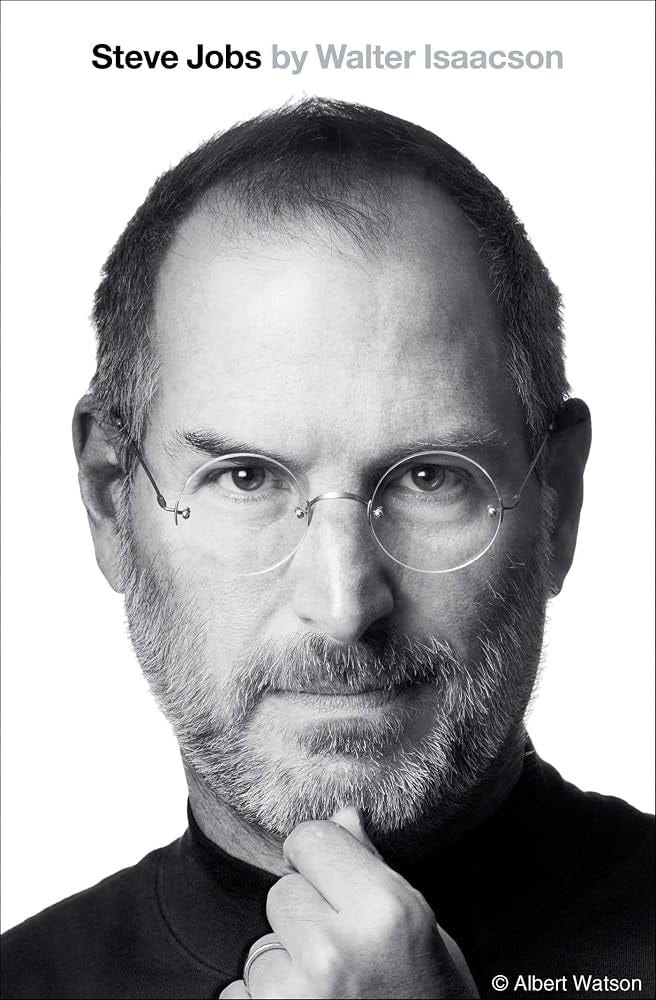
Great product makers need to be able to synthesize multiple fields. Hardware, software, engineering, design, art, communication, sales, manufacturing, and much more. In my humble opinion, one of the best examples of this in the last 50 years was Steve Jobs. He said:
“Technology alone is not enough. It is technology married with liberal arts, married with the humanities, that yields us the results that make our hearts sing.”
He understood that art and science have to work together to make brilliant products. That’s why a MacBook feels so much more intuitive, more beautiful, than a Dell laptop. Both companies have brilliant engineers. Both companies have massive R&D spend. But it’s not just about the technology. It’s about marrying that technology with a deep understanding of human psychology and culture.
As human beings, we don’t make purchasing decisions based solely on rational aspects like the best specs. There’s an emotional element to our decision making. A quote near the end of the book encapsulates this well:
“Leonardo da Vinci was a hero and role model for Jobs…their creative genius both sprang from the same lesson: stand at the intersection of art and science. In fact, they both understood something even deeper: make no distinction between art and science.”
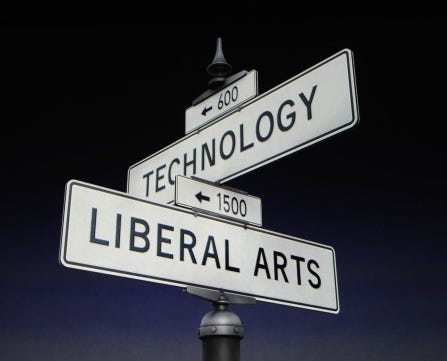
You can see the theme of storytelling with both art and technology across multiple fields in Jobs’ career. Let’s not forget that he started Apple and Pixar in one lifetime.
We often see that Apple products look as beautiful on the inside as they do out. But an example of this at Pixar was when they intentionally chose toys, not people, in their films. Rendering systems in the 90s were good with hard, geometric surfaces but not with organic tissue. Hence, toys were selected to create an emotional connection with viewers.

Another aspect I enjoyed reading about was his focus on retail stores. Because there’s no fancy product design or engineering with retail experiences, many people would’ve disregarded them. But the end to end user experience matters. From the first time a customer sees your device in an advertisement, to how it feels when they walk into a store. Every part of this customer journey is a reflection of your craft.
In the early 2000s, Jobs was tired of seeing Macs gathering dust in the back of cluttered big box retailers with uninspired associates selling them the same way as HP computers. Apple products were a work of art, and they needed their own purchase experience.
To solve this, Jobs decided to move Apple into high traffic malls. He obsessed over every detail, from the specific Italian sandstone used for the floors to the creation of the Genius Bar, which he modeled after a high end hotel concierge to provide expert, face to face support. An interesting part of the strategy was Jobs’ insistence on a single entrance, in opposition to multi door models used by established retailers like Eddie Bauer. He wanted to curate the customer’s first impression.
Eventually these changes helped Apple Stores achieve the highest revenue per square foot of any retailer in the world.

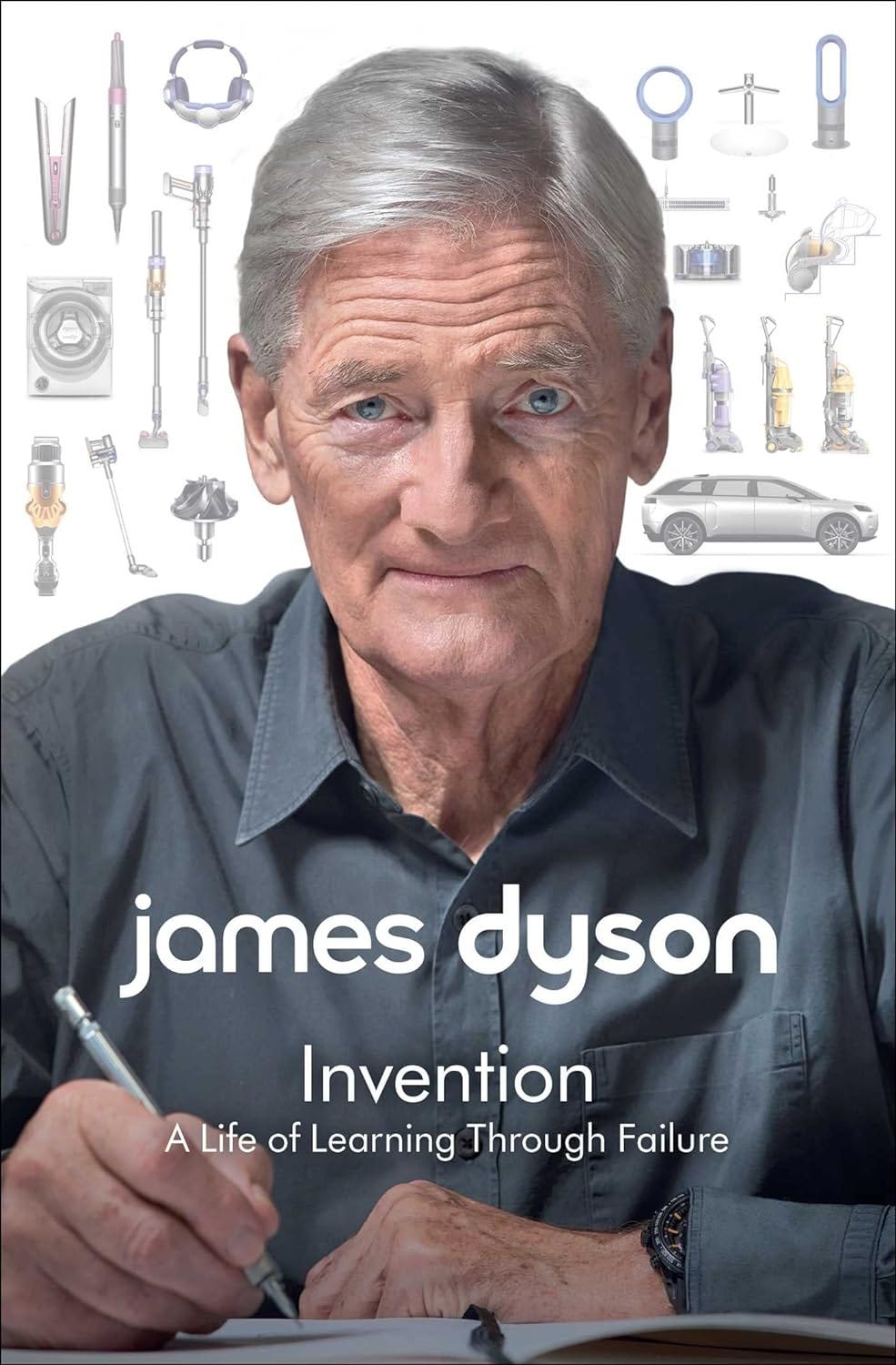
Continuing with the theme of artists becoming product makers, we have to talk about James Dyson.

Dyson’s persistence is fascinating as we learn that he built 5127 prototypes of his cyclonic vacuum by making one change at a time. His focused, thoughtful iteration was pretty refreshing to read about in today’s age of vibe coding.
However, his story is also a great reminder that even the best can get it wrong sometimes. In this newsletter, I often highlight how a good hardware product needs 3 things. It has to be compelling to users, technically feasible, and business viable.
Hence it was interesting to learn about why their electric vehicle failed. Was the car desirable to users? Yes, they had the longest advertised range of any EV SUV at the time (600+ miles). Was it technically feasible? Again yes. After spending years on vertically integrating battery, motors, and filtration R&D, Dyson was theoretically well positioned as an engineering company.

But they weren’t viable from a business PoV. Automotive companies typically net a 3-5% margin, whereas consumer electronics makers are usually around ~30-40%. Unsurprisingly, this is where Dyson fell short. He talks about how their suppliers were charging them 25% premiums given they were a new player in the automotive space. This led to the car costing around $200K for customers, making it not commercially feasible.
As physical product makers, we have more to do with behavioral science than we realize. Think of every decision on the products you’ve made. Every texture, button placement, color, shape, and configuration tells the user a story about how they’re supposed to interact with it.
Behavioural science is exactly what Richard Thaler and Cass Sunshine discuss in Nudge. From this book, I want to focus on their concept of choice architecture, the idea that the way choices are presented to people alters their behaviour.
“Small and apparently insignificant details can have major impact on people’s behavior. A good rule of thumb is to assume that ‘everything matters.”
“A choice architect has the responsibility for organizing the context in which people make decisions... A crucial parallel is that there is no such thing as a ‘neutral’ design.”
“Good design is no more expensive than bad design.”
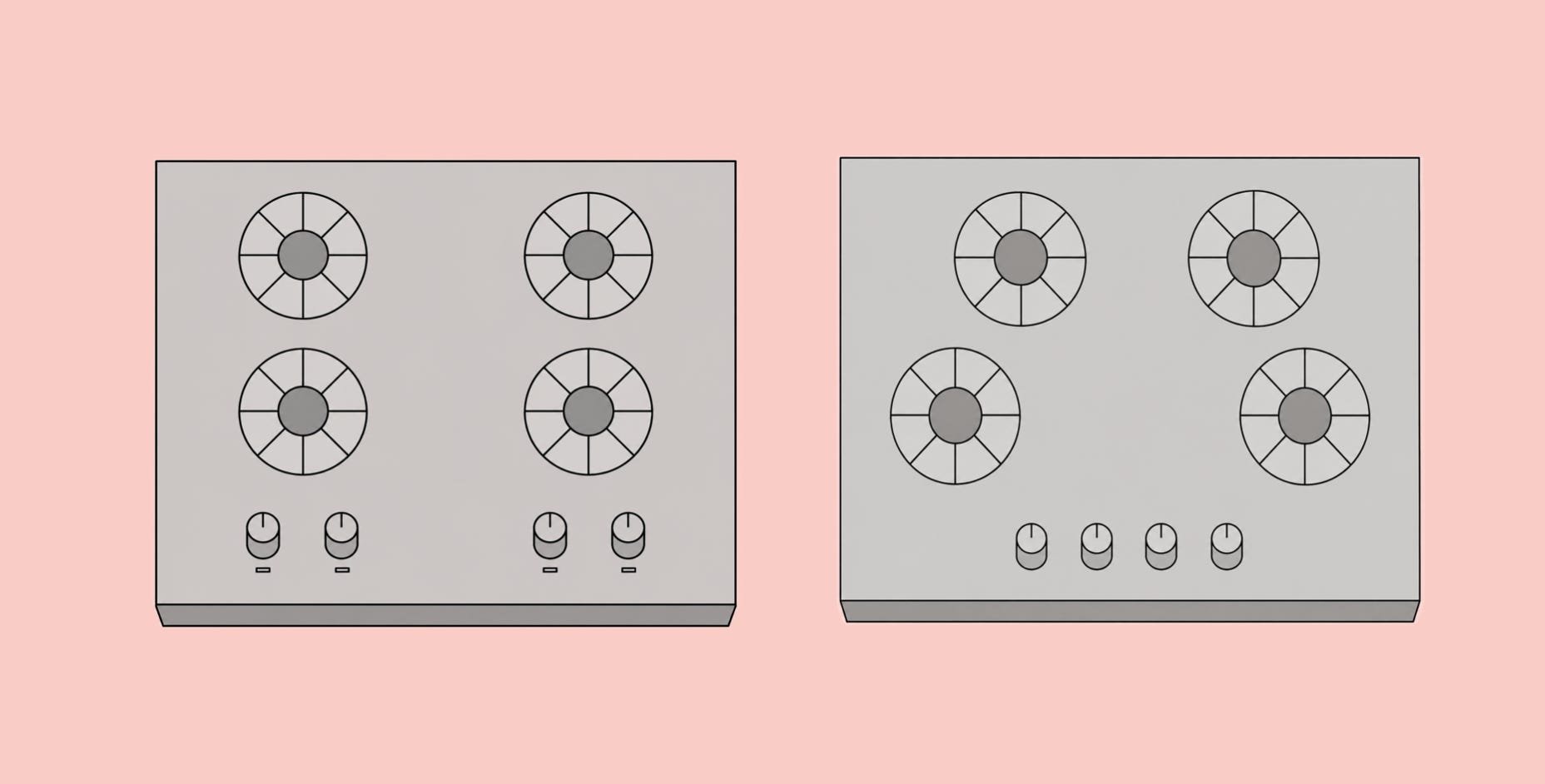
To illustrate the impact of bad design, Thaler talks about sludge, or friction. The book gives an example of stoves. Some stoves (left) have burners symmetrically and vertically arranged, but their controllers are horizontal and linear. This could confuse users and result in burned food. A better design is on the right.
Think of all the friction points that create bad user experiences and how we solve them in everyday devices. For example:
Auto provisioning - Instead of manually typing Wi-Fi passwords, we can use BLE for faster pairing and automatic credential sharing. Apple does this really well.
Out of Box Readiness - Shipping a device with the battery preinstalled and charged makes setup easier.
At a deeper level, as product makers and choice architects, we also can encourage healthy behaviors with our designs. We can "Nudge” people towards preferred actions.
“The basic principle of choice architecture is, ‘if you want to encourage some action or activity, Make It Easy’.”
Some unhealthy Nudges are:
Netflix logos on TV remotes that bypass menu screens and encourage binge watching.
Notifications appearing on lock screens that distract people during real conversations.
Some healthy Nudges are:
Physical climate controls and volume knobs instead of touch screen menus to encourage drivers to keep their eyes on the road.
Physical silent/mute/action buttons on smartwatches and phones to bypass screen usage.
Physical AI is already here. There’s a lot of content about upstream AI hardware like chip making, but those discussions may be too abstract for consumer hardware folks. Those topics don’t focus enough on how that technology can be leveraged for user experiences.
Also consider that AI hardware isn’t just about Humanoids and self driving cars. It’s broader than that and is already in devices like smart home products, wearables, and phones.
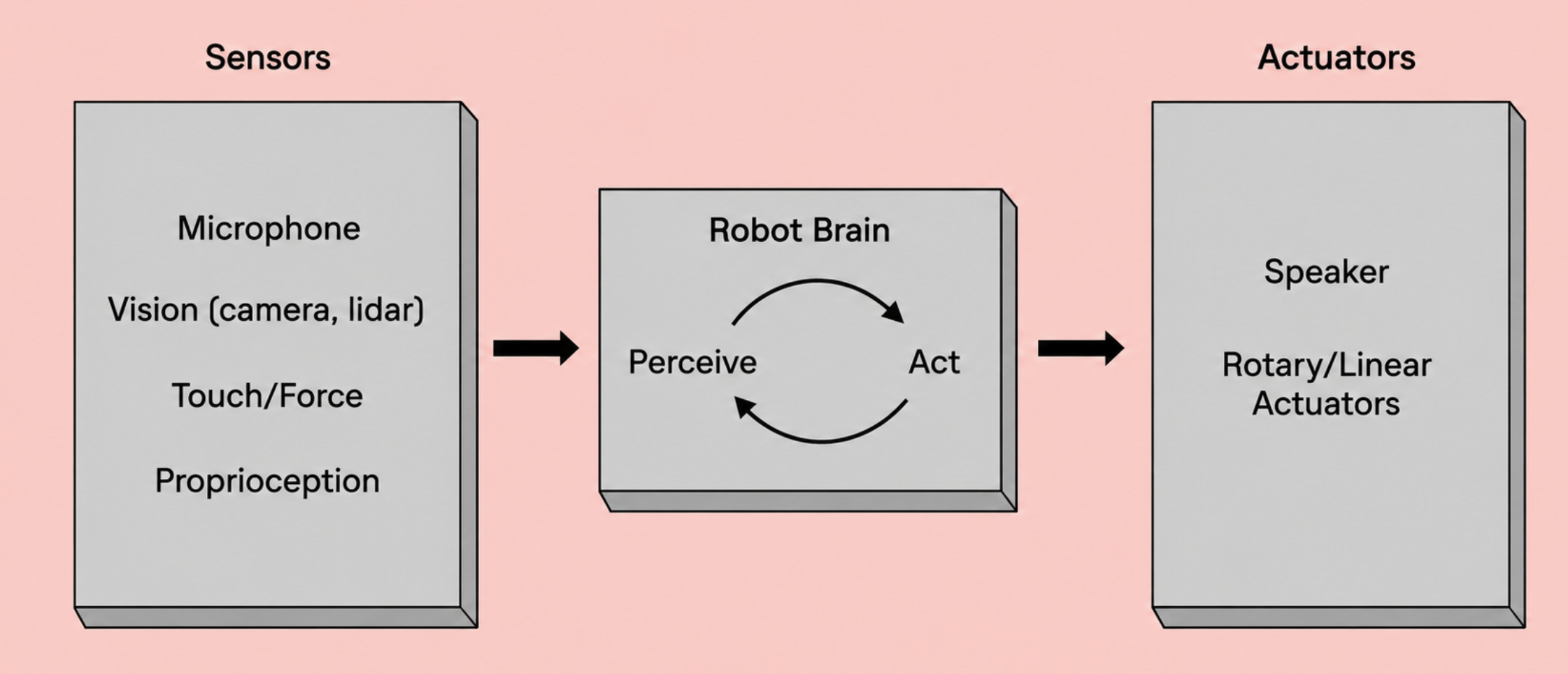
For many who are not familiar with the space, it can be overwhelming to understand terms. This book is a good entry level read for product managers, designers, investors, and even engineers to understand how the fundamentals work together.
If you’ve found yourself to be confused on concepts like “edge processing”, “computer vision”, “sensor fusion”, “context”, “classification”, and how all of these can be synthesized in the physical world, this book can be a starting point.
There is no question that technology is useful. However, as someone who has built devices for millions as a part of “secret project" teams in Silicon Valley, I often question whether certain product decisions were right, or good.
New technologies have significant societal impact. Screen addiction and isolation are just a couple of examples that make us wonder if we are developing the right interfaces for our kids, families, and communities.
This is where Jacques Ellul comes in. He was a philosopher of technology who commented on similar trends 70 years ago in The Technological Society. There are two concepts I want to focus on.
The Trap of Technique
Ellul defined “technique” as the totality of methods rationally arrived at to achieve efficiency in every field of human activity. He argues that when society prioritizes efficiency above all else, it may subordinate human values to the logic of the machine. In other words, the relentless pursuit of maximum efficiency prioritizes the how over the why. People, whether they are builders or users, get reduced to components within a larger apparatus.
The Myth of Neutrality
How many times have we heard that technology is neutral? It’s just a tool. It depends on how people use it. Sure, in some instances this is true. But Ellul cuts through this corporate talk by arguing that once a technical system reaches a certain level of maturity, it forces us to confront harsh realities.
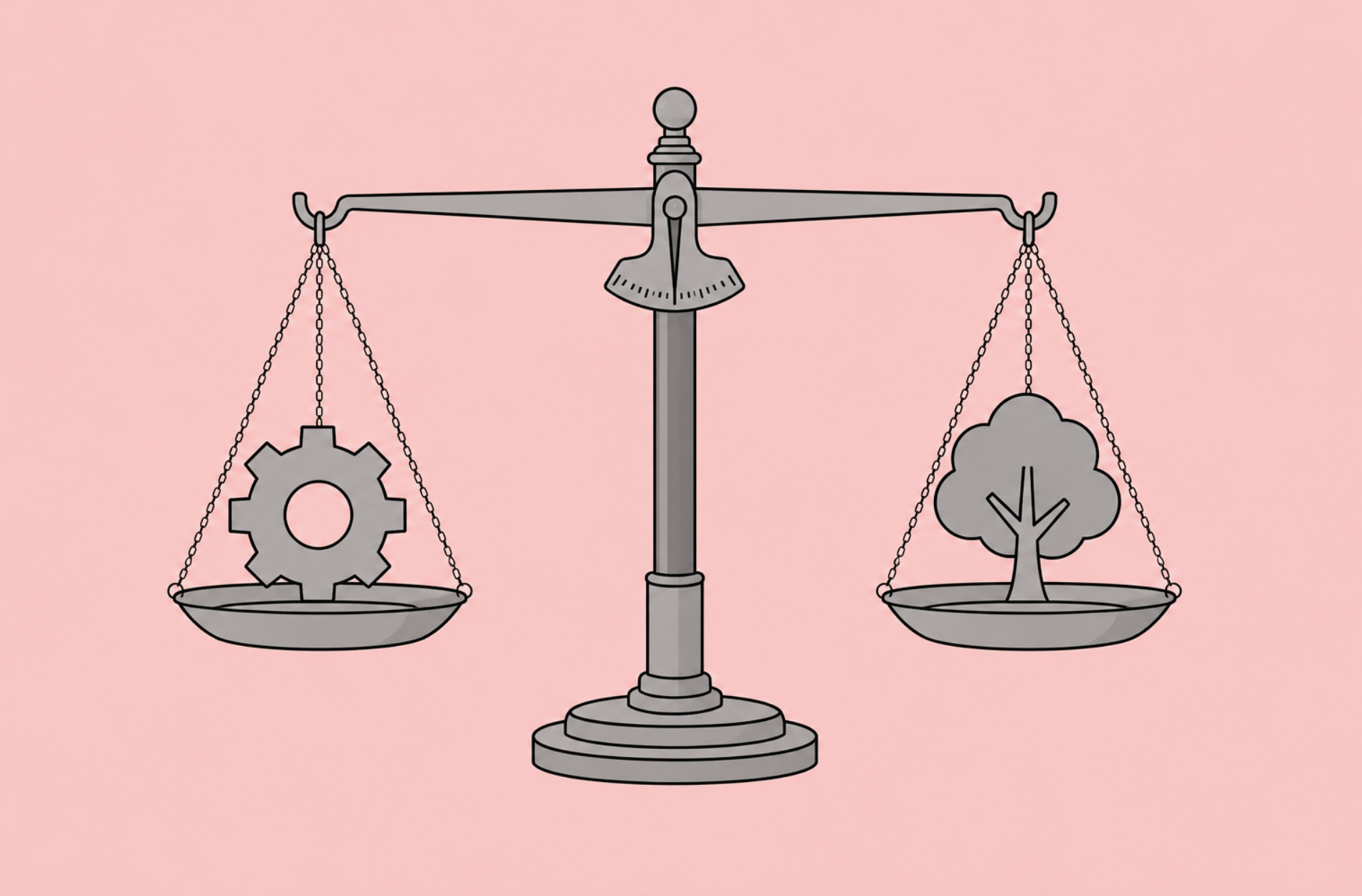
Think of how some AI companies use technology to exploit creative data, outsource cognition, create environmental damage, and, worst of all, disregard the sanctity of human life by pursuing uncontrolled military operations.
Autonomous weapons making arbirtrary life or death decisions to murder innocent civilians is not something to be neutral about.
As creatives, our strength is in our ability to challenge the status quo. I’m sure we did not become product makers for someone (whether it’s a large organization or the next technology trend) to tell us how to think. Creatives have a responsibility to deeply consider societal implications when building new technologies.
Our readers have been requesting a practical guide to taking a hardware idea from concept to mass market.
We’ll be covering principles including HW product sense, business feasibility, go to market planning, user desirability, and technical viability.
Our goal is to help beginners or even experienced product makers sharpen their craft. Drop your email below for access to initial modules and early bird pricing.
Make sure you check out some other articles:
No posts
Comments
Nothing yet. Say the first thing.
Sign in to join the conversation.