
What changes when everyone on the team can build, and the AI doing the work stays inside your guardrails? Teams are working in a market that keeps moving, and the bar for how fast you create, iterate, and ship has never been higher. Customers expect fresh, relevant experiences, and the teams that move quickly are the ones winning. Two shifts are driving that:
The bottleneck is coordination, not the work
For most teams, the slowdown comes from handoffs rather than writing or strategy. It shows up in two places, manual work and dependency on other roles:
| Manual work | Role dependency |
A simple change like a product name, promo date, and description means editing several entries by hand before anything goes live | A new component, whether a limited-time offer or a launch layout, needs an engineering ticket |
On-brand content needs someone to check tone, formatting, and accuracy at every step | Data models can't be touched without a developer, even for a minor field change |
Finding the right content model takes too long because you have to know how the models are structured to know what to look for | Marketing stays blocked until engineering has the bandwidth |
Waiting on other roles ends up being the biggest content bottleneck of all.
Four updates that remove the wait
We've built a set of capabilities to remove that friction, and they're designed to work together as one workflow rather than three tools you adopt separately.
What changes in the day-to-day
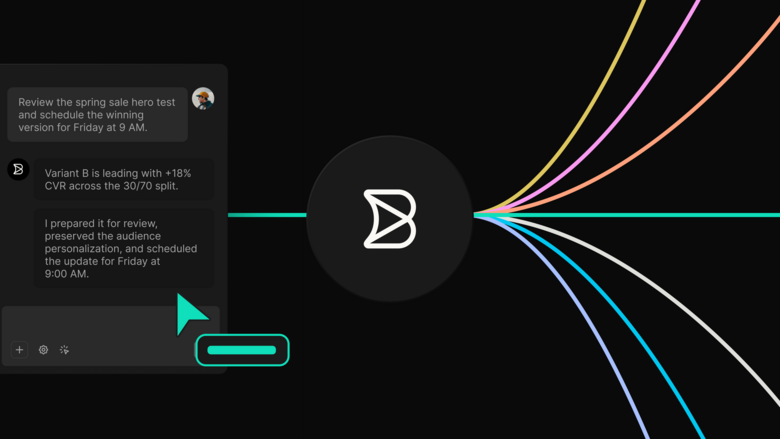
Find and edit content in seconds, not hours Most teams spend more time finding content than editing it, because when a CMS has hundreds of models and thousands of entries, knowing where something lives becomes a skill in itself. Builder Agent lets you describe what you're looking for instead of navigating to it, audit your entire content model in one pass to find outdated or broken items, and make bulk updates across entries without touching each one. Your team spends its time on the content itself.
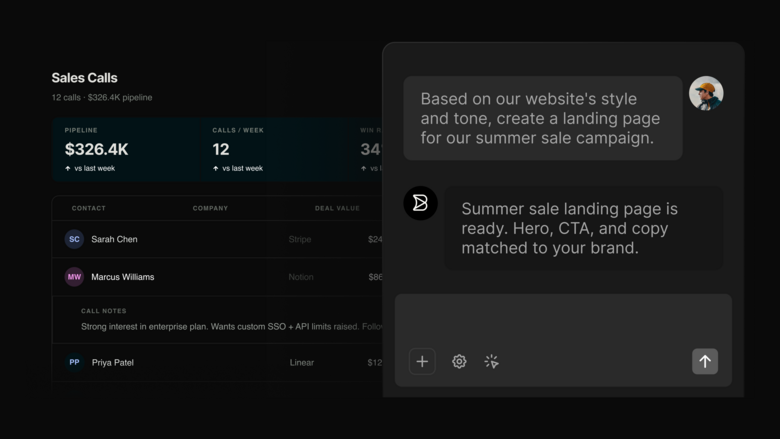
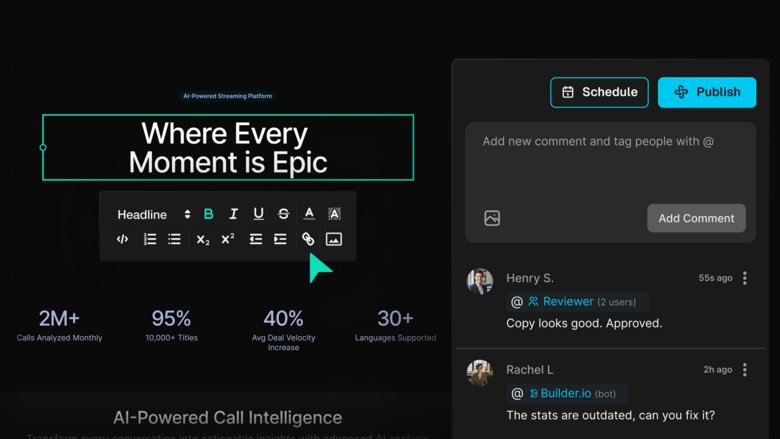
Generate content that's on-brand every time Brand consistency gets harder as teams scale, because when everyone generates and edits independently, tone drifts, and someone always has to review before publishing. In Builder, you define your brand and tone guidelines once, and from then on, everyone generates within those guardrails, so a new campaign page or a routine update comes out consistently without a manual review at the end.
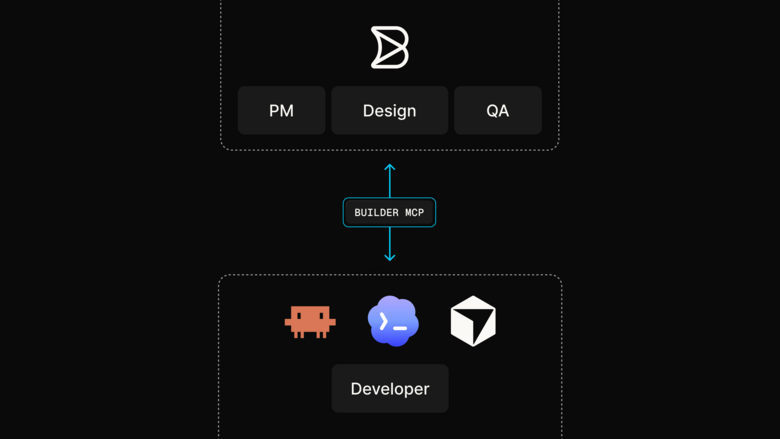
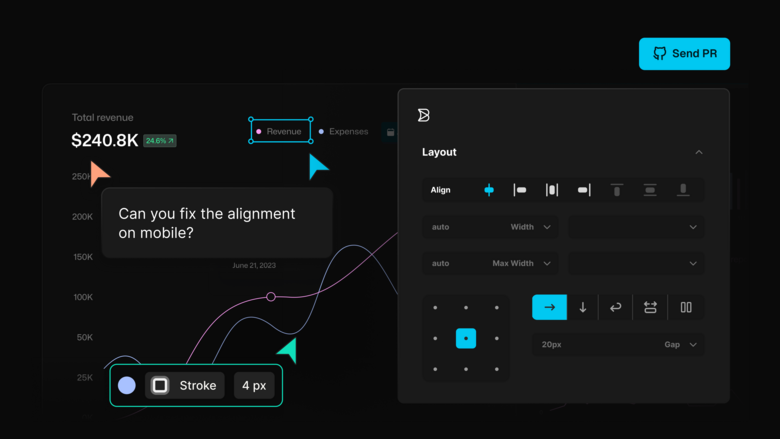
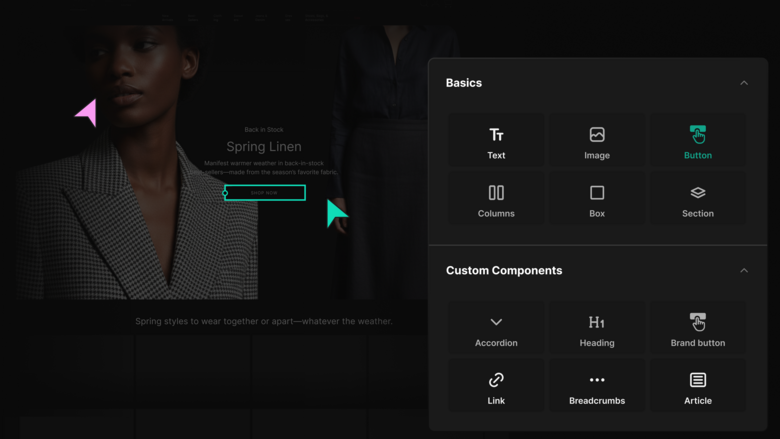
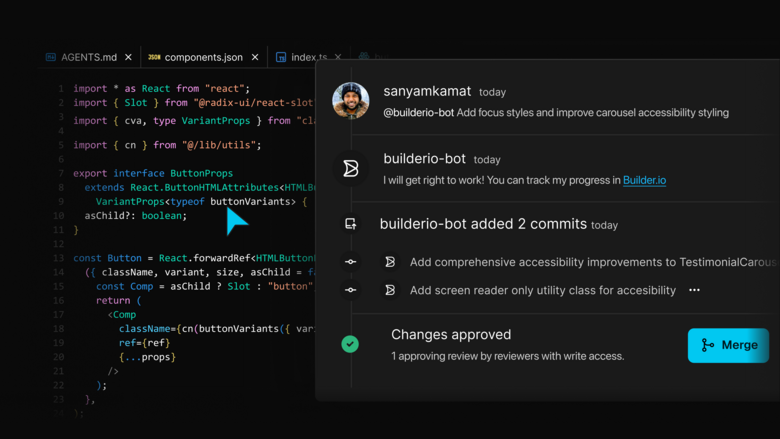
Ship new layouts without an engineering ticket The moment you need something new built, you're dependent on engineering capacity, which slows everything down. With Builder Agent, you can update data models as needed, and for anything more complex, marketing can design and prototype new pages and components in Builder on its own. When engineering does get involved, they're reviewing something real that's already built, so everyone's time goes toward shipping.
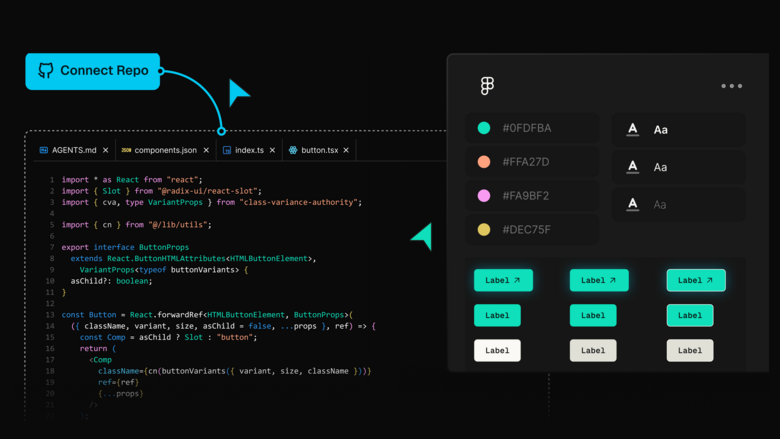
Move to Builder one piece at a time Migration is one of the biggest reasons teams hesitate to expand their use of Builder, since the cost and disruption of moving content from another platform can feel like a project in itself. The CMS MCP changes that by transferring entries, models, and schemas directly into Builder without a manual rebuild. You can restructure imported models with Builder Agent once they're in, and bring your existing components and design patterns across with Builder, so you expand into Builder incrementally without having to justify a big migration project.
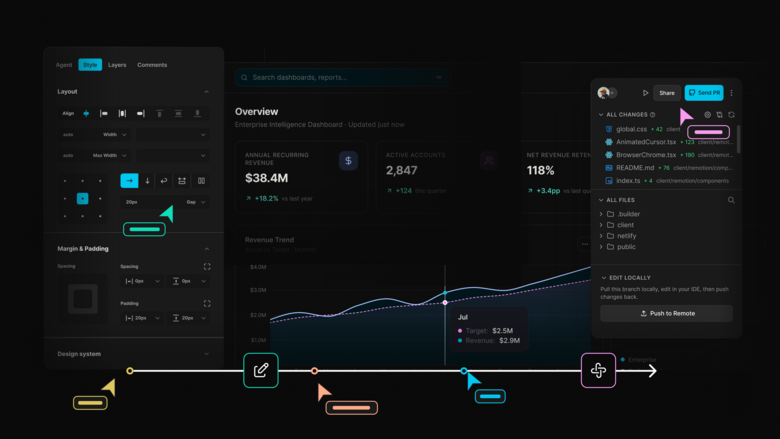
Roll out AI without anyone breaking anything The first question most teams ask when rolling out AI is how to make sure people don't break anything. The guardrails work at three levels. Roles define exactly what each person can do, from publishing to layout editing to writing code, and AI respects those same boundaries, so if a user can't do something directly, AI can't do it for them. Content scope controls what each role can reach, down to models, locales, and fields, so AI only surfaces and edits what that user is already scoped to see. And environments keep production safe, since teams prototype in lower environments first, and changes are only promoted after clearing your existing approval process.
The shift these updates add up to
The pattern across all of these updates is the same: the people closest to the work can do more of it themselves, and the people who used to be a bottleneck get pulled in only when there's something real to review. Marketing moves without waiting on a ticket, engineering spends its time on engineering, and the AI doing the work stays inside the boundaries your team already trusts. The result is a team that ships at the pace the market now expects, with the governance to back it up. Try Builder for free and see how your team works without the handoffs, or connect with a Builder expert to walk through how it fits your content models and governance setup.
Comments
Nothing yet. Say the first thing.
Sign in to join the conversation.