The 9 best Gmail alternatives with useful AI in 2026
Compare 9 Gmail-compatible email apps that use AI for triage, search, drafting, and team workflows—without changing your Gmail address in 2026 easily.

Builder.io Blog
Live Last read · last published · next check
Compare 9 Gmail-compatible email apps that use AI for triage, search, drafting, and team workflows—without changing your Gmail address in 2026 easily.
Discover the 12 best PowerPoint alternatives in 2026, from Google Slides and Canva to Gamma, Pitch, and Quarto, with AI tools, pricing, and key caveats.
Google Analytics alternatives for 2026, grouped by job — with every price checked against the vendor's own pricing page.
AI makes internal tools easy to mock up but hard to truly own. Learn how shared actions, reusable UI, and developer-owned boundaries stop rebuild cycles.
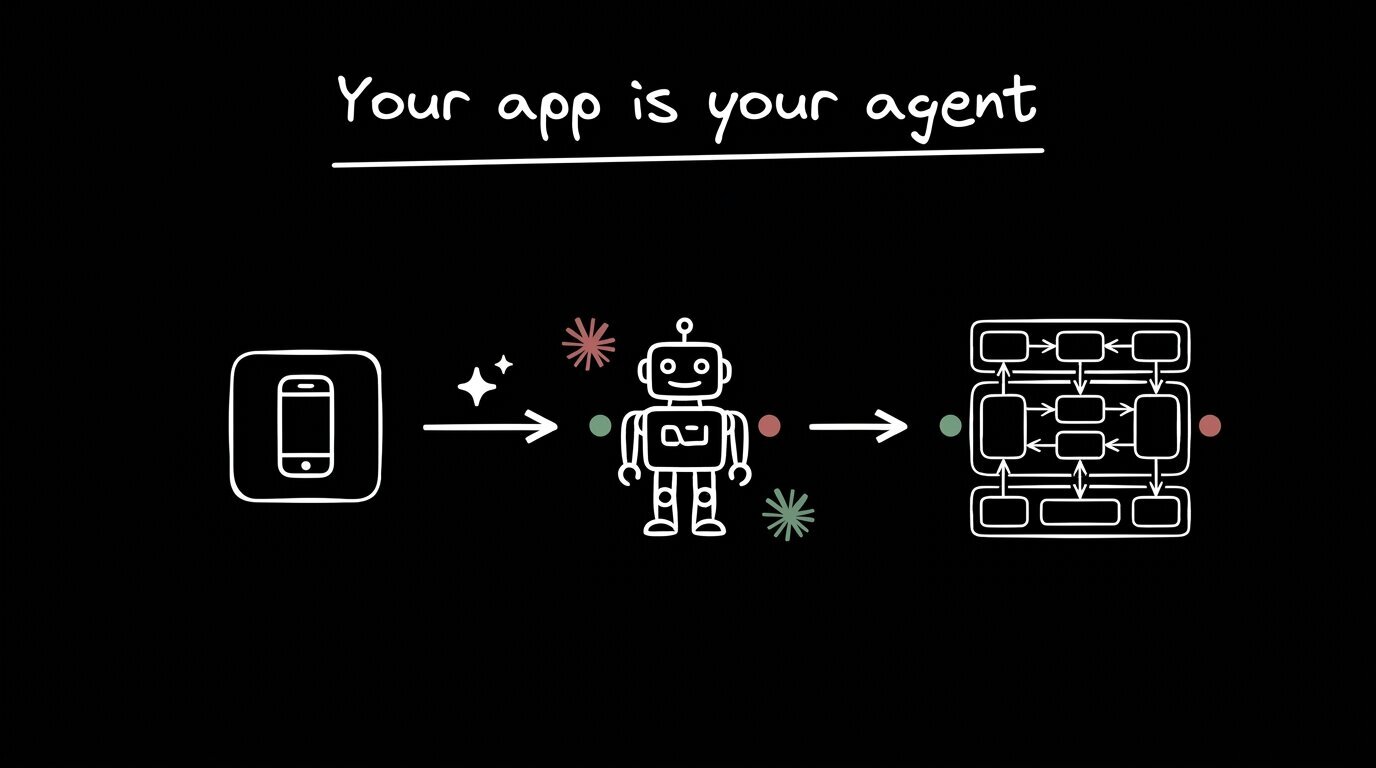
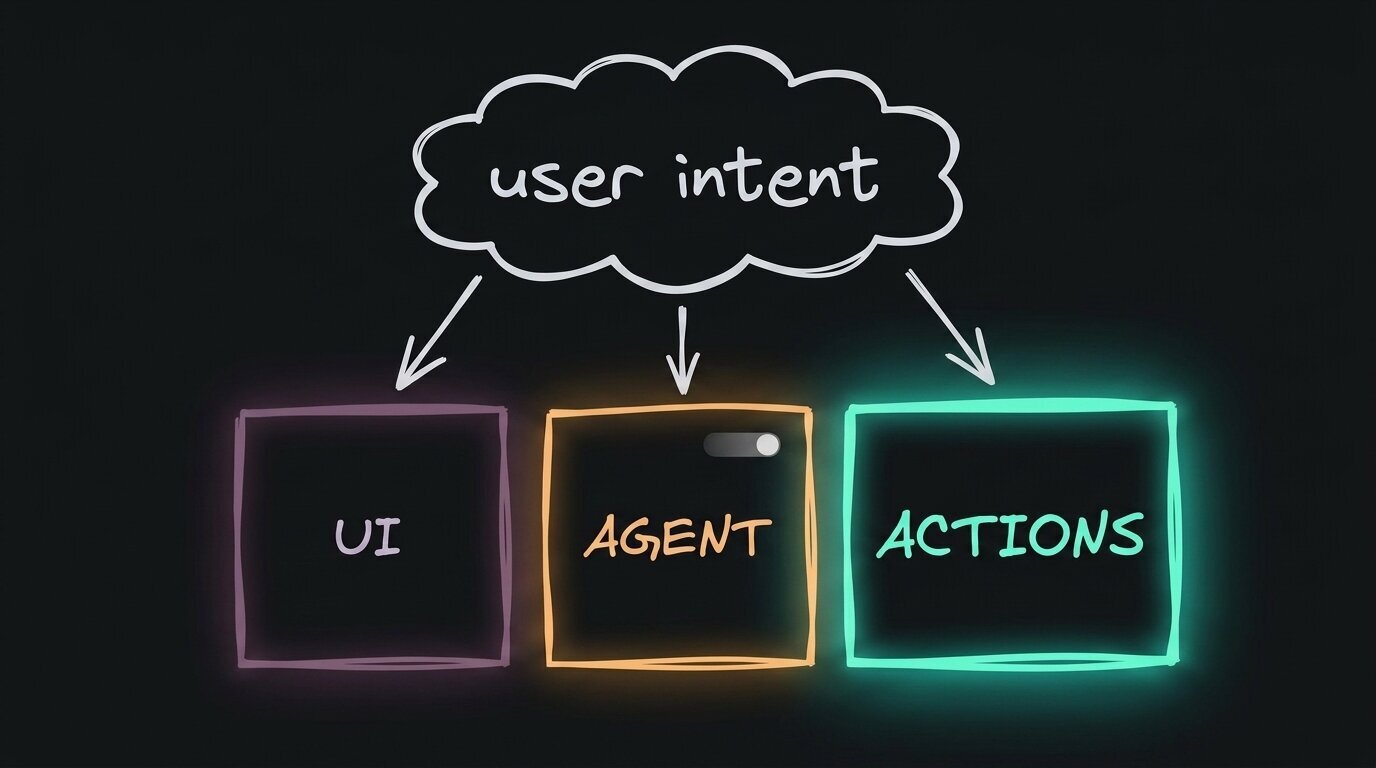
Building an agent on top of a UI-first app doubles your implementation and review load. Agent-native apps run the UI and the agent from a single set of actions.
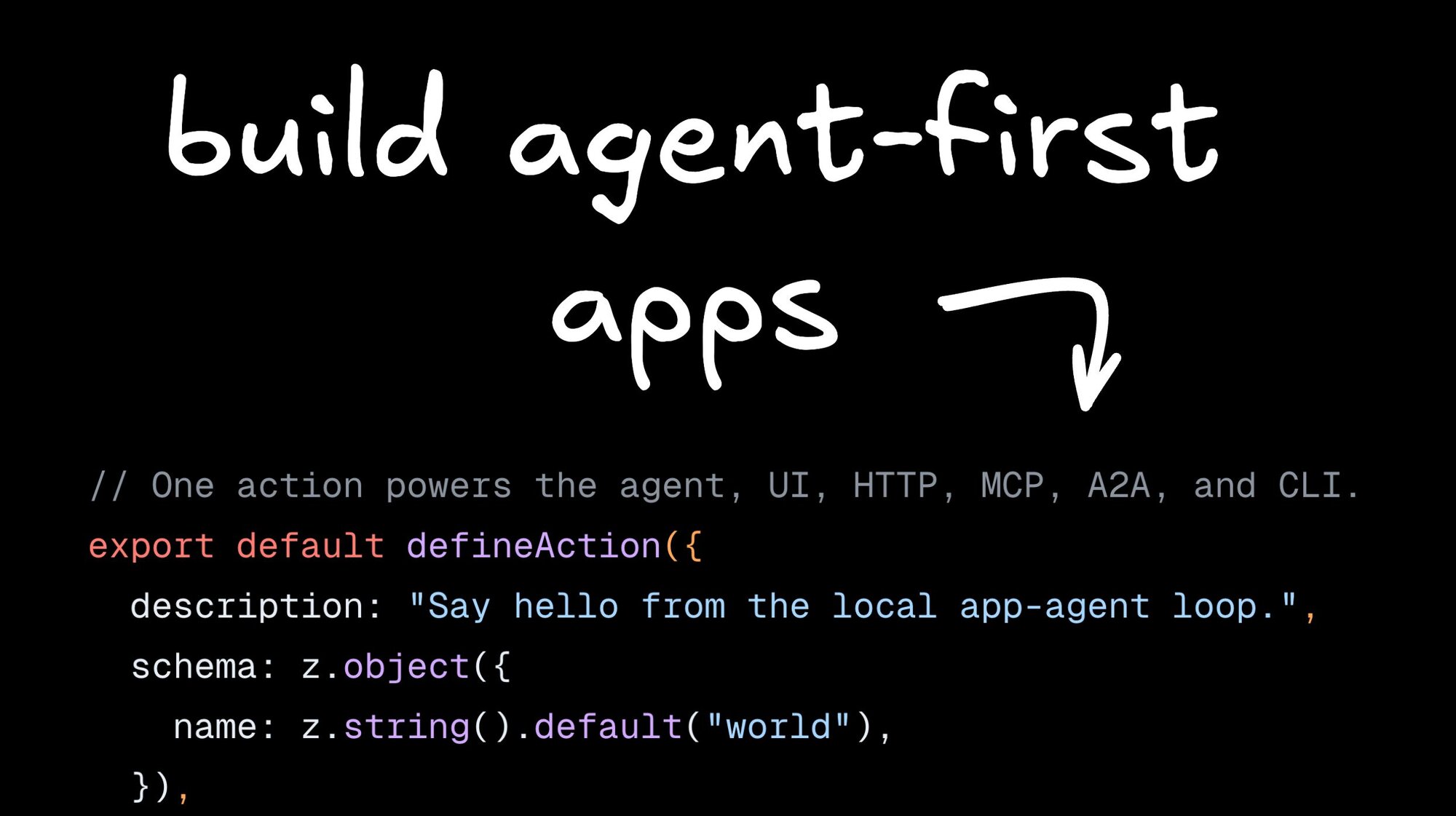
Agent-first apps let humans and agents work through the same actions, UI, and data - making software easier to use, extend, and connect.
A practical, even-handed guide to Google Forms alternatives, with a comparison table and picks grouped by the job you need to get done.
Treat AI as your next user, not another feature. When every agent has a face, capabilities exist once and work everywhere, for people and agents alike.
Compare the 12 best Notion alternatives in 2026, from Obsidian and AppFlowy to Airtable and ClickUp, by PKM, team docs, AI, and data ownership needs today.
The best Fullstory alternatives for 2026, grouped by the job you need to get done — from free session replay to open-source analytics you fully own.
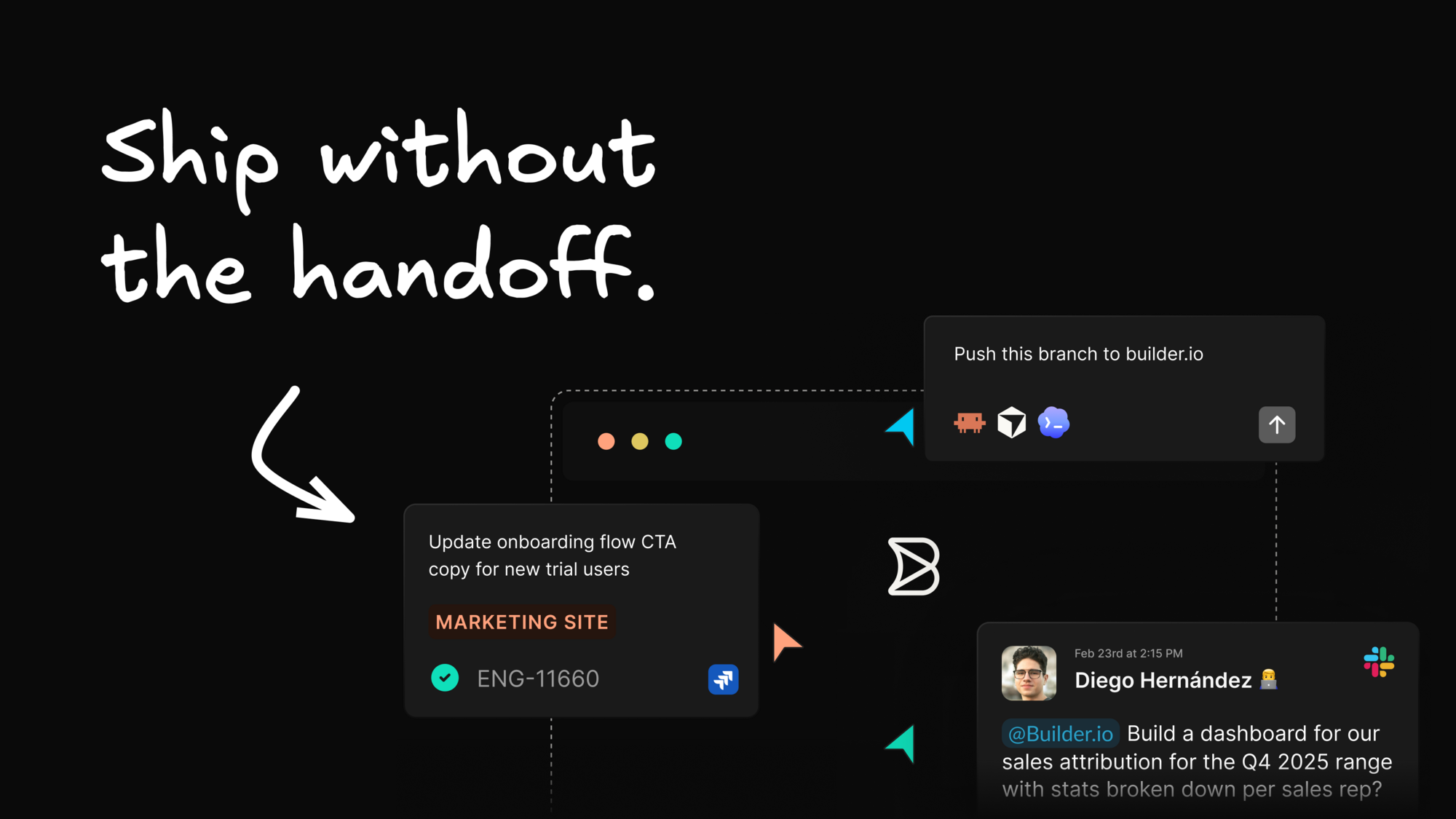
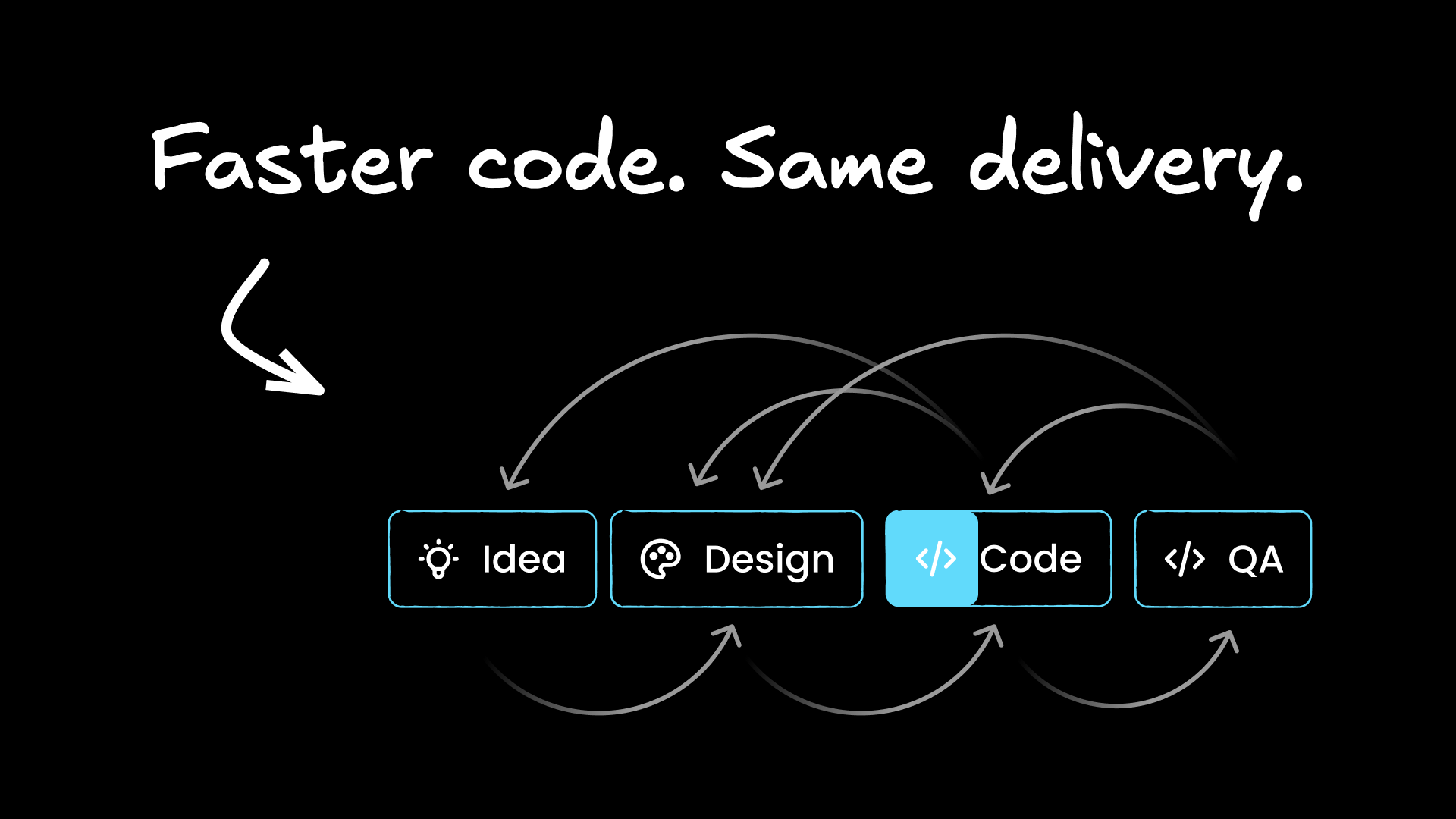
Fast coding hasn't made teams ship better because the delays live in handoffs, not in typing. Working from a single shared prototype closes that gap.
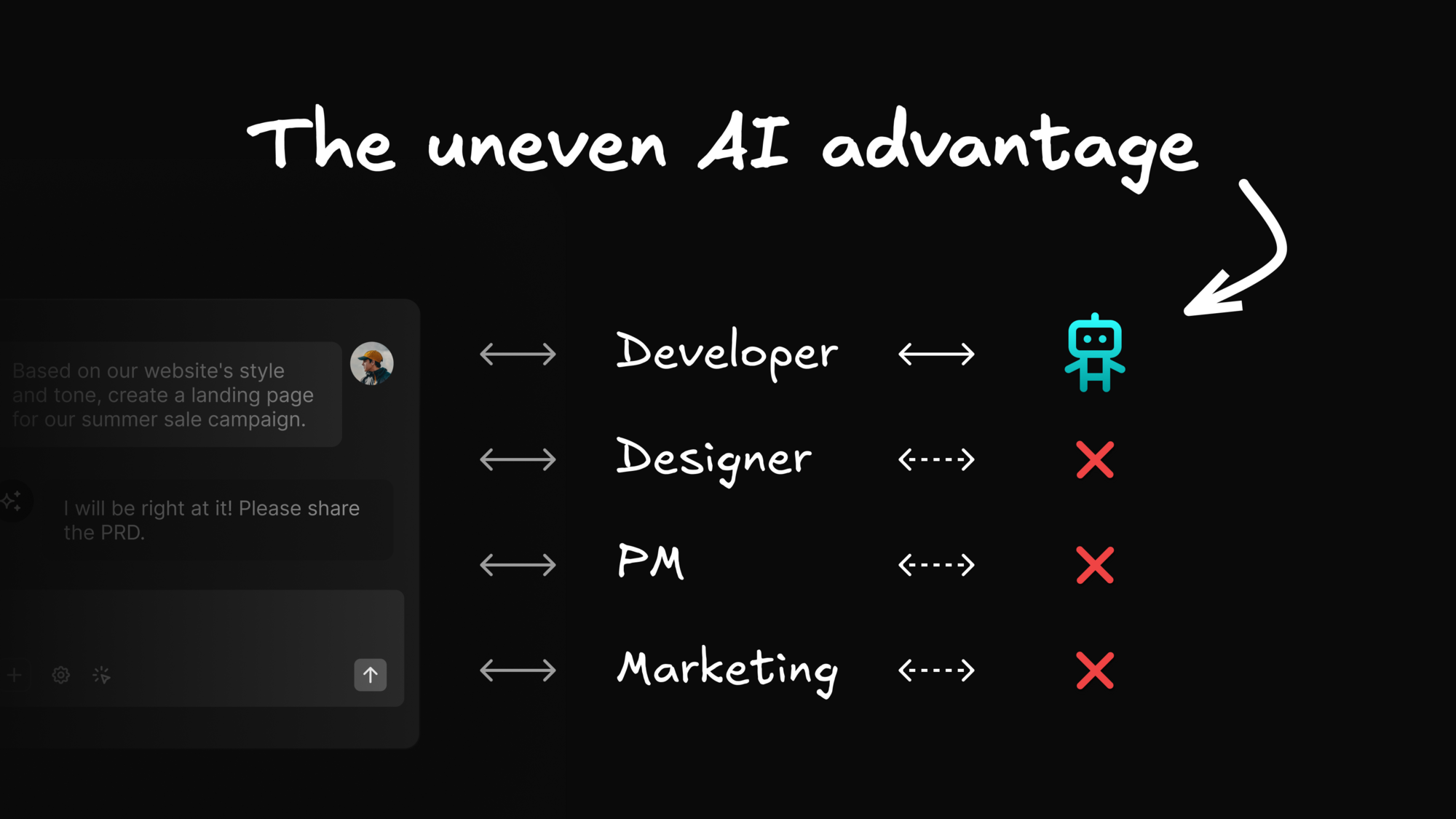
Agent-native software brings AI into shared workflows so marketers, PMs, and designers can do real work, review changes, and improve overall team processes.
The 10 best Loom alternatives for 2026, tested and ranked, including free and open-source options for creators, sales teams, and developers.
Compare the best Grafana alternatives for observability, dashboards, logs, and LLM tracing with pricing, tradeoffs, and top picks for every team size.
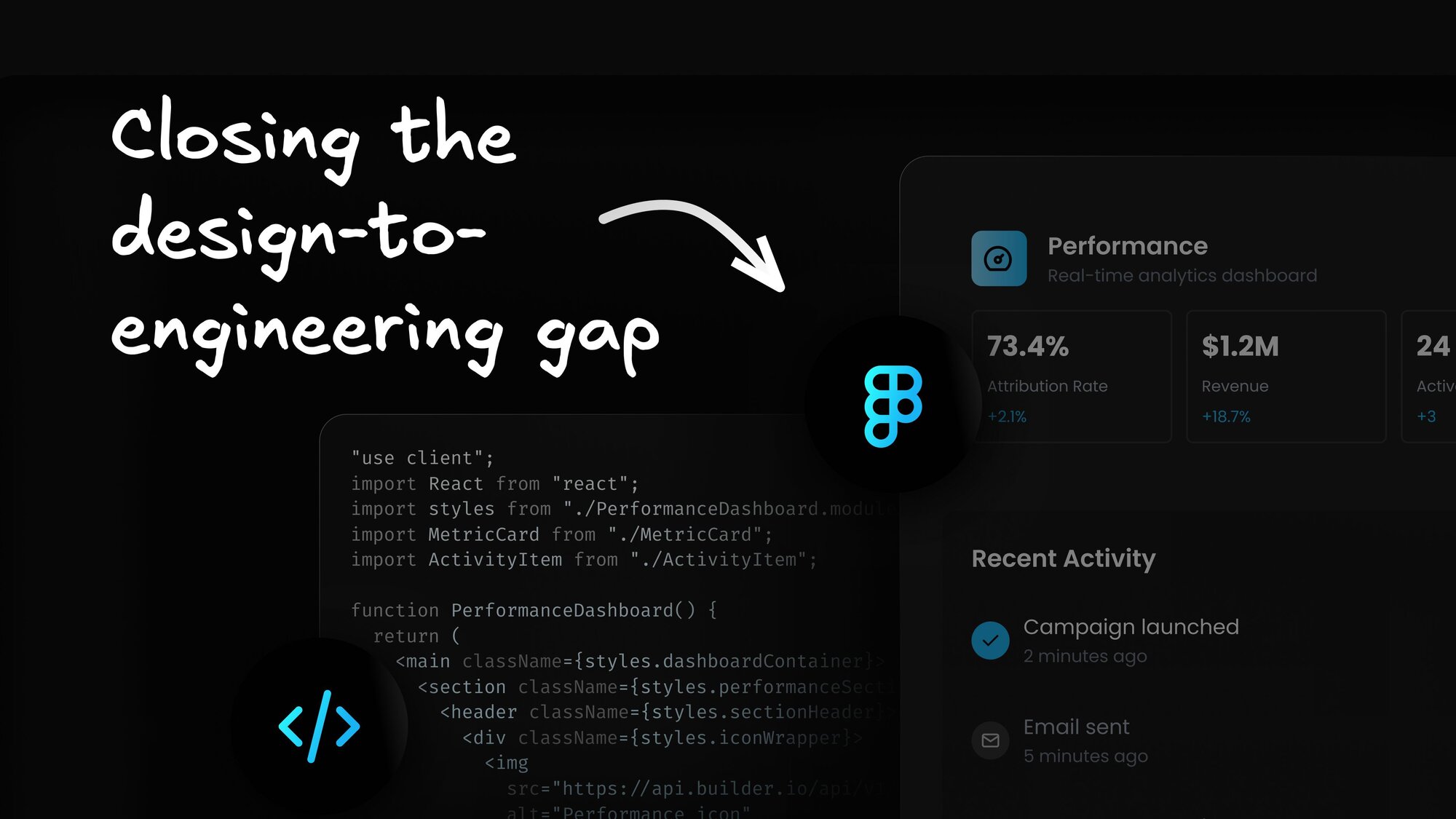
How KPMG closed the design-to-engineering gap with Builder, reaching 88% faster delivery and turning months of idea-to-production into weeks.
What changes when everyone on the team can build, not just engineering, and the AI doing the work stays inside the guardrails your team already trusts?
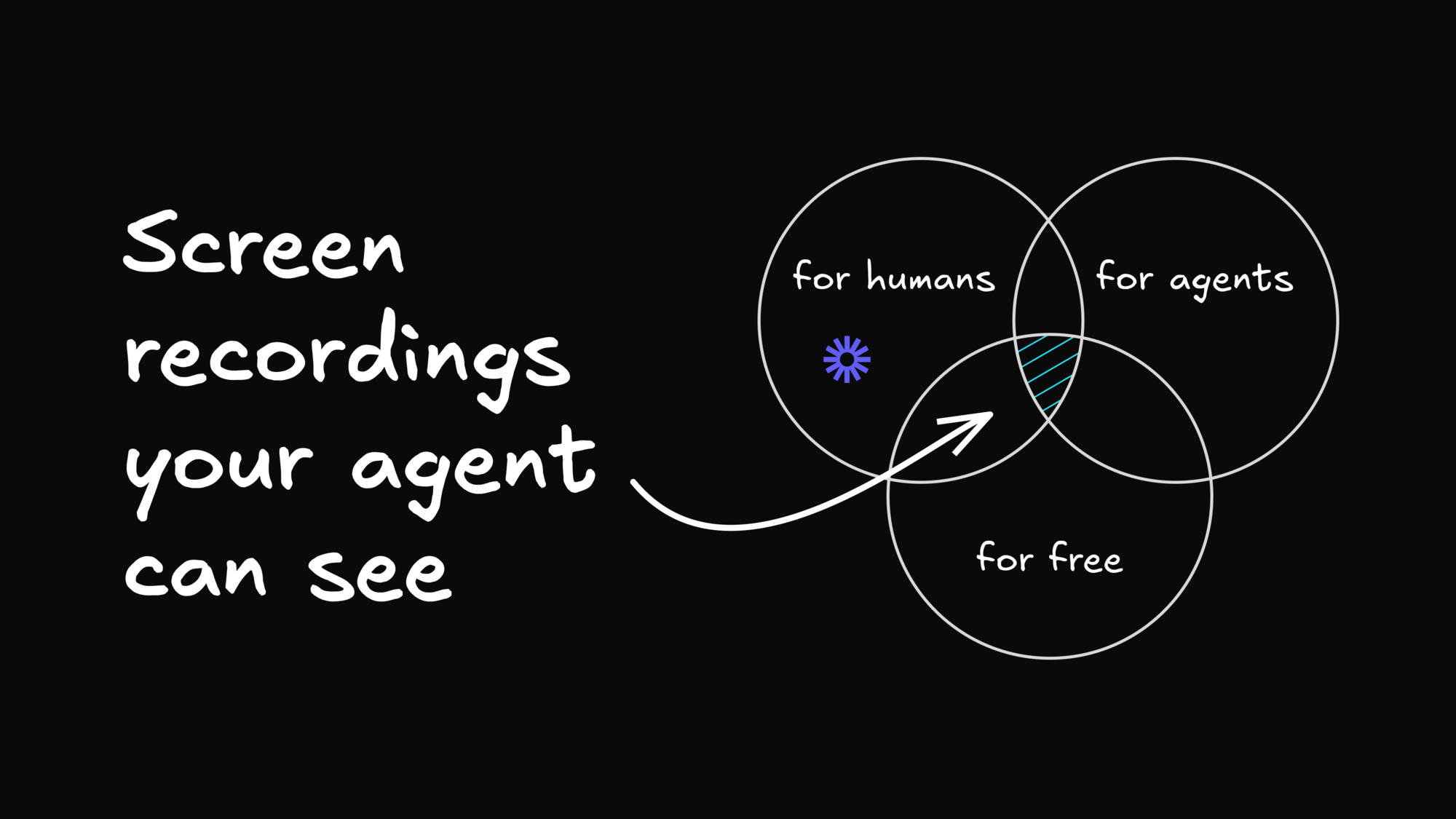
Clips is a free, open-source, agent-native Loom alternative whose share links expose transcripts, frames, and browser diagnostics directly to AI agents.
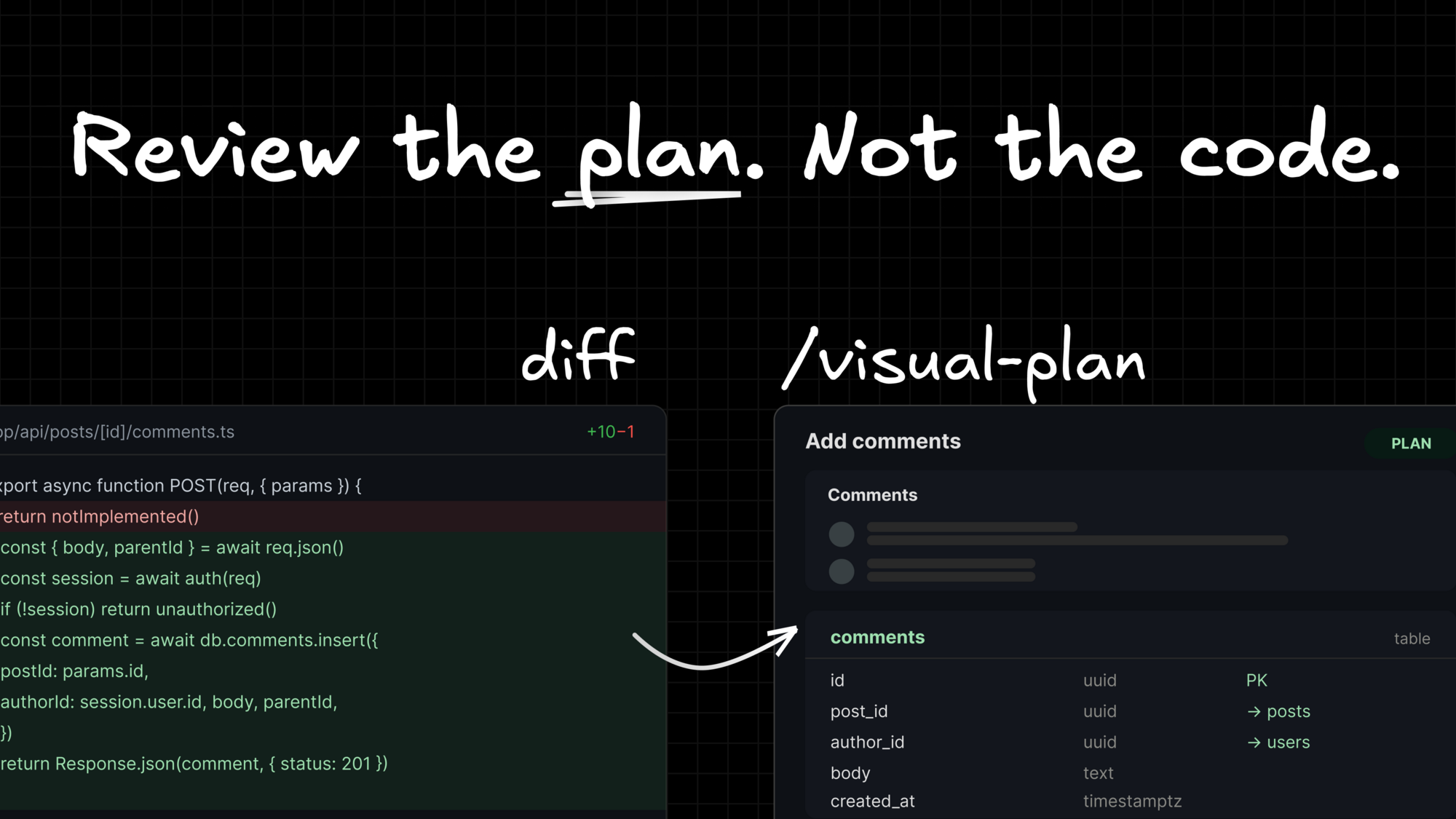
Introducing /visual-plan and /visual-recap: scannable, structured Claude Code plans that turn agent output into verifiable contracts and reviews fast.
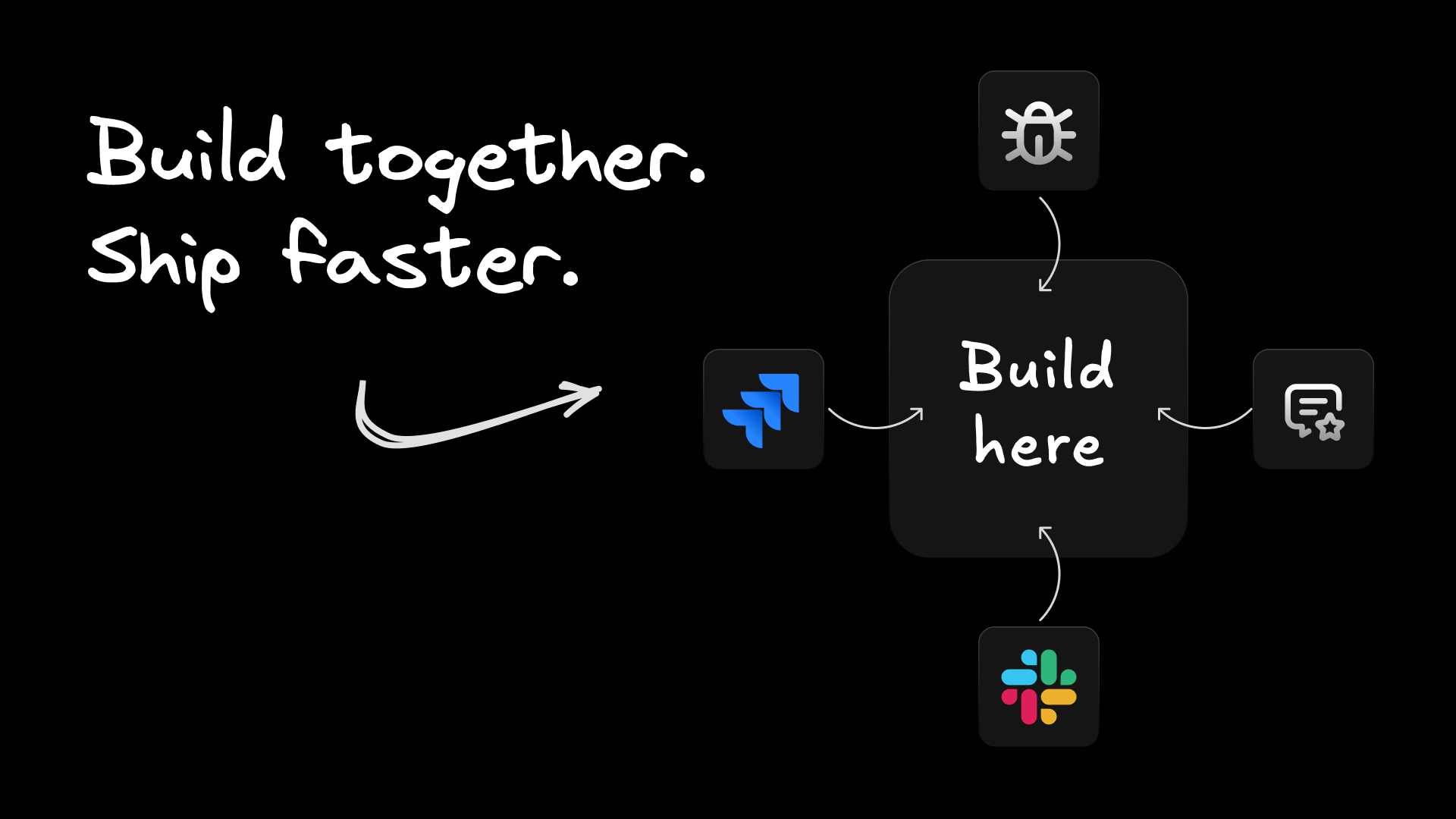
Stay ahead with the workflow itself: a collaborative coding model where your whole team builds, reviews, and ships alongside AI agents in shared workflows.
Faster coding has barely changed how fast teams ship, because the time that matters lives in the queues and handoffs between roles, not in writing the code.
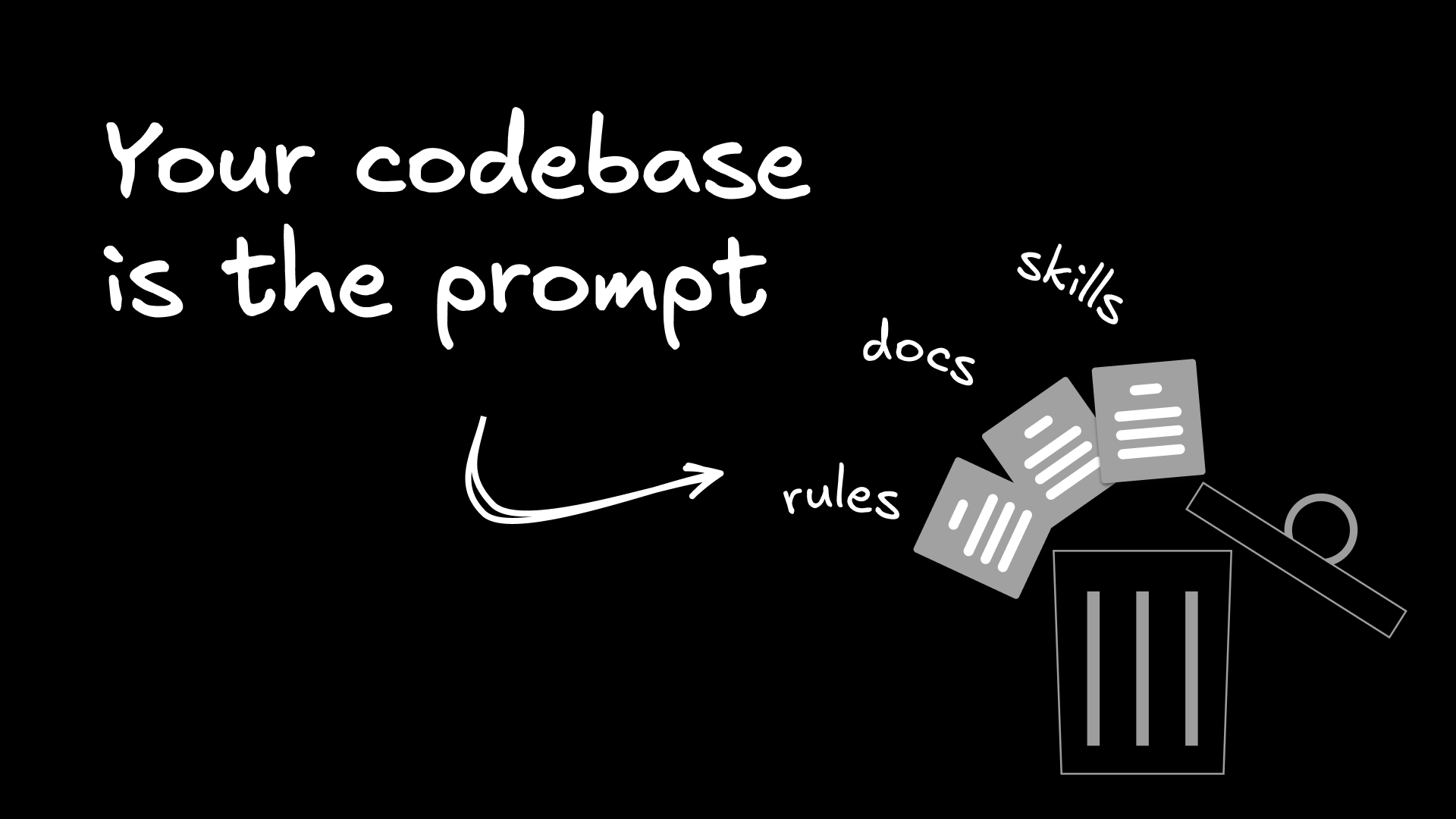
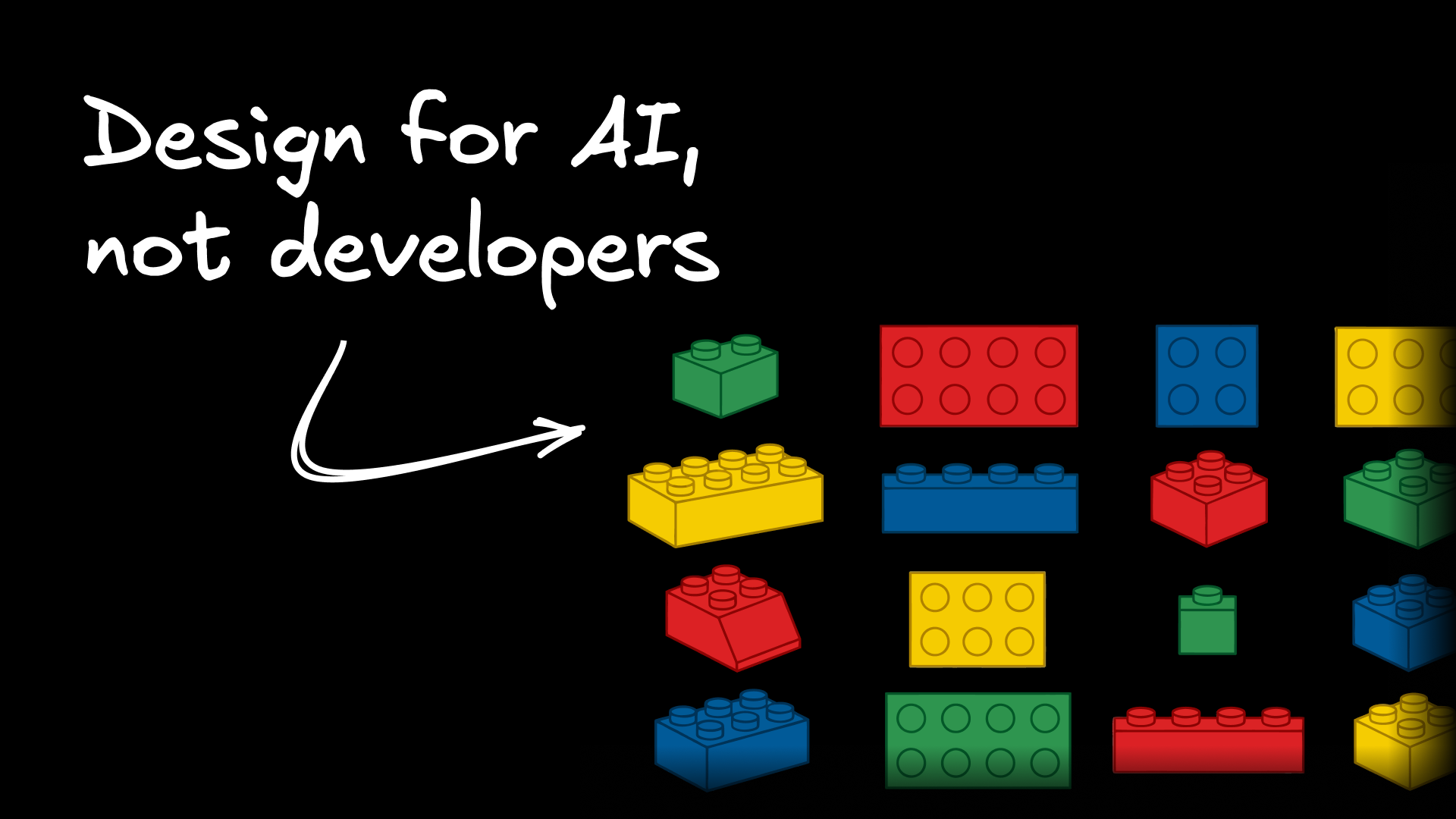
Make AI agents follow your design system with lint rules, strict types, token enforcement, golden examples, and verification loops that fail bad code fast.
Developer experience is giving way to agent experience: context, deterministic environments, verification, and safety for reliable AI coding workflows.
Builder helped POGR cut $30K and a year of UI work across multiple game titles by turning Figma designs into production-ready game engine assets.
Ask these 5 questions before choosing a product development platform to test workflow fit, codebase compatibility, failure modes, adoption, and overall cost.
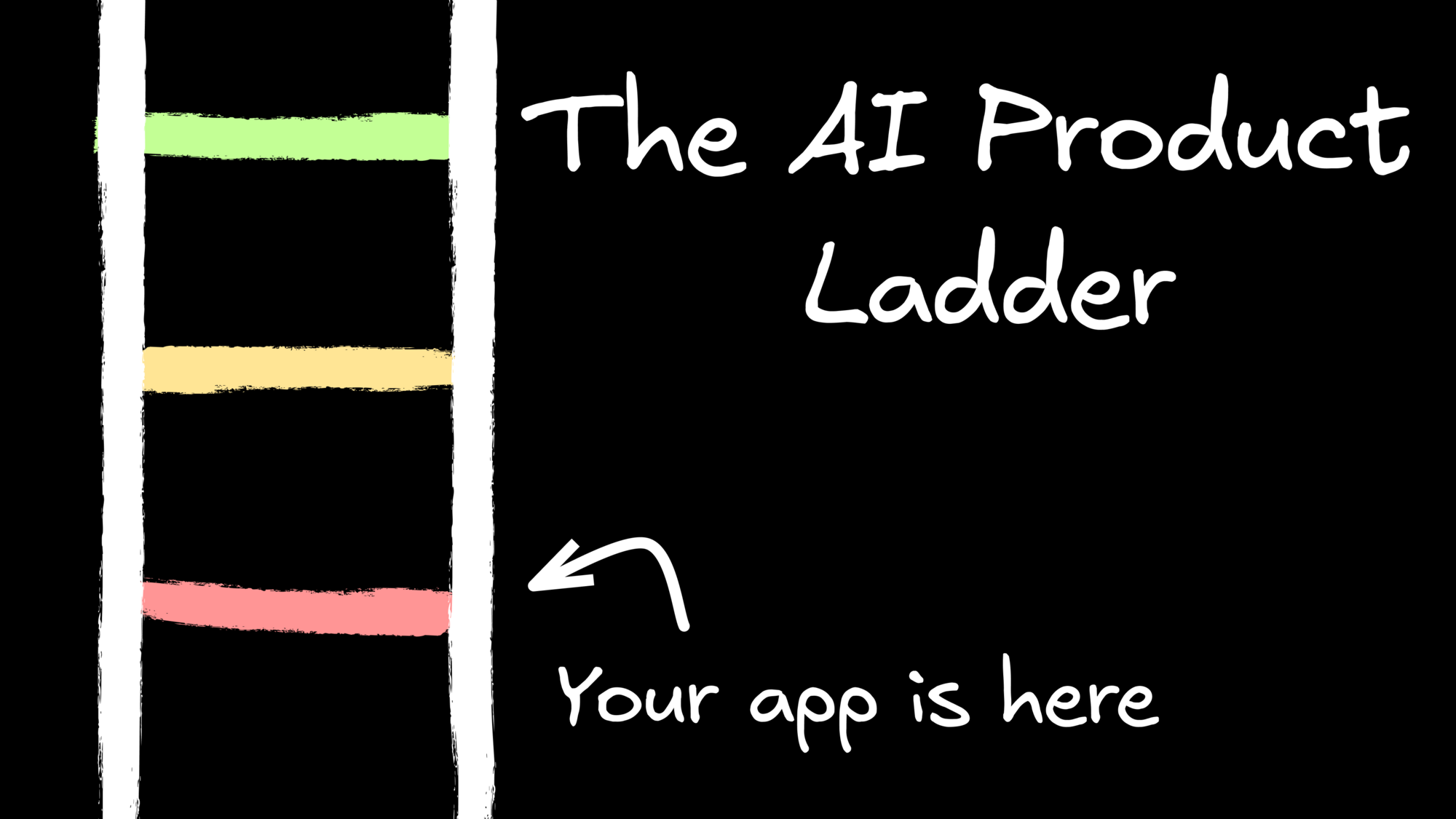
Most "AI features" are stuck on Rung 1: a single LLM call. Here's the three-rung AI product ladder and why Rung 3 means going agent-native.
Why top agent-native apps use less AI: a third action surface cuts cost, latency, and hallucinations by routing repeatable work to deterministic code.
Learn how to design generative UI for agent-native apps using elastic primitives, machine-readable design rules, and efficient code-first workflows today.
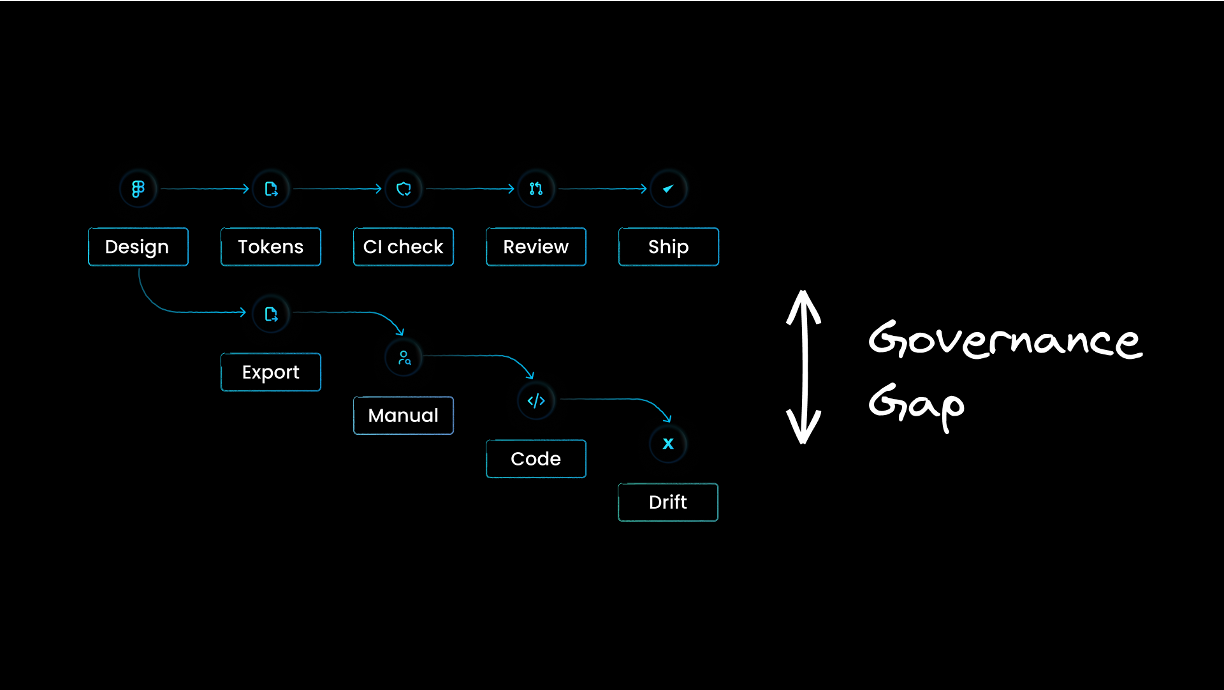
Your AI adoption rate is easy to measure, but your governance rate isn't. Here's how the gap is widening across enterprise engineering and how to close it.
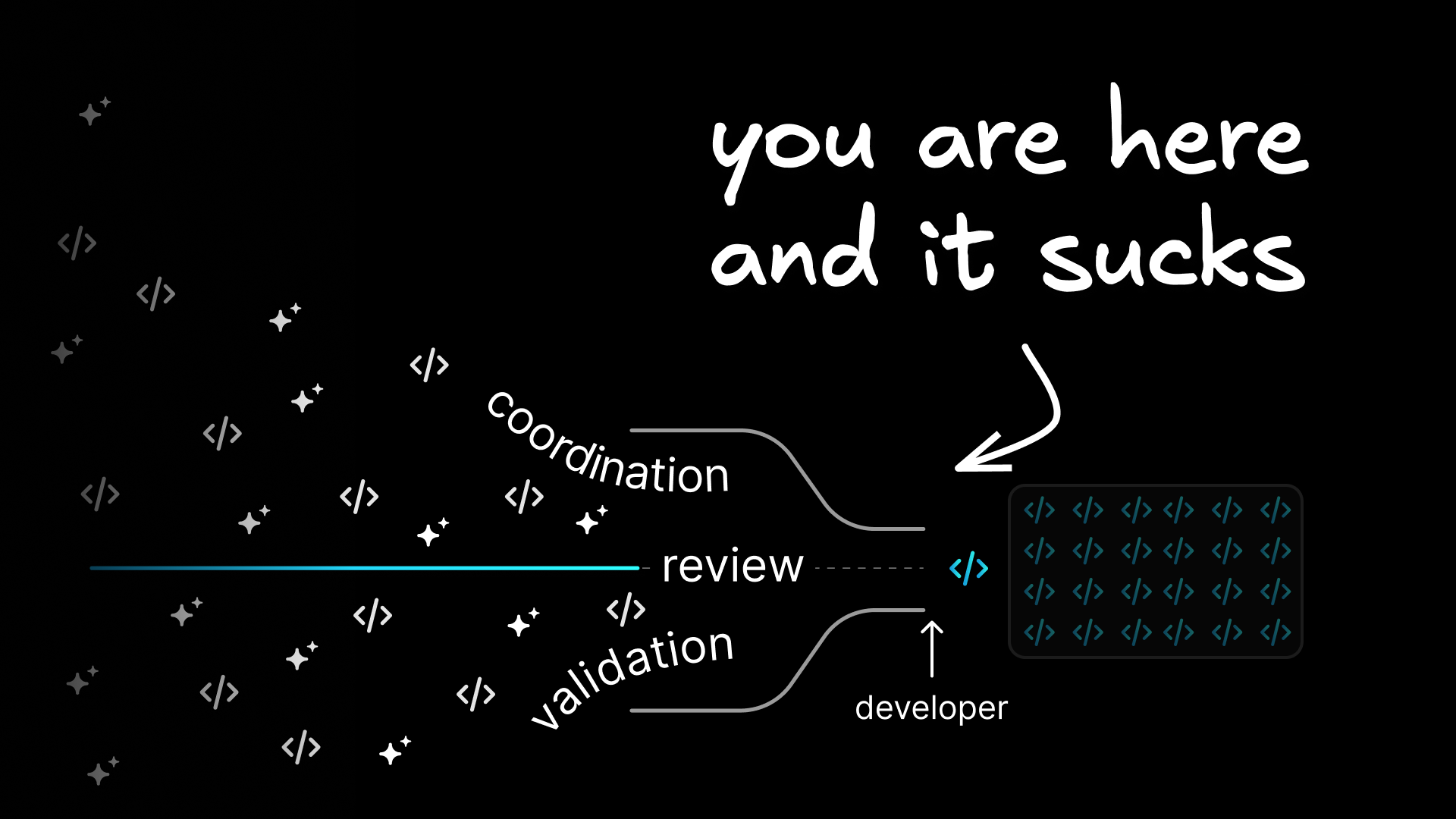
AI makes PRs cheap, but trust is still expensive. Why developers are stuck reviewing endless AI slop and how automated code review can fix the bottleneck.
AI agent vs chatbot: chatbots respond to prompts; AI agents pursue goals, use tools, and complete work. See examples and why agent-native is next.