
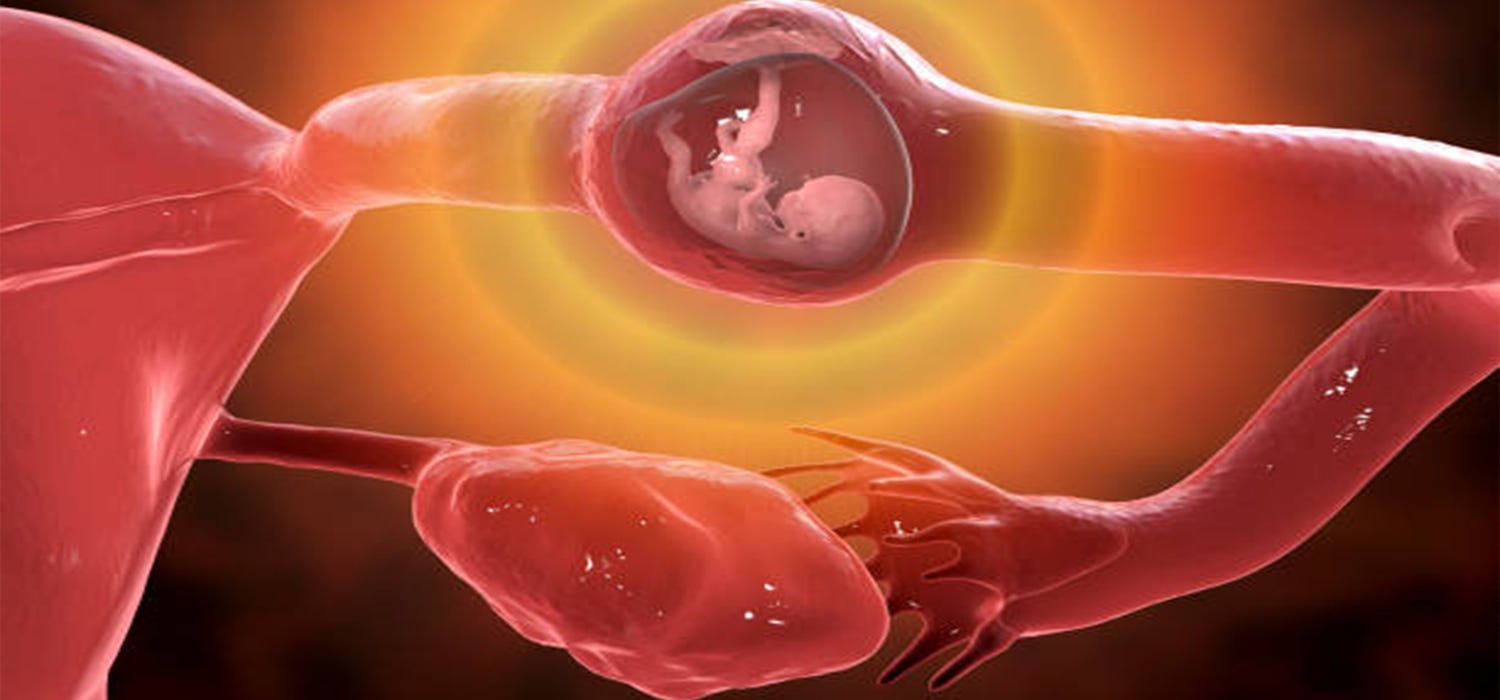
You have a positive pregnancy test. Everything seems normal. So why would you need to worry about where the pregnancy is developing?
Because a positive pregnancy test only tells you that pregnancy hormones are present.
It does not tell you where the pregnancy is located.
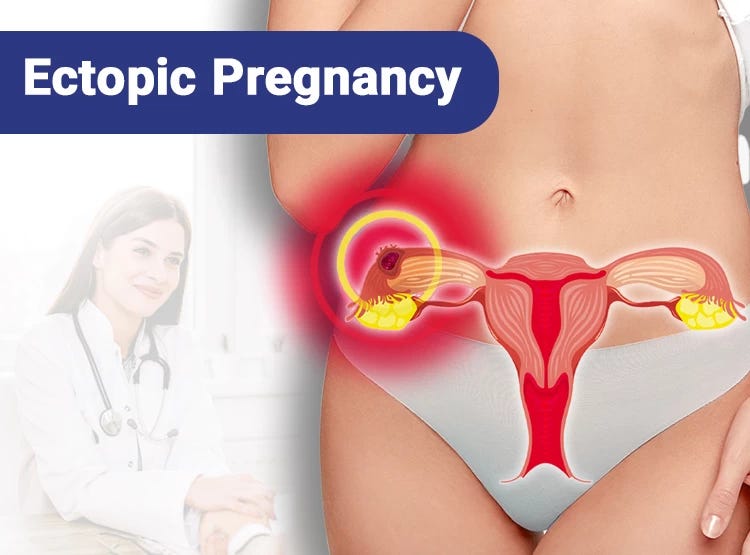
In an ectopic pregnancy, the fertilised egg implants outside the uterus most commonly in a fallopian tube. Since the tube cannot safely support a growing pregnancy, early diagnosis is extremely important.
And the difficult part?
An ectopic pregnancy can initially feel just like a normal pregnancy.
Some factors can increase the chance of an ectopic pregnancy:
A previous ectopic pregnancy
Pelvic inflammatory disease or certain sexually transmitted infections
Previous surgery or damage to the fallopian tubes
Certain fertility or tubal problems
Some fertility treatments, including IVF
Smoking
But there is an important fact many people don’t know:
Sometimes, there is no identifiable reason.
So if this happens to you, don’t immediately ask, “What did I do wrong?”
There may be nothing you could have done to prevent it.
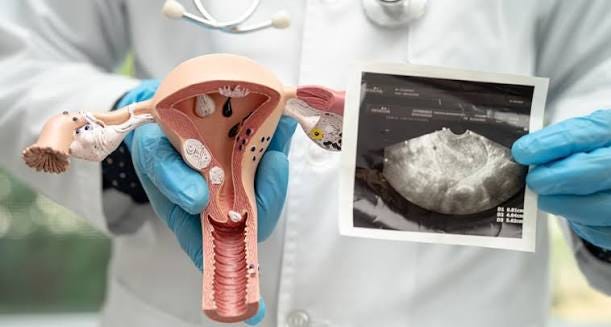
There is no guaranteed way to prevent one.
However, you can reduce some known risks.
Take sexually transmitted infections seriously and get them treated promptly. Avoid smoking. Discuss your reproductive history with your doctor, particularly if you have had an ectopic pregnancy, tubal surgery or fertility treatment.
And be careful with internet advice promising to “clean,” “open” or “detox” your fallopian tubes.
There is no proven detox, diet or home remedy that can guarantee prevention of ectopic pregnancy.

What does an ectopic pregnancy actually feel like?
In the beginning, you may have:
A missed period
A positive pregnancy test
Breast tenderness or nausea
Mild pregnancy symptoms
So how do you know something may be wrong?
Pay attention to one-sided lower abdominal or pelvic pain, unusual vaginal bleeding or spotting, shoulder-tip pain, dizziness or fainting.
These symptoms can have other causes, but during early pregnancy they should be medically assessed.
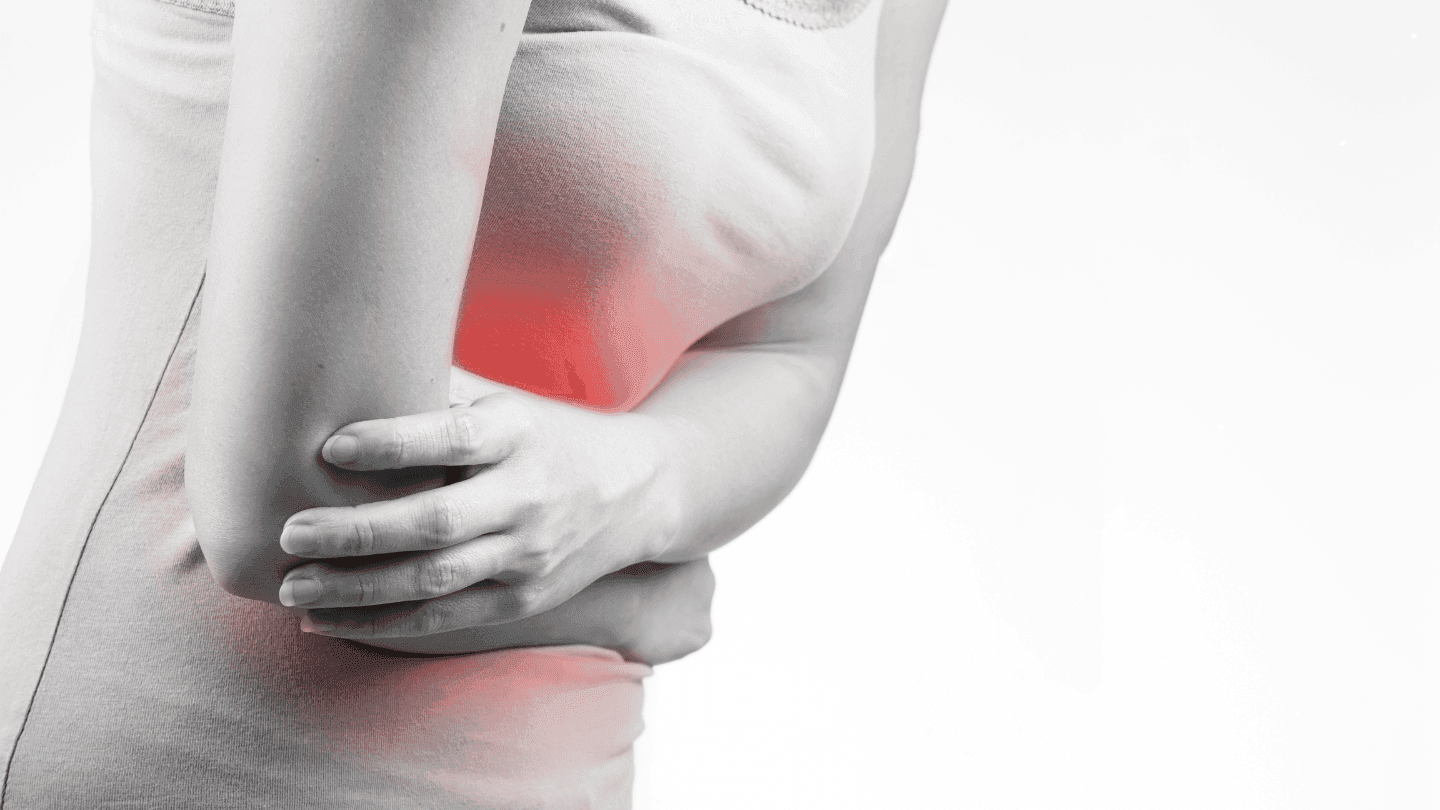
If you have a positive pregnancy test and unusual pain or bleeding, contact your healthcare provider promptly.
An ultrasound and blood tests measuring hCG may be used to help determine where the pregnancy is developing.
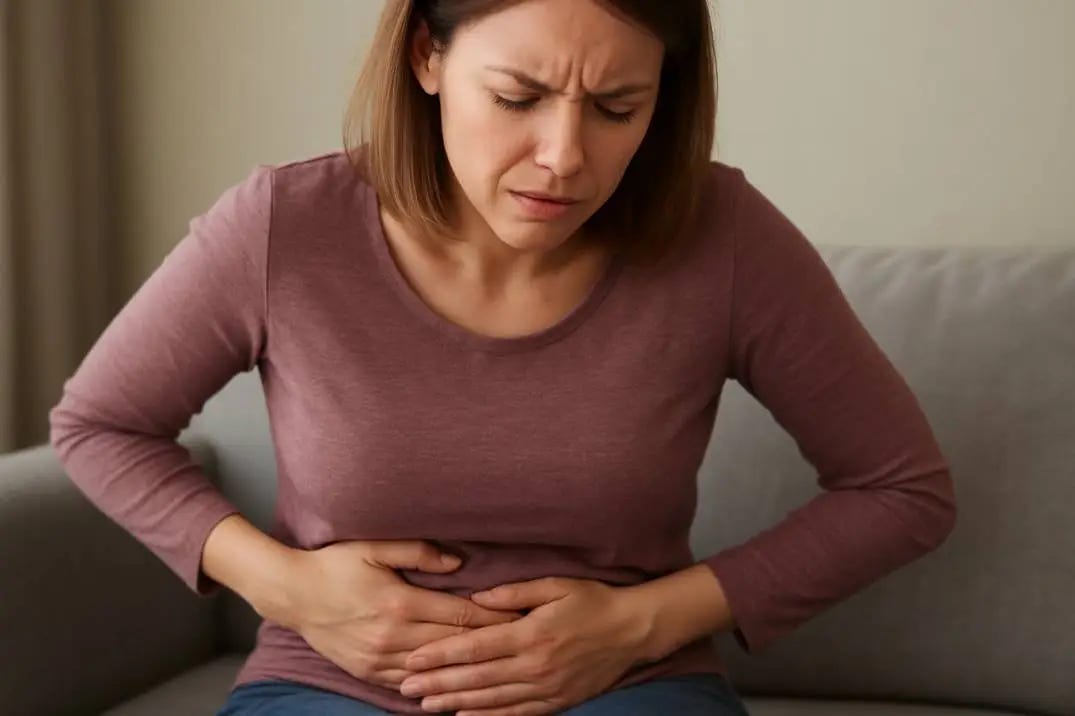
If you experience sudden severe abdominal pain, fainting, extreme dizziness, weakness or feel seriously unwell, seek emergency medical care immediately.
A ruptured ectopic pregnancy can cause internal bleeding and can become life-threatening.
This is not something to monitor at home.
A previous ectopic pregnancy increases the risk of another, but it does not mean you cannot have a healthy pregnancy later.
If you get pregnant again, tell your doctor about your previous ectopic pregnancy as early as possible. Your doctor may recommend early monitoring to confirm that the pregnancy is developing inside the uterus.
And emotionally, don’t expect yourself to feel completely relaxed just because you are pregnant again.
Feeling cautious after an ectopic pregnancy is understandable.
If anxiety becomes difficult to manage, professional support can help.

We cannot always prevent an ectopic pregnancy.
But we should never ignore it, delay getting checked, or try to manage it with home remedies.
A positive pregnancy test is the beginning not the confirmation that everything is developing normally.
Know your risk.
Know the warning signs.
Get checked early.
And when something doesn’t feel right, don’t wait.
Because with ectopic pregnancy, early action can make a very important difference.With Warmth,
Dr Monika Singh Shubhaa
No posts
Comments
Nothing yet. Say the first thing.
Sign in to join the conversation.