

It’s common when discussing continuous delivery for CD naysayers to play “gotcha” with examples of when they think CD failed in mission-critical situations. They assert that if people depended less on automation and spent more time on human validation, these issues wouldn’t occur. One of their favorite examples is the 2012 Knight Capital incident.
On August 1, 2012, Knight Capital lost over $400 million in 45 minutes, nearly four times its annual profit. The proximate cause was the accidental reactivation of old code during a botched deployment. But the proximate cause is never the real cause. This is a story about accumulated technical and operational debt that was invisible during normal operations and catastrophic under stress.
Knight Capital needed to deploy changes to its SMARS (Smart Market Access Routing System) to integrate with the NYSE’s new Retail Liquidity Program. The deployment required manual copying of code to eight production servers. Seven got the update. One didn’t. Nobody caught this because there was no automated verification that the deployment was consistent across the fleet.
On the eighth server sat “Power Peg,” a defunct order routing algorithm that had been decommissioned but never deleted. It was gated behind a repurposed feature flag, the flag they used to activate SMARS. When the new deployment activated that flag, Power Peg woke up on the last server.

Power Peg was designed to accumulate a position by repeatedly buying or selling shares, building toward a target quantity over time. When it reactivated, it wasn’t executing a legitimate order. It was running in a vacuum, acquiring massive positions in over 140 stocks with no corresponding intent behind the trades. Because it was designed to keep buying until it hit a target, and because there was no valid target or stop condition in the context it reactivated into, it just kept going. Every second compounded the damage.

When operators noticed the excessive trading volume, they couldn’t immediately correlate it with the deployment, determine the scope of the damage, or identify which lever to pull. Their response was to revert to the previous version, but they left the flag on. Now all eight servers were running Power Peg. It took 45 minutes to shut it down. In a high-frequency trading environment, 45 minutes might as well be geological time.
This wasn’t one bad decision. It was many small decisions, each locally reasonable, that composed into a fragile system that failed completely when conditions aligned.
Manual, non-repeatable deployment. A financial firm handling billions in daily volume was deploying to servers one at a time by hand. Infrastructure as code, automated deployment pipelines, and post-deployment validation aren’t exotic ideas. They were table stakes in 2012. This is the original sin.
Dead code left in production. Power Peg had been decommissioned, but the code wasn’t removed. It was just dormant. Dead code is a liability. Every line that isn’t needed is a line that can surprise you. The danger isn’t just that dead code might run. It’s that it might run in a context it was never designed for, where its normal behavior becomes destructive.
No deployment verification. After deployment, there was no automated check to confirm all nodes were running the correct version. A simple post-deployment health check querying each server’s active code version would have caught the inconsistency immediately.
Feature flags without lifecycle management. Feature flags need to be tracked, owned, and retired. Repurpose one without auditing what else references it, and you get exactly what Knight got.
Knight also had no circuit breaker. No automated mechanism to halt trading when error rates exceeded thresholds. The shutdown was entirely manual. Any system capable of moving markets at machine speed needs automated safeguards that operate at machine speed.
And if they had a staging environment that truly mirrored production (same number of nodes, same configuration, same deployment mechanism), the missing server may have been caught before market open. The gap between what you test and what you run in production is where disasters live.
Organizational pressure overrides safety. The deployment happened under time pressure tied to the NYSE’s Retail Liquidity Program launch. The development team had only 30 days to design and deploy the changes. Urgency is a universal precondition for skipped steps. When schedule pressure to ship outweighs the discipline to deploy safely, you’ve already accepted the risk. You just don’t know it yet.
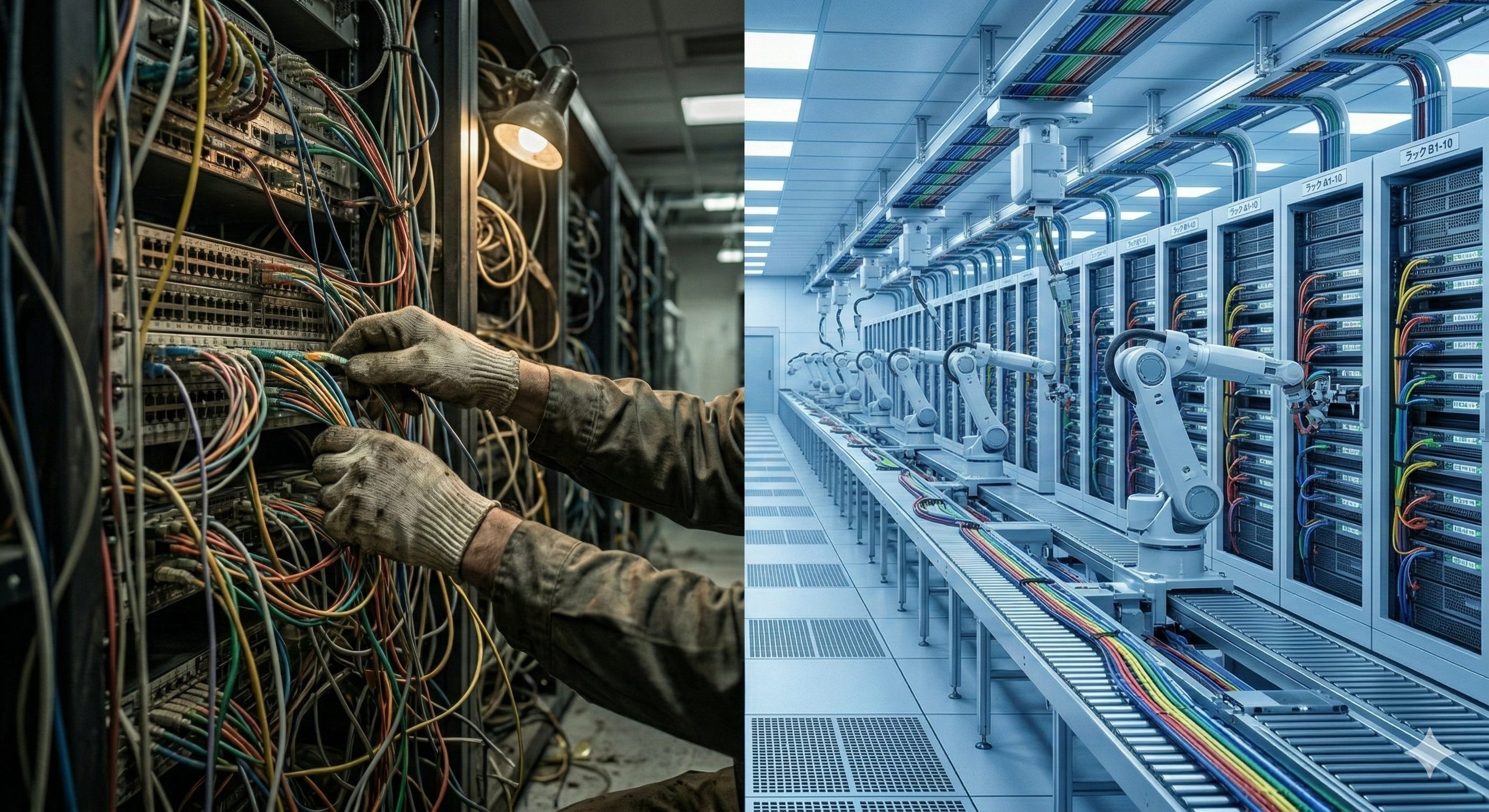
Every one of these failures has a straightforward CD answer.
They deployed by hand to servers one at a time. CD deploys are all-or-nothing with automated verification across the fleet.
They left dead code gated behind a recycled flag. CD practice is to delete dead code and retire flags when features are removed. Power Peg can’t reactivate if it doesn’t exist.
They tested against an environment that looked nothing like production. CD closes that gap, so problems surface before market open.
They shipped a high-risk change all at once under deadline pressure. CD’s deployment frequency discipline means smaller, more frequent changes that limit the damage when something goes wrong.
None of this required technology that didn’t exist in 2012. It required discipline, investment in delivery infrastructure, and an organizational culture that treated deployment safety as a first-class concern rather than a cost center to be minimized.
No, this wasn’t because feature flags are dangerous. That’s as silly as saying “programming is dangerous.” No, it wasn’t because they relied on too much automation. They are an example of why you want to standardize things with automation and minimize human touchpoints.
The correct takeaway: if you don’t focus on engineering excellence daily, you won’t have it when it really counts. Use your daily work to improve how you do your daily work.
The 2013 SEC incident report https://www.sec.gov/files/litigation/admin/2013/34-70694.pdf
In-depth analysis of the incident from Henrico Dolfing.
No posts
Comments
Nothing yet. Say the first thing.
Sign in to join the conversation.