
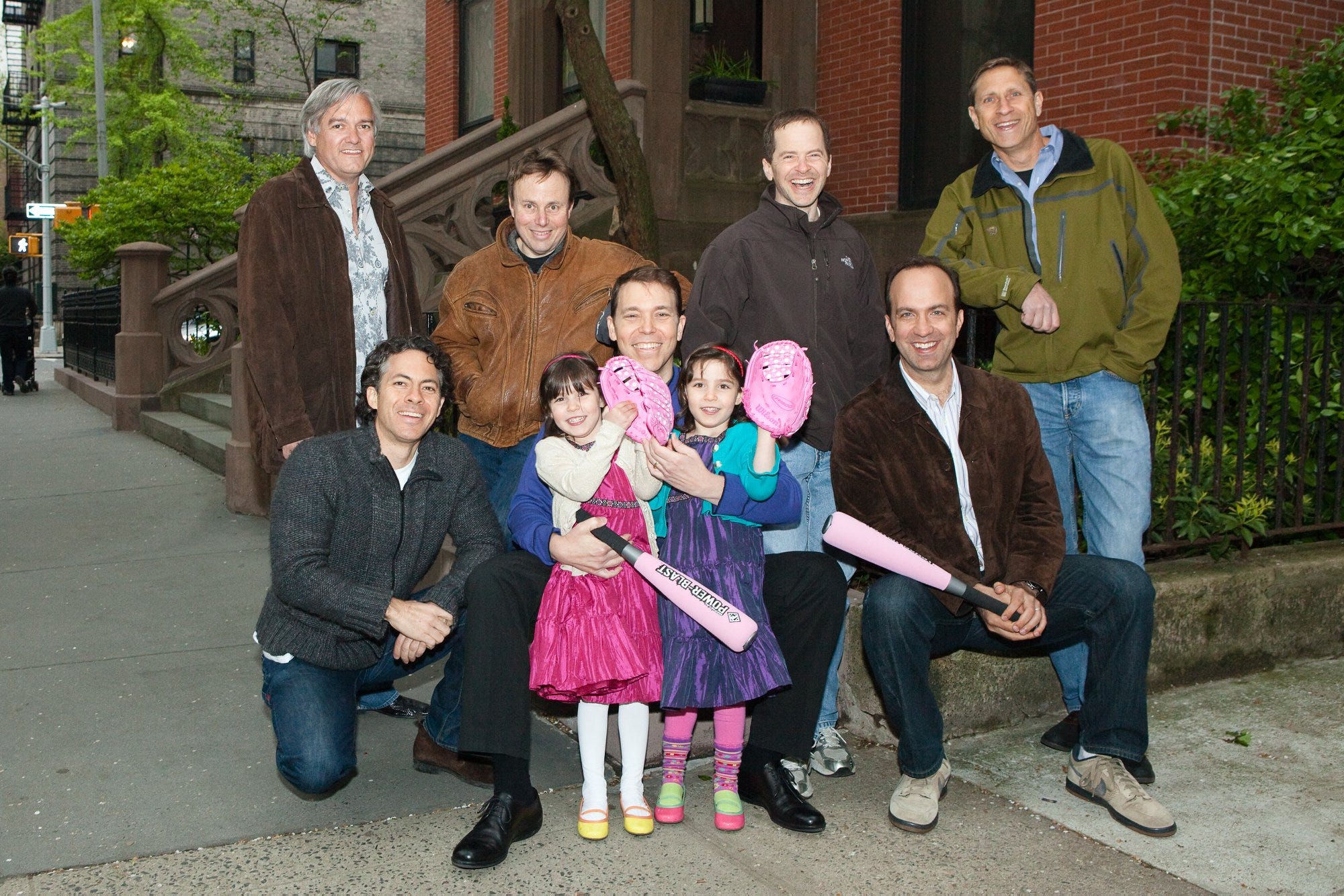
Are you in a life transition? Here’s a unique, meaningful, and fun way to get through it—with science-based solutions and a supportive cohort of friends. Join me; along with America’s beloved guru of midlife, Chip Conley; and the great folks at his Modern Elder Academy for a once-in-a-lifetime retreat at Rising Circle Ranch in Santa Fe this fall. From September 13-17, I’m leading my first-ever, in-person course, “Making Life’s Big Moments Matter.” Spots are strictly limited and you can save 10% if you order by July 15. I hope to see you there!
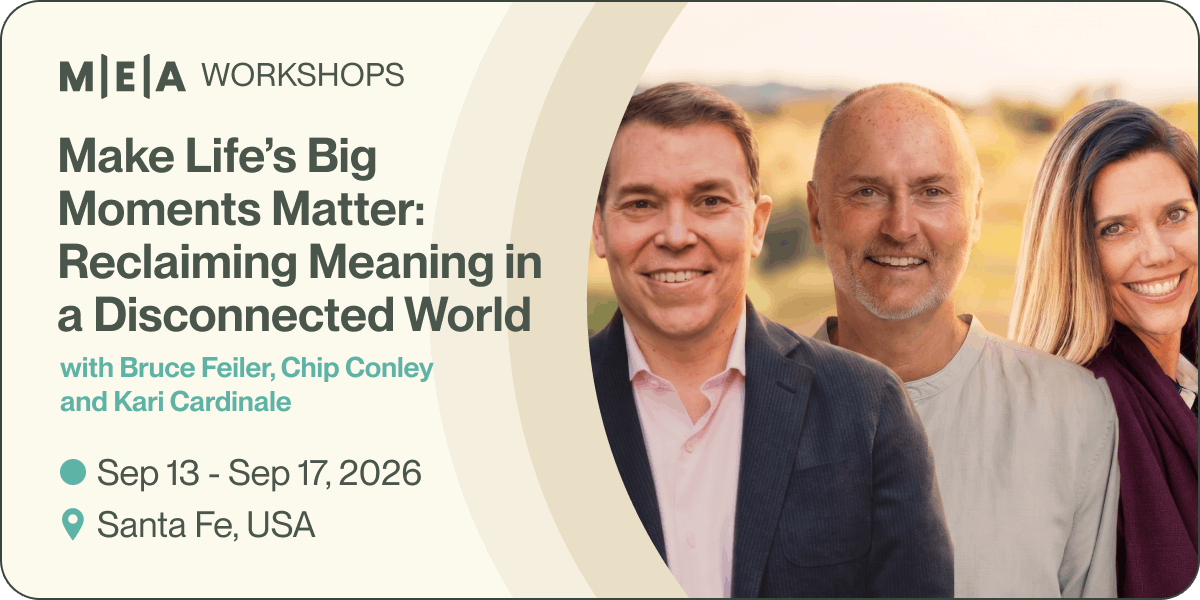
Today is the anniversary that no one remembers that is the one I’ll never forget. Eighteen years ago, in the worst week of my life, I had one of the best ideas of my life.
I had just learned that I had a seven-inch cancerous tumor in my left femur. As a newly married, 43-year-old father, I was overcome with fear about my three-year-old twin daughters, Tybee and Eden, and what life might be like for them. Would they wonder who I was? Would they wonder what I thought? Would they yearn for my approval, my love, my voice?
Three days later, I awoke with an idea of how I might give them my voice. I would reach out to six men from all parts of my life and ask them to be present in the lives of my daughters. And I would call this group “The Council of Dads.”
My original instinct was not to tell my wife. Linda is naturally an upbeat person. As one of original members of the Council said, her outlook on life ranges from thumbs-up to thumbs-sideways. But I couldn’t resist.
She loved the idea, but promptly began rejecting my nominees. “I love him,” she said, “but I wouldn’t ask him for advice!” Starting a Council of Dads proved to be a very efficient way of finding out that my wife really thought of my friends!
Over the next year, as I endured sixteen rounds of chemotherapy and a seventeen-hour surgery to rebuild my left leg, I held a series of emotional sessions with my oldest friend, my college roommate, my business partner, my closest confidante, etc., in which I invited them to be in the Council. Linda joked that I “friend-married” each one.
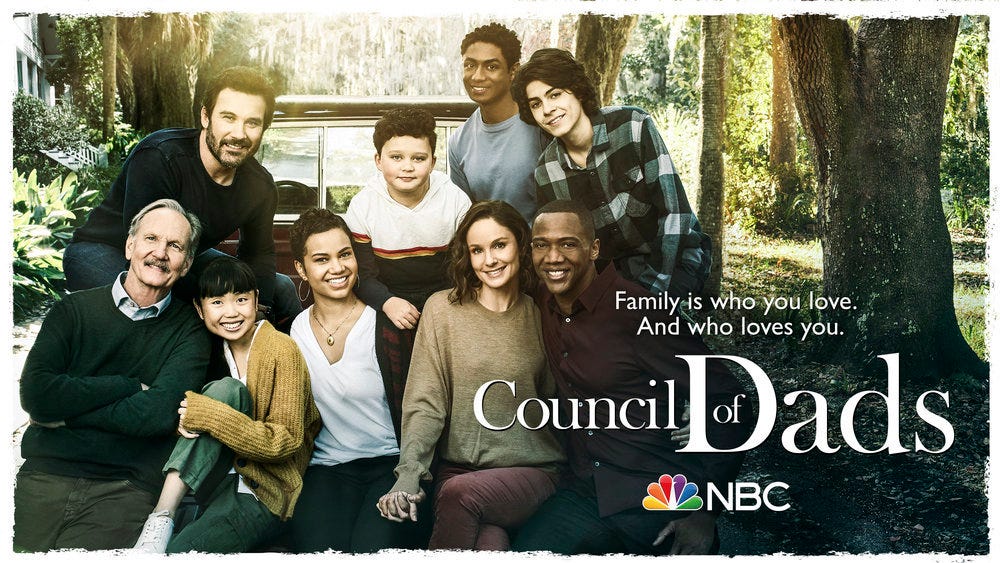
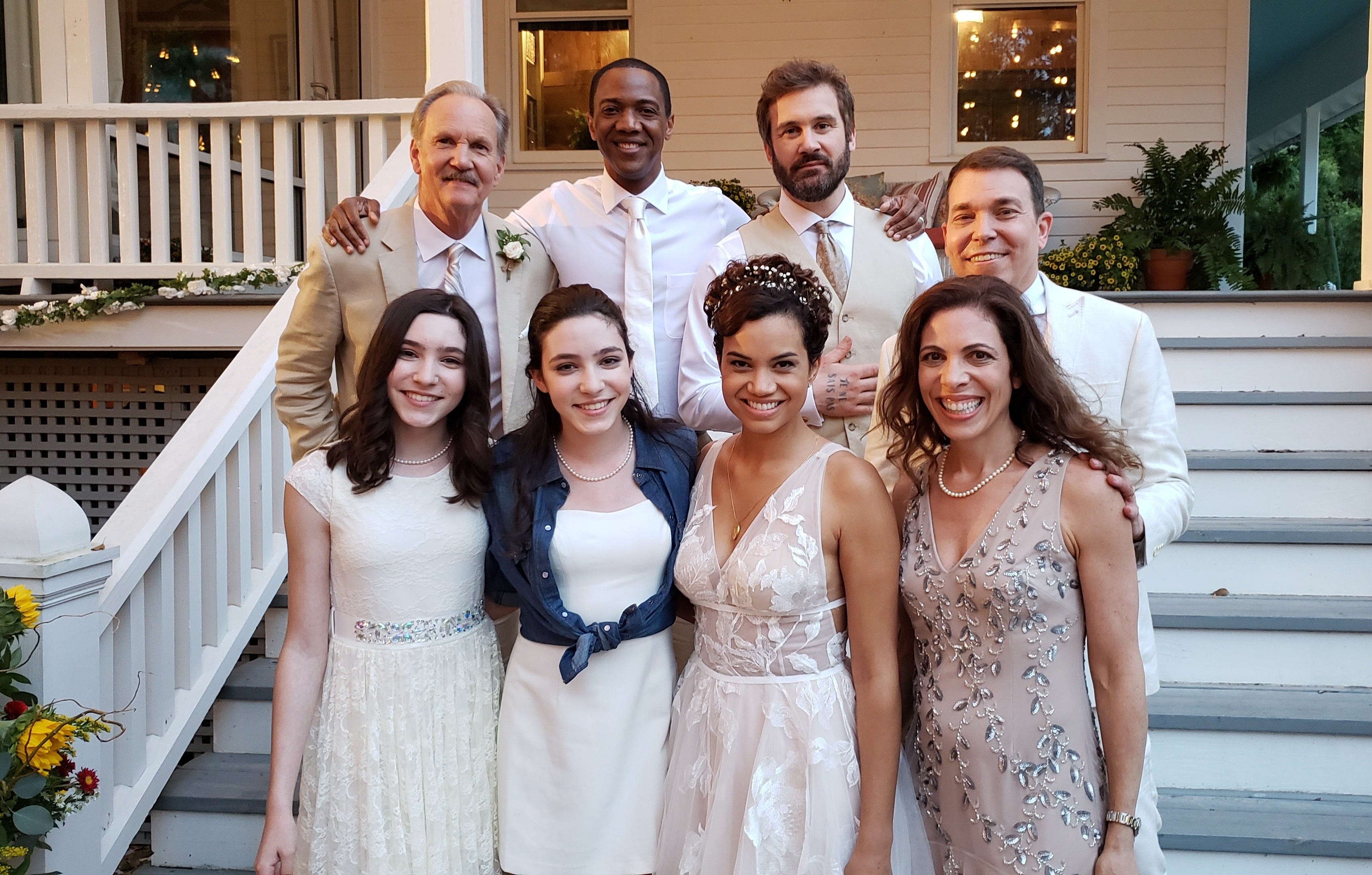
At the end that year, I sat down and wrote a book about my experience and the life lessons I wanted each of the dads to convey to my girls—how to live, how to travel, how to think, how to dream. The Council of Dads was published in 2010, accompanied by a CNN documentary hosted by Dr. Sanjay Gupta. Ten years later, NBC debuted a prime-time series based on the book.
[Finding the series online can be challenging but is not impossible!. You can watch the amazing pilot episode here, featuring Tybee and Eden dancing in the final scene. YouTube seems to sell it.]
So all these years later, what did I learn from this experience about how to respond to a crisis?
1. Crises are a passport to intimacy.
Among other things, crises are narrative events. Our life stories get upended by dramatic and unsettling changes. We need help to work through those changes. As I often said when I was sick, cancer is a passport to intimacy. It is an invitation, maybe even a mandate, to enter the most vital arenas of human life, the most sensitive and the most frightening, the ones we never want to go to—but when we do, we feel incredibly transformed.
That’s why other people are so critical to crisis—and not just family, but friends, too. A hallmark of contemporary life is that family has become central not just for women but for men, too. For the bulk of busy parents today, we have our work, we have our children, but our friends keep getting pushed aside. The result is a crisis of friendship. Creating a Council of Dads proved to be a powerful way to invite our friends into the heart of what’s most important in our lives, and to give them a role in the process.
2. Take a walk with a turtle.
Another undeniable reality of a life crisis is that it forces you to upend your preexisting routines. That interruption, while often terrifying, also creates a moment for reexamination. I think of it as a pause.
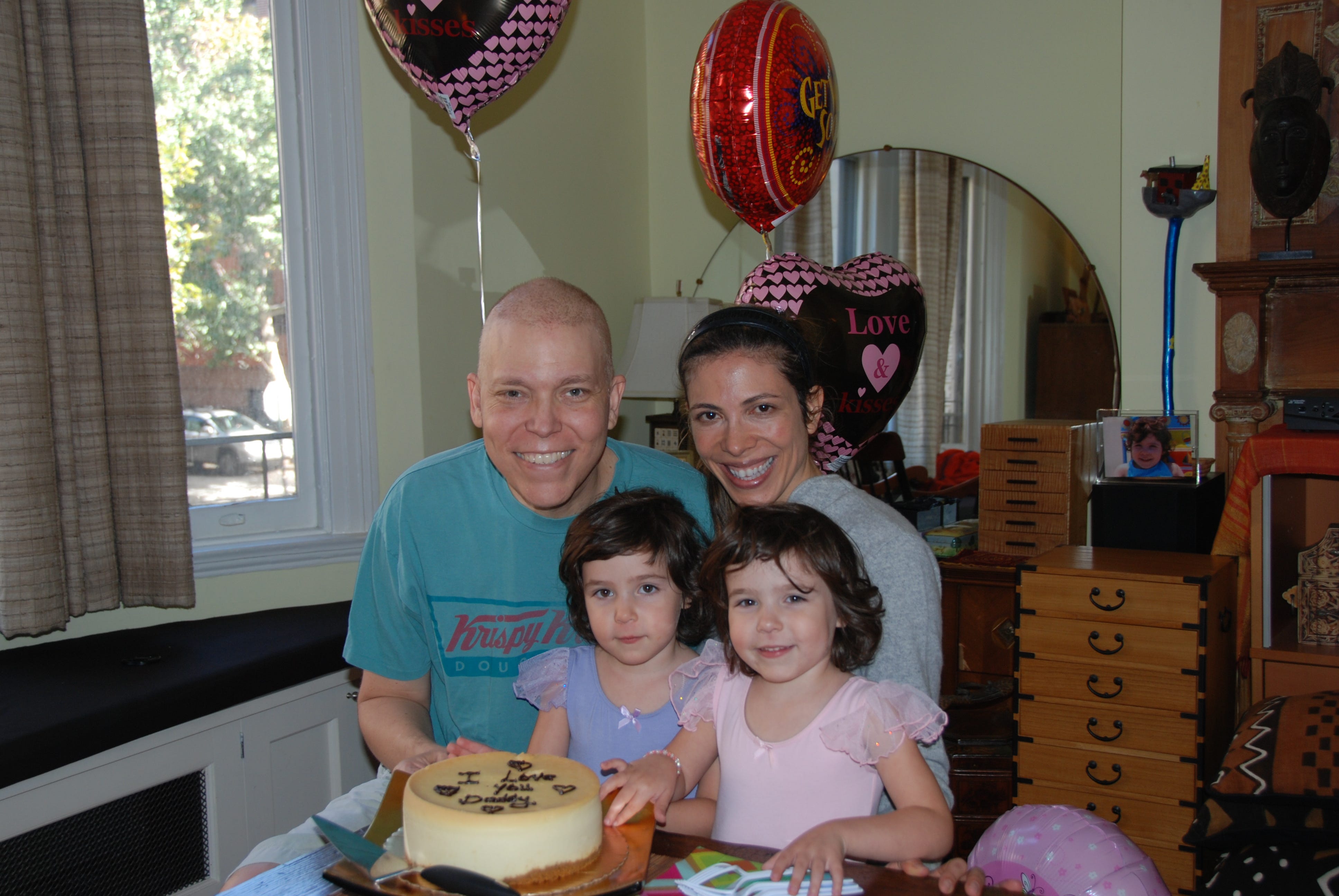
In my case, my pause was extensive. I was on crutches for a year and a half. One day, near the end of that span, I said to my girls that we should walk across the Brooklyn Bridge, which is not far from our home.
The simplest consequence of walking on crutches is that you walk slower. Go fast, you arrive at your destination but you get there alone. Go slow, you arrive with the community you encountered along the way. At the risk of admission: I was never nicer than when I was on crutches.
In the 1840’s, a new type of pedestrian appeared in Paris. He was called a flâneur, one who ambles the arcades. It was the fashion among flâneurs to take a turtle for a walk, and let the reptile set the pace. I love this ode to slow-moving, and it became one lasting lesson of getting sick.
Take a walk with a turtle. Behold the world in pause.
3. “I want you to live.”
On the one-year anniversary of my diagnosis, I went to see my surgeon, Dr. John Healey. Like me, Dr. Healey was a childhood juggler. Unlike me, went on to become the country’s top orthopedic surgeon, and, at the time I met him, the president of the International Society of Limb Salvage, the least euphemistic name I ever heard.
In December 2008, he did just that for me. He performed a remarkable surgery in which removed my left femur and replaced it with titanium, relocated my fibula from left calf to my left thigh, and removed half my left quadricep.
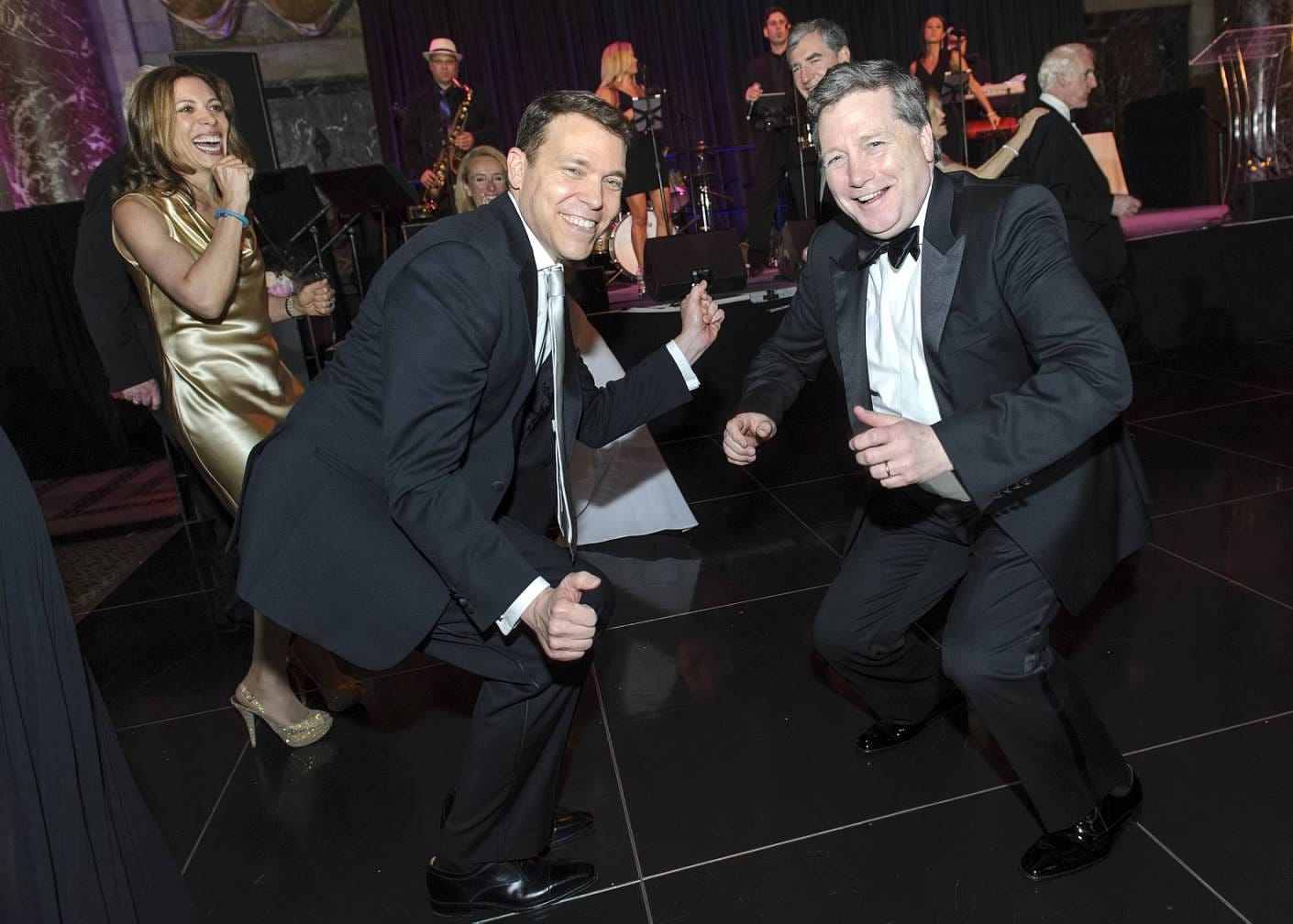
As you can tell in the above photo, in which I was dancing on that reconstructed left leg, Dr. Healey is a colorful man, who wore striped bow ties and auditioned for the circus when he was in college. I asked him what he would say to my daughters if they ever came to him and asked what they should learn from their daddy’s story?
He paused for a long time, then said, “I would tell them: Everybody dies. But not everybody lives. I want you to live.”
It’s the best single piece of advice I’ve ever heard.
Don’t go it alone.
Don’t go too fast.
Don’t forget to live.
Sounds like exactly the kind of words we all need to remember in the midst of a period of unimaginable change.
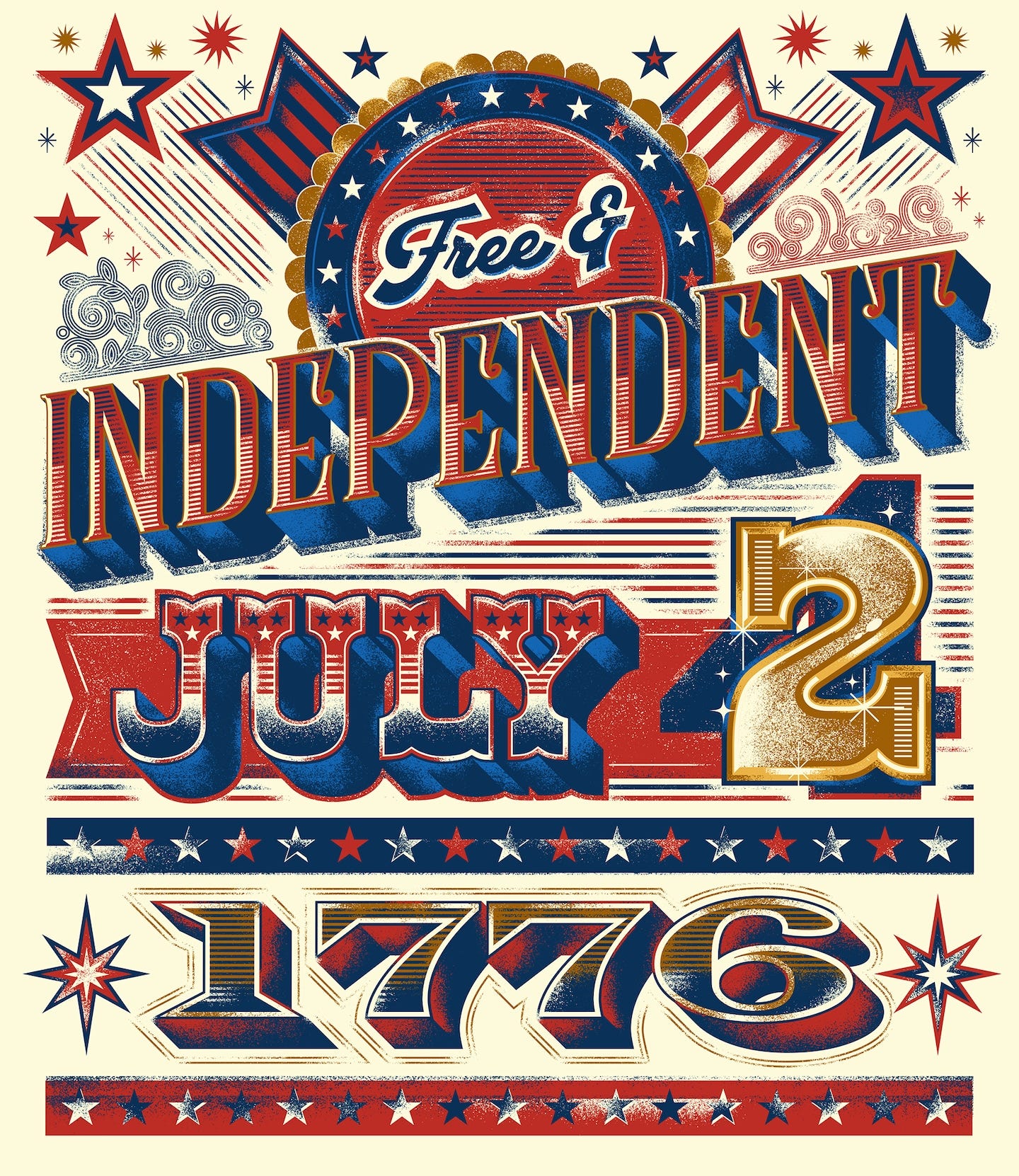
Happy holiday, everybody. Happy Birthday, USA. And I’m happy to be in the nonexistent minority—along with John Adams!—who believes that since July 2 was the day the Continental Congress formally severed ties with Britain, it should really be the day we celebrate our independence!
🌞
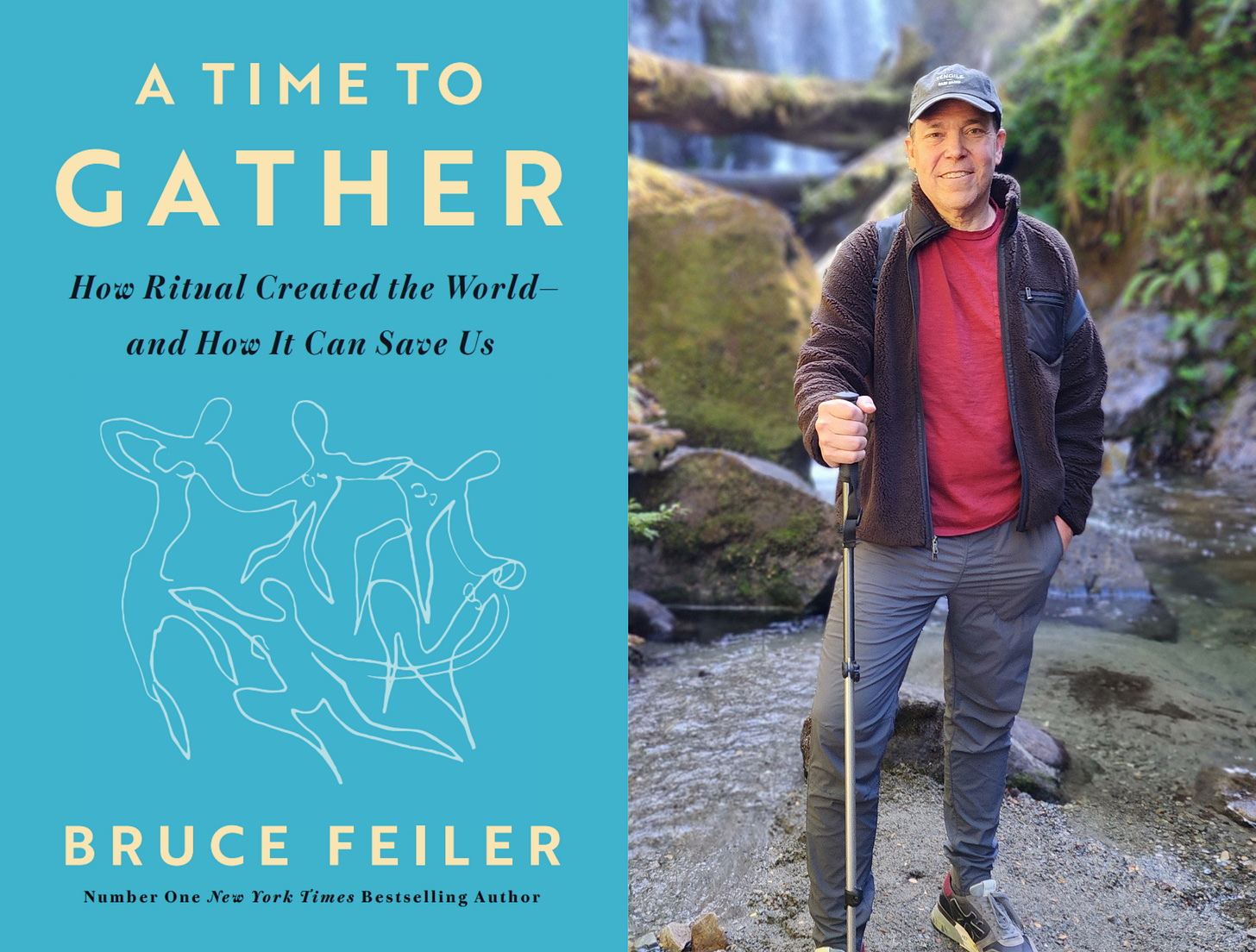
Thank you for reading The Nonlinear Life. This is a reader-supported newsletter. You can support my work by ordering a copy of A Time to Gather or any of my other books. Click on the photo below to learn more.
Meanwhile, help us grow our community by subscribing, sharing, and commenting below. And you might enjoy reading these posts:
My CBS Mornings Interview about A TIME TO GATHER!
Pope Leo Calls for Human Gatherings to Counter AI
How Rituals Can Save Your Family — and the First Review of A TIME TO GATHER!
The Stories That Bind Us: My Most Popular Piece Ever
A Sudden Loss, A Missed Goodbye, A Lesson on How to Gather in Crisis
Or, you can contact me directly.
Comments
Nothing yet. Say the first thing.
Sign in to join the conversation.