
This spring, I shared how wonderful it was for Pope Leo XIV to issue a blurb for my book A Time to Gather. The endorsement took the form of a 42,000-word encyclical letter warning that artificial intelligence “threatens to normalize an anti-human vision” and calling on humanity to counter Big Tech with a return to everyday rituals like shared meals, community gatherings, and time spent with the lonely.
Well, this week, Mick Jagger offered a similar endorsement for my book Life Is in the Transitions. In his case, the endorsement came in the form of a 5,300-word interview in the New York Times in which he talked about, to quote his rivals The Beatles, the long and winding road of his life—especially his sex life.
Let’s take a step back and talk about what I mean by the nonlinear life. Here’s how I describe it Life Is in the Transitions:
The idea that life follows a series of carefully calibrated progressions—childhood to young adulthood to middle age to old age, dating to marriage to children to empty nest, low-level job to mid-level job to senior-level job to retirement—seems preposterously outdated. Instead of passing through a series of preordained life stages interrupted by periodic crises on birthdays that end in zero, we experience life as a complex swirl of celebrations, setbacks, triumphs, and rebirths across the full span of our years.
What’s more, Gen Xers feel this way more than boomers, and millennials even more than Xers. The once routine expectation that people will have one job, one relationship, one faith, one home, one body, one sexuality, one identity from adolescence to assisted living is deader than it’s ever been. This change is what it means to live a nonlinear life, and it has profound consequences for decisions we all make every day.
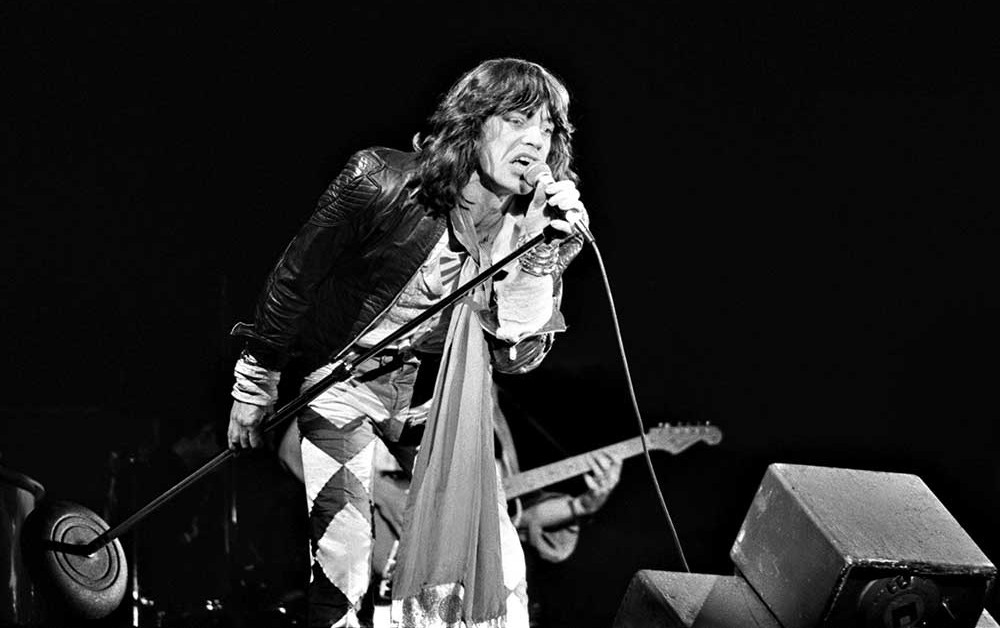
Mick Jagger, it turns out, agrees. The 83-year-old man-boy sat down recently for one of those deep-dive, multi-part interviews that the Times is killing it with these days. The interviewer was David Marchese, who describes himself as a Rolling Stones superfan, who’s studied each of the band’s 25 albums, seen them perform live multiple times, and read every interview he could get his hands on.
“But despite my abiding fandom, one element of the band always remained a mystery to me: What is Mick Jagger really like?”
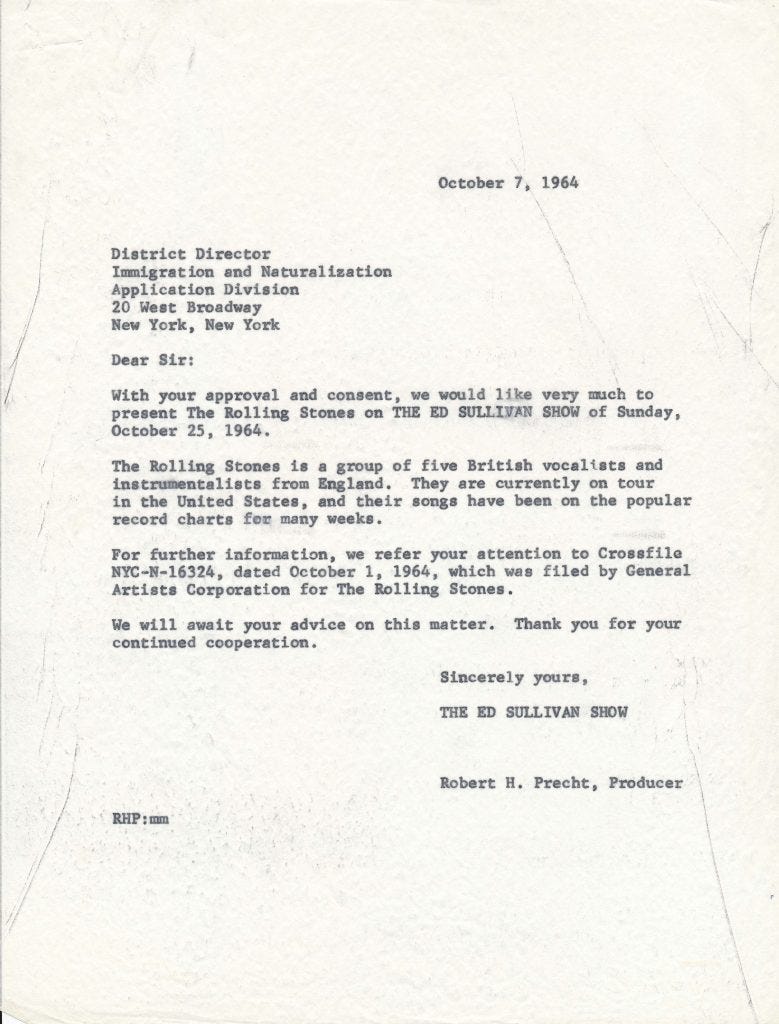
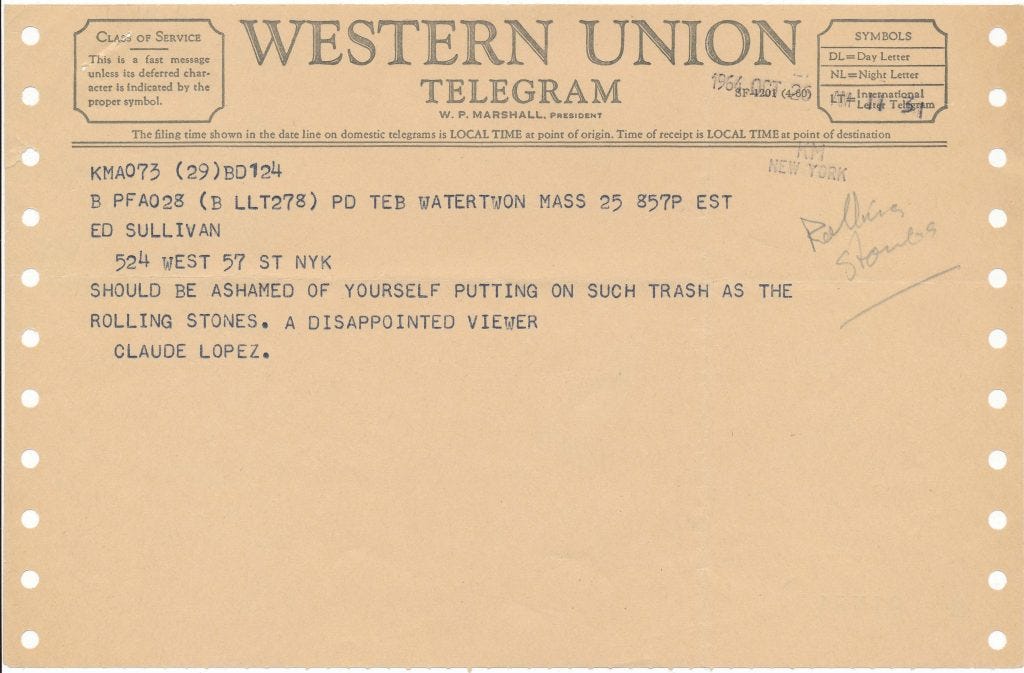
While I’m not a superfan, my life has, in many ways, has mirrored the band’s. The Rolling Stone made their explosive American television debut on the Ed Sullivan Show on October 25, 1964. Not only is that day my actual birthday, but their appearance was just minutes after my actual birth. It’s not hard to imagine that they were voices were singing on multiple television sets in the hospital where I heard my first sounds.
Thanks for reading The Nonlinear Life! This post is public so feel free to share it.
That star-making appearance was arranged by their manager, who had previously been the publicist for The Beatles when they appeared on the show the previous February. In the Stones’ first song, following Stiller and Meara, the shaggy band members played Chuck Berry’s blues classic, “Around & Around.” Here’s what happened next, according to an Ed Sullivan fan site:
As Ed went on to introduce the next act, the shrieks for The Rolling Stones wouldn’t subside. The host grew impatient and appeared like an angry father as he demanded the audience to “Quiet!” multiple times. The audience eventually complied and then tried to remain on their best behavior as they awaited the Stones return through the acts of The Kim Sisters and the acrobatic Berosini family.
The Rolling Stones were back to close the evening’s show with their hit, “Time Is on My Side.” The boys ran right to their spots on stage and rumbled through the hit song as Mick knowingly drove the audience wild with engaging looks. He seemed to be coming of age in front of the audience’s eyes, fully understanding the power this platform could give him. At the end of the performance, Ed made the mistake of encouraging the audience saying, “Come on, let them hear it!” The young crowd accepted the host’s challenge and ended up screaming so loud that Ed’s short conversation with Mick Jagger was completely inaudible.
Marchese asks Jagger at the start of their interview about what it’s like to be that famous for 60 years. Right away, the Dartford, England-native brings up the topic of nonlinearity. His persona, his fame, his attitude toward life is not a straight line, he says.
“Of course I’m not really like my stage persona,” Jagger says. “Jimmy Fallon thinks he’s doing me, but it’s such an exaggerated version of me. This overbearing, shouting, ego-tripping person — you’re not really like that. But when you’re in your late 20s and early 30s, you can be like that all the time.”
But how do you switch off that persona, Marchese presses:
I think it comes with age. You’ve heard all these stories about method actors. They take it to the absolute extreme, so they’re like the character all the time, and then after the movie’s over, they’re still in character. It takes a long time to slough off the character. So which character do you go back to? Is he always going to carry some of that character in his “true” character, whatever that is? This is the show business dichotomy and it’s something you learn to live with, and you always hope that you’re a so-called normal person underneath.
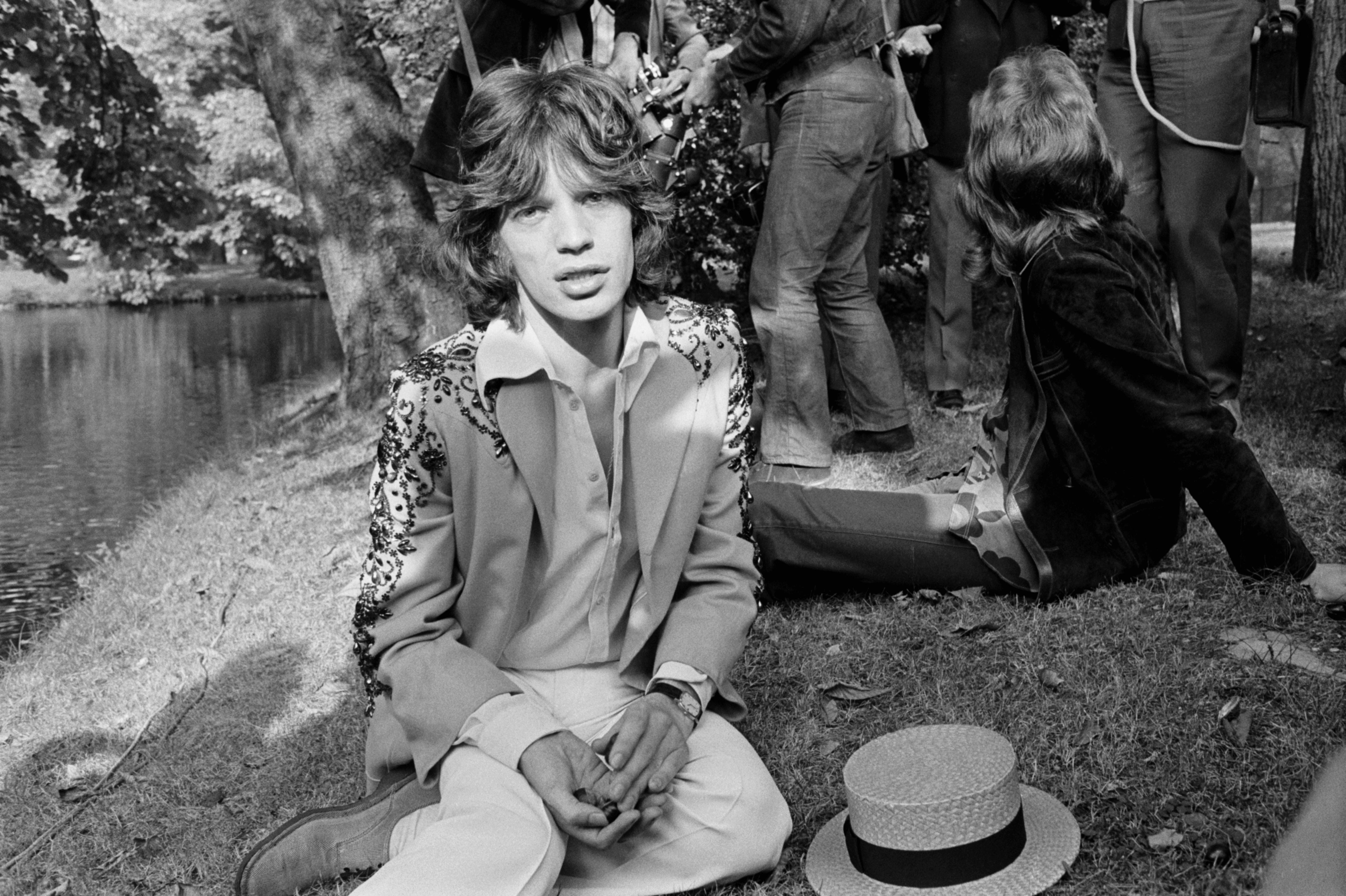
Another way that Jagger suggests he’s changed over time is in his willingness be more intentional about finding meaning in his work. I’ve found this idea a common theme in over the years in my interviews with people looking back on their life stories. A lot of us recognize that no one else can identify what we find meaningful at any given time; we must make that decisions ourselves.
Order LIFE IS IN THE TRANSITIONS
When Marchese Jagger “what meaning” his job has for him, Jaggers says he’s “thought a lot about” this question.
At the beginning of my career, I didn’t think about it at all. I was just learning how to do it. What’s the next number and is the band going to play it right? Am I going to remember the words? Just getting the basics down. But what you’re saying is, when I get out there, what does it all mean? It’s a lot of joy for me. It’s a huge adrenaline buzz, which must be the same as for a sport, except I don’t have anyone coming at me. Your job is to control that adrenaline buzz, and while you’re doing that, you’re evaluating the audience. How are they feeling? Is it cold? Is it raining? Have they waited too long? Have they had a hard time getting in?
Still, by far the clearest expression of how even Mick Jagger experiences life as series of unexpected ups and downs comes when he talks about sex. Jagger has had more than his fair share, of course. His biographer reports that he slept with at least 400 women (and many men); People Magazine ran a comprehensive list of his lovers that requires quite a lot of scrolling to get through.
Jagger, however, views the story differently. Here’s the eye-opening passage:
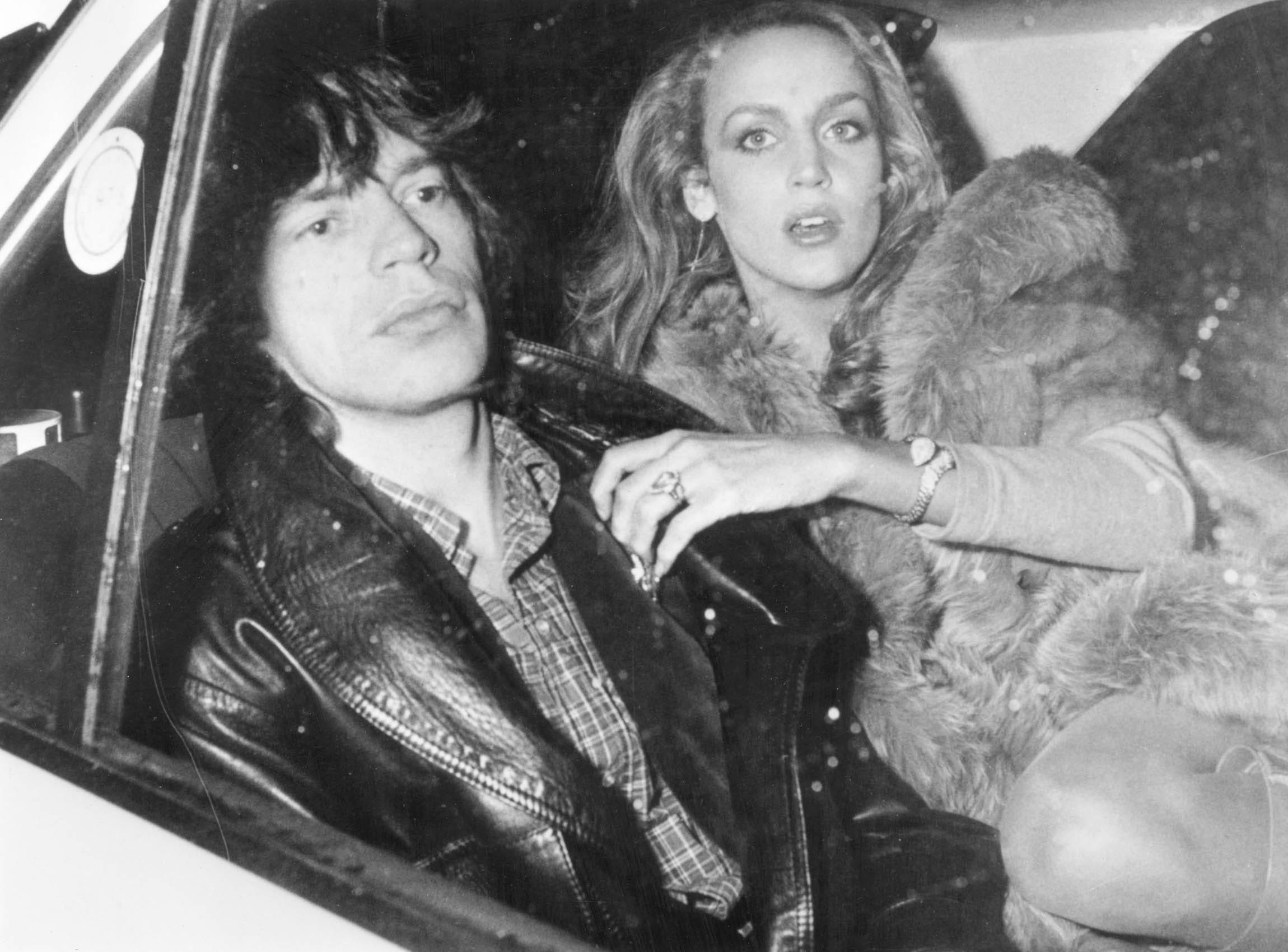
I have another philosophical question. This one is about sex. You’ve publicly been identified with sex for a long time. You write songs that are heavily sexual. You’re an avatar of sexiness. You have a reputation as a libertine. How has your thinking about sex changed over time? Because it changes for everyone, so how has it changed for you?
It’s a very good question. People always say that when they’re thinking, What the [expletive] am I going to say? If we sat down and we weren’t recording this and we weren’t doing an interview, we could talk. You’d tell me how it worked for you. We could compare experiences.
Could we?
Yeah, probably, because that’s how you get insights. The only thing I will say is that throughout your life, your attitude to sex changes and your sexual tastes change. Sex is not a fixed point. Obviously, everybody’s different. This is not my area of expertise. We’re into areas of human psychology, sexual drive, pop psychology, but my observation is that your attitudes to sex are different in different parts of your life. Your sexual orientation may change. It may change completely, or avenues might open up to you that you hadn’t realized, or you might close avenues that have opened up because you don’t like them. It’s like other tastes, like taste in art. When you’re very young, you might like these kinds of pictures. Then when you’re a bit older, you might change your taste. But why has your taste changed? Is it because of knowledge? Is it because you’re bored with it? Or is it a combination of all these things? It’s like when we’re teenagers — we like rock music, but other, more snobbish people say: “You should listen to jazz. It’s more intellectual.” But do I really like that, or do I like Chuck Berry? You know what I mean? I used to go and see the Modern Jazz Quartet in concert. Everyone’s sitting down, very seriously listening to it. No one was standing up.
I asked you about sex and we ended up at the Modern Jazz Quartet.
[Laughs] How did I get out of that question?
Well, you didn’t get out of it, after all.
For years, when talking about the nonlinear life, I’ve made one point over and over again: Even if large parts of your life are linear—you’ve had one relationship, one religion, or one home, for example—some parts of your life are assuredly nonlinear. Jagger here makes the case even better than I can.
Though he’s famously has had ONE job for his entire life—and just as famously NOT had one relationship—here he states for all the world to see that he hasn’t had one sex drive, one sexual orientation, or even one inclination for sex at all.
And maybe we shouldn’t be surprise in his early 80s that he’s capturing the nonlinear life better than the rest of us. After all, the already he did so in his mid-20s, when he wrote what is still the anthem for embracing life’s changes wherever they lead:
You you can’t always get what you want
But if you try sometime you’ll find
You get what you need
🌞
Thank you for reading The Nonlinear Life. If you enjoyed this article, please consider liking, sharing, or subscribing. Also, please Join me this September for a once-in-a-lifetime, four-day retreat in beautiful Santa Fe bringing together all of my work over the last decade. Click here for more details—or on the image below.

This is a reader-supported newsletter. You can support my work by ordering a copy of A Time to Gather or any of my other books. Click on the photo below to learn more.

Meanwhile, help us grow our community by subscribing, sharing, and commenting below. And you might enjoy reading these posts:
The Council of Dads Turns 18 Today: 3 Things I've Learned
My CBS Mornings Interview about A TIME TO GATHER!
Pope Leo Calls for Human Gatherings to Counter AI
How Rituals Can Save Your Family — and the First Review of A TIME TO GATHER!
The Stories That Bind Us: My Most Popular Piece Ever
Or, you can contact me directly.
Comments
Nothing yet. Say the first thing.
Sign in to join the conversation.