
Welcome to the Brown History Newsletter. If you’re enjoying this labor of love, please do consider becoming a paid subscriber. Your contribution would help pay the writers and illustrators and support this weekly publication.
If you like to submit a writing piece, please send me a pitch by email at brownhistory1947@gmail.com.
Don’t forget to check out our SHOP and our Podcast.
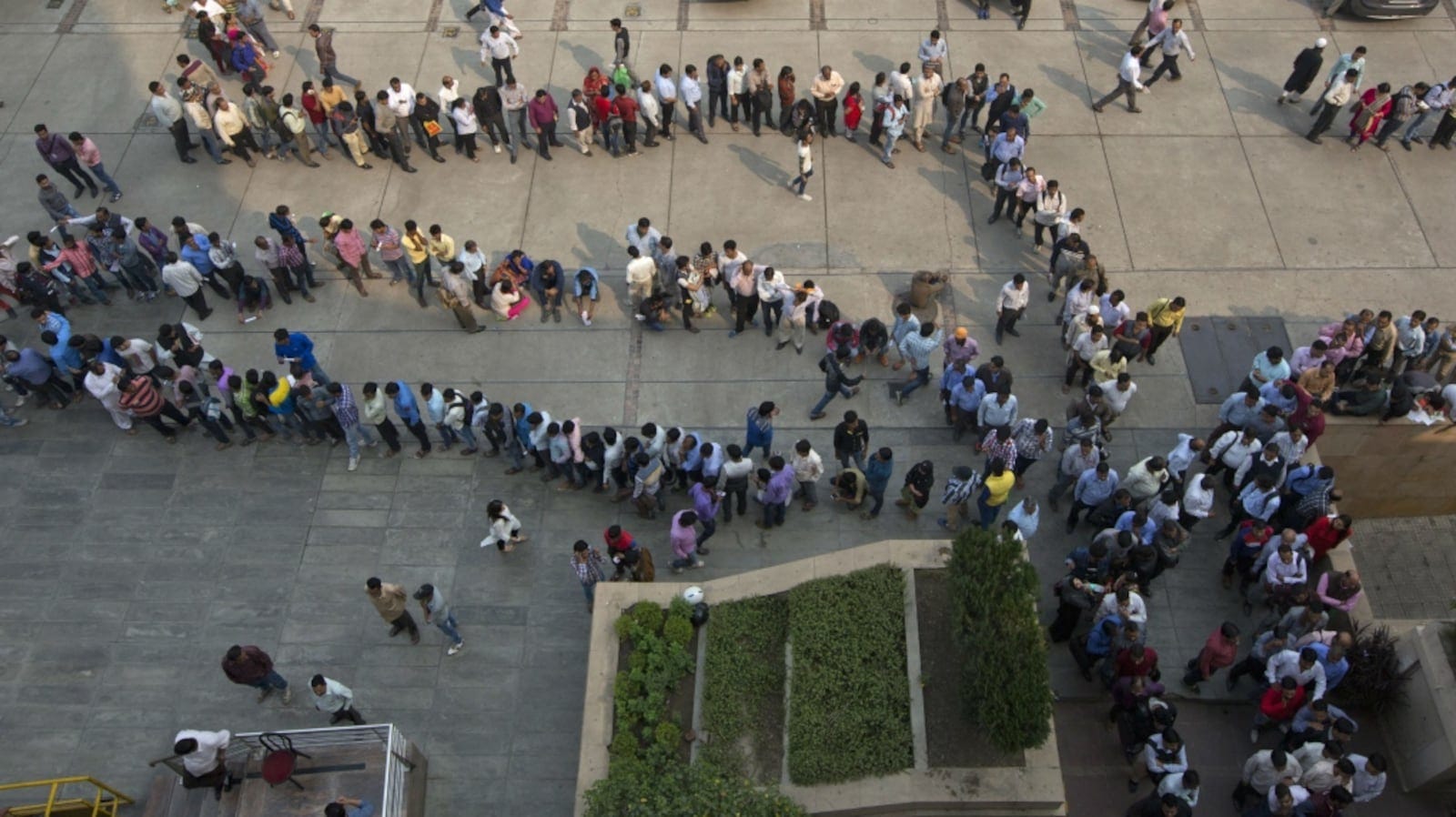
It begins before the doors even open.
Outside a passport office, people clutch transparent folders swollen with photocopies and identity documents. At a government hospital, patients who arrived before sunrise quietly watch the queue lengthen behind them. A student refreshes a university admissions portal for the hundredth time. A family waits years for a court hearing. An elderly woman sits outside a ration shop, hoping today’s stock will last until her turn. Across South Asia, waiting is so deeply woven into everyday life that it rarely invites curiosity. We complain about delays, overcrowding, or inefficiency, but almost never ask a more fundamental question: how did waiting become such a familiar way of encountering the state?
Comments
Nothing yet. Say the first thing.
Sign in to join the conversation.