
Welcome to the Brown History Newsletter. If you’re enjoying this labor of love, please do consider becoming a paid subscriber. Your contribution would help pay the writers and illustrators and support this weekly publication.
If you like to submit a writing piece, please send me a pitch by email at brownhistory1947@gmail.com.
Don’t forget to check out our SHOP and our Podcast.
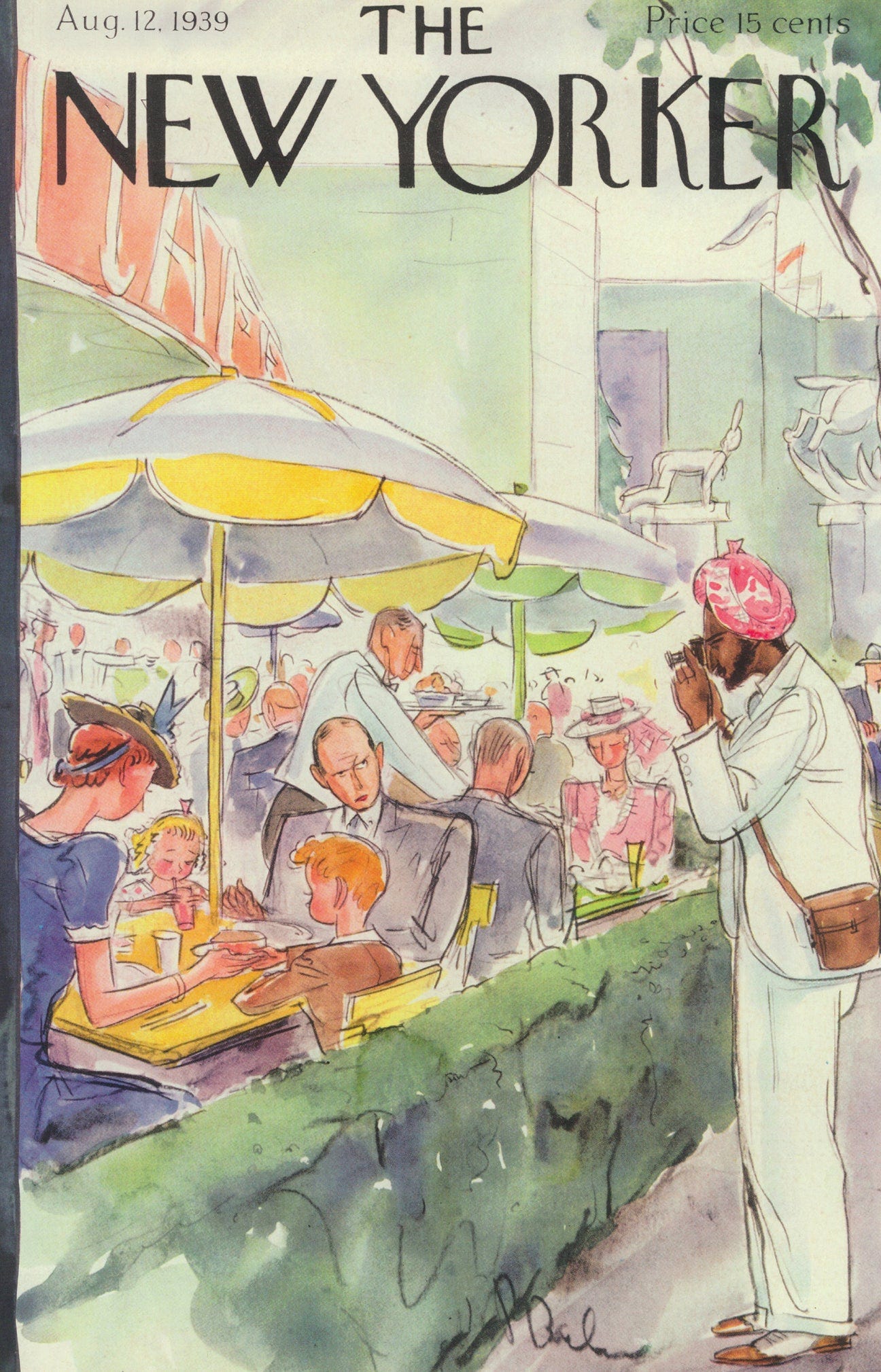
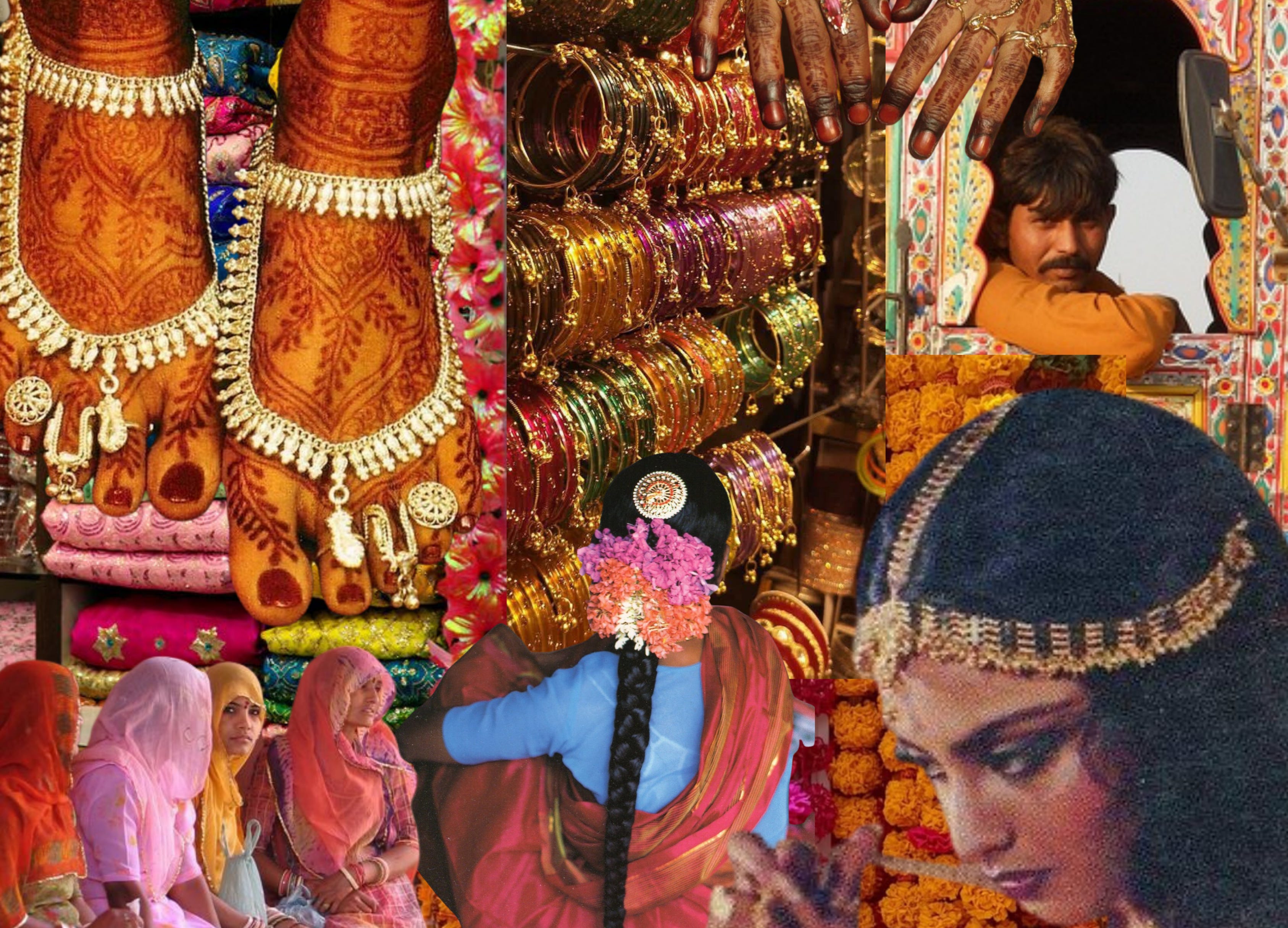
Quiet luxury, capsule wardrobes, beige babies, clean girl aesthetic, and emphatically bland celebrity mansions. We have seen these trends float to the top of our social media algorithms, dominating Western palettes and informing the collective understanding of what it means to have ‘good taste’. But following this mandate of minimalism is not just a matter of personal preference or individual choice. Wearing the two thousand-dollar neutral-toned Loro Piana cardigan or decorating a multi-million dollar mansion to look like an endless white void is a means of signaling. These aesthetic decisions are a coded visual language to signal sophistication, superiority, and class, attributes that rely on an out-group or an ‘other’ to maintain any meaning. While these social media trends may seem like the styles of today, destined to cycle in and out and in again, the reality is that these terms are the modern repackaging of ideas that have been circulating since the very beginnings of Western political thought. Yes, stay with me, there is a through line between the modern-day clean girl and Aristotle. For the West to successfully construct a singular identity around taste, one that elevates minimalism to a gold (or in this case beige) standard, the maximalist sensibilities of the East have to be systematically devalued.
The Western minimalist world order can only dominate public and private spheres if cultures, such as those of the Subcontinent, with a natural affinity for vibrance, excess and color, are degraded, creating a hierarchy of tastes. In his book Chromophobia, David Batchelor poses the questions: ‘If color is unimportant … Why is it so important to exclude it so forcefully? If color doesn’t matter, why does its abolition matter so much?’. As I step into the bleached, sterile insides of an Apple store or any of the countless ostentatiously vacant lobbies in New York City’s high-rises, I find myself asking similar questions. Through these queries, Batchelor sets up the thesis of his book: that color has been subjected to extreme prejudice in the West in one of two ways. It is either tied to a ‘foreign’ body’– deemed ‘savage’, ‘oriental’ and ‘primitive’–or dismissed as superficial, viewed as ‘supplementary’, ‘inessential’ and ‘cosmetic.’ In the case of South Asia, it is viewed as both: alien, and therefore sinister, as well as insignificant, and therefore unworthy.
Comments
Nothing yet. Say the first thing.
Sign in to join the conversation.