
Welcome to the Brown History Newsletter. If you’re enjoying this labor of love, please do consider becoming a paid subscriber. Your contribution would help pay the writers and illustrators and support this weekly publication.
If you like to submit a writing piece, please send me a pitch by email at brownhistory1947@gmail.com.
Don’t forget to check out our SHOP and our Podcast.
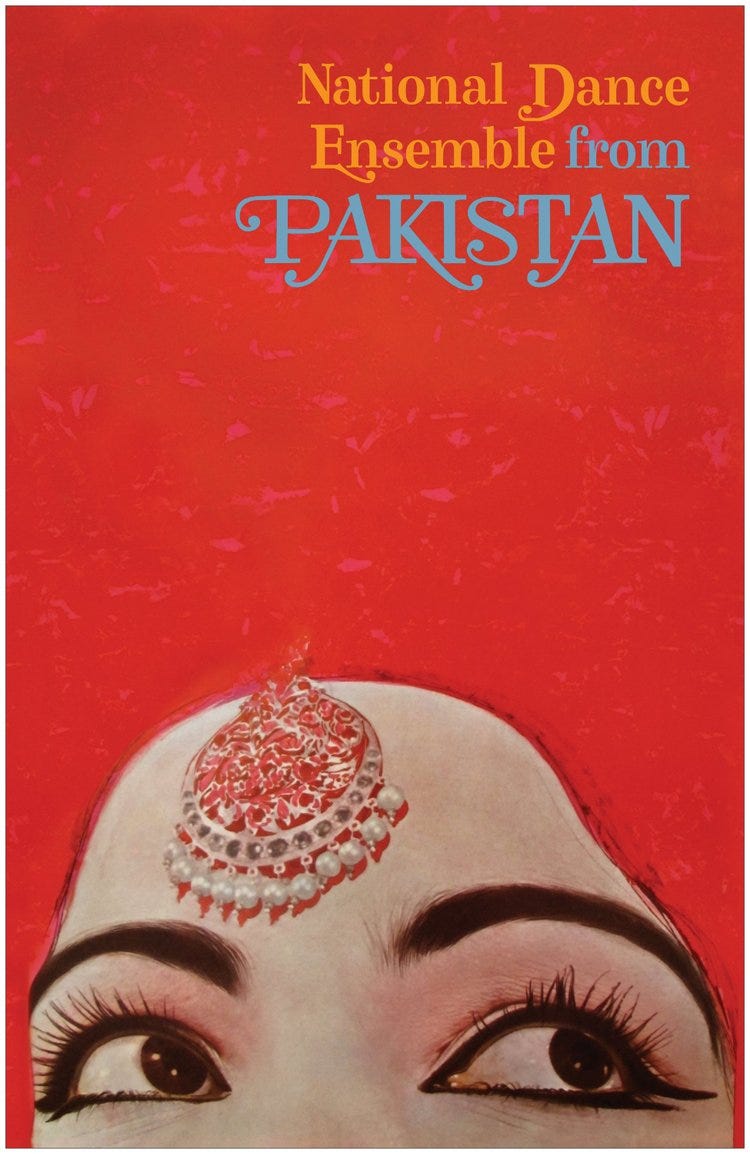
Sara Suleri’s memoir is celebrated as one of Pakistan’s defining literary works, yet hidden within its pages is a forgotten story of Wales and the afterlives of empire.
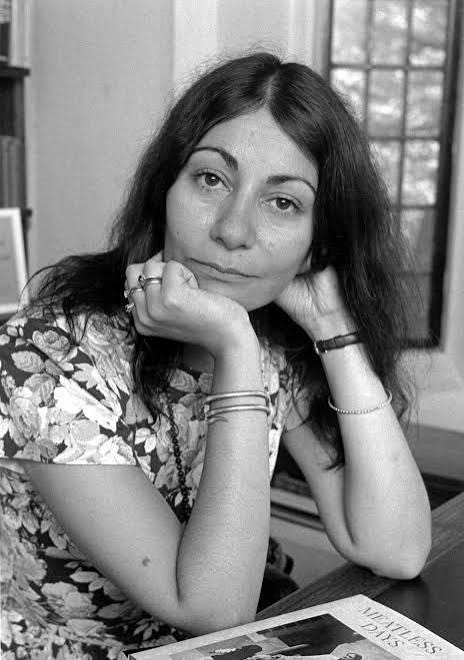
“Leaving Pakistan” Sara Suleri writes “was, of course, tantamount to giving up the company of women”. This is the arresting first line of ‘Meatless Days’, a seminal English language memoir from Sara Suleri, a Pakistani writer and former Professor of Women’s Literature in Yale. ‘Meatless Days’ has become a postcolonial classic, and widely taught within the South Asian subcontinent. Henry Louis Gates Jr called her “a Proust in Pakistan” in the Voice Literary Supplement, a quote that has haunted Meatless Days since its publication in 1989.
Comments
Nothing yet. Say the first thing.
Sign in to join the conversation.