
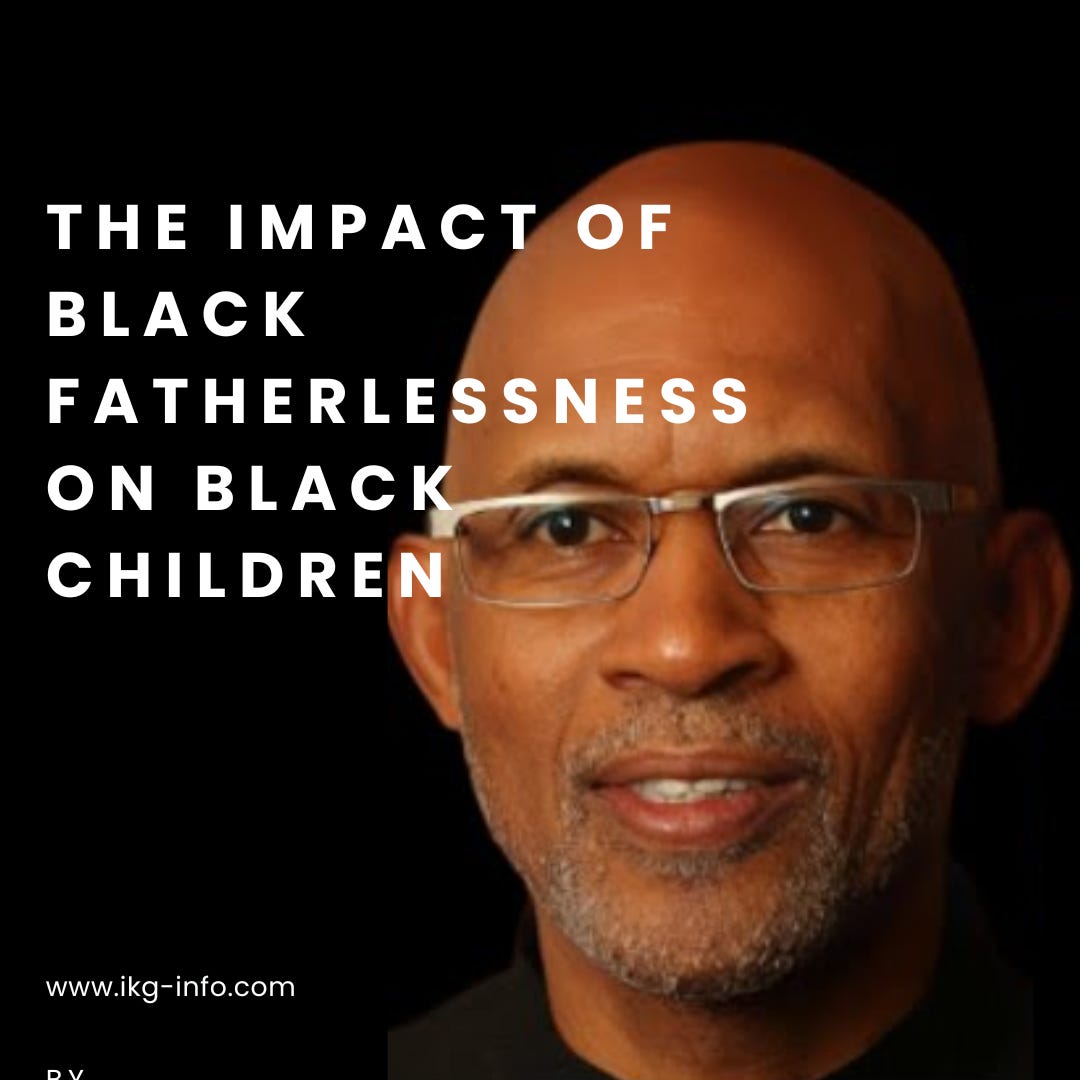
I was six months into my marriage when I knew I’d made a mistake.
It was 1980. I was 30 years old and didn’t have the courage to admit that I had made a mistake. Perhaps because I was ashamed of disappointing my family or afraid of what my community would think. So, I stuck it out and hoped that things would get better. But things got worse and the relationship grew more complicated.
Things really got complicated when my wife became pregnant. Then I couldn’t leave. I convinced myself that having a baby and creating a family would make our relationship stronger. The baby came (my wonderful daughter Atlantis) but things continued to worsen and I had to make a decision – stay and become someone I couldn’t live with or leave and save my soul.
I chose to leave. We separated after four years of marriage.
But before I tell you how that story ends, let me tell you how it began, some 35 years earlier.
Why Did My Father Leave?
My mother was 15 when she was pregnant with me and 16 when I was born. I spent my early childhood in her parents’ house where my grandparents raised both of us, in addition to their other six other children.
I was five when my mom married Harold Browder, and I was 10 when they divorced.
For the next 37 years, my father Harold Browder, was out of my life. I didn’t hear from him on my birthday or any special occasion. In fact, the only time we talked was when I was an adult and reached out to him. His absence in my life left a gaping hole in my heart and impacted me in ways I never fully understood until I was much older.
I was 47 years old when my mother’s two younger sisters told me the “family secret.” They informed me that Harold Browder was not my biological father. They said that my father was a man named Willie Dixon who left Chicago four months after I was born and was never heard from again.
The revelation was shocking, yes. But it lifted a weight off my heart because I finally understood why my “father” disappeared after he and my mom divorced.
I wasn’t his.
For 47 years, I carried the shame of being fatherless and was blaming the wrong man for abandoning me.
Not only did my aunts’ confession soothe my broken heart, but they also brought a smile to my face when they showed me a photograph of my 19-year-old father. Damn if I didn’t look just like him.
Of course, when I confronted my mother about the family secret, she blew me off and said, “I thought you knew.” When I pressed her for more details about my father she broke down and said that he was a heroin addict when he left Chicago and returned home to Florida in 1951.
Growing up on the West Side of Chicago I knew that heroin addicts had a short lifespan so I gave up any hope of ever seeing my real father. Little did I know what fate had in store for me 25 years later.
Meeting My Father at 72
I was 72 years old when I first talked with my biological father. It was Sunday afternoon, April 16th, 2023. While speaking with my father, he told me that he had been a functioning heroin addict for over two decades while he taught music in the local high school. He had gone to prison twice and finally found religion, became a pastor and got married after getting out of prison in 1979.
Then came the shocking news, my dad informed me that I was the eldest of his nine children, two of whom were deceased. My dad had nine children with six different women.
So yeah, my father was a Rolling Stone, but he turned his life around. He was now a respected member of his community. He created a non-profit organization helping “returning citizens’ find affordable housing, and he had written a book about his life.
As I acquainted my father to my livelihood, we discovered that we shared many of the same traits, and I realized that while I spent most of my life looking for my father–he was living in me all along. The most startling revelation that day was that I woke up that morning an only child and went to bed that evening knowing that I had five younger sisters and one brother.
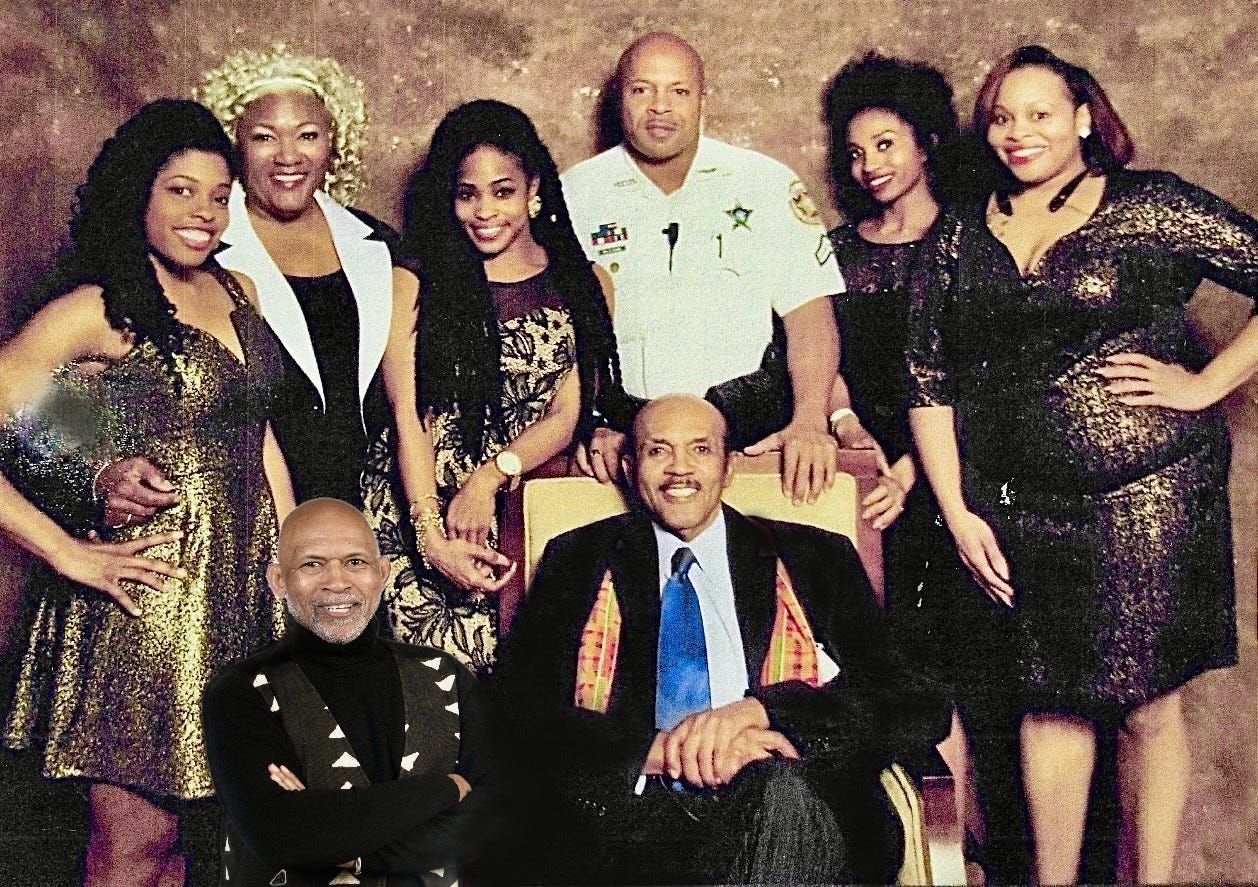
A month later, my daughter Atlantis and I travelled to Tampa, Florida to meet my dad, siblings and extended family. It was a wonderful gathering, we were warmly received, and it truly an unforgettable weekend. My only regret was that my mother wasn’t alive to witness this reunion.
After meeting my biological father, I finally understood the choice I’d made 50 years earlier, when I met a young single mother working herself to exhaustion trying to raise an eight year old son.
Why I Married Her
When I met the woman I would marry, Atlantis’s mother, she was a single parent. She’d had a child when she was 16 years old. I was a supervisor at an art studio, and she was one of the part-time employees.
I admired her dedication to her son. I admired her willingness to work a full-time job and a part-time job so she could take care of her child. And as I’m watching her interaction with her son, I saw myself in that boy.
I saw her in the same place my mother had been, a young parent working tirelessly to provide for herself and her young child.
I now realize that the primary reason I married was because I felt the need to be the father to a child who never knew his dad. In other words, I chose to become the father that I never had.
To be truthful, I admired my wife, but I wasn’t really in love her. I told myself I could grow to love her and I was willing to make an investment in creating the life I wished I had as a child.
That’s how unresolved fatherhood issues played out in my life. I made emotional decisions without understanding what was driving my emotions.
When Reality Set In
About six months into the marriage, I knew I had made a mistake.
The woman I married wasn’t the woman I knew I could live the rest of my life with. Or maybe she was exactly who she’d always been, and I’d just been too busy projecting what I wanted to see. Either way, the relationship was not working out.
I felt trapped. What would my family say if I admitted I made a mistake? How could I walk away?
So, we stayed together and things only got worse.
When my wife told me she was pregnant I knew that I couldn’t leave. I convinced myself that this baby would change everything. I hoped motherhood would change my wife for the better and we could build a meaningful relationship.
My daughter Atlantis was born.
We bought a house in a nice community with good schools, but the marriage continued to deteriorate.
I finally reached the moment where I had to choose between staying in a marriage and lose my soul, or leave, start over again and make sure that I was still in my daughter’s life.
My daughter was two years old when I moved out and I rented a house nearby. I made sure the mortgage was paid at my former residence and I took care of daycare and other expenses and saw my daughter regularly.
When the relationship bottomed out, I filed for divorce and was granted sole custody of my daughter.
I’ve been raising Atlantis as a single parent since she was four years old. November 13th, 2025, marked the 39th anniversary of that decision.
The Son I Couldn’t Save
Getting custody of my daughter meant leaving my ex-wife’s son with her.
Here I was, walking away from the very reason I’d gotten into the marriage in the first place.
I stayed in touch with my son as his home life was deteriorating and when he was 16, I invited him to live with me and his sister. But I also told him the truth: “If you stay with me, you’re going to have to abide by my rules. You’re going to have to do X, Y, and Z, and A, B, and C.”
He stayed with me for about a week, then returned to live with his mother.
He eventually wound up dropping out of high school, selling drugs and getting arrested.
When he got arrested, he called me, not his mom. I found him an attorney and he beat the charges. I offered him an opportunity to work with me and helped him get his GED. Things went well until he got his girlfriend pregnant, and he slipped back into his old ways. We stayed in touch, and I was always there to counsel him when he asked for advice.
It took a while for my son to get his life together. He fathered three children before he passed away at age 47. His mom passed away 11 years earlier at age 43.
The Blackprint I Actually Needed
I couldn’t be the father I wanted to be for my ex-wife’s son.
But I could be the father my daughter needed because I had a blackprint. And my blackprint was my mom.
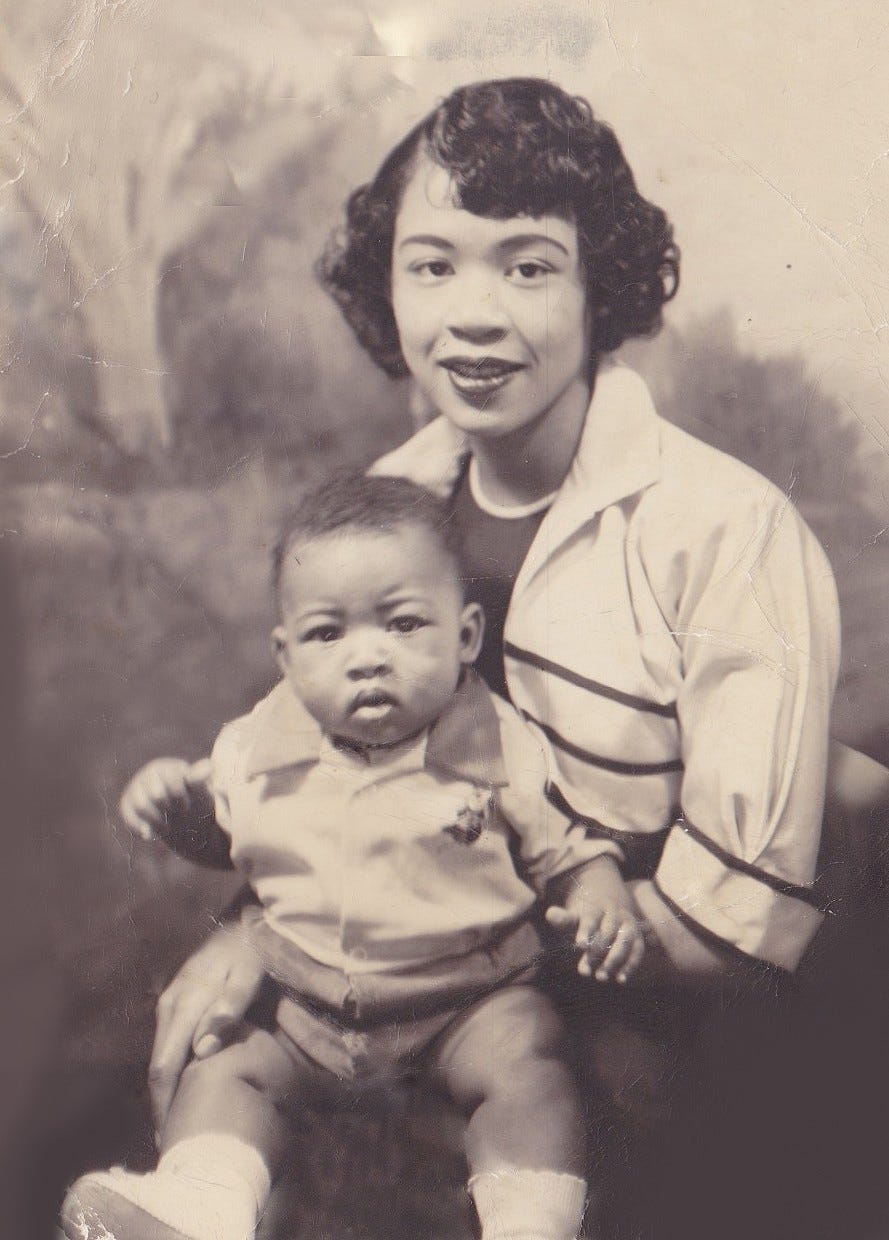
My mother was a teenage single parent who showed me what a parent was supposed to do for their child. When I was in high school, my mom knew that if I attended the same high school she attended, the outcome wouldn’t be good. She knew where that path would lead.
So, in 1966, we left the west side of Chicago and moved to Oak Park, Illinois. We were the second Black family to move to Oak Park. I spent three years at Oak Park River Forest High School and was the only Black person in every class. There were only two black people in the entire school of over 3,000 students.
I did well in that environment because my mother taught me the value of persistence and getting a good education.
She not only instilled those values in me, but she also lived by them. I thrived in Oak Park because I remained connected to my Black community. Every weekend, I went back to the West Side of Chicago to hang out with my family and friends.
That connection to my community saved my life. My mother taught me that I could navigate white spaces without losing my soul. My mother modeled determination. She showed me how to make difficult choices for the long-term benefit of your child.
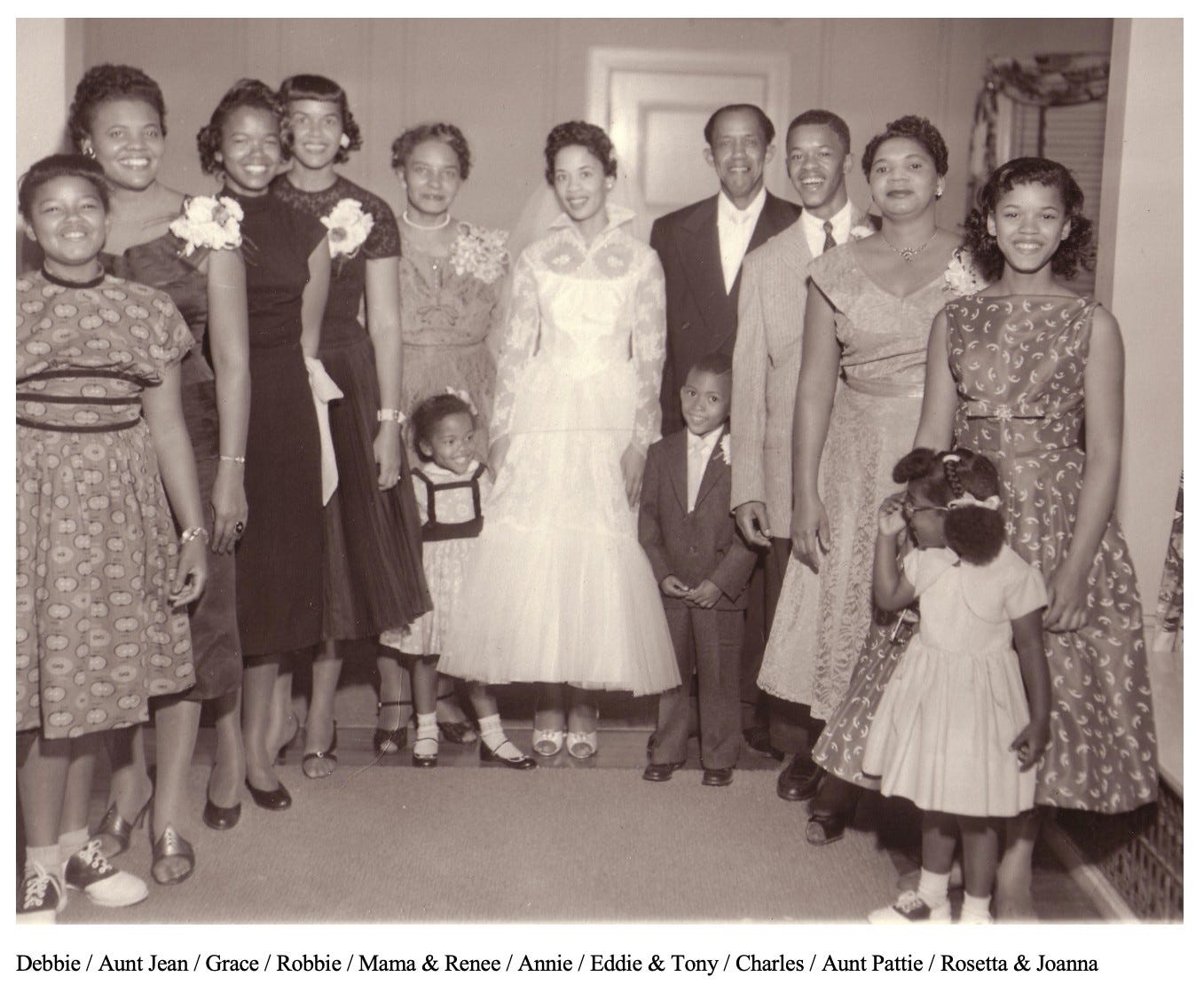
My mom was the first African American to work for NBC news in Chicago. She ran the newsroom within three years and hired the first Black reporters for the TV station. My mom had the ambition that her husband lacked, and that’s why she divorced him. She lived a good life and remained friends with Harold until she passed.
Harold Browder was a good man. He was kind and honest and was the only father I knew. I loved him until the day he died and grew to appreciate the five years he was in my life. He later remarried, had two children, got divorced and raised his children as a single parent.
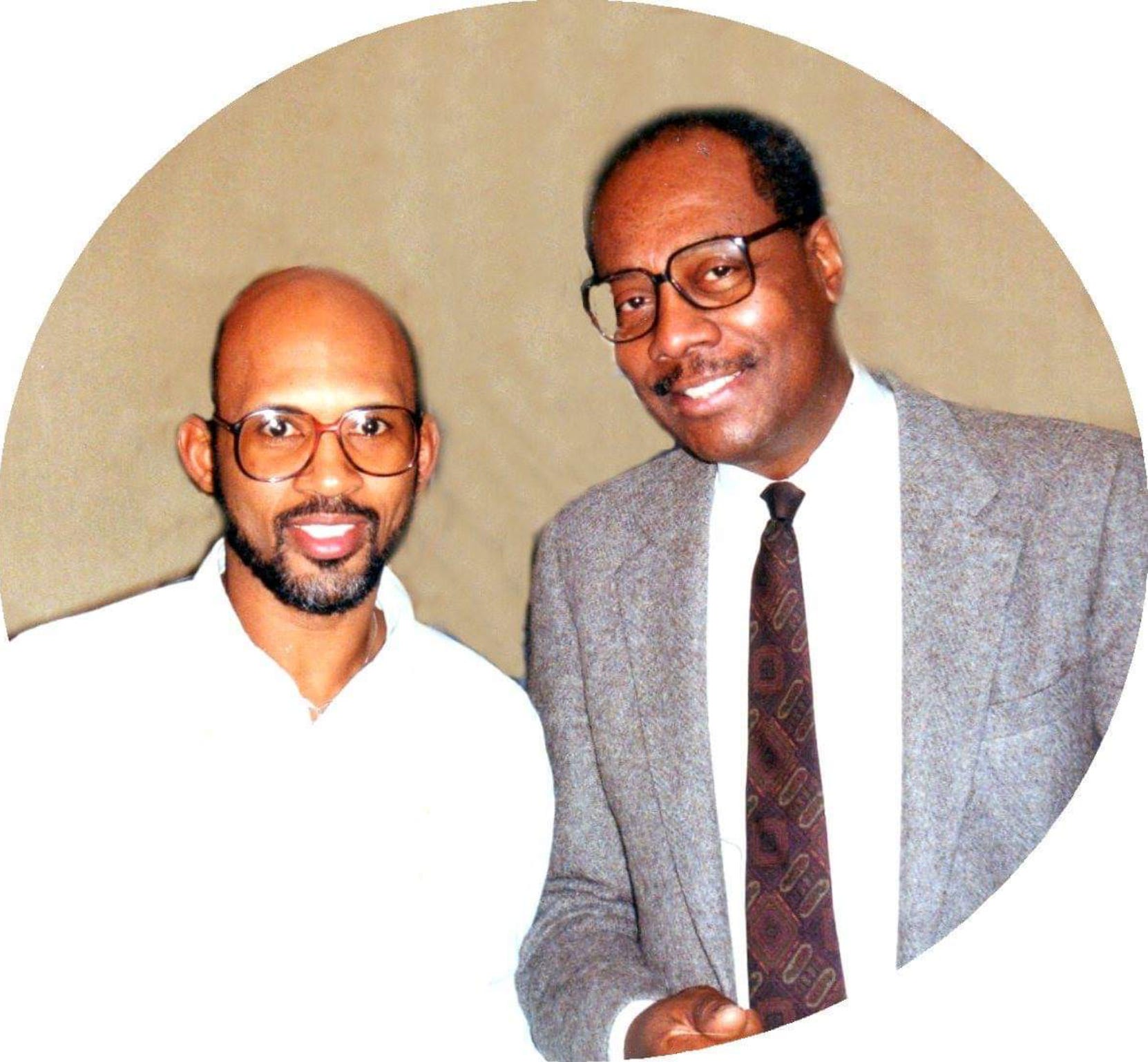
After his passing I was informed that he left his estate to me and his two children. I gave them my share of the inheritance because they needed it more than I did. I think that’s exactly what my dad would have wanted me to do.
In the end, following my mother’s blackprint added incredible value to my life. I grafted wisdom from elders who poured into me and I made my daughter’s success my mission.
And it worked.
My daughter Atlantis is not only an outstanding member of our society and community, but also a mother herself.
And now I’m a grandfather.
As a grandfather, I find myself revisiting my childhood as I spend more time with my grandson. I’m seeing my life through different eyes now. I’m understanding why my grandfather was so strict with me, and why my mother made the choices she made.
They were planting seeds for multiple generations.
I’m committed to pouring the best of me into my grandson because I’m not going to be around here forever. But I know the parts of me that I pour into him will be around for multiple generations.
When he’s an old man telling his grandchildren stories, he’ll be telling my stories and teaching his children the values I taught him, which are the same values my mother taught me.
And that’s how one generation’s wounds become the next generation’s wisdom.
If there is a moral to this story it’s this:
· Don’t keep secrets
· Follow your instincts
· If you make a mistake, own it, then move on
· If you bring children into the world, you have a responsibility to love them
· What we give our children sustains future generations
Thanks for reading,
Anthony Browder
If you’d like to hear more about a discussion of Black single dads, check out this interview at:
Comments
Nothing yet. Say the first thing.
Sign in to join the conversation.