
As we start a new school year, I am knee deep in launching my online film and media content over on Youtube. If this is the first time you are reading my substack you can go back through previous posts and learn a little more of how we go here. In simple terms, the school I was at shuttered its doors after 13 years so I am pivoting. I will be self distributing my newest feature film, you can grab a copy HERE, but today we are going to talk about the culmination of everything that led to our current news and media cycles. Let’s get started!
When I started working on this new project, I knew I wanted to dig into more journalism and media literacy and that’s why later today my first scripted episode will be available. This series entitled “How’d We Get Here” will be serving as a launchpad of media and financial literacy for new and returning artists and filmmakers. Using a lecture from my broadcast journalism class, along with research around modern challenges facing our society, I was able to learn more and dig deeper into the things that led us here. If you just want to watch I will put the video below, and if you are interested in more nuance then you can keep reading below.
I start each broadcast journalism course with a student led discussion where we define media, and its implications on society. Starting with newspapers we discuss how the media is a metaphor, just as Neil Postman discussed in “Amusing Ourselves To Death”. If we consider the rules of the medium, then the metaphor becomes apparent. Newspapers take time to construct, therefore requiring editing and processing to make a complete thought. The fact that it takes time to create leads to outdated information by time you purchase a copy. On the other hand this time allows for deeper research and cross referencing before pushing out the information to society.
Radio comes along and now we can talk to each other in real time. The medium is only audible, therefore the visuals are constructed in the imagination based on information the consumer has already seen in their lives. This knowledge allows for a speaker to use the construct for entertainment, just as Orson Welle’s did with his interpretative reading of “The War of The Worlds”. A novel, written like a journal of sorts lends itself perfectly to a theatrical reading. This is great entertainment, but not the same as a Fireside Chat.
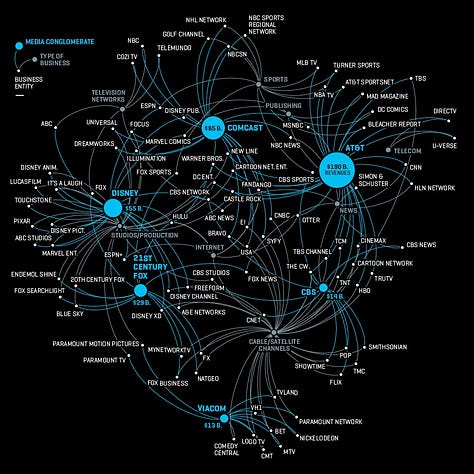
When television and film entered the mainstream, it changed everything. Film, manipulative by nature, gave way to the many challenges we now face. Manipulation, misinformation, libel, slander. These tools have also led to bringing people to justice for their lies and mis-handlings, but what happens when the media makes its own rules based on profits and bottom lines? What happens when one company can broadcast to over 75% of the country on their local stations? In my opinion, it means we must be more vigilant and know what the medium is, and what the metaphor has become.
This project, albeit only a few weeks in, has been very rewarding as I attempt to take my confusion of the world and construct it into a film, or piece of journalism that constructs a line of thought where there may not be an answer. In my final semester of my Broadcast Journalism class we started with this question:
What is the Truth and Who Controls It?
This question is meant to be something that may never be answered. Instead it is meant to make journalists think about the power they have over others. Just as it is in life, the truth is always changing. We are always learning and challenging ourselves to know more, or at least I think we should be.
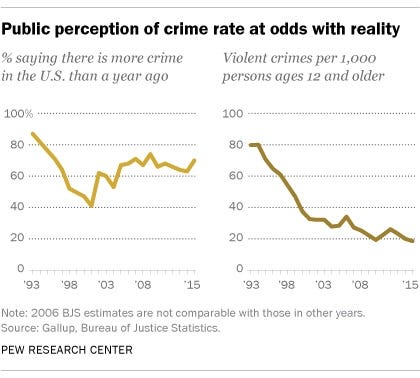
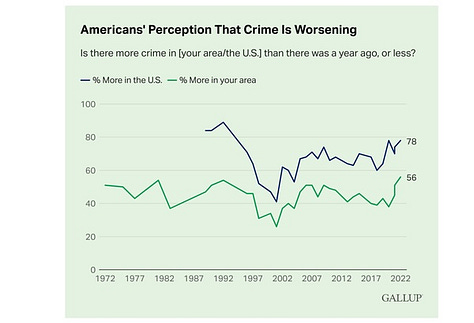
Over the coming years our media infrastructure will be challenged, and so will our nervous system. One thing that has helped me is to recognize when my body is being hijacked by fear and outrage in the news. In a lot of cases the data doesn’t support the way the media tells us to react so what happens next?
Who Made or Wrote This?
Who wrote what you are reading? Do you know them personally, do you trust them, or is this an unknown source that dropped in your lap. Check your sources and cross reference what they stand for. Not everyone believes what they say to everyone else.
I would even suggest you cross-reference me. I am human and I will not have all the answers.
Why Is The Other Side Left Out Of The Conversation?
The fairness doctrines removal forced the consumer to look more deeply into this on their own. Do you due diligence and see what the other side has to say. In my experience the truth is usually somewhere in the middle.
Who Profits If You Believe This Story?
Everything came into focus once I learned that something provided to me for free, actually meant I was the product. Very few corporations are providing their services out of the generosity of their hearts. Once of the things I listen for from anchors is language like “This should outrage you”. Journalism is information that you can sift through and come to your own decisions. It is never my goal to make you think exactly like me, I want to have a conversation and figure out what is actually happening. I don’t want to solidify my opinion, especially if it’s not correct.
Thanks for reading Bronson Collective! This post is public so feel free to share it.
Over the next 4 months I will be using all of my time to create an online hub of education for Journalists, Filmmakers, and Photographers which will be come our new media professionals. This is a responsibility that should not be taken lightly, as you are being entrusted with the truth of our society. A truth that is only your perspective and should be challenged. If you are really interested in the truth, you might have to eventually change your mind….
Jerry
No posts
Comments
Nothing yet. Say the first thing.
Sign in to join the conversation.