
I’m writing this while feeling slightly nauseous: I just ate my feelings (in the form of a larger-than-planned amount of Läderach chocolate, which I highly recommend, though in smaller quantities) after returning from a visit to see my mom at her skilled nursing facility. What struck me on this visit, and often strikes me when I see her, was the profound bond she shares with my dad; he’s been out of town for his brother’s funeral, and she was so used to having him by her side that she reached for his hand at one point, only to be momentarily confused by its absence. This small gesture just destroyed me, somehow.
It reminded me of my conversation with Dr. Elizabeth Hale about the importance of family and social connection. As you’ll see from this last installment of her “How She Does It” epic, her relationship with her husband is paramount, her family is her everything, and her friendships are always at the forefront of her mind, too.
She points out that not everyone has a partner; it’s rarer still to have a partnership like the one she shares with her husband, or the one that my parents share. But other relationships can fill in more richly than one might imagine: if you’re single, know that a Pew Research Center poll found that 61% of Americans consider close friendships to be “very or extremely important” for a fulfilling life, compared to just 23% who say the same of marriage.
Several people have remarked to me lately, usually offhand and in a self-deprecating manner that belies the loneliness underneath, that they need more friends. I think this is understandable and perhaps expected; so many of us are so busy with work, family, and other obligations that we just don’t have the time to meet new friends or deepen the relationships we already have.
But if you’ve been feeling like this, and wondering how to make new friends without feeling like you’ve teleported back to your peak self-conscious teen years, I’d like to provide an unsolicited piece of advice that comes simply from having had a number of these conversations with friends, family, and clients:
A lot of people feel the same way you do. Tons. And I am sure, beyond a shadow of doubt, that if you reached out to someone who’s worthy of your time—whether it’s a new acquaintance, an old acquaintance, or someone you happened to meet by chance—and asked if they’d like to join you at a new coffee place or a cool exhibit, they’d be thrilled.
Wouldn’t you?
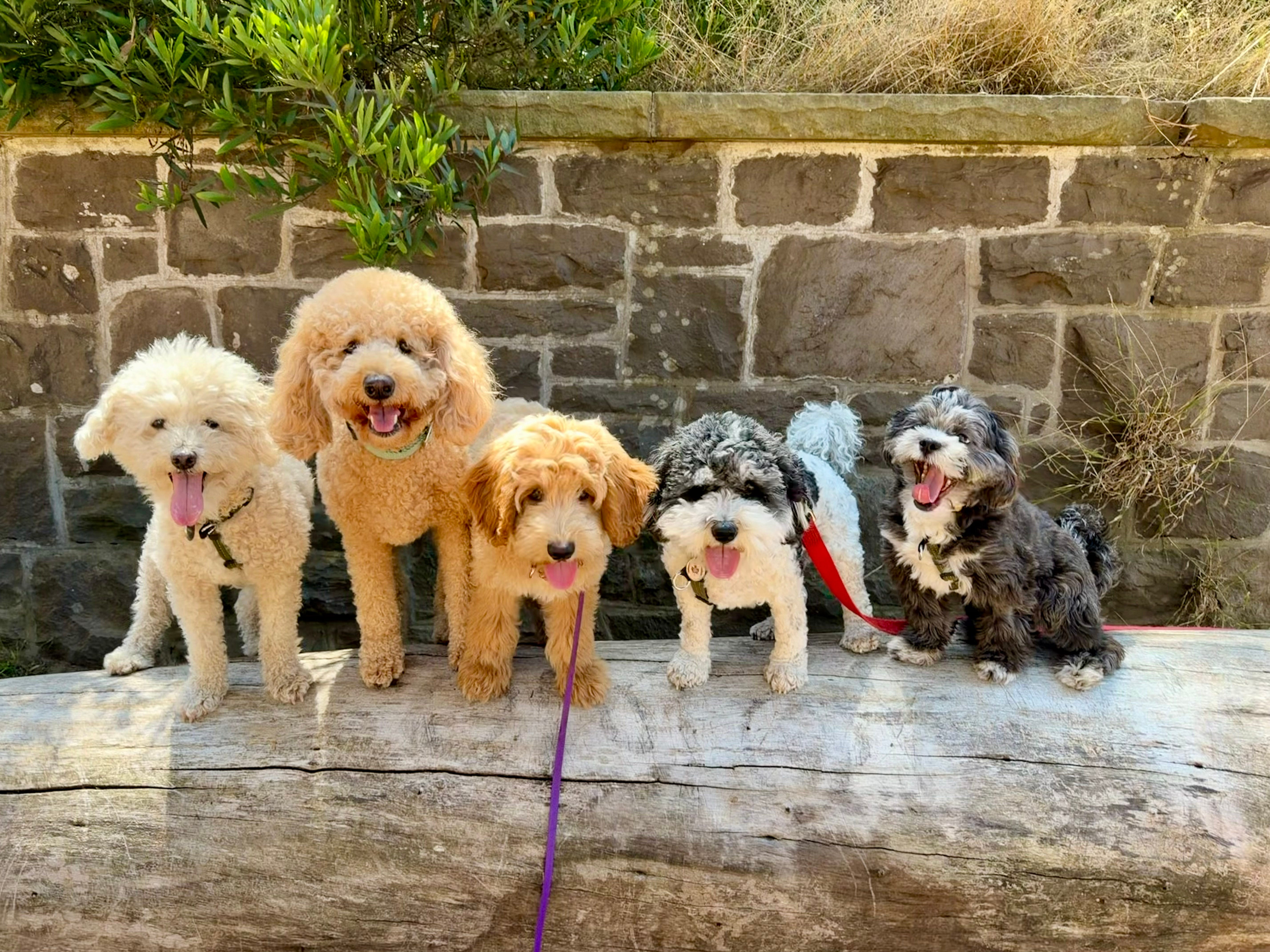
(I would! So would my puppy, Hugo, on the far right: even when other dogs are paying a mere modicum of attention to him, he might be the most enthusiastic creature on the planet. The next time you want to make some friends and you’re feeling tentative about it, embrace your inner Hugo and remind yourself that the people you want in your life will do the same.)
Read on for my discussion with Liz about social connection. And if you’re curious about how celebrity dermatologists happen to choose their line of work, especially if they’re as methodical as Liz is about every decision, don’t miss the bonus question at the end.
Liz, I am so glad I chose you years ago for your first consulting gig! (That decision couldn’t have been easier.) Looking forward to continuing to learn from your example for many years.
1. Focus on the positive, because you can’t get the day back. Try to make the most of it and realize that, as humans, we’re not perfect. (It helps to think about what a gift it is to have all these things that make your life so full.)
2. Time management is important, but it’s equally important to think about what you want (and what you’re good at) and prioritize those things.
3. Get plenty of exercise, fresh air, and sleep so that you can show up at your best.
4. Connection with people is another key to keeping a positive attitude to life in general.
5. Always keep learning, and give back by teaching others about what you’ve learned.
(And to learn how this whole series came about, start here.)
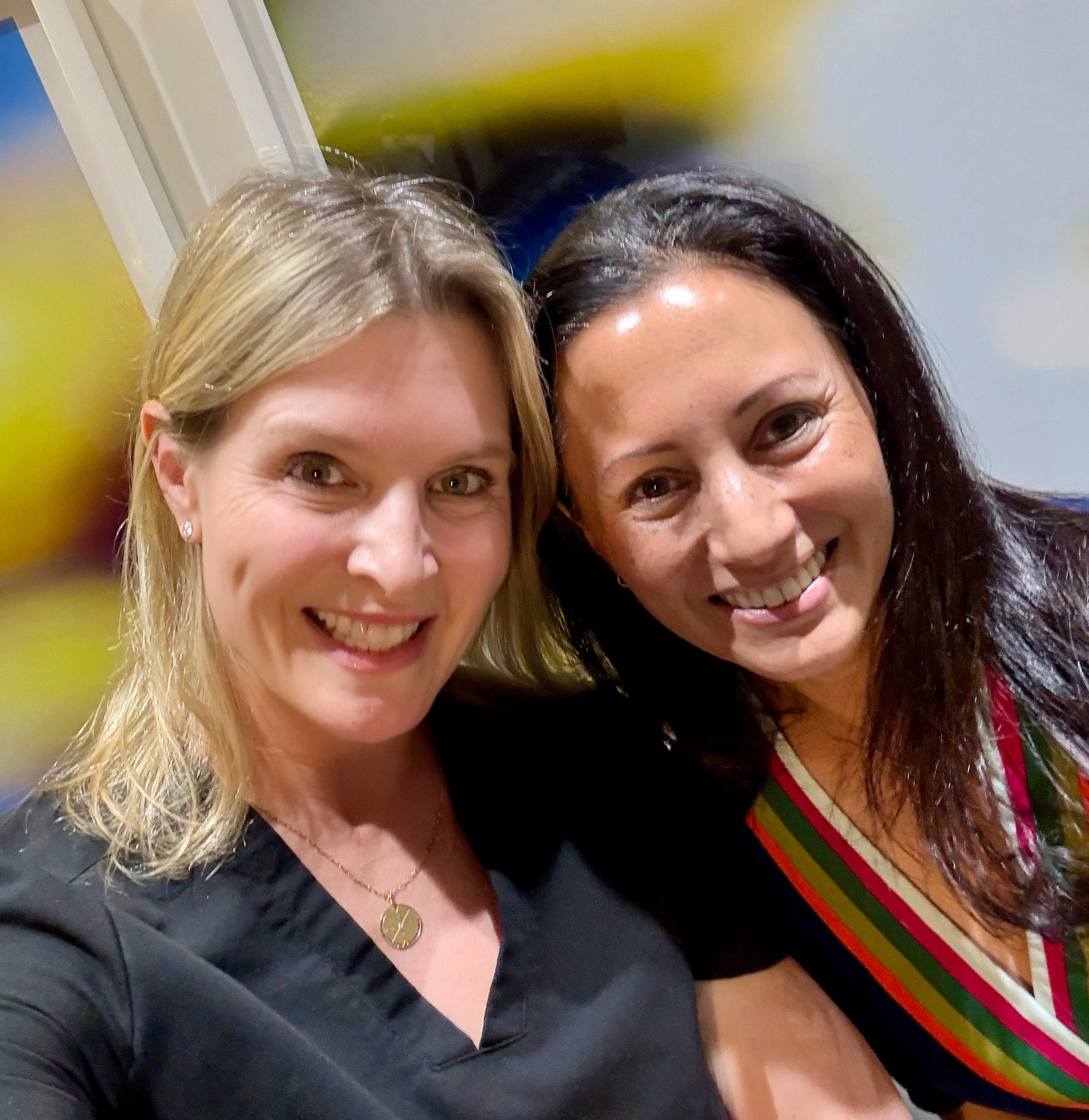
Me: You’ve given us some insight into how you manage your busy life as a high-powered dermatologist, mom of three kids to whom you’re very close (as you are with your extended family), and devoted volunteer and marathoner. I’d like to start this set of questions with another tactical question: what did you do about childcare when your children were younger to help make all of this work?
DR. ELIZABETH HALE:
This is so important.
My husband and I are both physicians; we literally met over a cadaver in medical school. And when you’re a physician, you have to work in person, you don’t get a lot of time off (even after you have a baby), and you can’t really take a sick day. The only time I’ve taken a sick day in 20 years of practice is when my water broke. Maybe that’s not good; I’ve definitely come to work with a cold, although I do always wear a mask. But my patients wait months to see me, so I don’t want them to have to wait and reschedule.
But this meant that finding someone really reliable to help with childcare was important right from the beginning. We had the most amazing nanny who started with us when my older son, Dylan, was four weeks old. Jean was with us all the way through the day Dylan left for college, and then she stayed for another year so that our other two kids weren’t so upset with all the transitions. I could not have done anything without Jean; she never took a sick day, either.
I also have an amazing husband. He’s a spine surgeon, and he starts very early, but he’s home for almost every athletic event as well. We’re very much a team; with a partner, I think sharing responsibility but also just sharing life is so important. I have a lot of friends who chose to stay home, especially early on; when their partner would come home from work, it would be like, “Right, it’s your turn now.” But when you’re not with your kids all day, you’re dying to be home with them. Both my husband and I shared that sentiment of feeling so lucky to be home at the end of the day. That was very helpful for me, too.
I recognize that not everyone has a life partner, but if you do, I would definitely say that investing in that relationship is so important: kids grow up and move out of the house, but after that happens, we still have—hopefully—a lot of life ahead of us. I really prioritize date night with my husband, especially as my kids are getting older.
Me: What are some other keys to managing it all that are either philosophical or tactical – or both?
DR. HALE:
I think another key to keeping a positive attitude in life, in general, is connection with people.
I have a lot of very close friends, and my family is everything to me. I’m lucky enough to be in practice with my sister, and we also live on the same floor and work out together. Our brother, who’s younger, used to make fun of us for running marathons together, working together…and then he actually moved into the building with his wife and they have three little babies and it’s the best thing. So I really value family and friendship.
But it also comes into play with my career. As a dermatologist, I specialize in sun damage, skin cancer, and rejuvenation of the skin—keeping the skin young and healthy. Most of my patients, who range in age from their 20 to their 80s, come in for their annual skin check. Maybe they’ll also want to try a little Botox, or maybe they’ll want to laser off some sun spots. Maybe I find skin cancer or an atypical mole and they need an excision. When my sister and I named our practice CompleteSkinMD, we kept this in mind. But a lot of dermatologists might only do the Mohs surgery, for example, and they don’t do skin checks. Or there are some that only do aesthetics; if someone wants anything other than laser, Botox, or filler, they’ll send them back to a general dermatologist.
For me and my sister, though, our typical patients become lifelong patients—which has been really interesting for me, especially since I’m married to a spine surgeon. My husband and I joke that if things go well after he fixes the problem, he never sees the patient again, right? For us, if the visit goes well, these patients become lifers, because at a bare minimum, they’re coming in once a year for a regular skin check. But then on top of that, they’re often coming in for their injectables and maybe also a laser. So I get to know my patients very well.
It is kind of exhausting: in addition to catching up and chatting with your patients, you’re also performing either a thorough body check, a cosmetic procedure, or an excision. But each year, I’ve felt increasingly grateful to have this opportunity to interact with 20 to 30 people a day—and to have a positive benefit, hopefully, on their lives, whether it’s curing them of skin cancer or helping them look or feel better. At the same time, I’m also getting to meet all these really interesting people. People joke that my side job is a matchmaker, not just in romantic sense; I like to connect people in all ways because I feel so lucky to have such a big network.
Me: I remember talking to you early in your career about all of the reasons you chose to pursue dermatology; you were very thoughtful about this decision. Just out of curiosity, what are some of the other reasons why you chose this path?
DR. HALE:
I think another reason why I chose dermatology, in addition to the patient care, is that the patients are so motivated. Whether I’m helping the patient with acne or severe psoriasis or a mole that’s changing or they want to clear up their skin or get rid of their wrinkles—whatever it is, they’re so motivated to partner up with me because the skin is such a reflection of overall health. It’s what the outside world sees.
Another thing about dermatology is that, because it’s so public facing, there are so many opportunities to educate the public through the media, whether it’s being on television during May, which is Skin Cancer Awareness Month, or being in print. And I consult with a lot of skincare companies, which is how I first met you, at Elizabeth Arden! That was my very first consulting gig—we had a lot of fun.
And I’ve had some colleagues who, very often successfully, launched their own brands; it’s something my sister and I thought of over the years. But we keep coming down to the same reason not to, which is that there are so many great products out there already. We carry several of them in our office and we’re not going to come up with something that’s better than all of them—and with the amount of time and effort it takes, we could be seeing more patients or spending more time with our families.
So instead, I consult with various well-vetted companies. Consulting keeps things interesting because you learn a lot about formulation and marketing. My credibility and authenticity is very important to me, and I think it’s served me well because, if a reporter wants to do an interview, they know I’m not just trying to sell my own skincare products. (As you probably remember, I’ve recommended Dove beauty bar since I was a resident, and that has not changed!)
Another nice thing about a career in medicine, and in other careers as well, is that there’s still the opportunity to learn so much by going to meetings and conferences. I’ll attend at least two national meetings a year, often speaking at them and sometimes staying happily in the audience, learning from my colleagues.
But also, for over 20 years, I’ve taught the NYU dermatology residents. I used to do this weekly, and now my sister and I alternate weeks. I’m going tomorrow morning—I teach an advanced skin cancer surgery and laser clinic to the residents. So it gives me an opportunity to stay on my toes and stay up to date with the literature (you can see the stack of journals on my desk) because you can otherwise get kind of used to your own day-to-day work, whatever field you’re in.
And I actually just got back from “Skin cancer, Take a hike,” which is an expedition through the American Academy of Dermatology. We go on a different hike every year; this is my third one, and we went to the Swiss Alps. I was with my sister and several of my closest colleagues, and it was the best: we were outside and well sun-protected all day, hiking and talking about what’s new with skincare and catching up on our lives. I love this trip because it’s a break from our day-to-day work life, but we’re also still learning and getting our steps in!
(And yes: instead of beating myself up over not being at home or not being at the office, I thought about what a gift it was to be able to be there.)
**
Huge thanks again to Liz for sharing her time and wisdom. Revisiting this conversation with her a year later, and focusing on a different angle, gave me some fresh inspiration; I hope it’s done the same for you.
Thanks for reading Dara Kennedy | Brighter Beauty! This post is public, so feel free to share it.
Comments
Nothing yet. Say the first thing.
Sign in to join the conversation.