
What Culture Looks Like as an Operating System
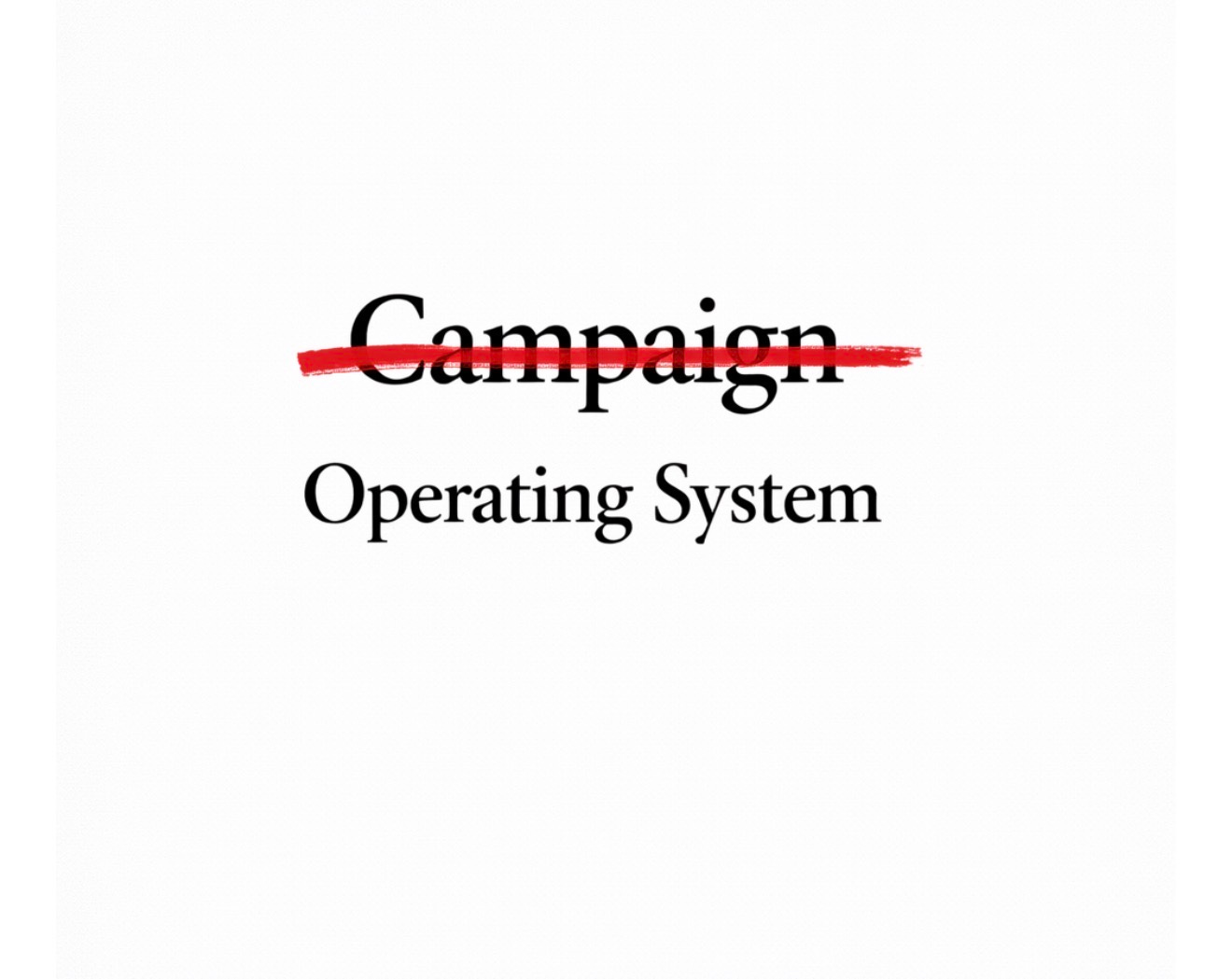
At its highest level, culture as an operating system means:
1. Insight isn’t outsourced. It’s institutionalized.
Youth insight shouldn’t live inside one campaign deck. It should shape product design, tech investments, partnership selection, even hiring.
2. Community isn’t audience. It’s architecture.
When you build platforms for participation — not just consumption — loyalty becomes a byproduct, not a KPI.
3. Speed comes from proximity.
The closer leadership is to real-time consumer behavior, the less reactive the organization becomes.
4. Creativity and discipline coexist.
Cultural fluency without operational rigor is noise.
Operational rigor without cultural fluency is irrelevance.
You need both.
What Boards Should Be Asking in 2026
If I were sitting in a boardroom today, I wouldn’t ask:
“What’s the marketing plan?”
I’d ask:
How are we structurally capturing cultural insight?
Where does youth intelligence inform capital allocation?
How are AI and technology amplifying proximity to our consumer?
Is culture measurable inside our organization — or only visible on Instagram?
Because in a volatile year — tariffs, traffic shifts, AI disruption, fragmented media — the advantage doesn’t go to the loudest brand.
It goes to the most structurally aligned one.
Culture Is a Growth Lever — If You Treat It Like One
The mistake is assuming culture is soft.
Culture drives:
Product relevance
Full-price sell-through
Partnership credibility
Talent attraction
Margin durability
When it’s embedded systemically, it becomes defensible.
When it’s seasonal, it becomes expensive.
The Real Shift
The future belongs to organizations that stop chasing youth and start learning from them.
Not through trend reports.
Through participation.
Not through campaigns.
Through co-creation.
That’s not a slogan.
It’s a structural choice.
And in the next decade, it will separate the brands that perform culture from the ones that operationalize it.
If this resonates, I’d love to hear:
What does culture look like inside your organization — a campaign or a system?
No posts
Comments
Nothing yet. Say the first thing.
Sign in to join the conversation.