
When the Ideas Become Physical
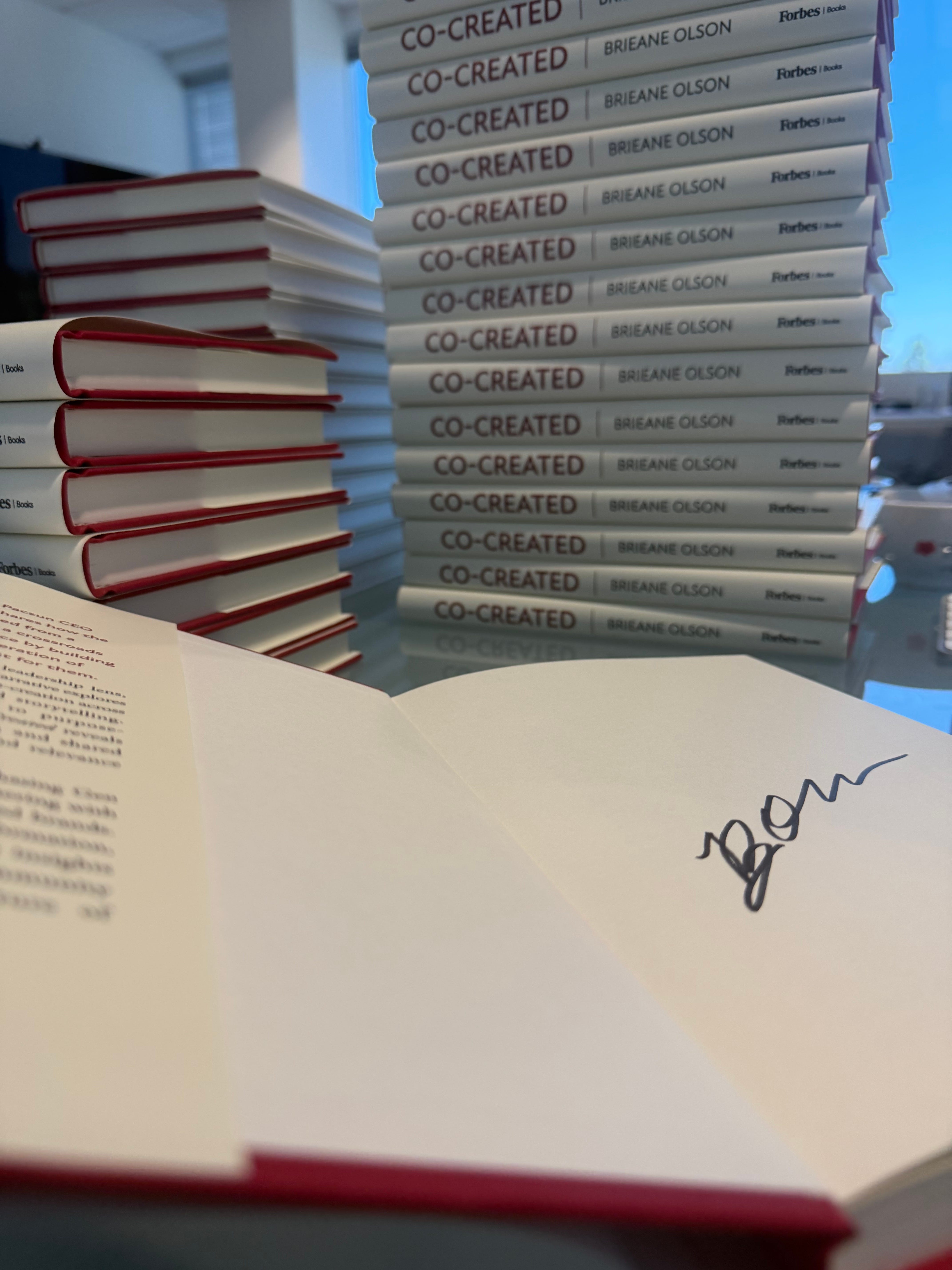
The first 1,000 copies of Co-Created arrived at our office this week.
There’s something different about seeing work that has lived in conversations, decisions, and day-to-day operations suddenly take physical form.
Not because it’s a book.
But because it forces a different kind of reflection.
For most of my career, I’ve been focused on building—teams, product, brand, partnerships. Moving quickly. Iterating constantly. Making decisions in real time.
Writing slows that down.
It requires you to step back and ask:
What do I actually believe?
What have we learned that is repeatable?
What isn’t working anymore — even if it used to?
And the more I sat with those questions, the clearer one thing became:
The shift happening in our industry isn’t about channels, or trends, or even technology.
It’s about who holds influence.
For years, brands operated with a kind of assumed authority. We created, we distributed, we told the story.
But that model is being rewritten.
Gen Z and Gen Alpha don’t just consume culture — they shape it.
They don’t wait to be told what’s next — they participate in creating it.
And yet, most organizations are still structured as if the brand has all the answers.
That gap shows up everywhere:
In product decisions that miss the mark.
In campaigns that don’t resonate.
In timelines that move too slowly for the speed of culture.
It’s not a marketing problem.
It’s an operating model problem.
What we’ve been working toward at Pacsun — and what I tried to capture in Co-Created — is a different approach.
One where the brand isn’t the sole author.
Where community isn’t an input at the end, but part of the process from the beginning.
Where listening is built into how decisions get made, not layered on after.
That sounds simple.
It isn’t.
Because it requires letting go of a level of control that most organizations are designed to protect.
It requires speed.
Trust.
And a willingness to be shaped by the people you’re building for.
Seeing the first copies arrive this week didn’t feel like an endpoint.
If anything, it felt like the beginning of a broader conversation.
One that I think many leaders are already sensing:
The old playbook still works—until it doesn’t.
And more and more, that line is getting closer.
No posts
Comments
Nothing yet. Say the first thing.
Sign in to join the conversation.