
Hi friends,
Immersive experiences are complex undertakings.
There are creative concepts, budgets, timelines, vendors, fabrication, media, technology, logistics, and countless moving parts that have to align perfectly. But for all that complexity, the single most important piece happens first.
Strategy.
It’s the discipline of pausing to ask what this experience truly needs to achieve, who it’s for, and how success will actually be measured.
When that step is rushed or glossed over, it always shows. But when it’s done right, you can feel that too. Every moment is seamless. Every detail supports the larger objective.
The stories in this week’s issue put strategy center stage, where it belongs. From trade shows to museums, brand activations, theme parks, and even bowling alleys… each one proves that thoughtful intent is what separates great experiences from the rest.
At Bridgewater, we say it all the time: Strategy first.
Because everything that follows depends on it.
- Eric
What would a comprehensive strategy look like for your next project?
Grab a time on my calendar and let’s talk.

Strategy is where every project begins, but no two strategy phases are ever the same. Because no two experiences have the same goals, audiences, or definition of success. Whether an experiential concept is fully formed or still taking shape, asking the right questions early brings clarity to every decision that follows. It’s the difference between an experience that just gets built and one that actually succeeds.

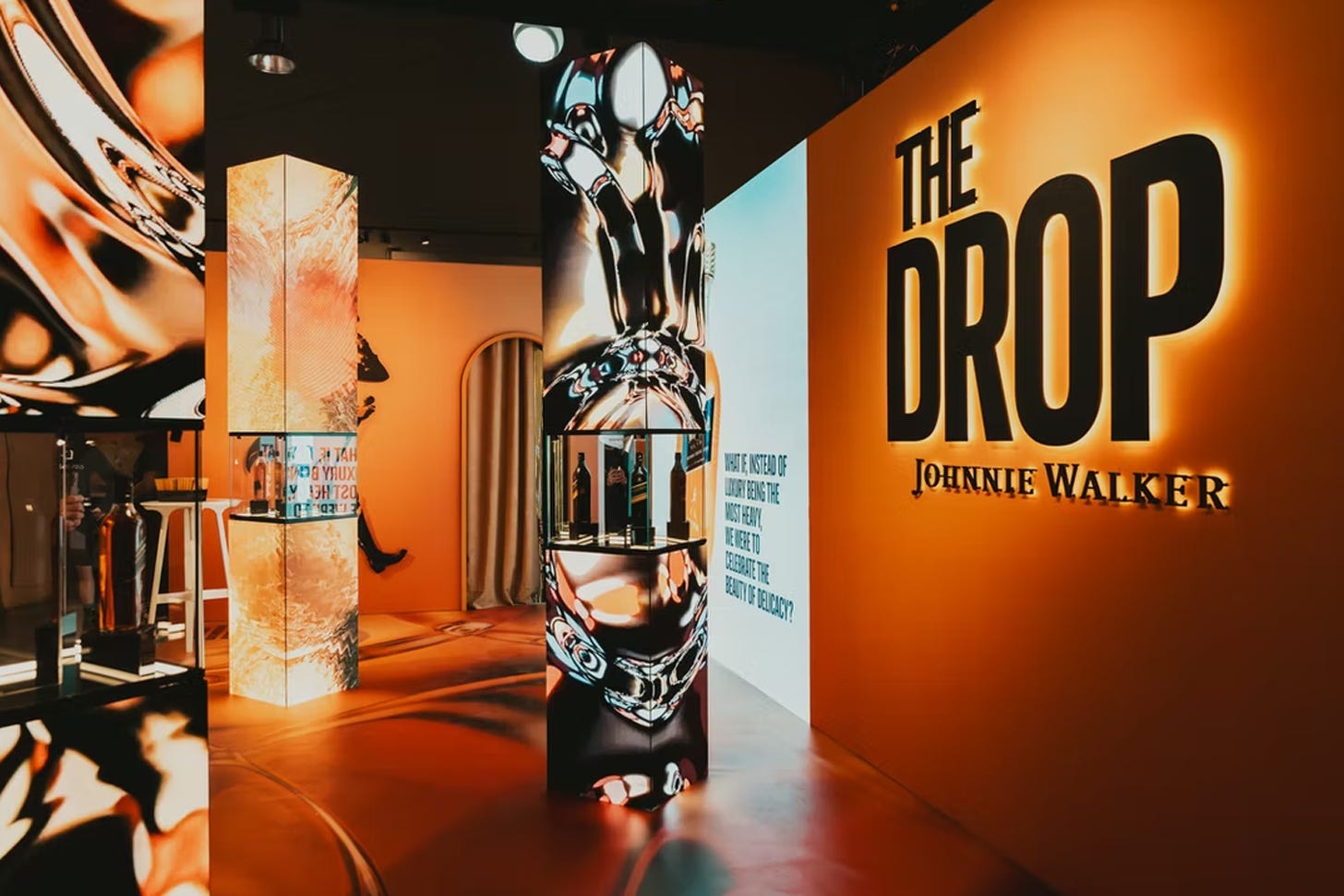
This story stands out because it shows what happens when a brand actually knows what it’s trying to achieve. Chorus built The Johnnie Walker Drop around a single goal: Win back bartenders, and everything follows from there. Modular design, multi-sensory storytelling, even the “merch” all serve that intent. It’s more than a unique booth. It’s a long-term strategy for a tangible business outcome.
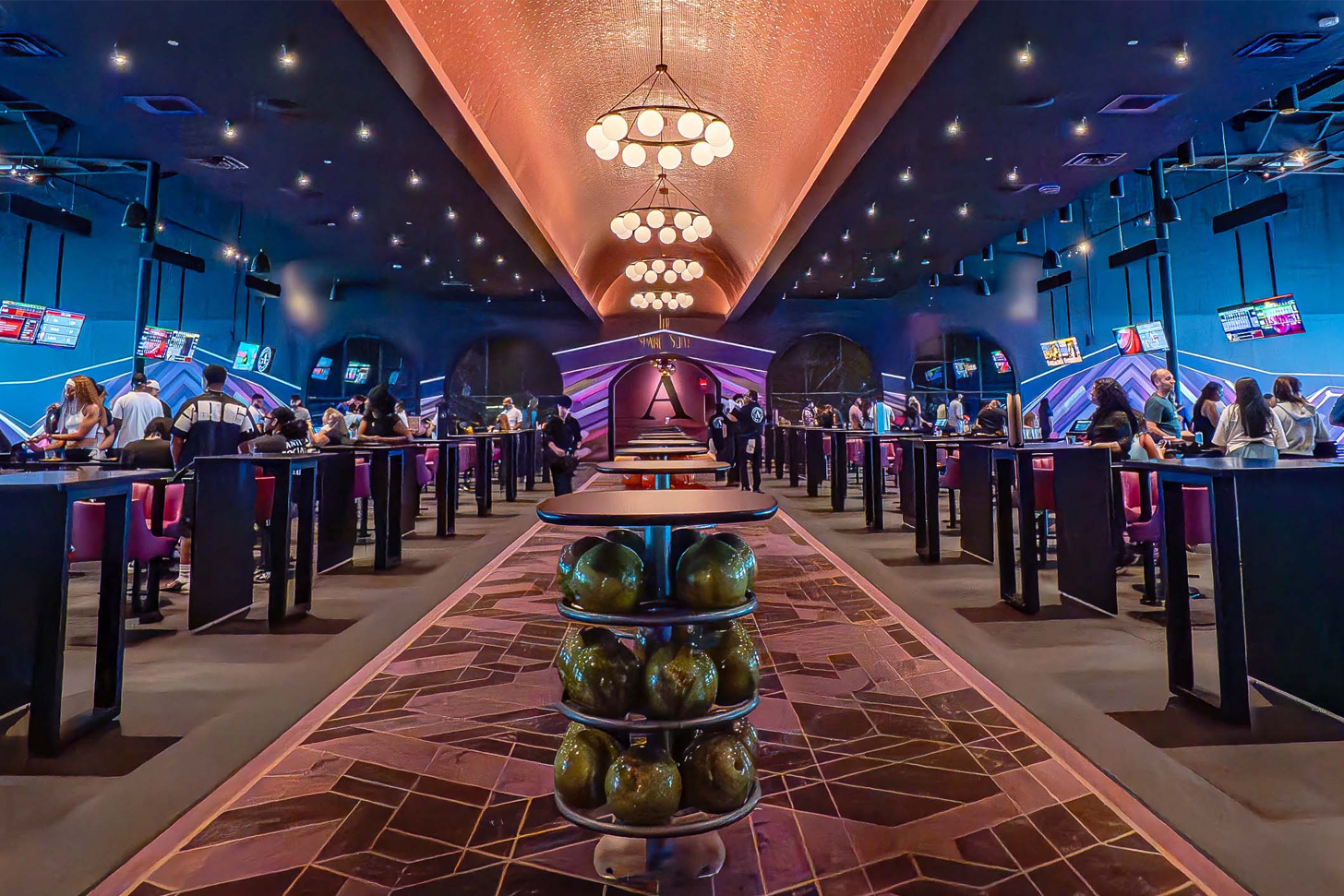
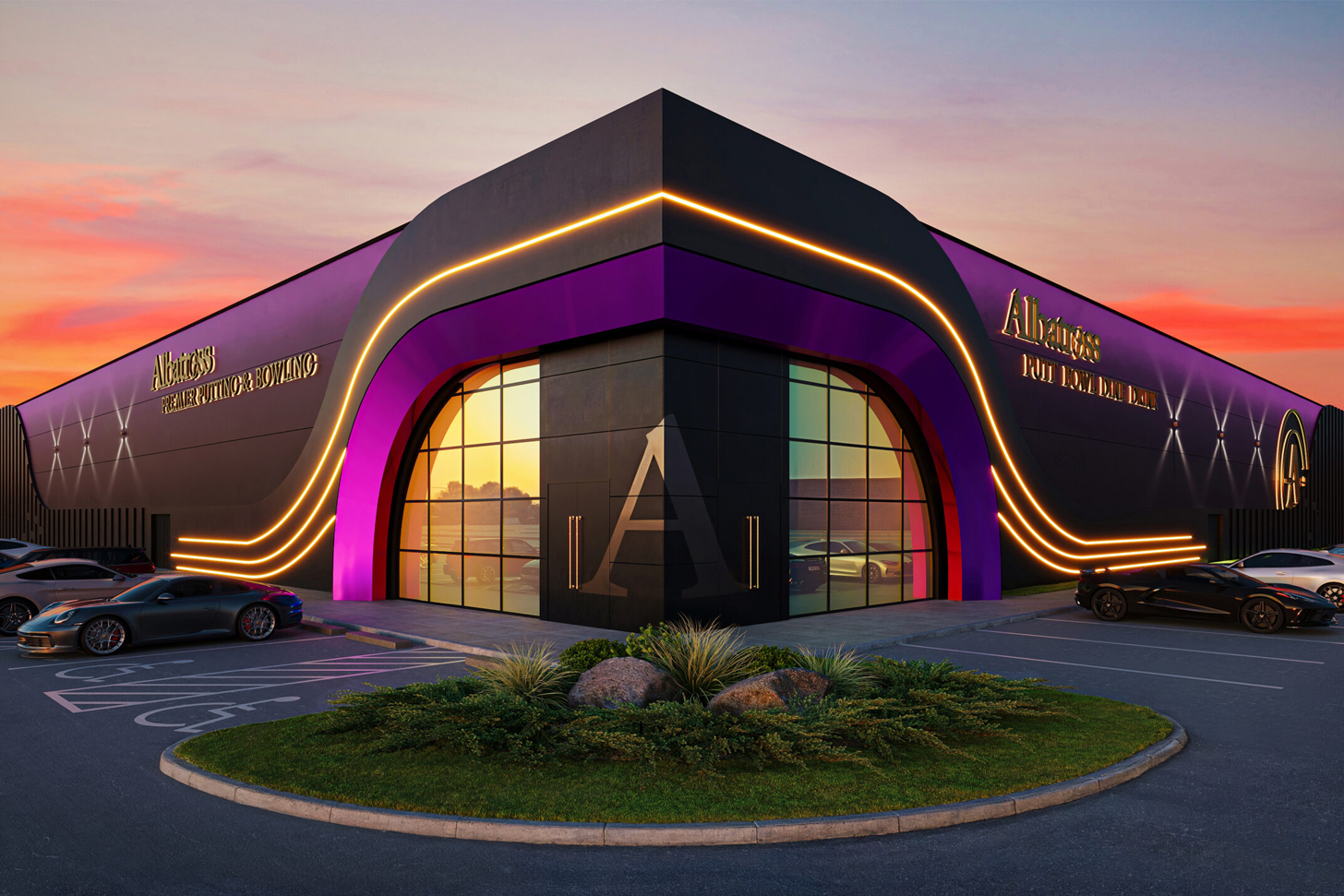
Bowling didn’t need better lighting or bigger screens. It needed a reason to exist again. Albatross Entertainment nailed that by positioning bowling as the centerpiece of a premium social destination, not an afterthought. Every design move, from the LED wall to VIP lanes to the broader mix of attractions, ladders up to that vision. It’s a strong example of concept clarity driving the entire guest experience.
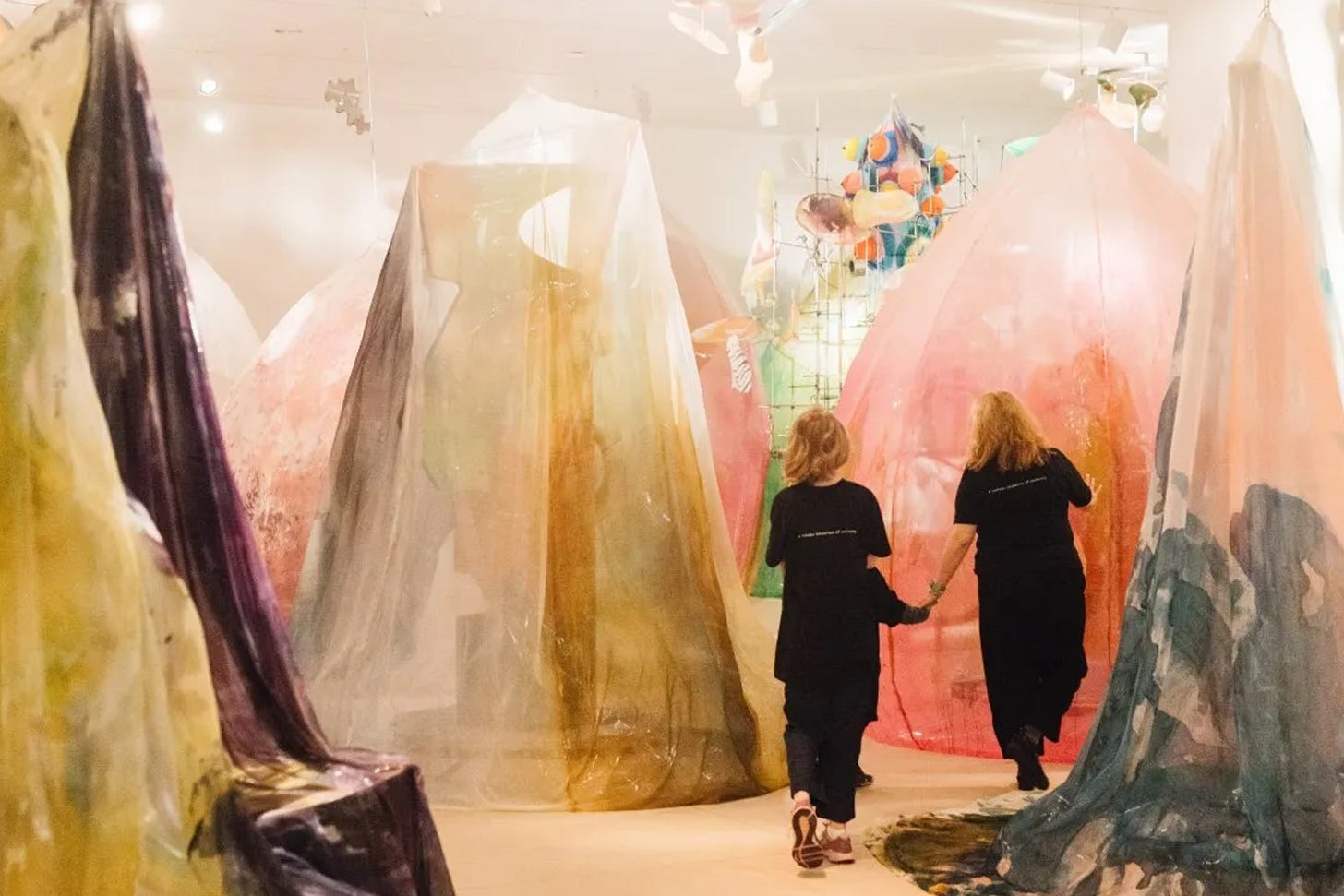
This one hits close to home for anyone in the GLAM sector. The article makes a simple but important point: Guests feel disconnected systems even if they can’t pinpoint the problem areas. Ticketing, membership, retail, fundraising, all sitting in silos creates friction and negatively impacts the guest experience. The solution is a holistic strategy. The entire guest journey as one seamless experience.
American Alliance of Museums →
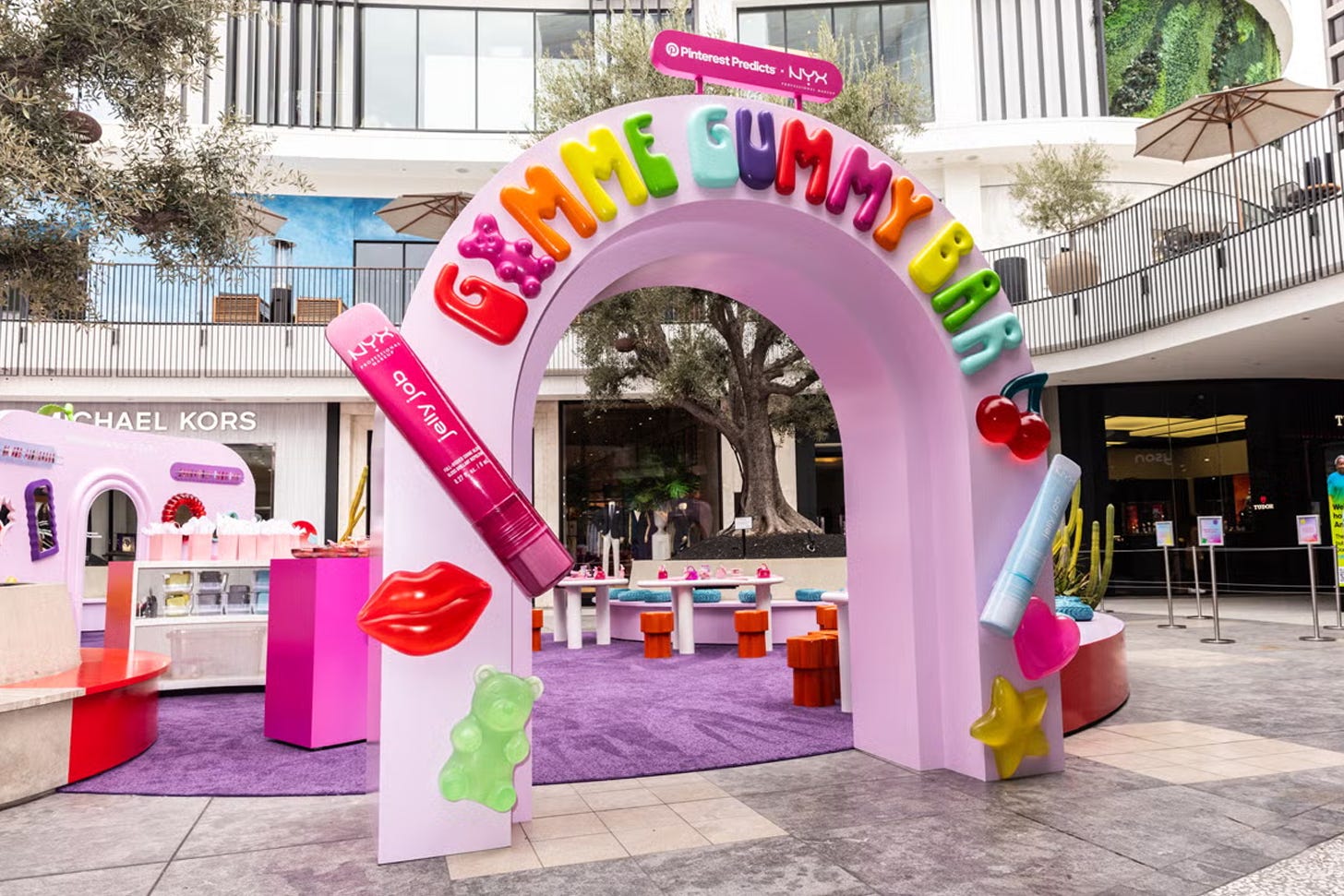
Instead of guessing what audiences want, smart brands are finding a new way to plan experiences based on real intelligence. Pinterest’s trend data is being used as a starting point for experiential strategy, not just promotion at the end. From beauty to food to retail, brands are building IRL activations around what people are already planning and searching for. It’s a reminder that good strategy often starts before the creative brief.

When you begin a project by solving for what guests actually want, great things happen. Like Maurer Rides’ Spike Racer. Their interactive coaster turns the traditional experience into a game, giving riders control and making every experience different. It’s a brilliant example of modern, guest-first strategy. It’s not just about thrills, but about creating something people want to master, repeat, and share.

Shop! Marketplace
Apr 6-7 | New Orleans, LA
Seatrade Cruise Global
Apr 13-16 | Miami Beach, FL
Association of Children’s Museums: Interactivity
Apr 21-23 | San Diego, CA
TEA INSPIRE
Apr 29 - May 1 | Orlando, FL
Shop! MarketPlace
May 6-7 | New Orleans, LA
Museums + Heritage Show
May 13-14 | London
Experiential Marketing Summit
May 18-20 | Las Vegas, NV

Comments
Nothing yet. Say the first thing.
Sign in to join the conversation.