
Hi friends,
Knowing your audience has always mattered. But today, it matters more than ever.
Because as technology continues to unlock bolder ideas, audience expectations will continue to rise.
Experiential guests don’t just want something new. They want something that feels tailor-made for them. Something that connects with their interests, values, and motivations.
That’s why the most successful experiences start with a deep understanding of who they’re for. What excites them. What earns their trust. And what turns a moment into a memory they’ll carry with them and share with others.
This week’s issue highlights inspiring examples from across the industry that show what happens when experience makers truly know their audience and design with intention from the start.
I hope it sparks an audience-first mindset for your next project.
- Eric
How can your next experience truly connect with guests?
Grab a time on my calendar and let’s talk.

Knowing your audience has to come before everything else. In this video, Chris Wilson talks about why the most effective experiences start by asking what guests should feel, learn, and take with them. When you define the outcome first, design and technology become tools, not distractions, and the experience actually resonates with the people it’s meant for.

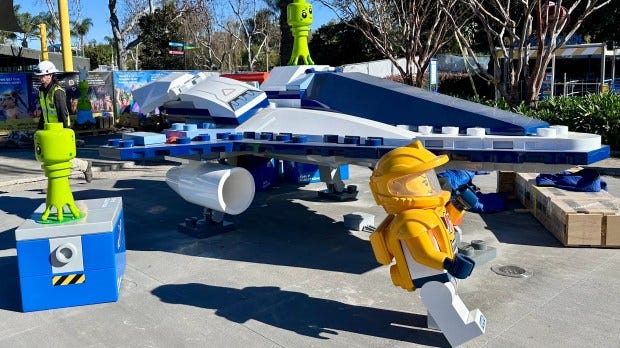
Legoland and Disneyland get it. Meet audiences where they are first, then you can lead them forward. Legoland’s new Galaxy land cleverly hooks young guests with digital interactivity before transitioning to old-school tactile play. Meanwhile, Disneyland is adjusting its Galaxy’s Edge experience to bring back the original Star Wars characters fans want. Two different parks, one valuable strategy.
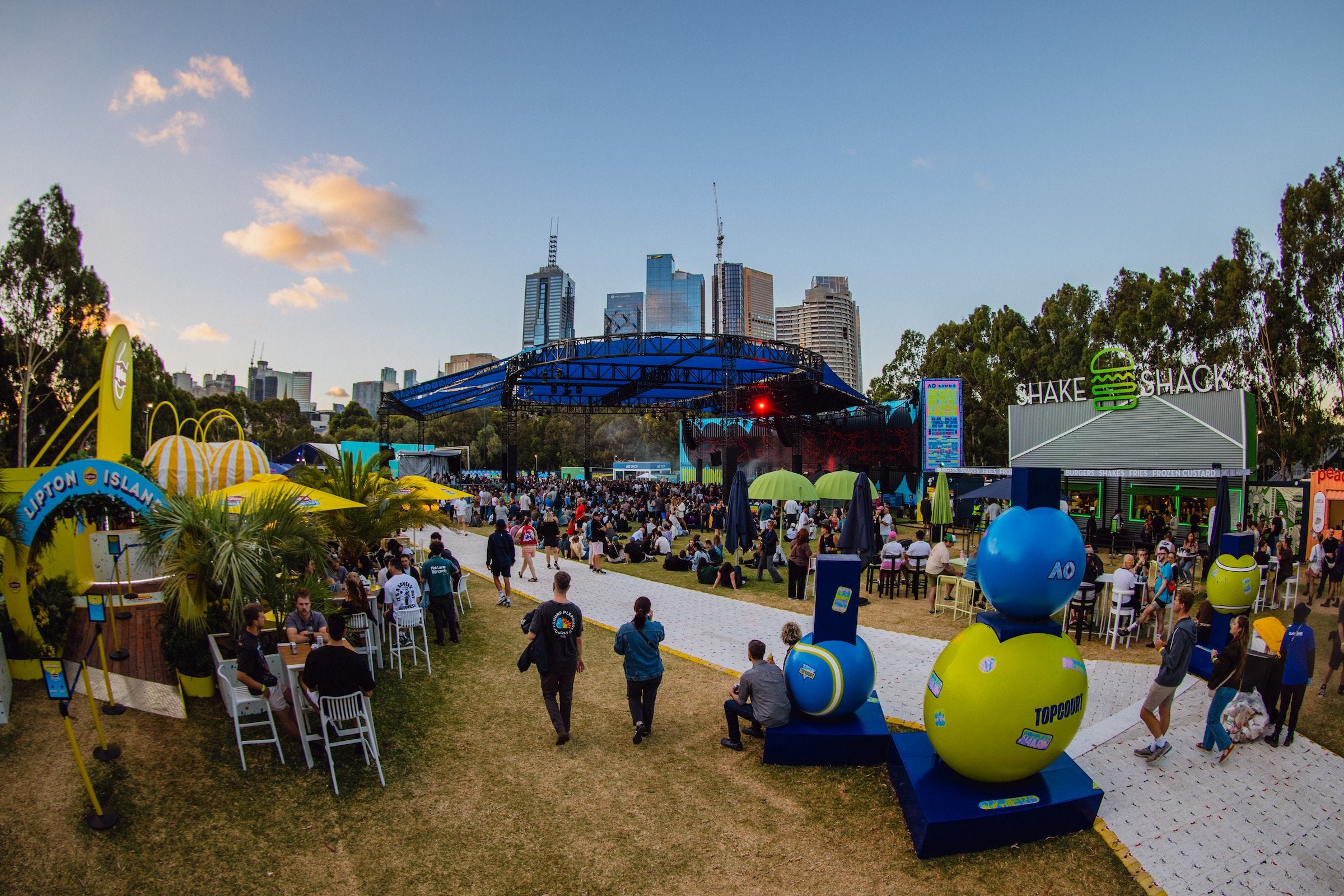
The Australian Open knows its audience and knows they aren’t all tennis diehards. The event now feels closer to a cultural festival than a tournament, with zones designed for families, music fans, fashion lovers, and a full Gen-Z paddock with gaming and pickleball. This shift has drawn more brands, more visitors, and more relevance. It shows what happens when a legacy event evolves with intention.
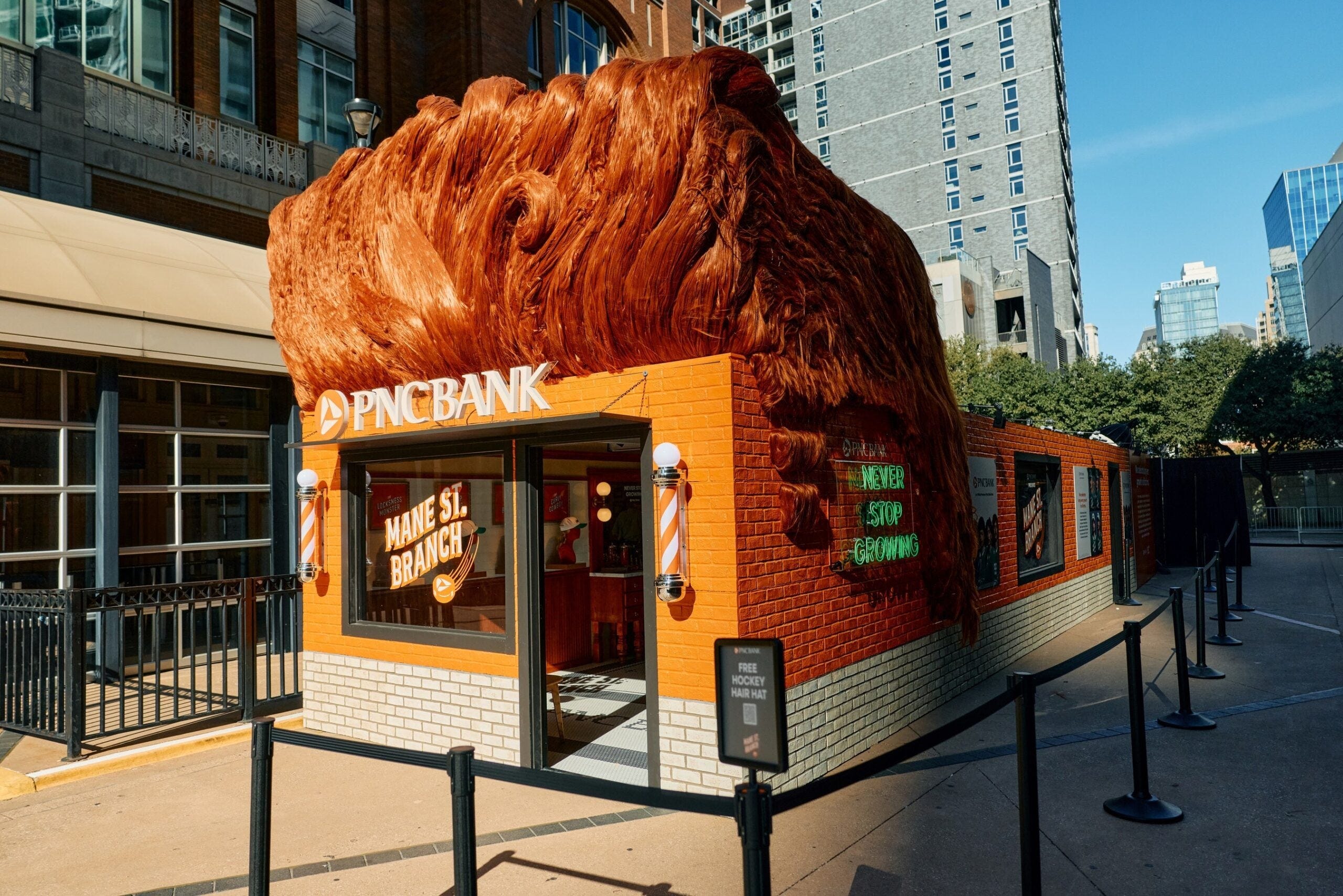
PNC Bank tapped directly into hockey culture with a pop-up barbershop celebrating the sport’s beloved mullet tradition. True fans lined up for free custom hats, styling sessions, and a space that felt built for them, not for everyone else. It was bold for a bank, but that was the point. When a brand picks a specific audience and speaks their language, real connection happens.
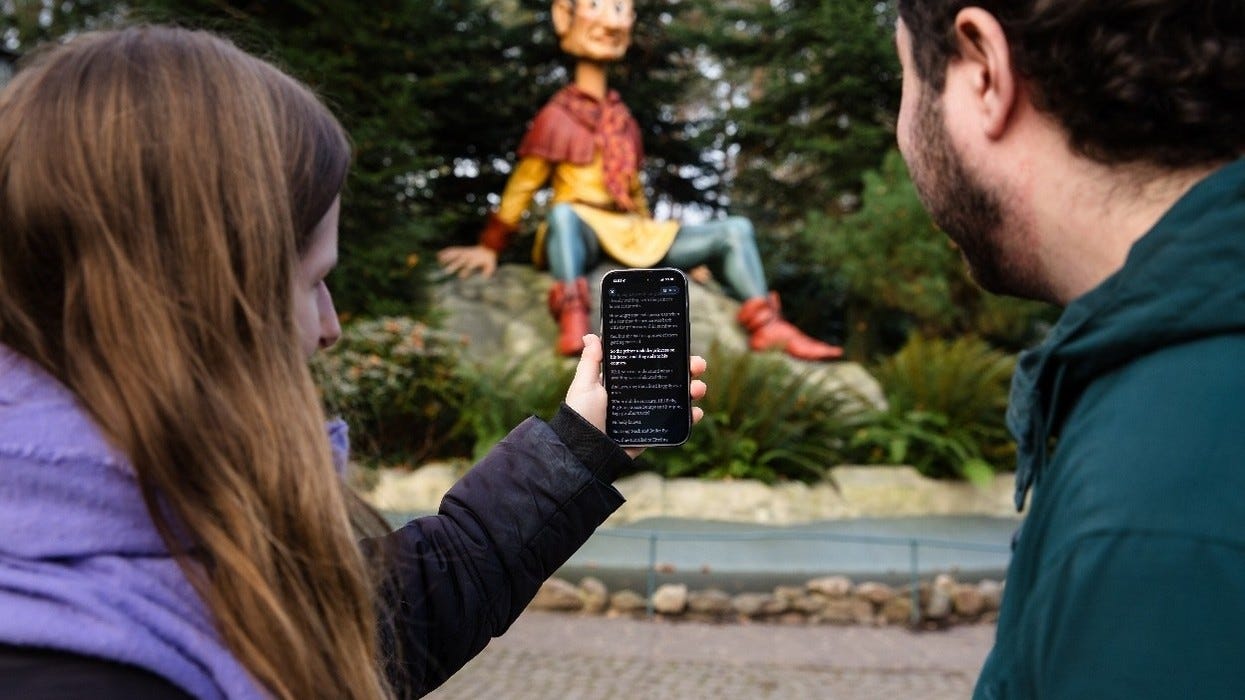
Hats off to Efteling for expanding accessibility across the park with synced subtitles, multiple language options, and upcoming audio descriptions created with input from guests who rely on them. The motivation? If guests can’t engage with an experience, it’s not successful. And that applies to all guests. Inclusive design should never be an add-on or afterthought. It’s fundamental to every experience.

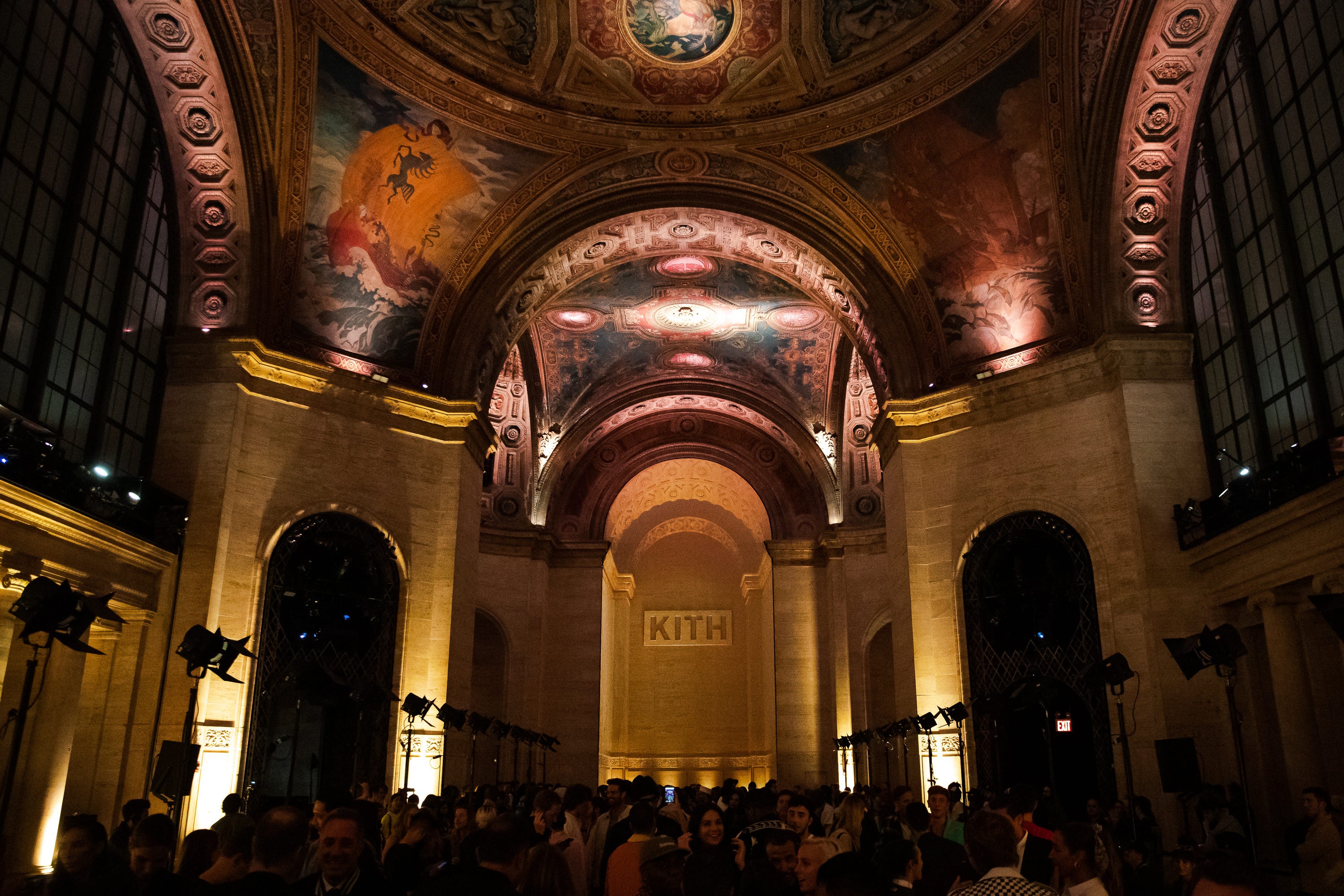
Knowing your audience means knowing how they experience culture now, both in the room and on their screens. This Kith show at New York Fashion Week is a great example. Moment Factory designed a cinematic runway that felt immersive in person while translating seamlessly to digital and social. Projection, lighting, and sound weren’t there for spectacle. They were tuned to how Kith’s audience consumes fashion, story, and hype in real time.

Small Museum Association Conference
Feb 16-18 | York, PA
Building Museums Symposium
Mar 11-13 | Baltimore, MD
SEGD Branded Environments
Mar 17-19 | Los Angeles, CA
Association of Children’s Museums: Interactivity
Apr 21-23 | San Diego, CA

Comments
Nothing yet. Say the first thing.
Sign in to join the conversation.