
Hi friends,
The headline this week isn’t about immersive experiences.
It’s about the spaces that host them.
Theaters, museums, restaurants, hospitals, retail stores, sports venues. They've always been designed around the people who use them. But they also had fairly distinct purposes.
Today, experiential is shaping how these spaces are conceived.
The stories in this issue all point in that direction.
Stadiums are being rethought as multi-use destinations with year-round relevance.
Historic properties are being revived for a new generation.
Empty storefronts are transforming into theatrical media.
Healthcare environments are incorporating experiential storytelling.
It’s exciting because the work we do isn’t just influencing experiences anymore. It’s influencing the very DNA of the places where those experiences happen.
Our industry continues to raise the bar.
And the spaces around us are leveling up with it.
- Eric
How can you get the most out of your next experiential venue?
Grab a time on my calendar and let’s talk strategy.

Who’s building the experiential spaces of tomorrow? As venues evolve, architects, general contractors, and interior designers are increasingly relying on experiential specialists like Bridgewater to help solve challenges traditional vendors weren't built to handle. Hear why this collaboration is becoming so important, and why the best experiences are often won or lost long before construction begins.

Stadiums are Becoming Platforms
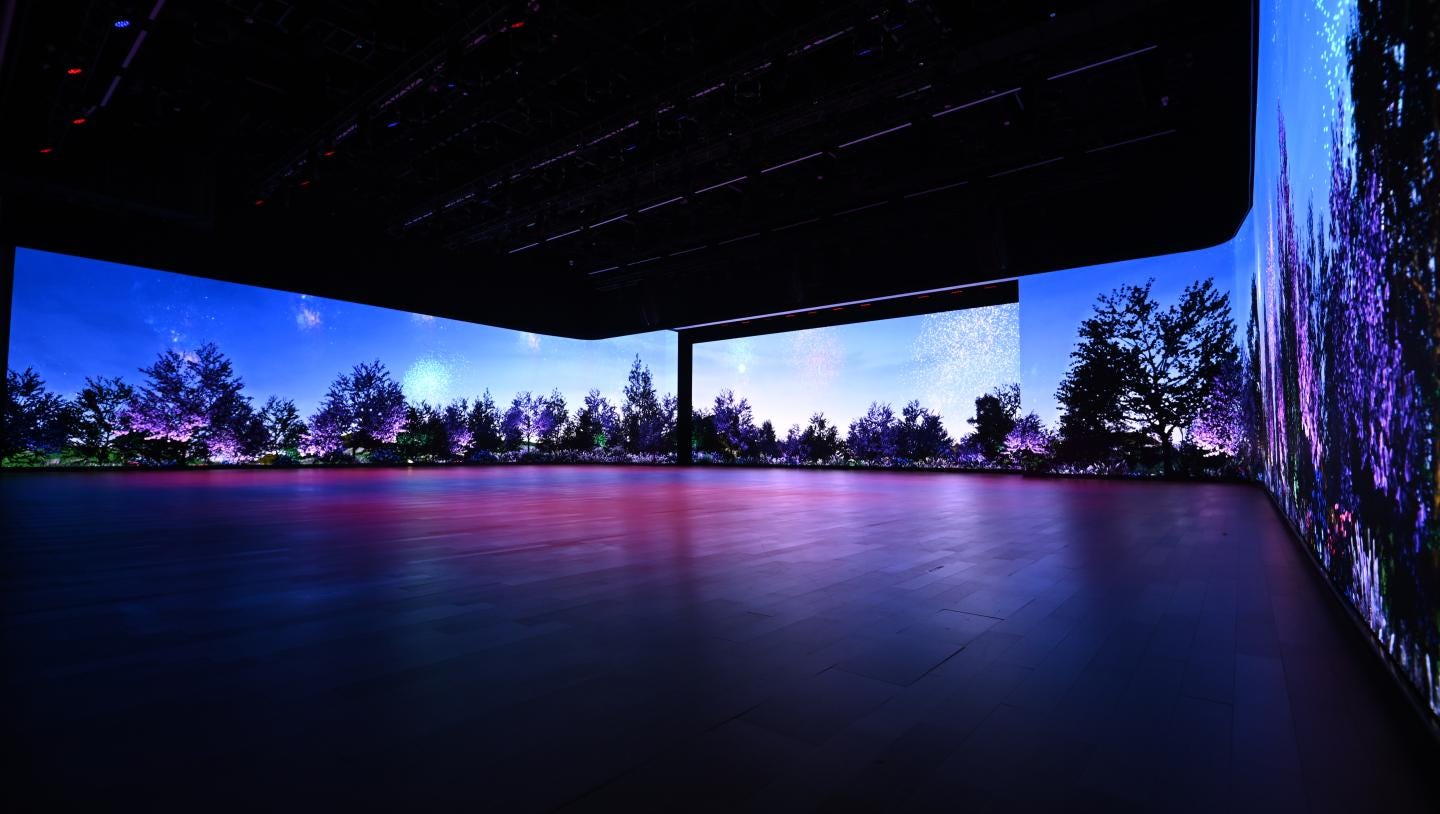
This Disguise report looks beyond the familiar mix of games and concerts. It explores how stadiums and arenas are being rebuilt as flexible, tech-first platforms designed to be useful year-round, personalize audience engagement, and support everything from esports to exhibitions and community life. The bigger story is how experience is changing the infrastructure and business model behind the venue itself.
Before You Book a Historic Venue
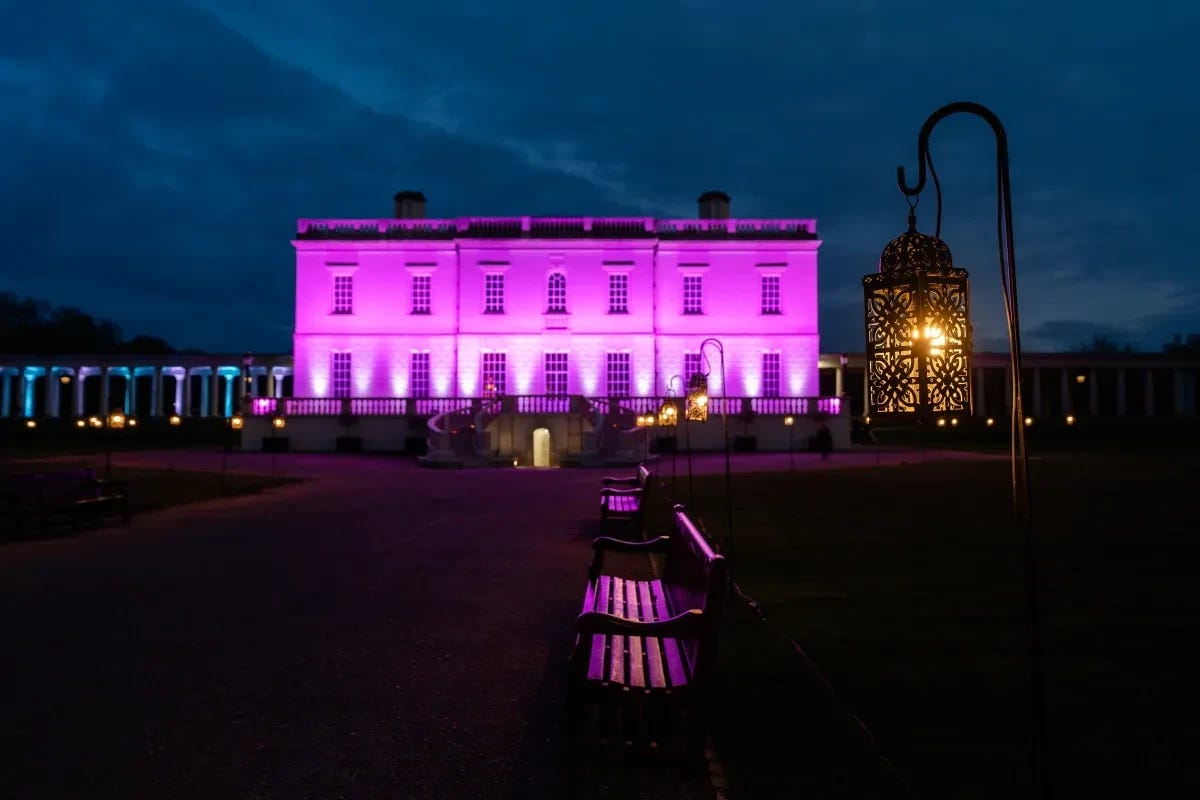
Considering an experience inside a castle, opera house, mansion, or other historic property? This story covers the practical issues teams often underestimate, like permits, electrical capacity, climate control, surface protection, access, and restoration. It pays to understand how much planning and organization is required to pull off a successful event at a heritage site.
A Storefront Becomes Living Theater
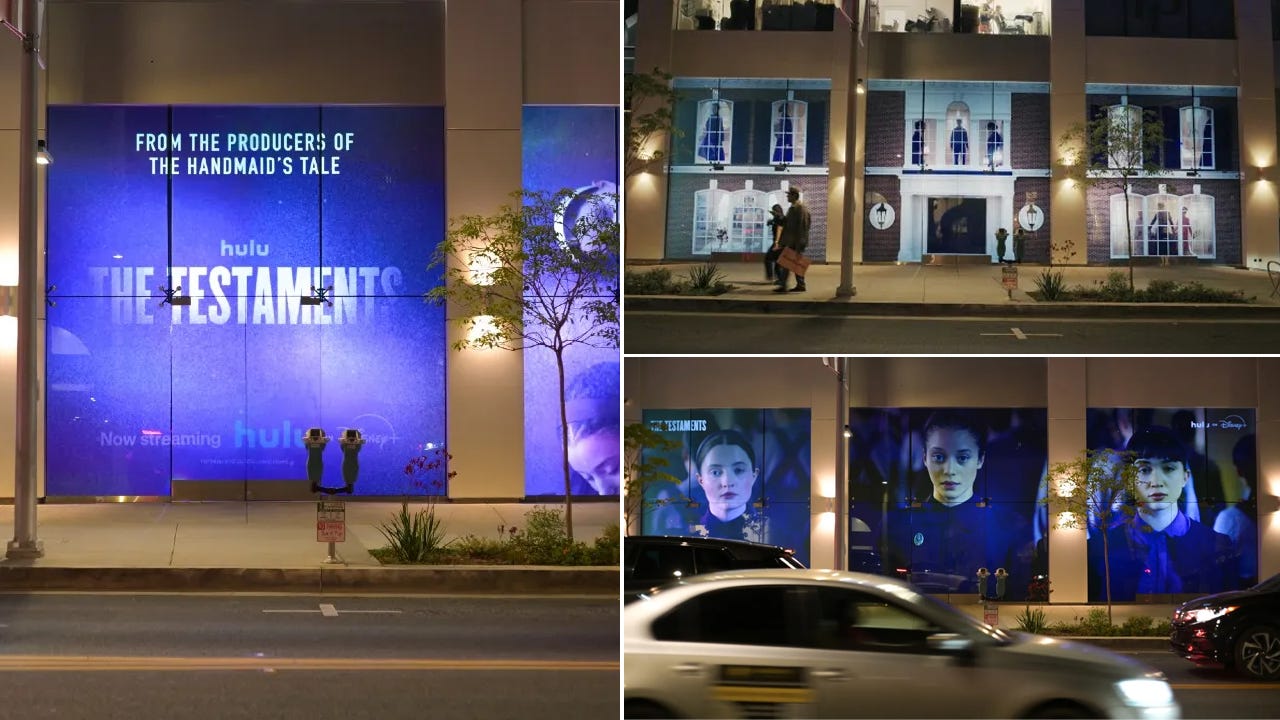
Pop-ups in empty retail spaces are nothing new. But this Hulu campaign takes the idea to the next level. Layered projection and window graphics transformed a vacant Melrose Avenue shop into a living dollhouse inspired by The Testaments. The room-by-room illusion turned the glass frontage into pure cinematic storytelling, offering a wildly innovative look at what an unused storefront can be.
Powerful New Uses for Experiential
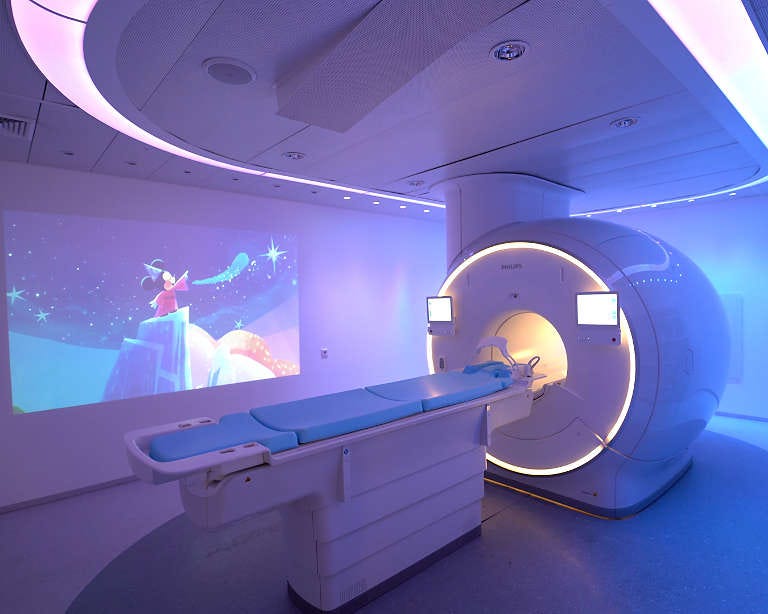
This one genuinely inspired me. Disney and Philips are using characters, animation, lighting, and storytelling to transform pediatric MRI scans into calmer, more comforting experiences. It is not a campaign, attraction, or entertainment concept. It’s an entirely different use for our craft, helping anxious children feel safer while improving cooperation, reducing retakes, and supporting better care.

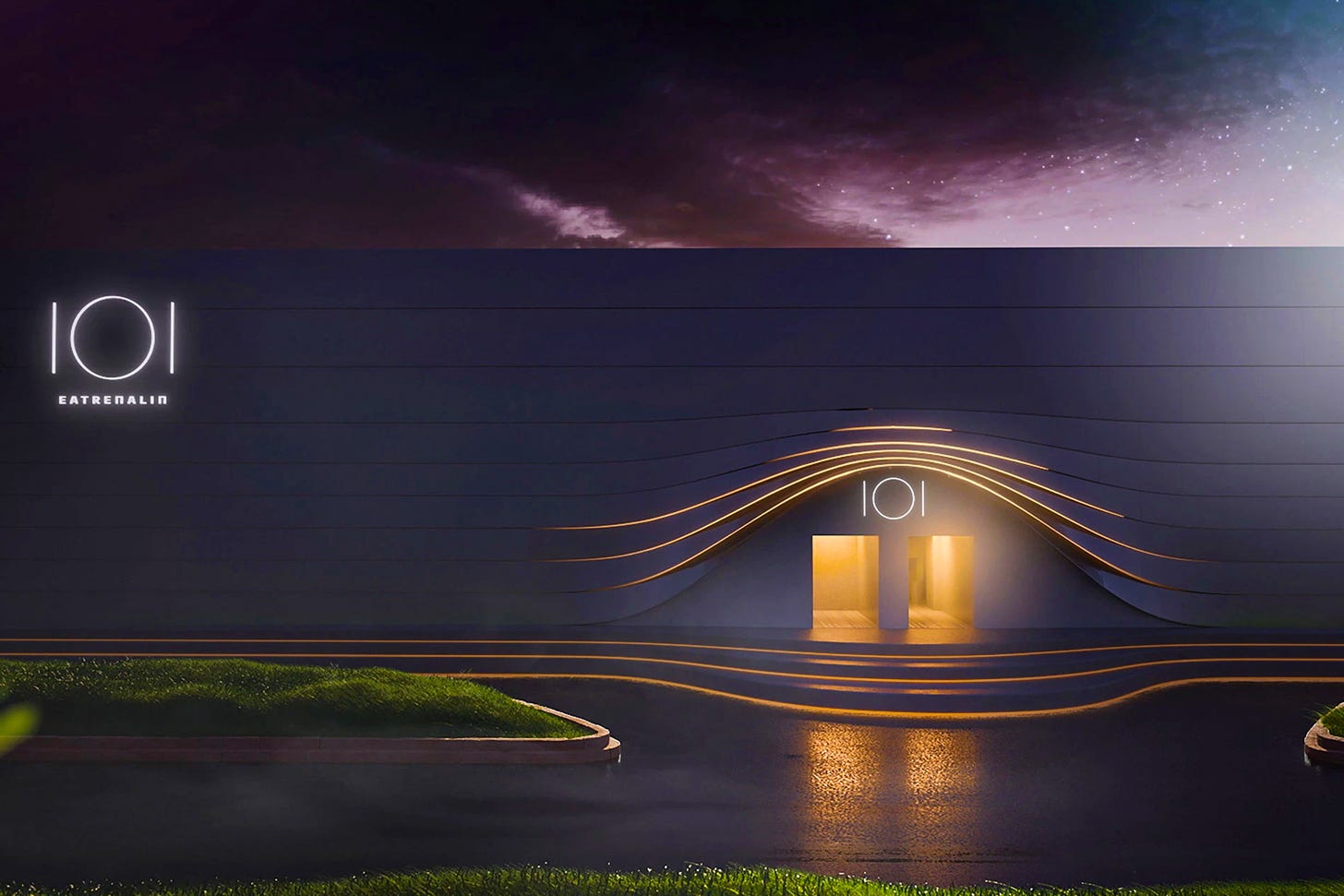
This is next-level immersive dining. At Eatrenalin, guests travel through ten themed rooms in floating chairs while lighting, projection, sound, and storytelling guide an eight course meal. I wouldn’t blame you for thinking it’s just another themed restaurant with mediocre food… but Eatrenalin just earned a Michelin star. Has experiential fine dining finally arrived?

Retail Spaces
Sept 27-29 | Palm Springs, CA
International Museum Construction Congress (IMCC)
Oct 25-27 | Munich, Germany
MAPIC
Nov 3-4 | Cannes, France

Not a subscriber yet? You’re missing a weekly snapshot of the experiential industry from inside the trenches. Let’s do this!

Comments
Nothing yet. Say the first thing.
Sign in to join the conversation.