
Hello, my dear friends!
Yes, even you over there with entomophobia. I see you; come join the circle.
I have invited you all here today to solve world hunger. Snacks will be provided.
Starts passing around a bowl of chocolate-covered crickets.
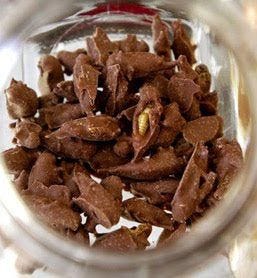
Ahhh, now where were we?
Yes, world hunger.
Approximately 9 million of our fellow humans die from starvation every single year. That is an unacceptable number if you ask me.
I recently took a college class titled Food Systems, where we spent hours discussing global food markets, food trade, and how they all work together. While that may sound boring, it was fascinating.
We spent many contemplative minutes puzzling over our messed-up food system, and, if you can believe it, there are no super-great answers.
I am not going to bore you into listening to me speak on global politics and things that, frankly, I hardly understand, so I won’t even try. Instead, I want to share a singular way that more people could be helped, just by getting over a little fear.
First, this world overproduces food. It is not a problem of having enough; it is a problem of distributing it adequately. We have enough to feed everyone. In fact, we Americans waste 30-40% of our food supply.
With that sorted out, why does my solution of eating bugs help anything at all?
As someone who has farmed not one but three types of bugs (earthworms, bees, and mealworms), I do have a bit of experience on the topic.
Accessibility.
When you think of livestock, it often entails expensive infrastructure, land, purchasing large numbers of animals, and needing lots of employees to manage the operation, etc.
Many areas are not well suited to this type of farming.
The simple fact is that bugs are easy to raise.
You can do it in the city, in your apartment, on your kitchen countertop, and pretty much anywhere else you can think of.
Bugs can thrive on food byproducts like damaged produce, oatmeal as a substrate, and minimal water, making them low-maintenance and requiring fewer inputs.
Not only are they an accessible food source, but they are jam-packed with nutrients.
Let’s take a peruse through the nutrition facts of mealworms compared to other meats(there are multiple insects that are used as food, but for today’s purposes we’ll hone in on the mealworm):
-Dried mealworms are 53% protein compared to 20% protein in other meats.
-They provide a complete protein with amino acids your body needs to be healthy, similar to meat protein. Chickpeas, for example, do not have complete proteins (it should be noted that vegans/vegetarians are usually able to get their other essential amino acids from the rest of their diet).
-Mealworms are 28% unsaturated fat, which is considered a better alternative compared to the saturated fats found in most meats.
-Mealworms contain dietary fiber, which is not found in animal meats.
-Additionally, mealworms are full of micronutrients and can be great sources of magnesium, zinc, and phosphorus.
Who is out there already eating bugs?
I’m so glad you asked!
There are approximately 8.3 billion people worldwide. 2 billion of those people eat insects as part of their regular diet, according to the Science Museum of Virginia.
That is about 1/4 of the entire world, and is primarily made up of developing countries.
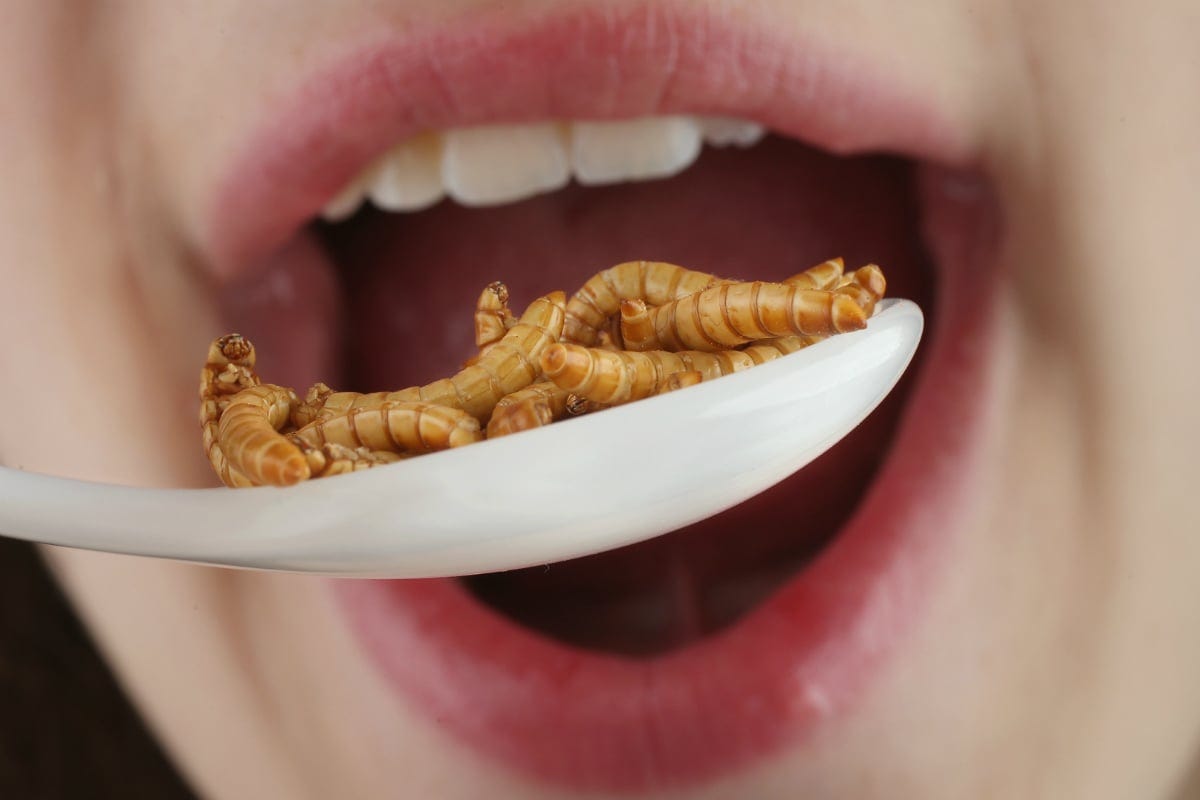
Who is not out there eating bugs?
I have had the pleasure of being introduced more to the idea of eating bugs these last couple of years and have, in return, enjoyed telling everyone I know that:
“I want to increase my entomophagy!”
As you can imagine, that has garnered a variety of different responses:
“You want to eat WHAT?”
“How many bugs have you eaten?”
“That is disgusting.”
“Good for you, I guess, but I could never.”
And of course the occasional:
“That’s AWESOME!”
It may not be hard to guess that developed countries, such as the United States, have far less enthusiasm surrounding consuming insects.
There is nothing wrong with eating insects. In fact, when you probe people further about “why not?” you will always get the same response:
“It’s just gross.”
Is it gross? Or is that simply what our culture has deemed it to be? Have we been wrong about consuming bugs all along? Could it be beneficial for us here in the United States? Will McDonald’s create a new product called the McMealworm?
Time will tell.
My solution?
Why don’t we start setting up bug farms in food deserts?
Food deserts are geographic areas where residents lack access to affordable, nutritious, and fresh food (More on food deserts).
Sure, in some areas it will be more well accepted than in other locations.
Setting up bug farms in the 22 food deserts in Chicago is probably not going to be met with enthusiasm.
But why not?
How do we get rid of the stigma surrounding eating bugs?
If people could simply get over the fear they have created in their minds, they would find that not only is eating bugs not gross… but they even taste pretty delicious.
Yep. I said it. Bugs taste good.
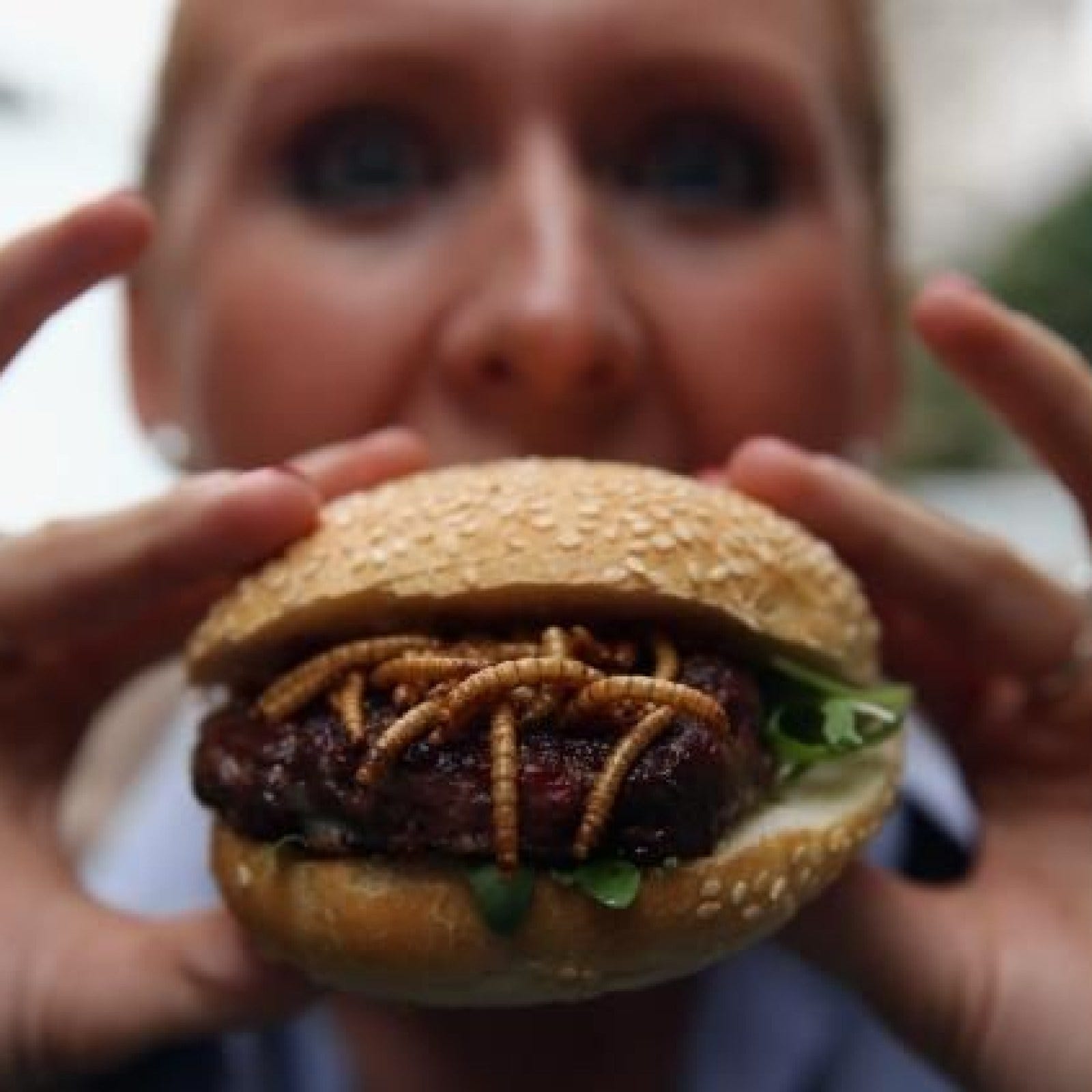
Fry up some mealworms in your oven and tell me the aroma is not enticing!
Do I prefer fried mealworms over burgers?
No.
But if we are trying to solve world hunger, simplicity is not a crime.
If you’re really hungry, you will eat what is available to you. If nothing is available to you, that is what is heartbreaking.
Providing a sustainable protein source that is considerably easier to farm than any other type of livestock is crucial to offering nutrition for all humans.
Even if you are not struggling with food insecurity, I would highly recommend that you set aside your preconceived notions about bugs and give it a try.
Who knows? You may end up enjoying it.
Solving world hunger is not a matter of:
“How do we cram more animals in smaller spaces?”
It is a matter of utilizing the most sustainable methods of sustenance to their fullest potential.
The truth is that mealworms can be grown all over the world under a variety of conditions.
A lot of people are already eating bugs on a regular basis.
So why aren’t we?
Why aren’t there more people farming bugs?
Why aren’t there more people eating bugs?
Once we are able to get to the roots of those questions and release the invisible barriers in people’s minds, that is when we can start to see this very not-so-crazy idea start to make real progress in our food system.
The problem isn’t nutrition, cost, or viability; it’s perception.
When we can change what we consider food, we can change the lives of the people who need access to food the most.
-Briar Albaugh
Comments
Nothing yet. Say the first thing.
Sign in to join the conversation.