
I have a lot of feelings about Gorillaz.
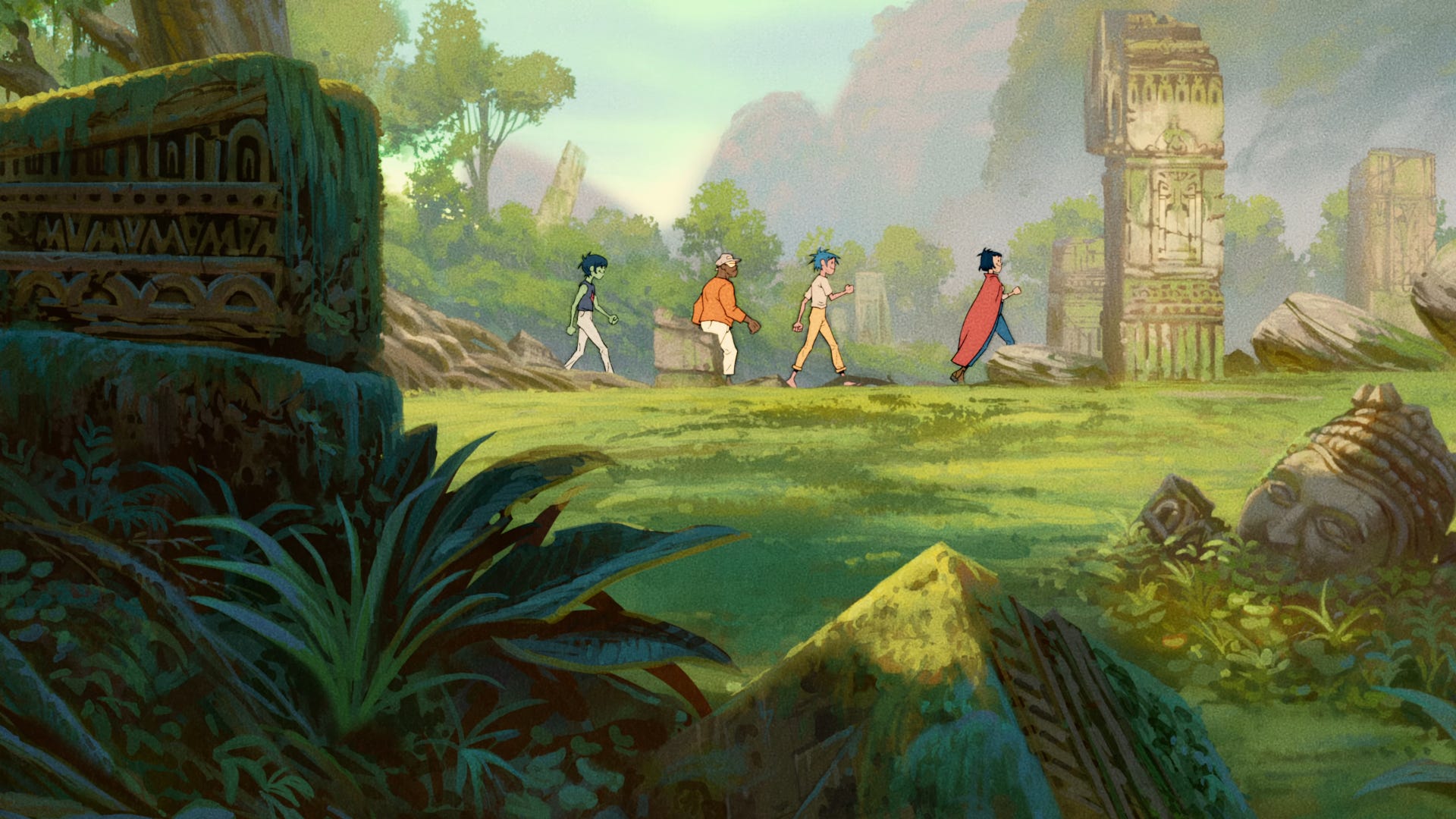
Gorillaz were my first favorite band, and Clint Eastwood was the first rap song that I really got into. I was just entering eighth grade when the first, self-titled album dropped and blew my mind. There was truly nothing else like it at the time, and I became incredibly obsessed, listening to every song I could find through Kazaa, combing through their website and various fansites, reading interviews, exploring the stuff that influenced Jamie Hewlett and Damon Albarn, and drawing art that was very much ripping off Hewlett’s work. I stayed up on the night that Toonami played their videos alongside the Daft Punk videos that Leiji Matsumoto directed. This stuff changed me, like, altered my brain chemistry, you know? I forgot how much Gorillaz shaped me, they’re in my DNA. I identified so much with 2-D, minus the painkiller addiction, and recently remembered how one of my own comic characters was directly based off of them from a visual standpoint.
Also, here’s a confession: I was on a fan forum back during this time, where four people pretending to be the actual band members were prominent. I thought they were real, and I thought the real 2-D (not Damon Albarn) was an internet friend of mine. I was not a smart teenager.
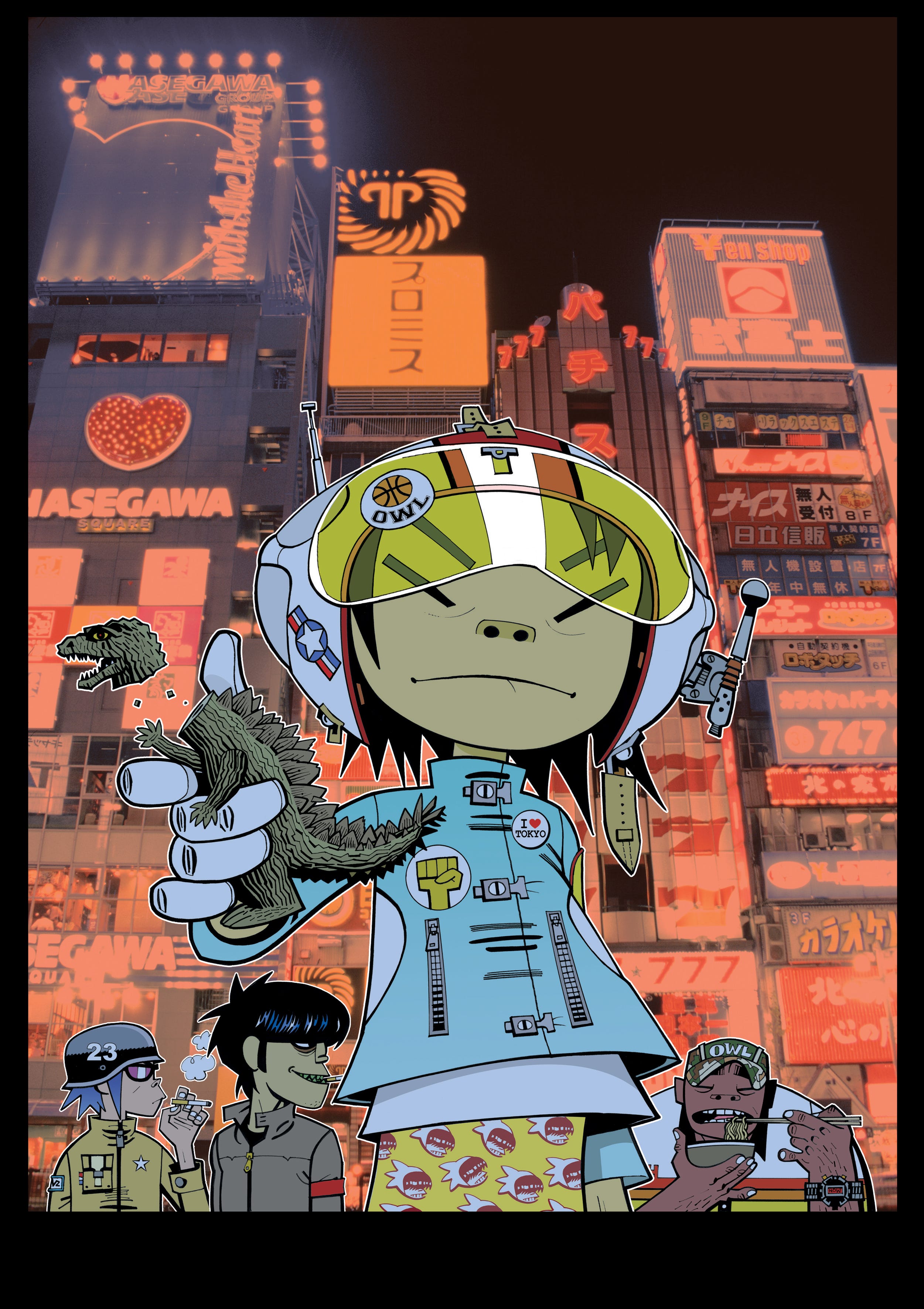
I stopped being super obsessed with them at some point in college. I think Plastic Beach didn’t click with me at the time since it was a much brighter, cleaner album than the self-titled and Demon Days were. I mean, how do you follow Demon Days anyways? But I always paid attention when they dropped something new, they always seemed to have pretty incredible timing in how they’d just vanish for a while and resurface at the right moment. Following Jamie Hewlett on Instagram was super inspiring too. They may have stopped being my favorite band, but they never completely went away either.
Fast forward 25 years with seven albums in between, and their newest work, the Mountain, has hit and I can’t stop thinking about it. I’ve listened to it repeatedly and also have watched the short film released with it multiple times, just soaking in its beauty and crying every time Noodle faces 2-D/the audience and mouths “I love you.” The way it’s about facing death and grief in a way that isn’t slathered in darkness like those early albums, and the way they use previously unreleased recordings of collaborators who have passed away in the 25 years that have passed is just lovely? It doesn’t feel exploitative or bad in any way, it’s like sharing a photo you found of a loved one that you’d never seen before or forgot about. Seeing Hewlett and Albarn casually mention in an interview that 2-D came out as nonbinary warmed my heart so much, and I admittedly wasn’t all that surprised given that they published a letter from a fan who transitioned in the book Gorillaz Almanac. But yeah, I also went a little mad, spending my day off watching every one of their music videos and poking around the internet, thinking about their history and my connection with them, and that’s why I’ve written this silly essay that you’re reading right now.
Last year, a friend was looking for things to listen to on a long road trip, and I recommended Gorillaz simply for the sheer number of collaborators Albarn and Hewlett work with on each album, from all over the world, and how over time that led to a truly cross-cultural, international sound. It really clicked for me on the Manifesto, where Trueno raps in Spanish over gorgeous Indian instruments and it all feels so unified, gels together so well. That track to me feels just as quintessentially Gorillaz as Clint Eastwood and Feel Good Inc do.
Collaboration is the spirit of the band: crossing genres, borders, and more. It works in part because Albarn knows when and how to step out of the way and let his partners do their thing, and it’s clear he knows how to get these collaborators to bring their A game. There’s no ego there, dude genuinely enjoys writing and creating music, playing around, and bringing other people in to play along with him. Sparks wound up on the Mountain because both bands played a festival together and Sparks left a note for Albarn saying they’d love to work together with him. That’s all it took! I also watched the documentary Gorillaz: Reject False Icons after going through all the music videos, and so much of it is just watching Albarn screwing around with guest artists and the touring band, cracking up and having a good time while Hewlett hangs out and draws. In one scene Albarn’s sitting with a guitar next to Mavis Staples, and he tells her “there’s no right or wrong, there’s just what we do,” which is just…when it comes to creating, that’s such an incredible statement that he just casually throws out next to a music legend he’s giggling with.
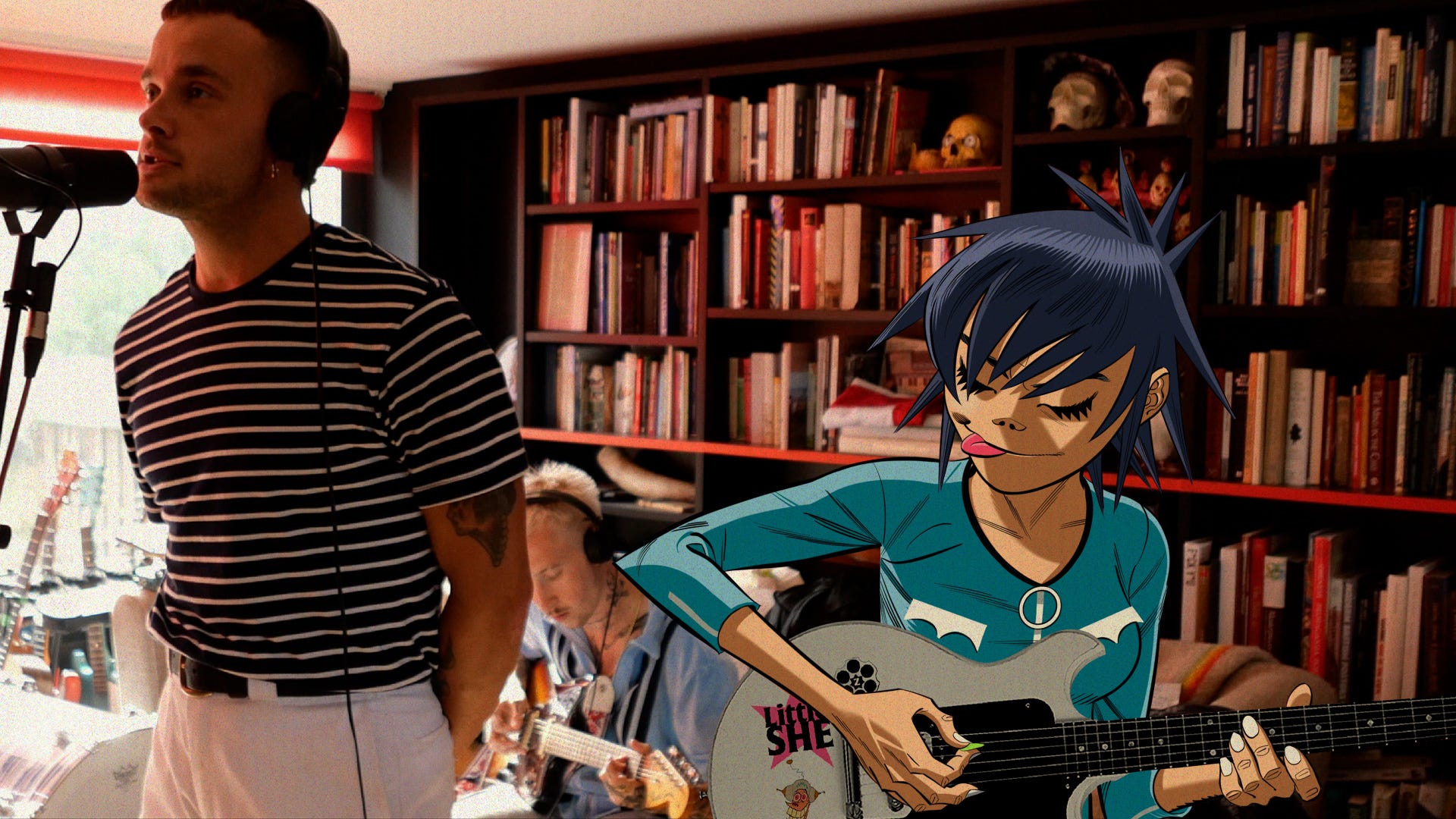
(a sense of playfulness is also integral to Gorillaz: so much of their toyetic, cartoonish sound comes from Albarn just playing with toys, instruments, and toy instruments!)
But it also makes me think about some of the movies Ishiro Honda directed during Toho’s sci-fi golden age, especially the 1962 film Gorath, where the world’s nations unite to save the planet from destruction. And how that spirit carried into Pacific Rim, a movie which director Guillermo del Toro stated is about the world uniting to save the world. International collaboration without feeling colonialist. I dunno, it’s just super cool, especially living in a country that keeps trying to start useless fucking wars every other week.
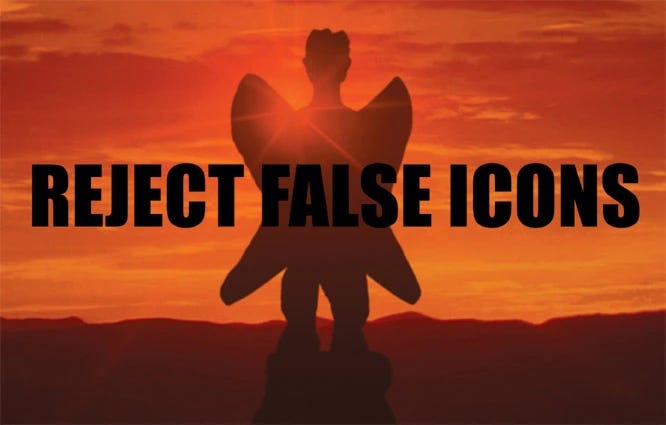
And then there’s the core idea that started things off: making the ultimate manufactured fake band in a world filled with fake artists who have nothing to say. It’s weird how quaint that sentiment is 25 years later when the media is just flooded with influencers and people who are famous for seemingly no reason, with companies trying to crank out AI actors and influencers to sell us more junk. I had forgotten that, when Demon Days was announced, it was with a video for the b-side (or uh, D-Side) Rockit, and the video ends with the slogan “Reject False Icons.” It’s wild that these characters designed by a comic artist feel so real, right? And there’s almost always been some message behind each major album, each one feeling like a real reflection of the times we’re living in and how things just keep getting weirder and worse all around. Some of the music videos haven’t aged too well, largely due to budgetary limitations and such, but the music itself and the lyrics, whether they come from Albarn or any of his guests, still feel so fresh.
There’s one lyric, sung by Albarn on the Manifesto, that I keep coming back to, while thinking about all these friendships he formed with this weird little cartoon band, and it makes me want to cry every time I hear it:
What a wonderful thing it is, to realize you’re not alone, that so many others out there have felt and continue to feel the way you do, and how great is it to be able to share that?
I guess that’s all I’ve got. I don’t know where Gorillaz will go next, or if this is really it, but I’m grateful to have lived in the same time as them, to have gotten to experience so much incredible music and art because of them.
What a long, strange, beautiful journey this weird animated band has been on, and what a pleasure it’s been to follow them while on my own long, strange, beautiful journey through life.
Thanks for reading Burst Reach! This post is public so feel free to share it.
No posts
Comments
Nothing yet. Say the first thing.
Sign in to join the conversation.