
There is a specific kind of discomfort that comes from sitting alone in your apartment on a Friday night with no plans. Nothing is actually wrong, but you become hyperaware of what your life might look like from the outside.
You start imagining what someone would think if they could see you sitting there. Would they assume you have no friends? That nobody invited you anywhere? That your life is boring or sad?
I spent years feeling this way, and it took me a long time to realize that I wasn’t uncomfortable because I was alone. I was uncomfortable because of what I thought being alone said about me.
Being alone is a circumstance. Loneliness is a feeling. The two can exist together, but they aren’t the same thing.
I assumed getting into a relationship would solve the problem. Then I assumed moving somewhere new would solve it. I moved across the country expecting a new city to turn me into a different person, only to discover that you bring your internal problems with you - even when you pack up your entire life and move 2,000 miles away (ever heard the saying, wherever you go, there you are?)
It took that experience for me to realize I didn’t need to get better at avoiding time alone. I needed to build a life I genuinely enjoyed being present for.
For a long time, I treated my life as though it were the temporary version. I had an apartment I loved, close friendships, a successful business, and so many parts of my life that I had once wanted. But I struggled to fully appreciate any of it because I was still waiting for the missing piece. In my mind, my real life would begin once I was in a relationship. Until then, everything felt slightly incomplete.
This is a very easy trap to fall into because there is always another milestone we can use to delay our own happiness. We’ll enjoy our lives once we find a partner, move to a better city, make more money, lose weight, become more confident, or finally feel settled. The specific milestone almost doesn’t matter… but the pattern is the same: we place our current lives on hold while waiting for a future version to arrive.
The problem with waiting for your life to start is that you stop participating in the life you already have.
You don’t decorate your apartment because you might move (guilty). You don’t book the trip because you’re waiting for someone to go with you (guilty). You don’t establish roots because you aren’t sure where you’ll end up (guilty). You don’t invest in your current season because you’ve decided it isn’t permanent enough to matter (guilty).
But the reality is that no season of life is permanent. That doesn’t make it disposable.
I had to stop treating my single life as a gap between relationships and start treating it as an entire chapter of its own that may not actually end. It’s not a lesser version of my future life. It is the life I am actively living, and I am responsible for deciding what I want it to feel like.
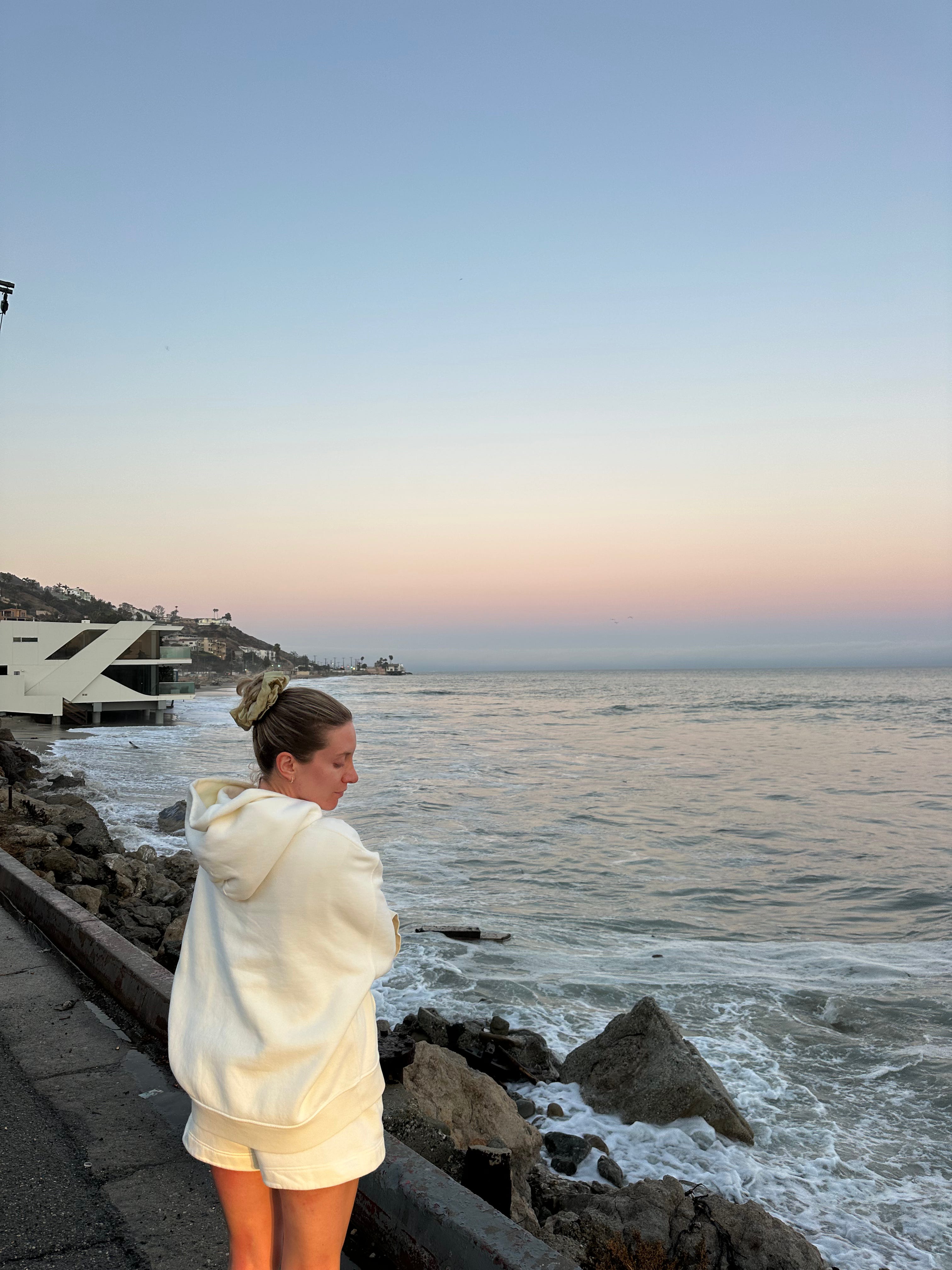
What are you currently putting off “until”? Until you’re partnered, until you move, until your career feels more secure, until you have someone to do it with? What would you do differently if you stopped waiting?
What I can say with 100% certainty is that learning to enjoy being alone didn’t happen because I repeated affirmations in the mirror or decided I no longer needed anyone. It happened because I started making my day-to-day life more enjoyable.
This distinction matters a lot, because you can’t build a life you love through mindset alone. At some point, you have to change how you spend your time.
For me, that meant becoming more intentional about my routines, my health, where I lived, and what I put on my calendar. It also meant finding hobbies that had no connection to my work or productivity.
I started doing ceramics and I got into needlepoint. I now spend more time cooking and reading. I joined workout classes instead of working out alone in my apartment. I created plans that gave me something to look forward to, even when those plans weren’t dependent on another person.
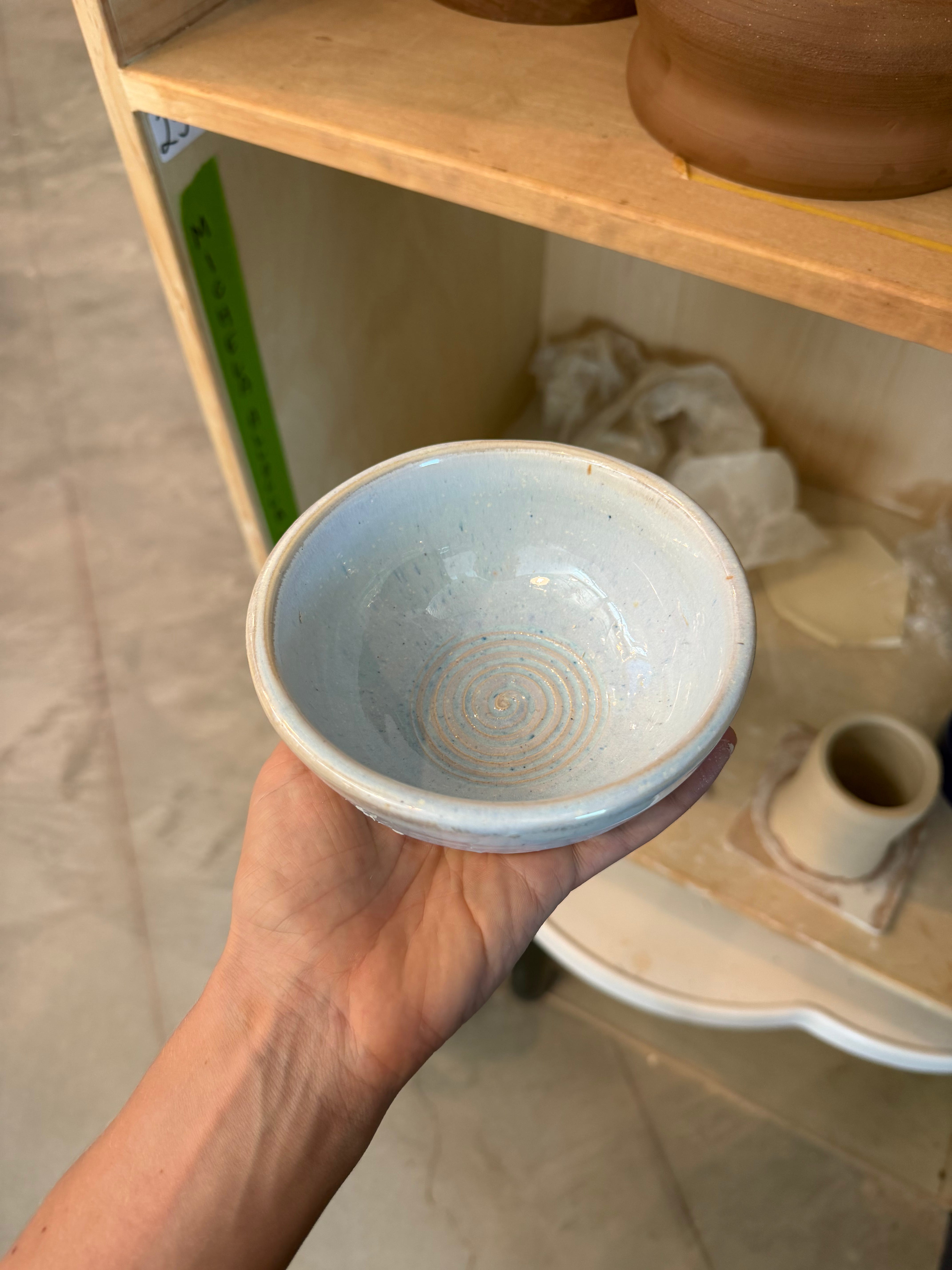
None of these decisions transformed my life overnight, but they have made my ordinary days feel a lot fuller, which eventually changed how I felt about my life as a whole.
I think hobbies are one of the most overlooked ways to improve your quality of life as an adult. So many of us build our identities around work, relationships, and what we accomplish, and when we remove those things (either by choice or otherwise), we aren’t always sure what is left.
A hobby gives you somewhere to direct your attention that isn’t attached to an outcome or a job or even another person. You don’t have to monetize it, master it, or use it to improve yourself. It is something you can do simply because you enjoy the process.
A full life isn’t built exclusively from major milestones. It is built from ordinary days that contain things you genuinely enjoy.
If your life feels empty, and you aren’t sure why, it doesn’t necessarily mean you need to change everything all at once or do something dramatic (trust me .. learned this from experience). Instead, you may just need more interests, more novelty in your daily routine, or more reasons to leave your house. You may need a standing class on your calendar or a project you can work on without worrying whether it will lead anywhere. I recommend starting with a monthly curriculum, and I have a podcast episode from earlier this year where I dig into how to create one!
The goal here isn’t to keep yourself constantly busy so you never notice that you’re alone. The goal is to create a life that feels engaging enough that being alone doesn’t automatically feel empty, and you can find comfort in knowing that you’ll be okay.
One of the biggest changes I made was learning to experience my life without constantly evaluating how it might appear to someone else.
I used to narrate my own life through an imaginary audience. If I spent a weekend at home, I wondered whether other people would think I was lonely. If I went somewhere alone, I wondered whether they would assume I had nobody to go with. If my social calendar was quiet, I treated it as evidence that something was wrong with me. Most (all) of the time, nobody was actually judging me or even thinking about me. I was judging myself and assigning those thoughts to other people.
I was so focused on how my life might be perceived that I wasn’t paying attention to how it actually felt.
Social media makes this much harder because we’re constantly seeing evidence of other people doing things together. We see the dinners, trips, weddings, parties, and the highlights. But what we don’t see are the quiet evenings, canceled plans, lonely moments, or ordinary weekends behind them.
When we compare our full experience to the most social parts of someone else’s life, our own lives can start to feel inadequate. But what looks fulfilling from the outside and what feels fulfilling to the person living it are two completely different things. A life can appear busy and still feel deeply disconnected. A life can appear quiet and feel peaceful, interesting, and full.
I eventually realized I had been asking myself the wrong questions. I was asking whether my life looked good, whether it matched what other people were doing, and whether someone else would approve of my choices.
The more useful question was much simpler:
Do I actually enjoy my life?
Not whether it photographs well or matches some imaginary timeline or if someone else wants to trade places.
Do I enjoy waking up in my home? Do I enjoy the way I spend my time? Do I have things I look forward to? Am I making decisions based on what adds to my life, or based on what I think my life is supposed to look like?
There were parts of my life I genuinely wanted to change, and there were parts I only thought I should want to change. I couldn’t tell the difference until I stopped evaluating everything through someone else’s perspective.
If every decision is designed to make your life appear full, you can end up performing a version of happiness you aren’t actually experiencing.
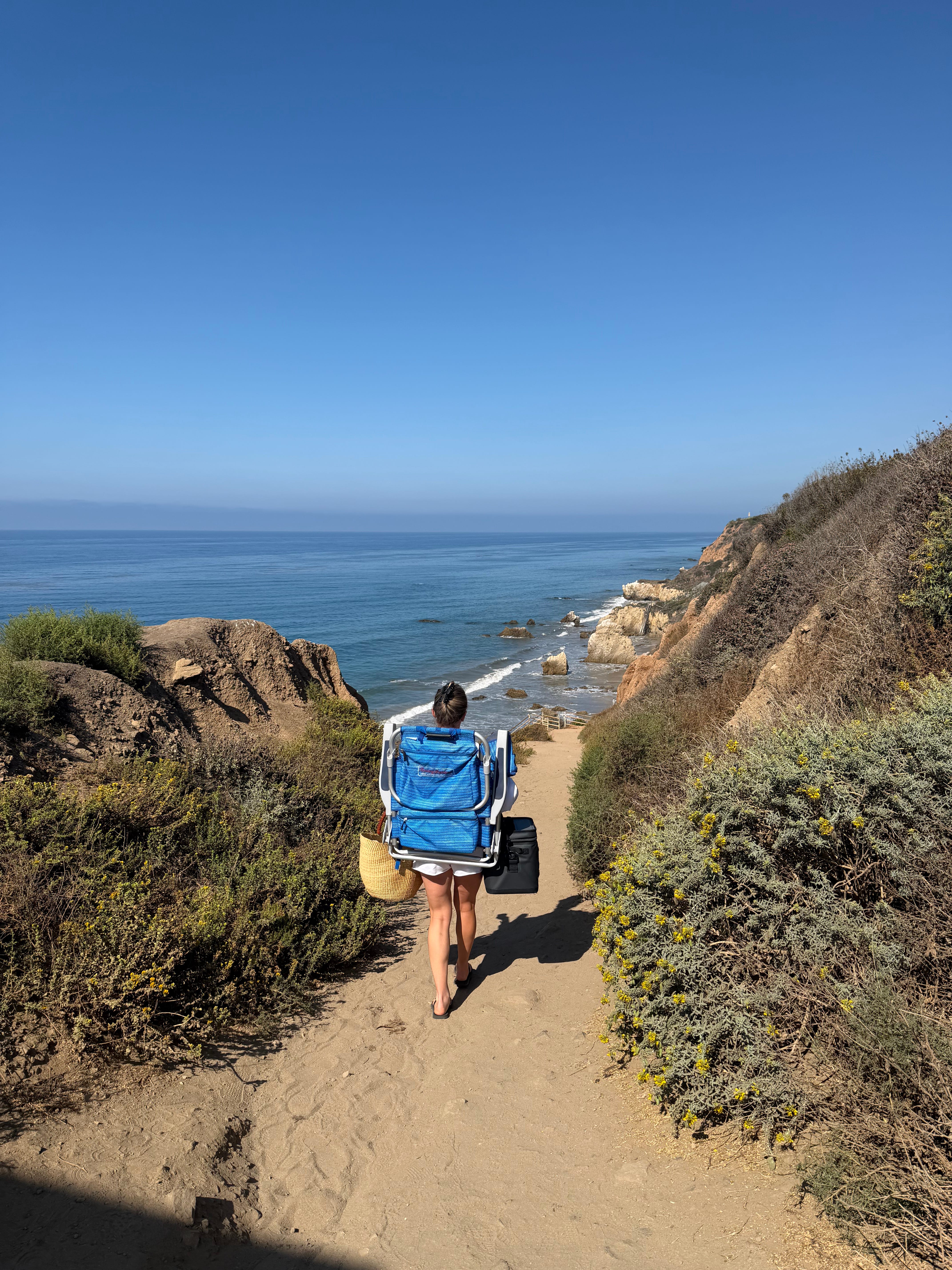
Enjoying your own company also doesn’t mean training yourself to stop needing other people. I am a very independent person. I can do most things on my own, I prefer to, and I enjoy a significant amount of time alone. But independence can become isolation when you use it as a reason to never initiate plans, ask for support, or allow yourself to need connection.
Being comfortable alone and having a strong community are not competing goals. You need both.
The difficult part is that community rarely appears without effort, especially as an adult. You have to initiate. You have to attend events where you don’t know anyone. You have to text first, make the plan, and continue showing up long enough for familiarity to turn into connection.
Sometimes that also means spending money. I stopped working out at home because I realized I had optimized almost every reason to leave my apartment out of my day. I worked from home, exercised at home, ate at home, and completed most of my errands online. It was convenient and efficient and less expensive, but it also meant I could go through an entire day without interacting with another person. No bueno.
For me, starting to go to workout classes weren’t just a fitness decision; it became a quality-of-life decision.
The same could be true of a ceramics studio, book club, co-working space, volunteer group, or any environment where you see the same people consistently. You don’t necessarily need another networking event or one-time social plan. You need repeated exposure to people with whom you already share an interest.
You also have to become willing to go first. It’s easy to interpret a lack of invitations as proof that people don’t want to spend time with you. But other people may be busy, distracted, uncertain, or waiting for someone else to initiate, too. Building community requires being willing to risk a small amount of rejection instead of waiting indefinitely for connection to arrive at your doorstep.
When was the last time you initiated connection instead of waiting for someone else to do it?
For years, I treated loneliness as proof that I was spending too much time alone. That made the solution seem obvious: find more people, fill more time, get into a relationship, or move somewhere new.
But loneliness is not always caused by a lack of people. It is caused by a lack of connection.
You can feel lonely in a crowded room. You can feel lonely in a relationship. You can have a full social calendar and still feel as though nobody truly knows you. You can also spend an entire weekend by yourself and feel content.
Solitude is time spent alone. Loneliness is the feeling that you are disconnected - from other people, from your environment, or from yourself.
When I moved across the country, I believed changing my surroundings would change how I felt. Instead, I removed myself from the routines, relationships, and familiarity I already had. The problem became more obvious because I could no longer blame it on my previous environment. I had tried to outrun the feeling instead of understanding it.
Coming back from that required me to pour more into my own life. I had to rebuild my routines, develop interests outside of work, initiate plans, and create more opportunities for regular connection. I also had to learn that a quiet day wasn’t evidence that my life was lacking anything, or that there was anything wrong with me.
A relationship can add love, partnership, and support to your life. It can’t be responsible for giving your entire life meaning. It’s also not the only source of that love, partnership, and support. If you treat another person as the starting point for your happiness, you place an impossible amount of pressure on the relationship while continuing to neglect the life surrounding it.
Learning to spend time alone is not about becoming so independent that you never need anyone. It is about knowing that your life is still worth participating in, even when nobody else is present. Your life does not begin when someone chooses to join it. It is already happening!
If this resonated, the full episode goes deeper into my own experience - including the year I spent trying to outrun loneliness in a different city, why moving made it worse, and what actually helped me find my way back to myself.
XX
Michela
No posts
Comments
Nothing yet. Say the first thing.
Sign in to join the conversation.