
Here's a little-known fact about me — I was a high school dropout. I didn't even make it a month into grade 9. Despite having zero dollars to my name and lacking any inheritance or guidance, I defied the odds. Before hitting 30, I emerged as an honest, self-made millionaire. I navigated a journey that few could have foreseen, overcoming challenges that might have broken others.
Statistically, I was facing insurmountable odds. I found myself completely on my own, grappling with homelessness and devoid of any guidance, all before my 15th birthday. My upbringing was marked by extreme difficulty, marred by serious drug use and abuse. The situation at home was no better—with two very broken parents, their tumultuous relationship finally unraveling when I was around 10.
Thanks for reading Brayden Stock Syndicate! Subscribe for free to receive new posts and support my work.
The demons of addiction cast a long shadow over my family. I witnessed my dad succumb to alcohol, drinking himself to death by the time I was only 19. The battles between my mom and him were vicious, a residue of a tumultuous history. Interestingly, they had met at an Alcoholics Anonymous meeting in Abbotsford back in 1982. In the world of AA, there's a saying that perfectly captures the essence of such unions: "The odds of finding someone in AA are good, but the goods are odd." Indeed, our story unfolded against a backdrop of odds-defying struggles and the peculiarities of life's journey.
Before my 15th birthday, I called over 15 houses home, and less than half of them were with my parents. My educational journey was equally nomadic, spanning seven different schools before I reached Grade 8. Nothing about my upbringing adhered to the norms of normalcy, comfort, or sanity.
Tragedy marked the landscape of my early adulthood. By the age of 20, nearly half of my close friends had succumbed to the perils of opioid overdose, motorcycle accidents, or gun violence. The grim reality persisted into my 30s, where the faces that once shared my teenage years were notably absent. Almost every single peer I had at 15 years old had vanished, leaving behind a stark reminder of the fragility of life and the weight of the challenges we faced together.

My teen years are a hazy blur, dominated by the influence of drugs, and my 20s are marked by a whirlwind of experiences—three childbirths, various occupations, several accidents and health scares, all entangled with benzodiazepines, alcohol, and antidepressants. It was psilocybin that emerged as a beacon of change, pulling me from the depths of addiction and arguably saving my life.
While I had long considered cannabis to be my superpower, it was psilocybin that assumed the role of a teacher, a transformative substance that became the singular tool to guide me toward sobriety and health. This "anti-addictive" gem played a crucial role in my journey, offering a self-administered therapeutic or ‘heroic’ dose that granted me the permission or the strength to break free from the nightly ritual of drowning myself in a bottle of whiskey on the rocks.

Cannabis, however, remained a constant in my life. From using it two or three times a day at 14, I found myself needing upwards of 10 high-grade joints per day in my mid-thirties. The dependency escalated, and by 2007, it was negatively effecting all elements of my life.
My life unfolded in stark contrasts, swinging from one extreme to the other. Moving from room to room, I underwent full metamorphoses in each case, adapting instantly by osmosis, striving to act well enough to fit into vastly different worlds. It was a life lived in the extremes, an absurd dance between two polarities.
I had always loved trading stocks, and I loved pot, so naturally in early 2009, pot stocks became my thing.
My love affair with pot stocks began that spring, right around March, amid the aftermath of the Lehman Brothers collapse a few months prior. Back then, for the few of us foolish enough to be paying attention to both the capital markets and the emerging cannabis industry, we found ourselves with only two options: $MJNA and $PHOT.
These were two utterly dreadful over-the-counter or "OTC" pump-job shell companies. They were the only ones willing to stick their necks out that early and openly discuss weed, despite having nothing to do with the cannabis industry and everything to do with selling value-less shares.
Those of us who had a practical understanding of the cannabis plant recognized that it was only a matter of time before the legitimate cannabis industry found its place on major stock exchanges. We foresaw the day when cannabis businesses would be listed on the TSX in Canada and, eventually, the NASDAQ in the United States.
In early 2012, I connected with Alan Brochstein and later joined him as his first hire at the world's first pot stock community, 420Investor.com. As excitement buzzed around us in mid-2013, Abattis Bioceuticals underwent a significant transformation, changing its name and ticker to become the first 'cannabis stock' hopeful in Canada on the CSE, or Canadian Securities Exchange.
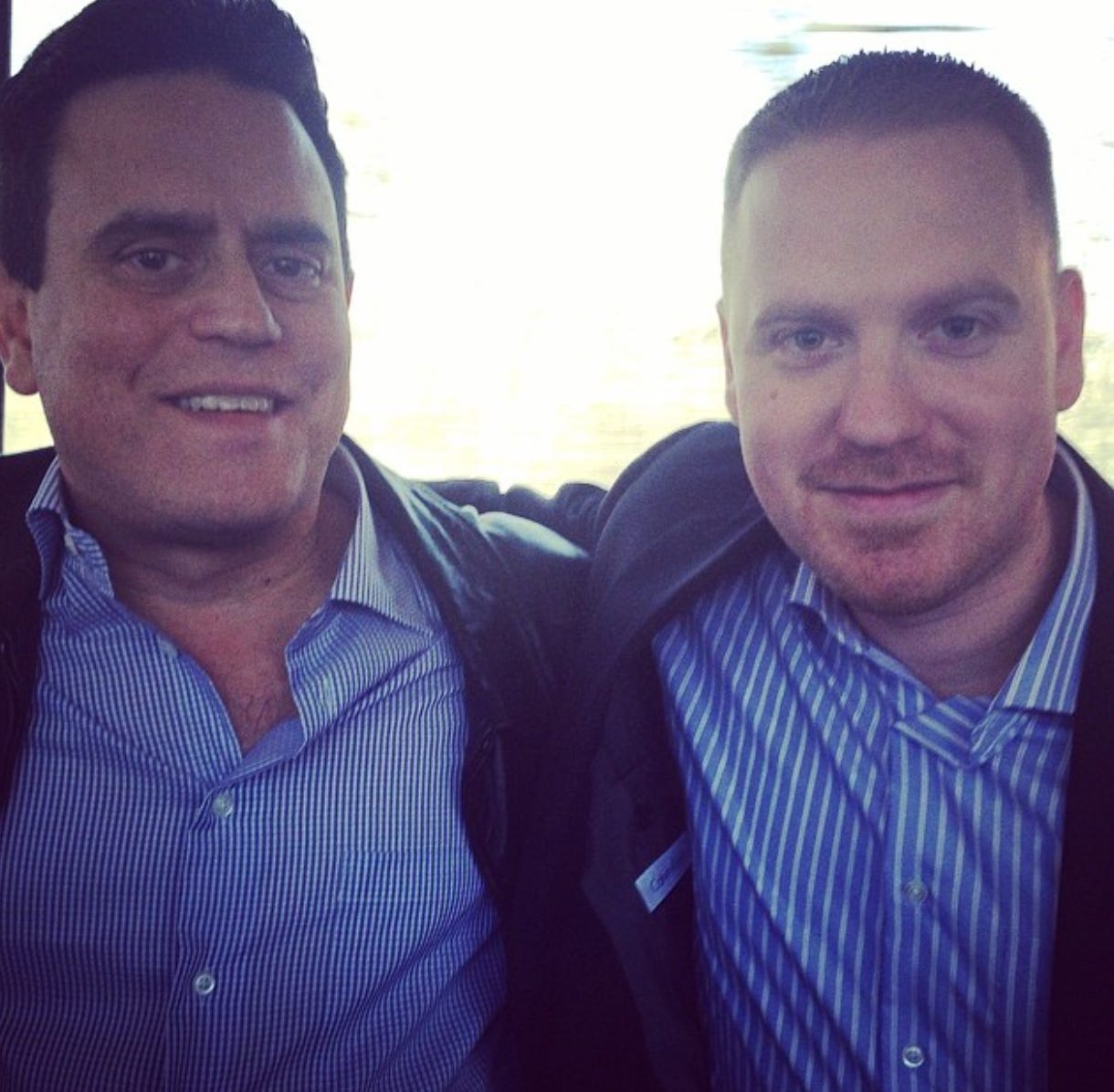
During this time, the new legal cannabis business attracted what I can only describe as 'tourists.' These were businessmen in the latter half of their careers, often from backgrounds in mining, technology, or car sales (sometimes all three). They sought relevance in a space that didn't inherently recognize their expertise. Many of these executives in the early days, and even to this day, didn't have any genuine interest in or appreciation for cannabis; they were simply posers and opportunists. It was a source of frustration for me, witnessing individuals who, despite their lack of connection to the plant, aimed to capitalize on the emerging industry.
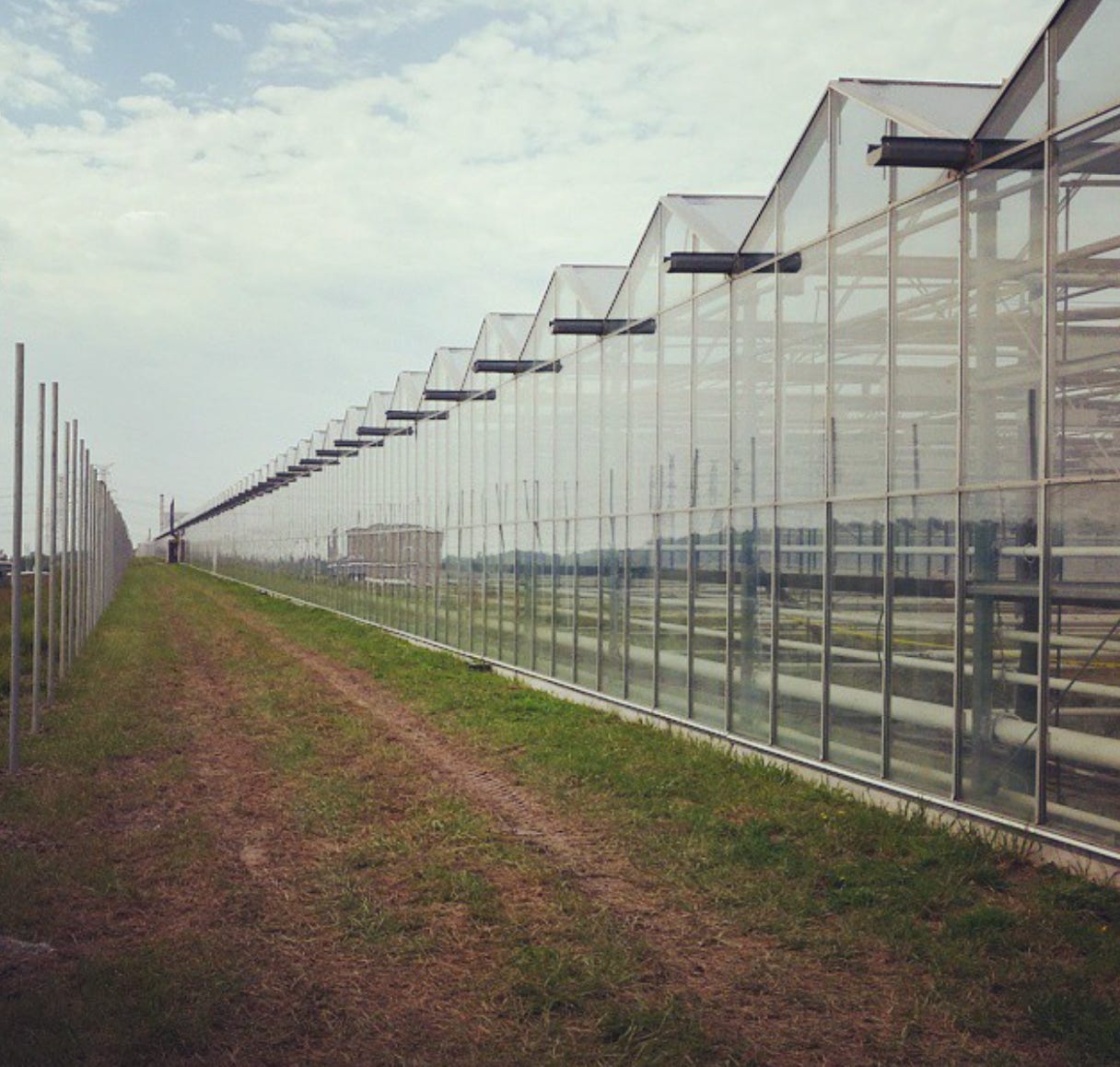
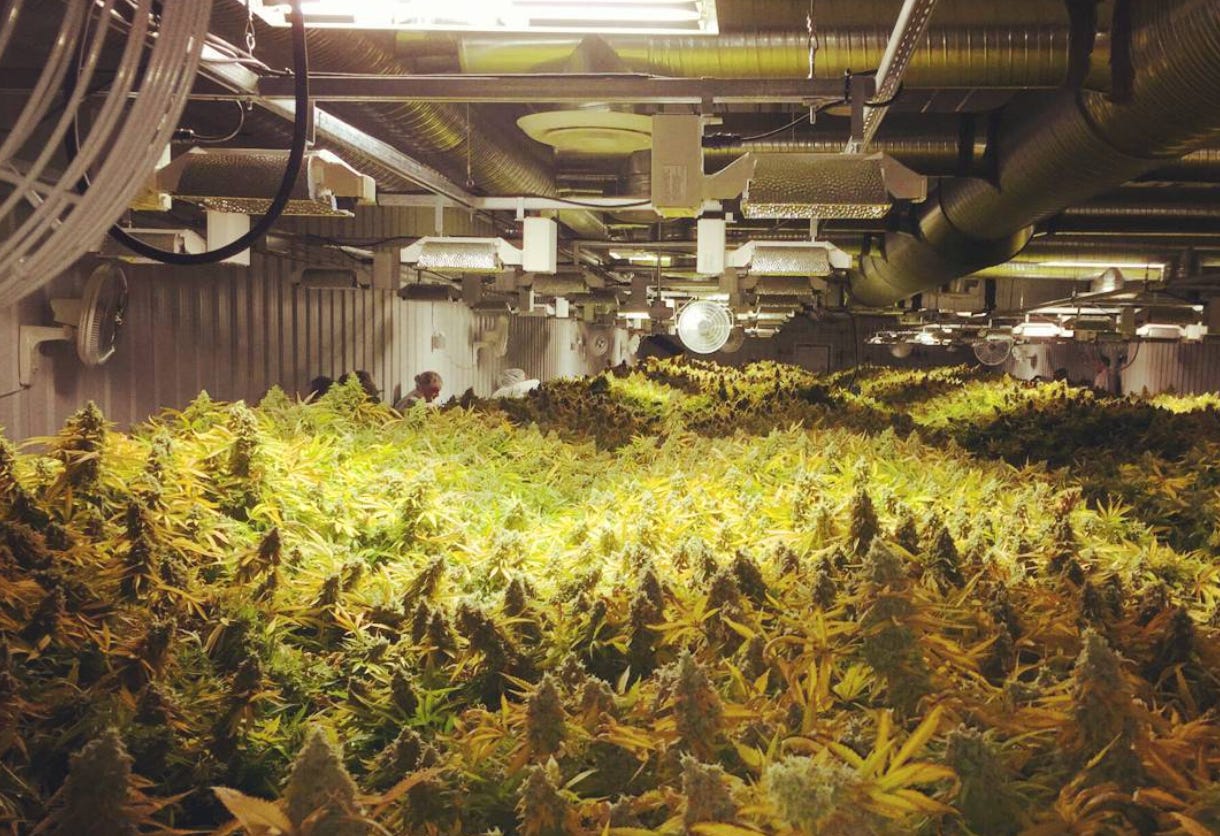
By January 2014, a relatively unknown team in Kincardine, Ontario, was cooking up something special. The owners of a new 7-acre greenhouse had crossed paths with another Vancouver-based promoter, David Stadnyk, who had recently sold the Vancouver Whitecaps. This encounter led to a meeting between John Fowler and me at the Library Bar at the Fairmont Royal York in Toronto that cold winter. Soon after, Supreme Pharmaceuticals was born, and I found myself officially "in the markets."
At 30 years old, I had spent the last decade trading stocks and selling Harleys to a diverse clientele of businessmen and gangsters. Now, overnight, I transformed from one life into another—becoming the Executive Vice President of Supreme Pharmaceuticals. From a shaved head and tattoos to Swiss watches and Italian shoes, I adapted swiftly and got to work.
Being the only one not second-generation in this business bothered me. When I say "this business," I refer to penny stocks, where most individuals either hail from a lineage of brokers and former brokers or are the offspring of lawyers. I, on the other hand, am the misfit hillbilly from Chilliwack, enjoying giant doobies and tearing around on motorbikes and helicopters. Yet, I excelled, naturally bridging the worlds of capital markets and cannabis—earning it my trademark. This success propelled me into roles with Aurora, CannaRoyalty, and eventually led to the formation of 1933 Industries.

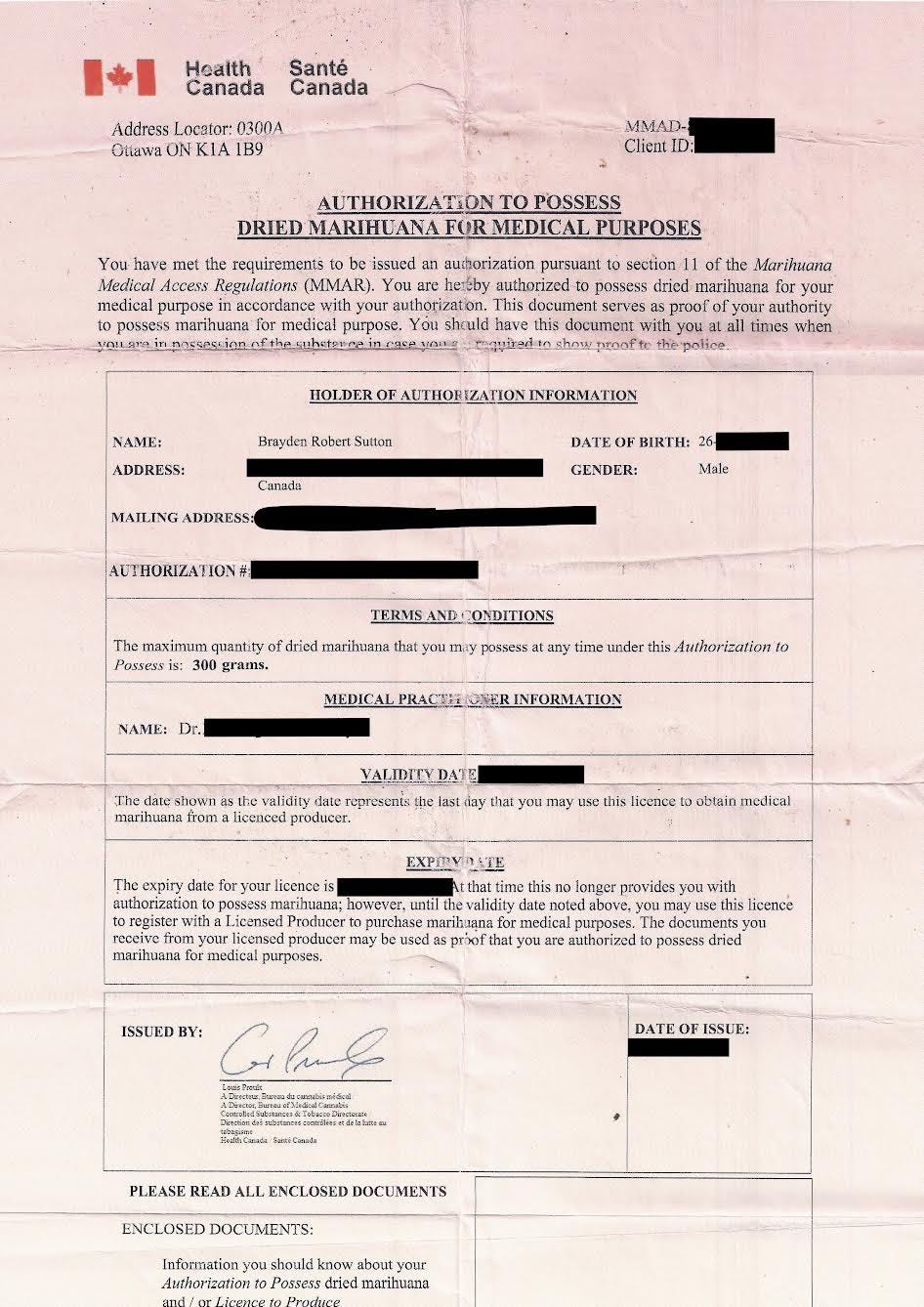
My official foray into cannabis began in 2004 when I received a coveted 'MMAR,' a federal license to use cannabis in Canada, from my family physician. At just 19 years old, I was the youngest Canadian by a significant margin. Shortly thereafter, I acquired CannabisHealth.com, connecting me with a fascinating group of MDs and PhDs from around the globe who passionately researched and spoke about cannabis. In hindsight, we were way ahead of our time.
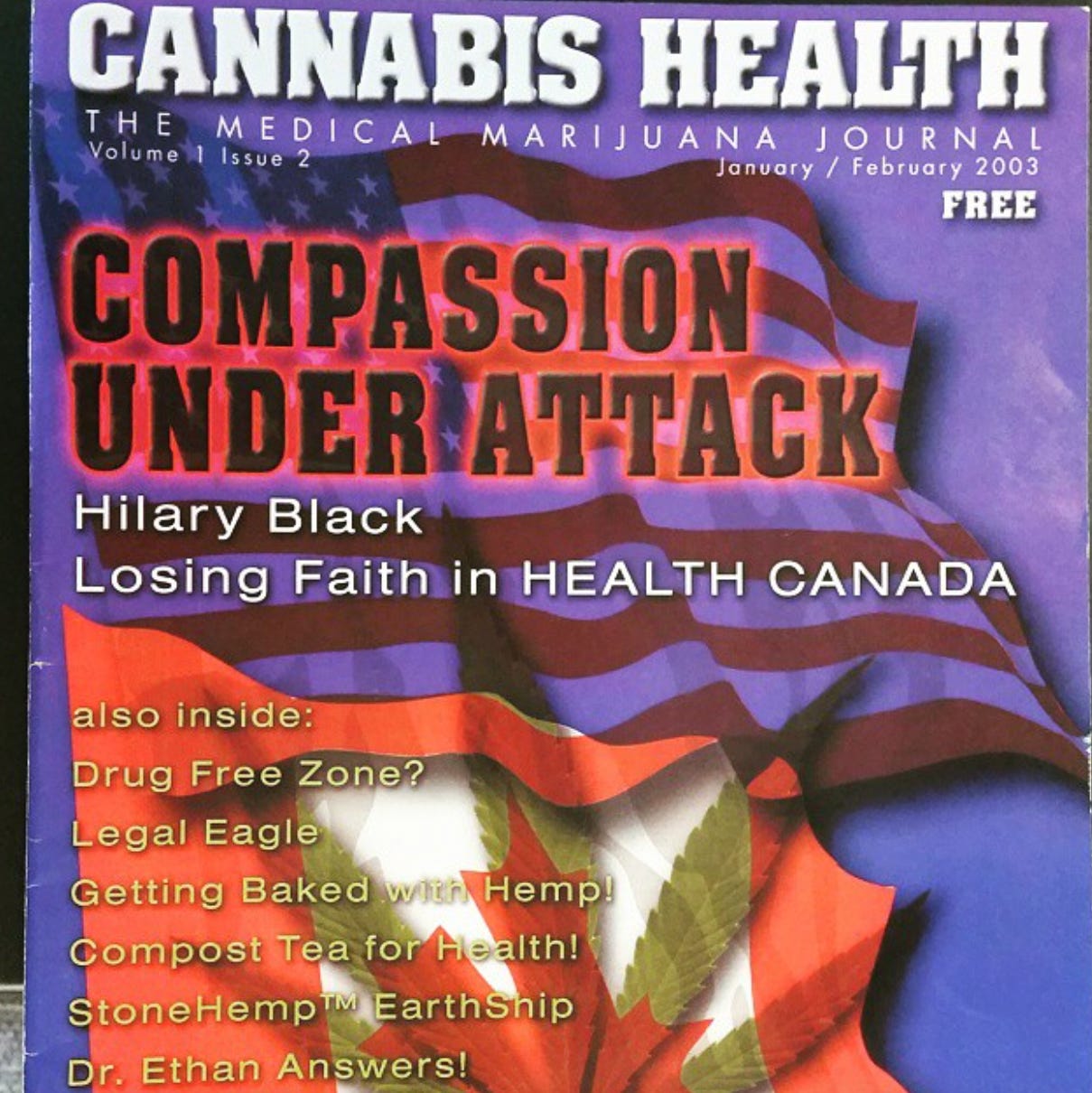
We featured stories from US Marines sharing their experiences with PTSD, MS and cancer patients finding relief through Rick Simpson Oil regimes, and parents successfully treating children with Dravet syndrome. We even witnessed anxious pets benefiting from CBD. All of this occurred before Dr. Sanjay Gupta's transformative moment on primetime TV when he declared "I was wrong" during the airing of 'Weed 1' on August 8th, 2013, on CNN. That day marked the industry's emergence above the surface.
Working with Cannabis Health was both fascinating and educational. By 2010, I felt like I had earned a PhD in the plant. However, I also struggled with a personal challenge—I smoked cannabis a lot, and I couldn't seem to stop. Dr. Gupta's rapid embrace of cannabis, while well-intentioned, left me uneasy due to the limited real data available at the time. I knew I was completely addicted, completely dependant - and had been for far too long. But because it was work, it was more than justified.
The stock markets ultimately became my calling. I reveled in the action and the intricate mechanics of trading stocks and options, becoming exceptionally skilled at it by the time I turned 25. I was self-taught and deeply committed to the craft, priding myself on the notion that I "had a trade that pays me, and all I need is my laptop, with no staff, no inventory, no meetings, nothing. Just me and my charts." I loved it, and I believe I always will—it's such a pure form of capitalism.
I used to jest that with $100, a laptop, and an online brokerage account, one could get out of jail and be in business in 20 minutes. I meant it too. I started from scratch twice—once on my 18th birthday when I was old enough to open an Interactive Brokers (leveraged) stock brokerage account and again in September 2008 when I, like everyone else, was 110% invested. I started from zero (or worse) once the dust settled from the financial crisis. My eldest son was born that month, and I still refer to him as my financial crisis baby.
Family is everything. People often hear this line from dads, but I genuinely mean it. I spent many years running from it, hiding from it, and trying to create or buy anything that could come between me and my little family that only ever wanted me. Unfortunately, I lost those precious initial years with all three of my kids because, while I was physically present, I was a ghost—a mere shell of a man living in 30 other people's heads at any given time, trying to keep all the plates spinning and please everyone.
I became a slave to everyone else, ignoring all that was truly precious. And what was precious to me was within the four walls of my house—the very place I always wanted to escape from for the 'excitement of the capital markets.' I was running away from life itself, and it wasn't until I seemingly owned everything that I realized I had nothing.
"A man who only talks business is a failure in all aspects of life."
Thanks for reading Brayden Stock Syndicate! Subscribe for free to receive new posts and support my work.
Comments
Nothing yet. Say the first thing.
Sign in to join the conversation.